
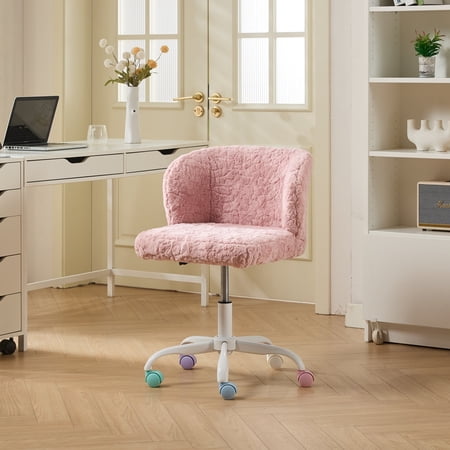
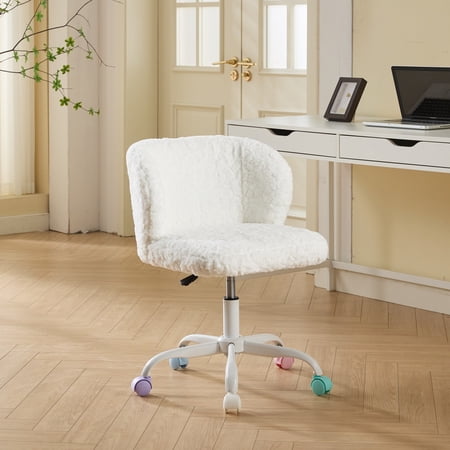
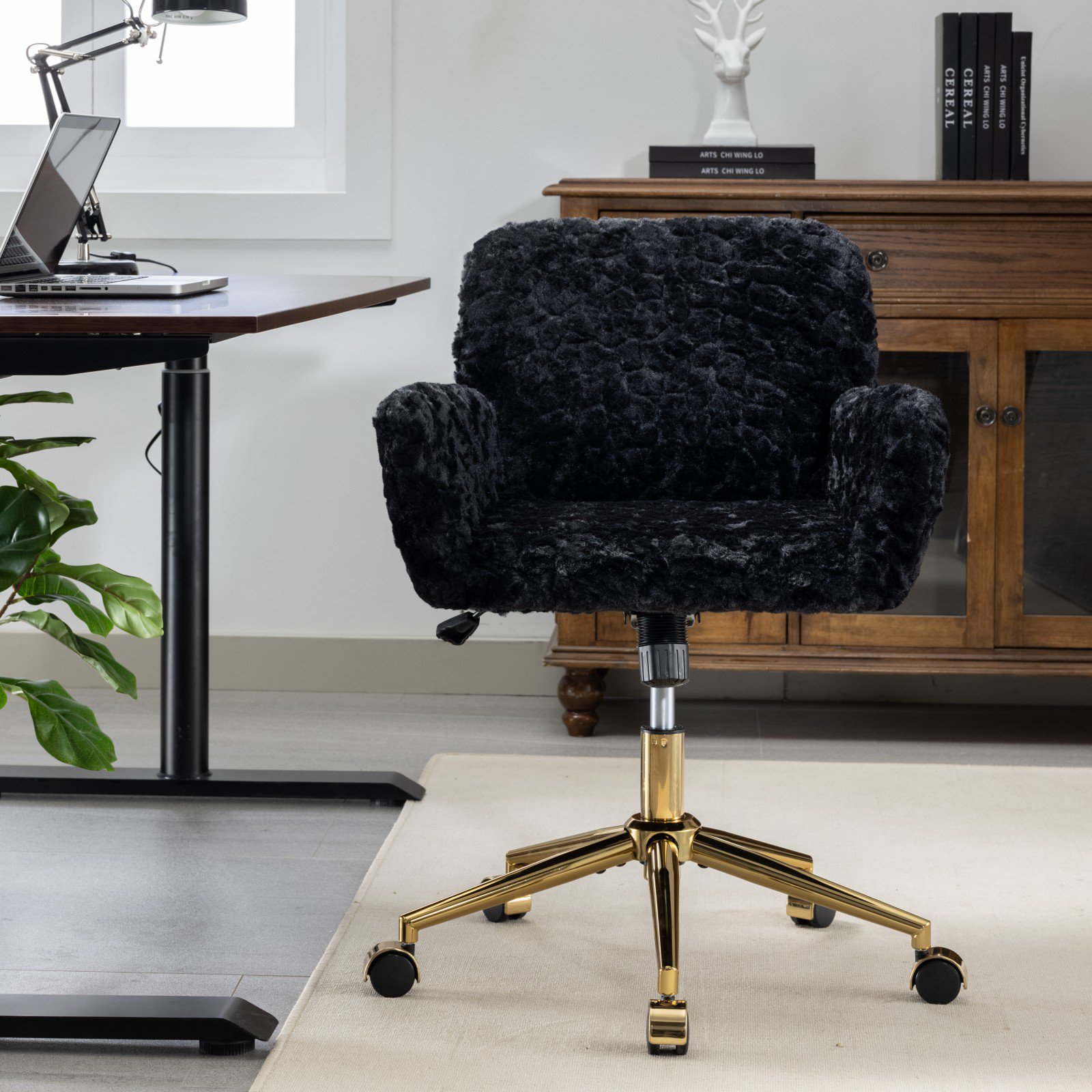
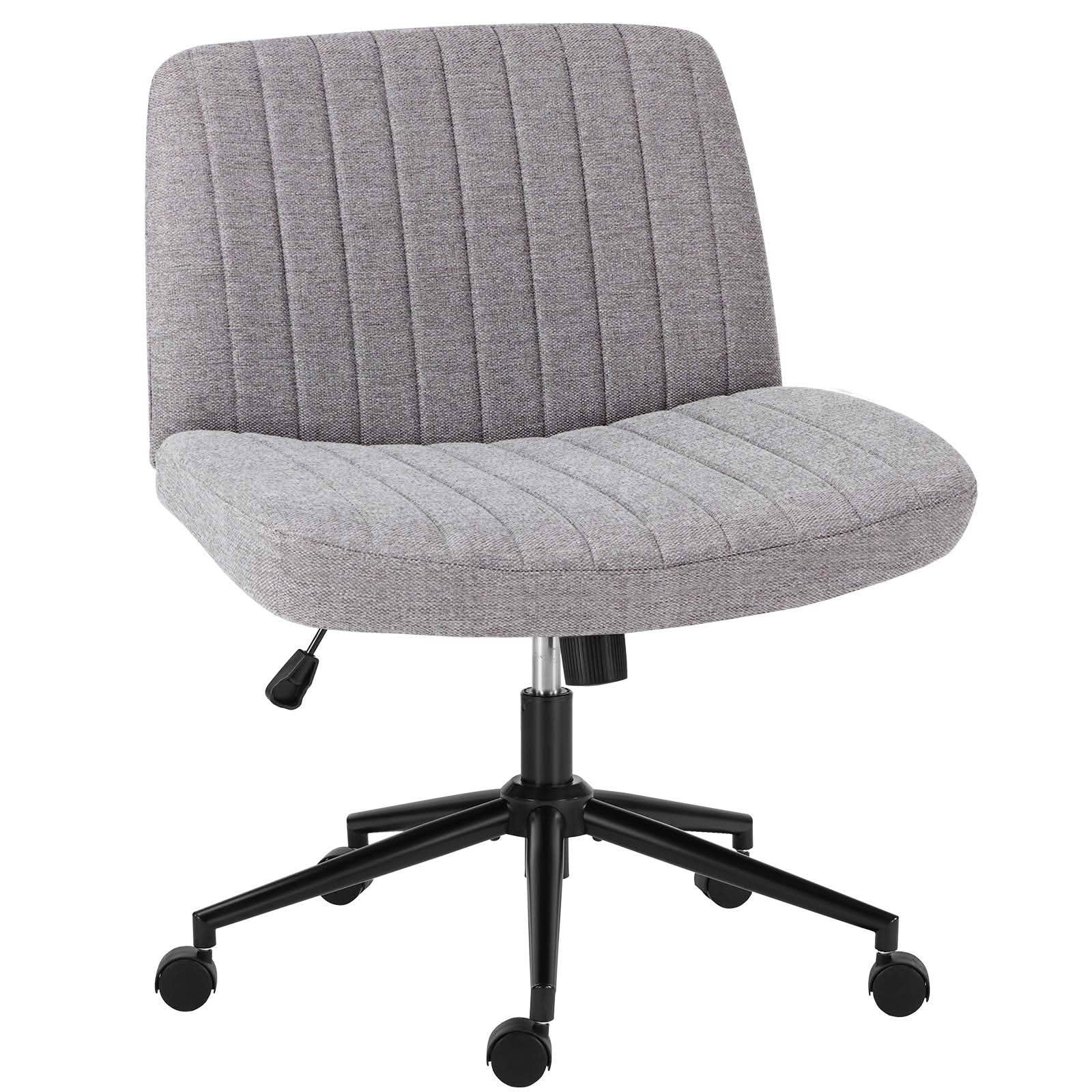
The Unsung Hero: Why Your Chair's Base and Wheels Matter
Imagine a high-performance car with worn-out tires and a wobbly chassis. That’s exactly what a premium office chair feels like when its office chair base with wheels is neglected. Most executives focus on cushion comfort and back support, but the interface between you, the chair, and the floor is the base and caster system. It affects how easily you move, whether your expensive hardwood gets scratched, and even your stability during those intense leaning moments.
Ergonomics & Mobility Insight: A 2023 survey by the National Office Furnishings Association revealed that 68% of workers who experienced leg fatigue or reduced productivity traced the issue to poor chair mobility—often linked to incompatible or low-quality casters and a rigid base.
Anatomy of an Office Chair Base: More Than Just a Star
The typical five-point star base isn't just a design choice—it's an engineering standard to prevent tipping. But not all stars are created equal. Let's break down the components and variations you'll encounter when shopping for an office chair base with wheels.
1. Base Materials: Nylon vs. Aluminum vs. Steel
- Pros: Lightweight, corrosion-proof, shock-absorbent, cost-effective.
- Cons: Can feel less premium; very cheap versions may crack under extreme weight.
- Best for: General office use, home offices, users up to 300 lbs.
- Pros: Stronger and more rigid than nylon, sleek appearance, often polished.
- Cons: Heavier, conducts temperature (can feel cold), higher cost.
- Best for: Executive chairs, heavy-duty applications, modern aesthetics.
Steel bases are rare in modern chairs due to weight and rust potential, but you might find them in vintage or industrial-heavy models. For 99% of users, a reinforced nylon base offers the best balance.
2. The Caster Factor: Wheels That Fit Your Floor
Wheels are the point of contact. Using the wrong type is like wearing hiking boots on a basketball court. Here's how to decode caster types:
- Hard Nylon/Plastic Casters: Durable but can scratch hardwood and tile. Best for low-pile carpet only.
- Polyurethane Casters (Soft): The gold standard for hard floors. They roll smoothly, protect surfaces, and are quiet. Look for "non-marking" and "floor-safe" labels.
- Carpet Casters (Dual-wheel): Often have a slightly softer core but with a tread designed to roll easily on thick carpet without sinking.
- Braking or Locking Casters: Useful for stationary desks or if your chair tends to roll away when you stand up.
3. Gas Lift Mechanism & Compatibility
The base is just the star-shaped shell; the gas lift cylinder fits into its center hub. The standard size for most office chairs is a 50mm (2 inch) diameter cylinder. However, some European or older chairs use 48mm or 1 7/8 inches. When buying a replacement office chair base with wheels, you must ensure the center hole matches your gas lift. Many bases come with adapters or are universal-fit for 50mm and 48mm.
Step-by-Step: How to Choose the Right Base & Wheels
Whether you're building a chair from scratch, replacing a broken base, or upgrading wheels, follow this systematic approach:
- Identify your floor type: Carpet (low/high pile), hardwood, tile, or laminate. This dictates your caster choice.
- Measure your gas lift diameter: Use a caliper or ruler to measure the cylinder where it enters the base. It's usually 50mm or 48mm.
- Determine weight capacity needs: Add 50-100 lbs to your weight for safety margin. A heavy-duty base (often aluminum or thick nylon) with a wide footprint (28-30 inches) provides stability.
- Decide on material: Choose aluminum for a premium look and maximum rigidity; choose nylon for lightweight affordability and adequate strength for most users.
- Check caster stem type: Most modern chairs use a 11mm (7/16 inch) diameter stem with a snap-in grip ring. Some older chairs use threaded stems. Ensure compatibility.
Quick Reference: Caster Stem Guide
| Stem Type | Common Use | Measurement |
|---|---|---|
| Snap-in / Grip Ring | 90% of modern office chairs | 7/16" or 11mm diameter, 3/4" length |
| Threaded Stem | Older chairs, some task chairs | Typically 1/2"-20 or M10 thread |
| Locking Pin | Industrial or heavy-duty | Varies, often includes a side lever |
Real-World Analogy: The Chassis & Tire Concept
Think of your office chair base as the chassis of a race car. It provides the structural integrity and determines the wheelbase. The wheels (casters) are your tires: slick tires for dry roads (hard floors) and treaded tires for loose surfaces (carpet). If you put off-road tires on a Formula 1 car, you'll have a rough, inefficient ride. Similarly, using hard plastic casters on a hardwood floor is like driving with rocks in your tires—damaging and noisy. The right office chair base with wheels ensures your "chassis" is stable and your "tires" match the terrain.
Did You Know? According to caster manufacturer reports, upgrading from standard hard nylon to soft polyurethane wheels can reduce rolling resistance by up to 40% on hard floors and decrease noise levels by 15 decibels—a significant improvement for open-plan offices.
Common Problems Solved by the Right Base & Wheels
- Problem: Chair keeps rolling away on a hard floor.
Solution: Replace casters with locking casters or ones with higher resistance (softer polyurethane actually grips more). - Problem: Deep scratches on wood floor.
Solution: Switch to soft polyurethane or rubber wheels immediately. - Problem: Chair feels wobbly even when sitting still.
Solution: The base might be cracked or the gas lift hole is worn. Replace the entire base. - Problem: Wheels stuck with hair and debris.
Solution: Some bases allow you to pop out the wheels for cleaning; upgrade to wheels with shielded bearings to prevent buildup.
Installation Tips: Swapping Your Base or Wheels
Replacing an office chair base is often simpler than you think. You'll need a rubber mallet and maybe some lubricant. First, remove the old base by gently tapping the gas lift cylinder from the base hub. If it's stuck, apply WD-40. Once removed, insert the gas lift into the new base—it should click or slide in snugly. For wheels, simply pull firmly on old casters (they're held by friction) and push the new ones in until they click. Always test stability before full-weight sitting.
Maintenance for Longevity
To extend the life of your office chair base with wheels: clean the casters monthly with compressed air to remove hair; avoid exposing aluminum bases to moisture to prevent oxidation; and check the base spokes for hairline cracks if you notice wobbling. A little care goes a long way.
Frequently Asked Questions About Office Chair Bases & Wheels
Conclusion: Build the Perfect Rolling Foundation
Your office chair base with wheels is the foundation of your seated experience. Whether you're a home user wanting to protect new flooring, or a facility manager kitting out an office with heavy-duty requirements, understanding materials, caster types, and compatibility ensures you invest wisely. Remember, a stable base and smooth-rolling wheels reduce fatigue, protect your floor, and keep your chair feeling like new for years. Use this guide to match your specific needs—and don't hesitate to upgrade just the wheels for an instant transformation.