
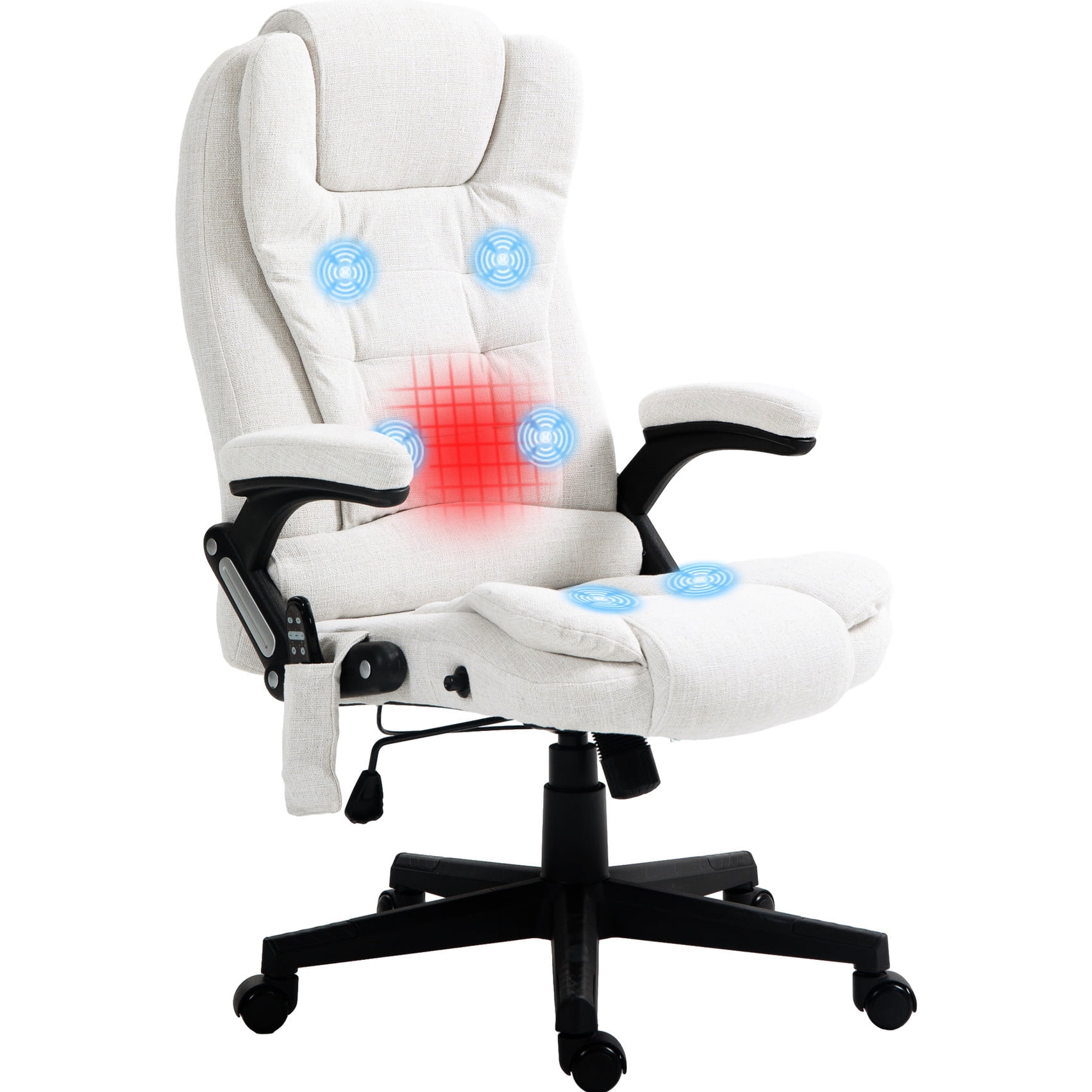
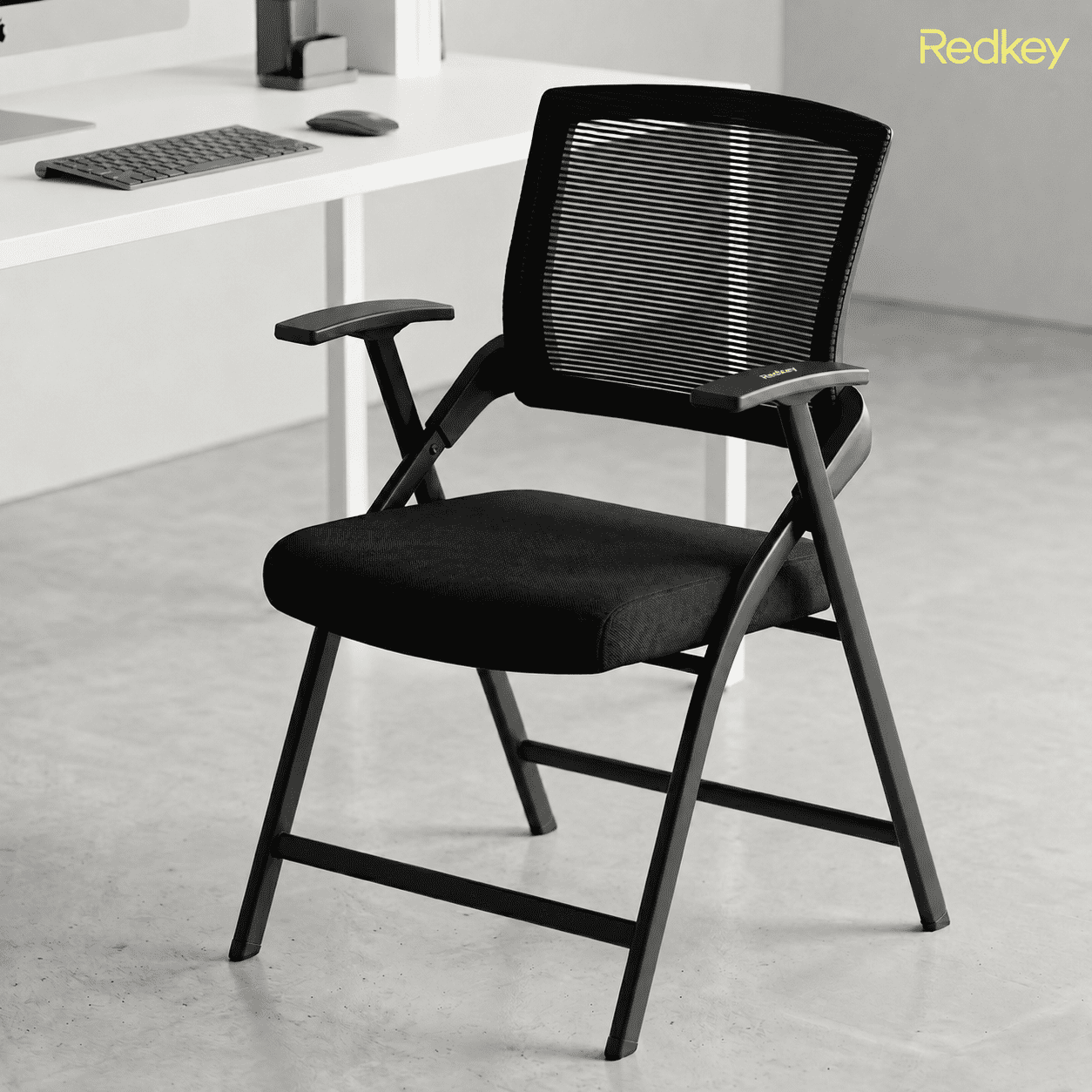
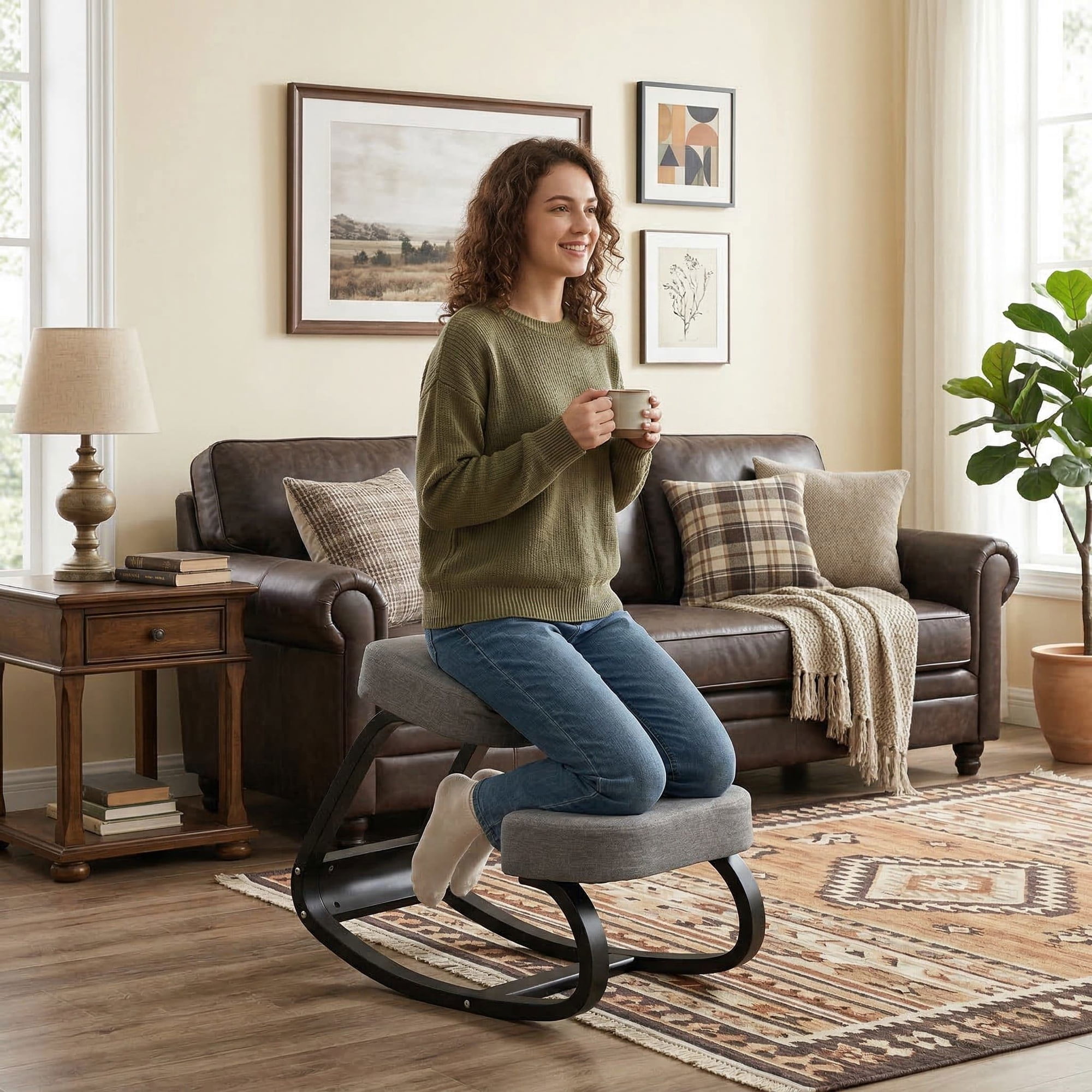
Why an Ergonomic Padded Office Chair Transforms Your Workday
Imagine sitting down at 8 AM, and by noon you feel no numbness, no aching lower back, and no urge to fidget constantly. That's the promise of a well-designed ergonomic padded office chair. Unlike minimalist task chairs with wafer-thin seats, these chairs wrap you in high-density foam while still providing the spinal alignment that ergonomics demand.
According to the Occupational Safety and Health Administration (OSHA), poor seating contributes to nearly 70% of musculoskeletal disorders among office workers. The right chair acts as a buffer between your body and gravity. Padding isn't just about luxury—it's about distributing your weight evenly, reducing pressure points on your hips and tailbone.
Ergonomic Insight: A study in the Journal of Physical Therapy Science found that workers using chairs with adequate thigh padding reported 33% less discomfort after six hours compared to those on thinly padded seats. The key is balanced cushioning that supports without collapsing.
Anatomy of an Ergonomic Padded Office Chair
Let's dissect what makes these chairs special. It's not just a thick seat; it's a combination of materials and adjustments designed for long-haul comfort.
1. The Seat: High-Density Foam vs. Memory Foam
The foundation is the foam. Two types dominate:
- High-density polyurethane foam: This is the workhorse. It's resilient, holds its shape for years, and provides firm support. Think of it like a high-end mattress—it conforms slightly but always springs back.
- Memory foam or gel-infused foam: Often layered on top of a firm base, memory foam molds to your unique shape. It's excellent for pressure relief, especially if you have tailbone sensitivity. However, pure memory foam can feel hot; gel infusions help dissipate heat.
Most premium chairs use a combination: a firm foam core with a softer top layer. This "dual-density" approach prevents the "bottoming out" feeling where you hit the hard wood or plastic base.
2. Lumbar Support Integration
Here's where ergonomics meets padding. The lumbar region (your lower back) needs forward pressure to maintain the spine's natural S-curve. In padded chairs, this support can be built into the foam backrest or provided by an adjustable air bladder or mechanical system.
Why it matters: Without proper lumbar support, even the plushest seat leads to slouching. Look for chairs where the padded backrest has a pronounced curve or an adjustable lumbar pad that you can move up/down and increase/decrease depth.
3. Breathable Upholstery: Fabric, Mesh, or Leather?
Padding traps heat, so the cover material is critical.
- Breathable mesh/fabric: Ideal for all-day use. High-quality woven polyester or nylon allows air circulation, wicking sweat away.
- Leather or faux leather: Easier to clean and looks executive, but can get sticky in summer unless it's perforated. Some leather chairs have a fabric panel on the back to improve airflow.
- Performance fabric: Newer materials like Olefin or solution-dyed polyester resist stains and moisture while remaining soft.
Tip: If you tend to run warm, choose a chair with a mesh back and padded seat—a popular hybrid design.
4. Armrest Padding and Adjustability
Often overlooked, armrests should have a thin layer of soft padding. Hard plastic armrests can cause ulnar nerve compression after hours of typing. 4D armrests (adjustable height, width, depth, and pivot angle) with soft polyurethane coating are the gold standard. They allow you to rest your arms naturally, reducing shoulder strain.
Who Benefits Most from Extra Padding?
While anyone can appreciate a cushioned seat, these profiles find them especially beneficial:
- Individuals with lower body weight: Thin individuals often feel the hard seat pan more acutely. Extra padding protects bony prominences (ischial tuberosities).
- People with coccyx (tailbone) pain: A deep, contoured foam seat with a central relief channel can eliminate pressure on the tailbone.
- Those recovering from injuries: Post-surgery or post-injury users need gentle, even support to avoid aggravating sensitive areas.
- Long-haul sitters (8+ hours/day): Writers, programmers, designers—if you rarely leave the chair, padding reduces cumulative fatigue.
However, heavier individuals (250 lbs+) also need high-density foam to prevent the cushion from compressing too quickly. Look for chairs explicitly rated for higher weight capacities with reinforced foam.
Potential Pitfalls: When Padding Backfires
Not all padded chairs are created equal. Avoid these traps:
- The "Sinking Ship": Cheap, low-density foam loses its resilience within months, creating a permanent body-shaped dip that misaligns your hips.
- Excessively thick seats: A seat that's too thick (over 5 inches) can raise your knees too high, cutting off circulation behind the thighs (unless the chair has a very adjustable height range).
- Lack of edge support: The front edge of the seat (waterfall edge) should be padded but firm. If it's too soft, it doesn't support your thighs when you lean forward.
Always check reviews mentioning durability—specifically whether the foam sags after 6 months.
Data Snapshot: Padding Density Explained
| Foam Type | Density (lbs/ft³) | Lifespan (years) | Comfort Feel |
|---|---|---|---|
| Low-density | 1.5 - 1.8 | 1-2 | Soft, quick-sag |
| Medium-density | 1.8 - 2.5 | 3-5 | Balanced |
| High-density | 2.5 - 3.5+ | 7-10 | Firm yet plush |
Most quality ergonomic padded chairs use medium-to-high density foam. Don't just go by thickness—density determines longevity.
How to Choose Your Perfect Padded Ergonomic Chair
- Identify your pressure points: Do you feel more discomfort in your thighs, tailbone, or lower back? This guides whether you need a waterfall seat, a coccyx cutout, or extra lumbar padding.
- Match padding to work style: If you shift positions frequently, firmer foam with a flexible backrest works. If you stay static, softer contouring foam may be better.
- Consider climate: In warmer regions, prioritize breathable covers (mesh, fabric) even if padding is slightly less thick.
- Test adjustability: Ensure the seat depth can be shortened/lengthened. Too deep a seat with thick padding can press against your calves.
Frequently Asked Questions: Ergonomic Padded Chairs
Conclusion: Invest in Cushioned Support
An ergonomic padded office chair is not about coddling yourself—it's about smart biomechanics. The right amount of high-quality padding reduces peak pressure on your sitting bones, encourages micro-movements, and works with ergonomic adjustments to keep your spine aligned.
Remember to prioritize foam density over sheer thickness, ensure the backrest offers active lumbar support, and match the upholstery to your environment. Whether you're a coder logging twelve-hour sprints or a manager in back-to-back meetings, your chair's padding can be the difference between ending the day energized or exhausted.
Browse the curated selection above—each model has been vetted for its combination of plush comfort and ergonomic integrity. Your ideal work-from-home throne awaits.