
The Modern Executive's Secret: The Ergonomic Office Chair Massage
Imagine this: It's 3:00 PM. You've been in back-to-back strategy meetings, hunching over financial reports, and your lower back is sending out distress signals. A dull ache creeps up your spine, threatening to derail your focus for the final sprint of the workday. For most professionals, the only solution is to stand, stretch awkwardly, or reach for a pain reliever. But for a growing number of forward-thinking executives, the solution is built right into their seat: an ergonomic office chair massage system.
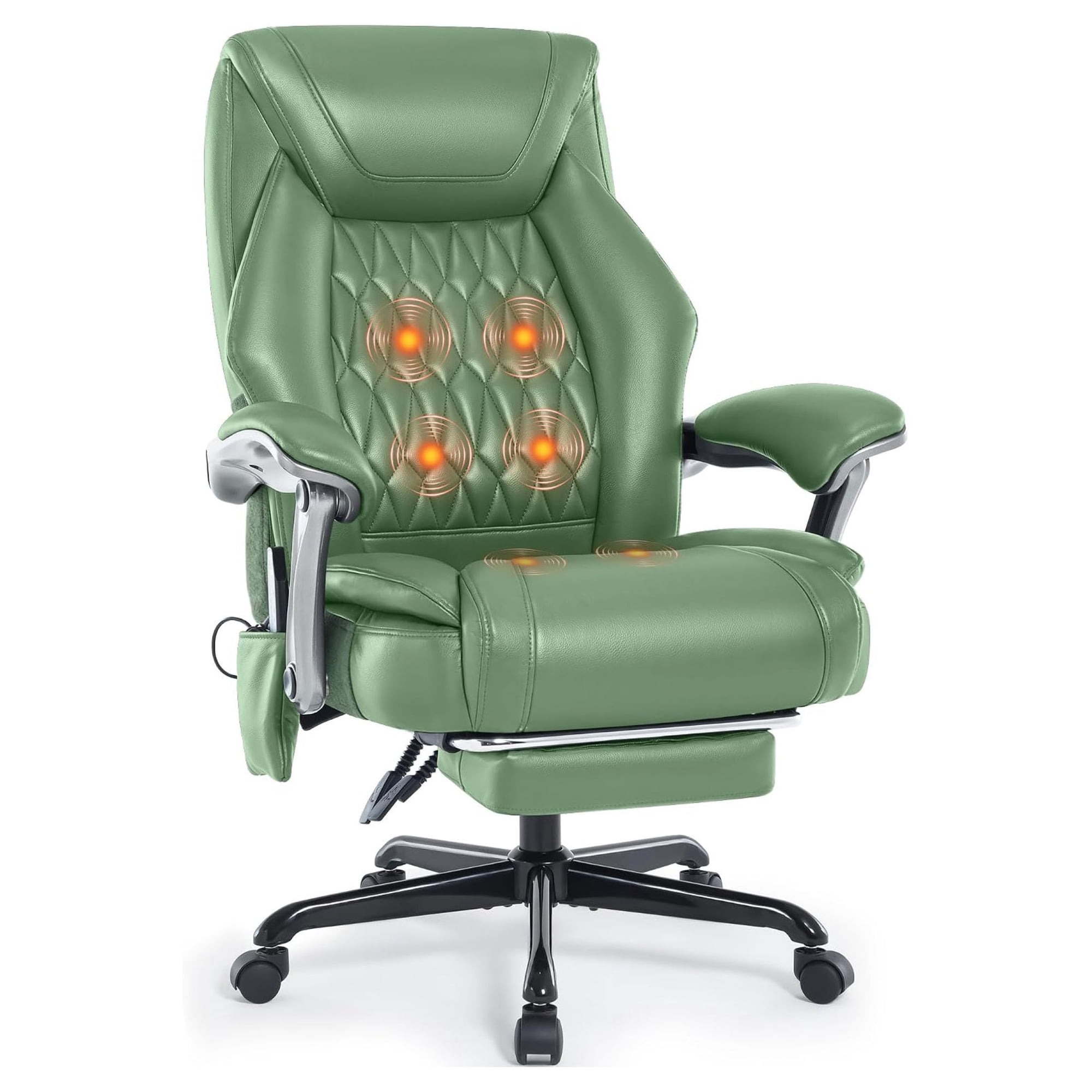
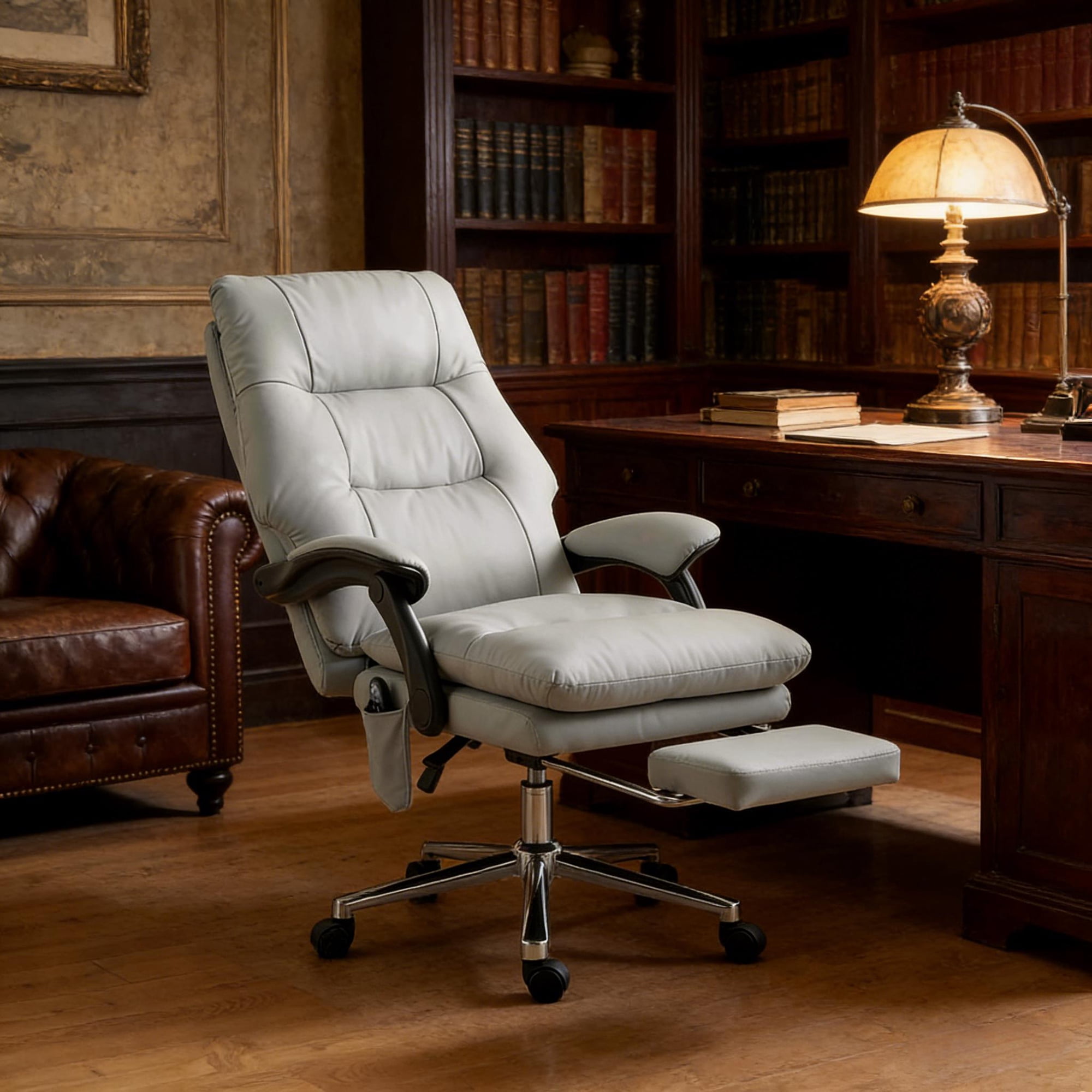
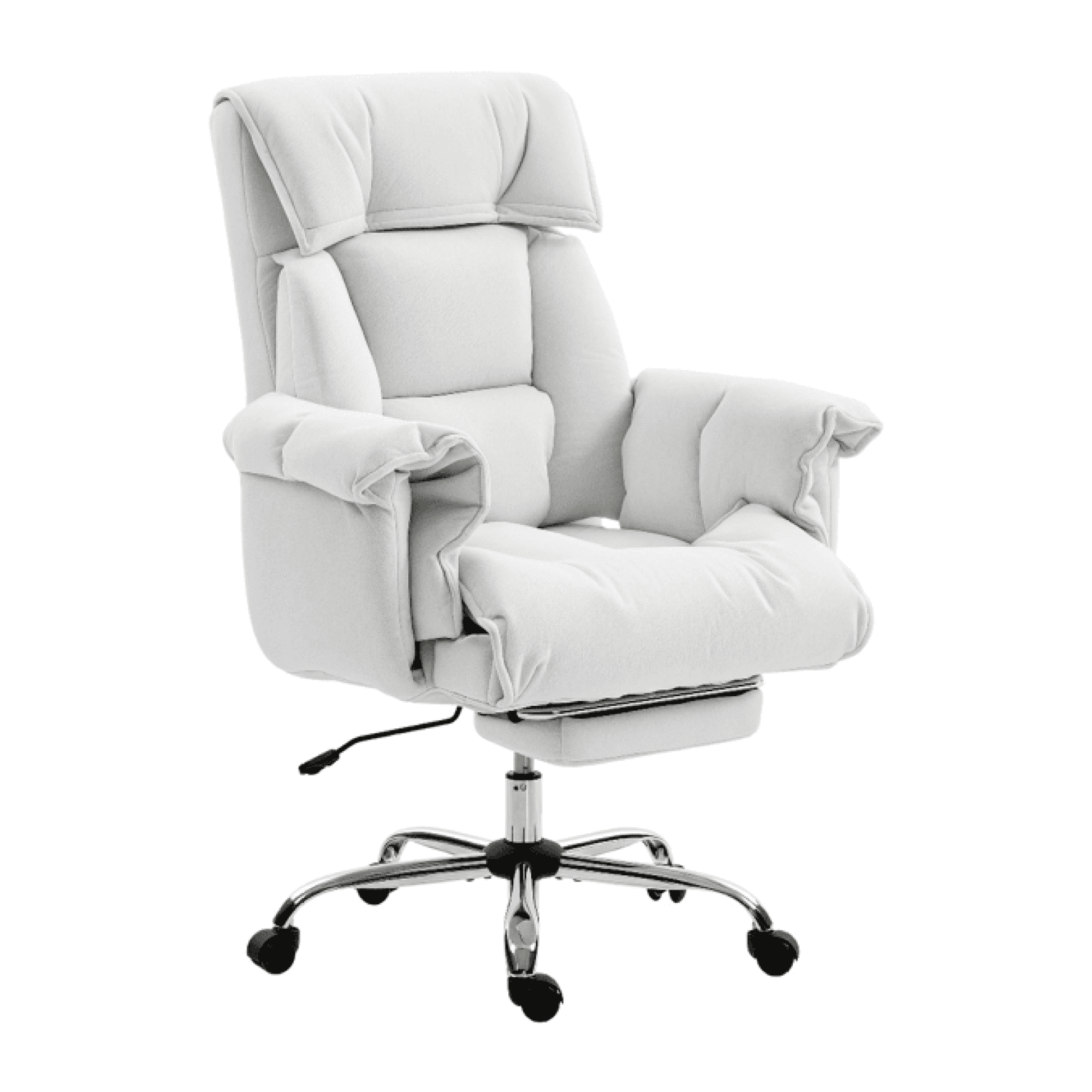
We've long understood the importance of ergonomics—adjustable lumbar support, proper seat depth, and armrests that prevent shoulder strain. But the next frontier in office wellness is active seating therapy. A chair with a built-in massage function isn't a luxury; it's a tool for recovery and sustained performance. It's the difference between a passive seat that merely supports you and an active wellness device that revitalizes you. This guide will walk you through everything you need to know about these innovative chairs, helping you decide if one is right for your office.
Wellness Insight: A study in the Journal of Physical Therapy Science found that even a 15-minute chair massage can significantly reduce heart rate and increase parasympathetic nervous system activity—essentially, it helps your body switch from "stress mode" to "rest and digest" mode, even in the middle of a hectic workday.
Beyond Support: The Therapeutic Benefits of On-Demand Massage
Why settle for a chair that just holds you up when you can have one that actively fights the negative effects of sitting? The benefits of an ergonomic office chair with massage extend far beyond simple relaxation.
1. Combating the "Sitting Disease" in Real-Time
Prolonged sitting leads to muscle fatigue and stiffness as muscles in the back and shoulders remain in a static position. A massage chair introduces movement and pressure variation, which helps to:
- Increase Blood Circulation: The mechanical action of a massage stimulates blood flow to stiff muscles, delivering oxygen and nutrients while flushing out metabolic waste like lactic acid. This is why you feel "lighter" after a massage session.
- Reduce Muscle Tension: Targeted kneading or Shiatsu can break up knots and tension in the trapezius (shoulders) and erector spinae (lower back) muscles, the primary areas affected by poor posture.
- Improve Range of Motion: Regular use can help maintain flexibility in the spine and surrounding muscles, counteracting the stiffening effect of a sedentary lifestyle.
2. A Strategic Tool for Mental Clarity and Focus
Think of a 15-minute massage session as a "system reset" for your brain. The mental benefits are just as compelling as the physical ones.
- Cortisol Reduction: Massage is clinically proven to lower cortisol (the stress hormone) levels. Lower stress means clearer thinking and better decision-making.
- Endorphin Release: The pressure and manipulation trigger the release of endorphins—your body's natural mood elevators and painkillers. This can lead to a more positive outlook and increased resilience to workplace pressure.
- Mindful Breaks: A massage session forces you to take a true break. You're not scrolling through your phone; you're sitting back and allowing the chair to work. This mini-mindfulness practice can be incredibly rejuvenating.
3. The Synergy of Heat and Massage
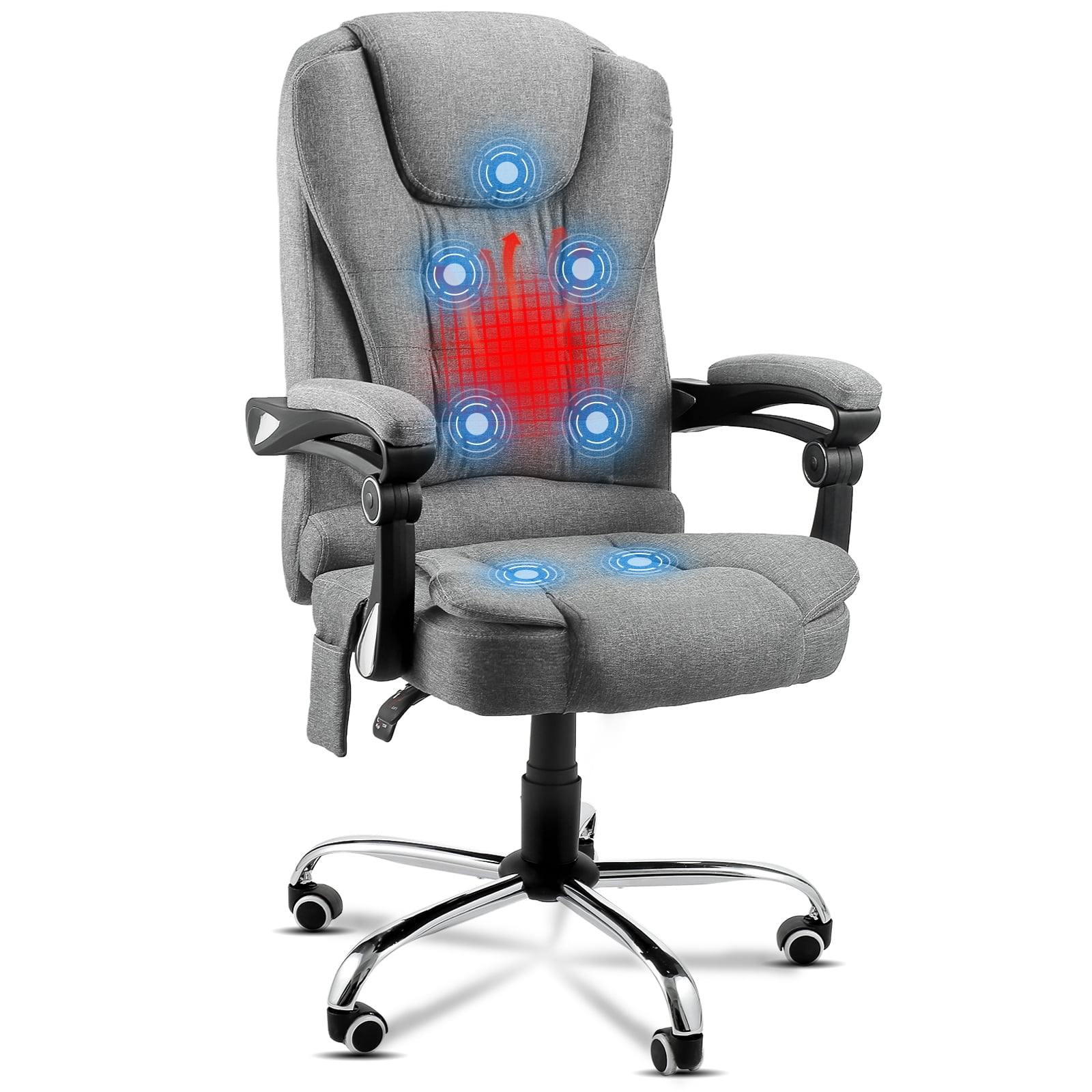
Many high-end ergonomic office chairs with massage also incorporate heat therapy, typically in the lumbar region. This combination is particularly powerful:
- Heat Deepens the Massage Effect: Heat relaxes muscle fibers, making them more pliable and receptive to the massage's kneading action. It allows the massage nodes to work more effectively on deeper layers of tissue.
- Soothing Pain Relief: For those with chronic lower back pain, the warmth penetrates deep into sore muscles, providing soothing relief that a massage alone cannot achieve.
- Improved Tissue Elasticity: Consistent heat application can improve the elasticity of connective tissues, reducing stiffness and the risk of injury.
Types of Massage Technologies in Office Chairs
Not all massage chairs are created equal. Understanding the technology will help you choose the right one for your needs.
| Massage Type | How It Works | Best For |
|---|---|---|
| Vibration Massage Common | Ubs oscillating motors in the back and seat to create a gentle, soothing vibration. | Relaxation, improving blood flow, and a gentle introduction to massage therapy. |
| Shiatsu Massage Advanced | Mechanical rollers and nodes that move up and down the spine, providing a kneading and pressure-point massage. | Deep tissue relief, targeting specific knots, and mimicking a real masseuse's hands. |
| Air Compression Massage Luxury | Airbags inflate and deflate to apply pressure to specific areas, sometimes including the seat and even the calves. | A full-body experience, improving circulation in the legs and glutes. |
| Roller Massage Targeted | Single or multiple rollers that traverse the length of the back, often with adjustable speed and width. | A consistent, flowing massage along the spine, great for general muscle relief. |
Key Features to Look for in Your Massage Office Chair
Before you buy, ensure the chair meets these essential criteria. The massage function is a bonus, but it must be built on a solid ergonomic foundation.
- 1. Ergonomic Non-Negotiables The chair must have adjustable lumbar support, seat height, tilt tension, and armrests (4D is ideal). The massage feature should not compromise these core adjustments.
- 2. Massage Customization Look for adjustable intensity levels, speed control, and targeted zones (upper back, lower back). The ability to focus on a specific pain point is crucial.
- 3. Heat Function If you suffer from chronic muscle pain or stiffness, a chair with a lumbar heating element is a must-have for deep, penetrating relief.
- 4. Power Source and Noise Level Most massage chairs need to be plugged into an outlet. Check reviews for noise levels—you don't want a loud motor disrupting your office or video calls.
- 5. Quality of Materials Whether it's breathable mesh or premium leather, the upholstery should be durable and comfortable, especially during a massage session where you might be leaning back with more pressure.
- 6. User-Friendly Controls A remote control or intuitive side panel is essential. Fumbling with complicated buttons defeats the purpose of a relaxing break.
Think of your body like a high-performance engine. Ergonomics is the precision engineering that keeps all the parts aligned and functioning correctly, preventing wear and tear. A massage function is like the periodic maintenance and oil change. It cleans out the "sludge" (muscle tension) and ensures everything runs smoothly, preventing a breakdown down the road. You need both for long-term, peak performance.
How to Integrate Massage Breaks into Your Workday
Having the tool is one thing; using it effectively is another. Here’s a simple 3-step guide to making the most of your ergonomic office chair massage:
- Schedule It (The 90-Minute Rule): Align your massage breaks with your body's natural ultradian rhythm. After 90 minutes of focused work, take a 15-20 minute break. Use the last 10 minutes of that break for a quick massage session. Lean back, close your eyes, and let the chair work. This creates a powerful mental association: "deep work" followed by "deep relaxation."
- Start Slow and Low: When you first get your chair, don't jump to the highest intensity. Start with a lower setting for 10-15 minutes to let your muscles acclimate. Gradually increase intensity and duration as your body becomes accustomed to the therapy.
- Target Problem Areas: If you have a specific ache, like tight shoulders from hunching, use the chair's zone control (if available) to focus the massage on that area. For general stress relief, a full-back rolling or Shiatsu session is perfect.
Investing in an ergonomic office chair with massage is an investment in your most valuable asset: yourself. It's a declaration that your well-being is just as important as your bottom line, and in today's demanding business world, that's not just a luxury—it's a competitive advantage.
Frequently Asked Questions About Ergonomic Massage Office Chairs
Conclusion: Elevate Your Workday with Therapeutic Seating
The modern workplace demands more than just a place to sit. It demands a partner in wellness and productivity. An ergonomic office chair with massage is precisely that—a partner. It bridges the gap between passive support and active self-care, allowing you to combat the physical toll of desk work without leaving your station.
By choosing a chair that offers high-quality ergonomics alongside therapeutic massage and heat features, you're not just buying furniture; you're curating an environment where you can perform at your best, feel your best, and project the energy and focus that leadership demands. The initial investment is quickly returned in the form of fewer sick days, reduced muscle pain, and sharper mental clarity. It's time to sit smarter, not harder.