
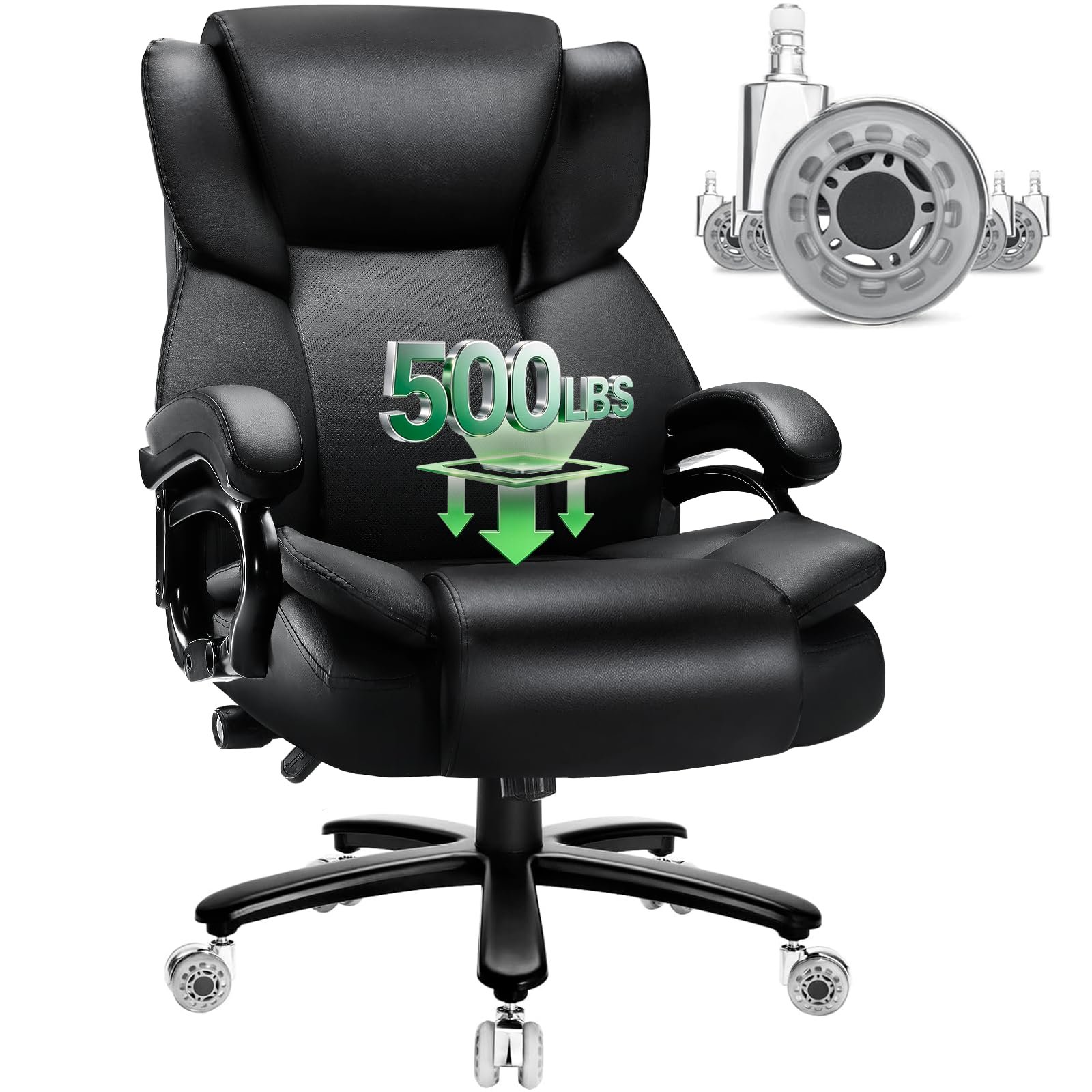
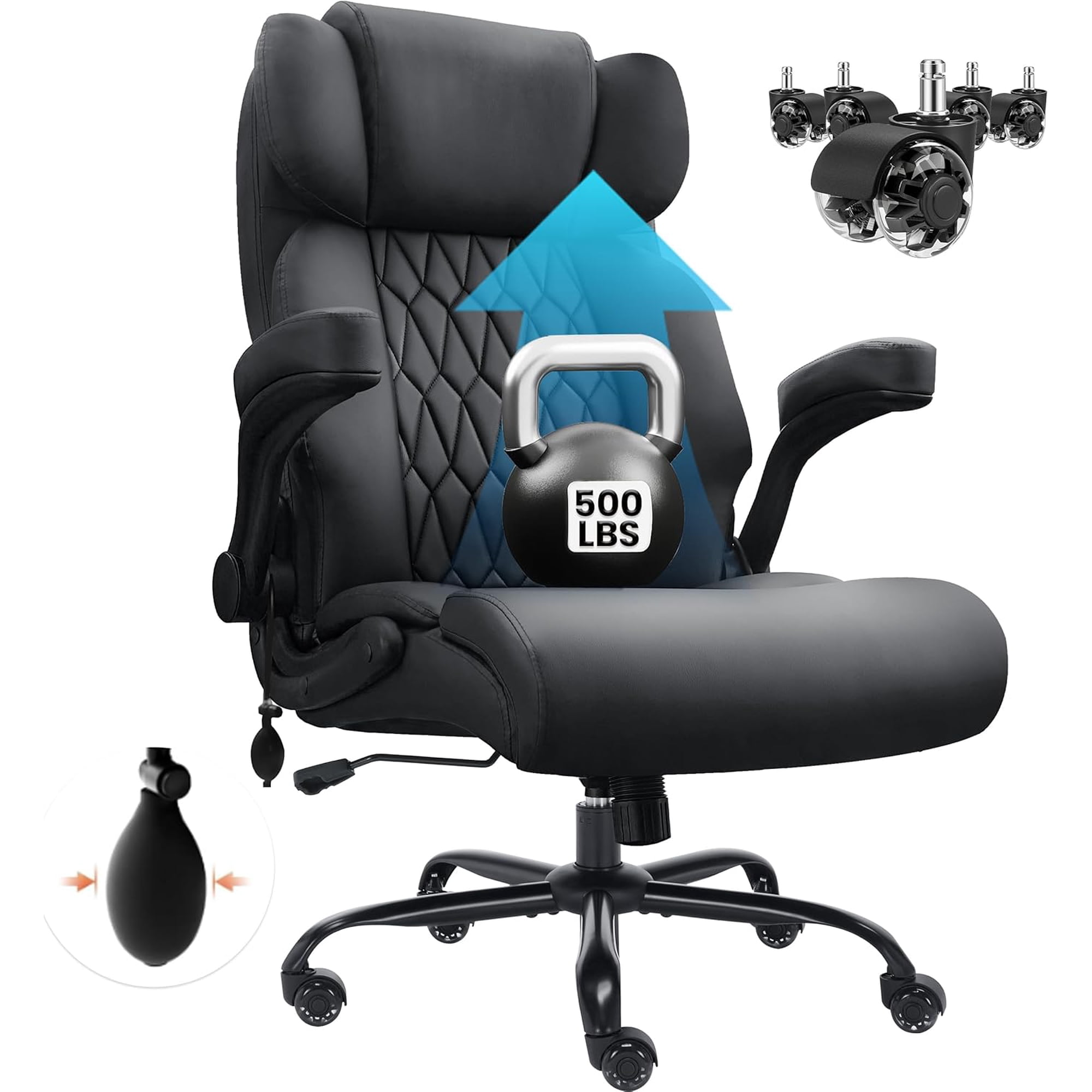
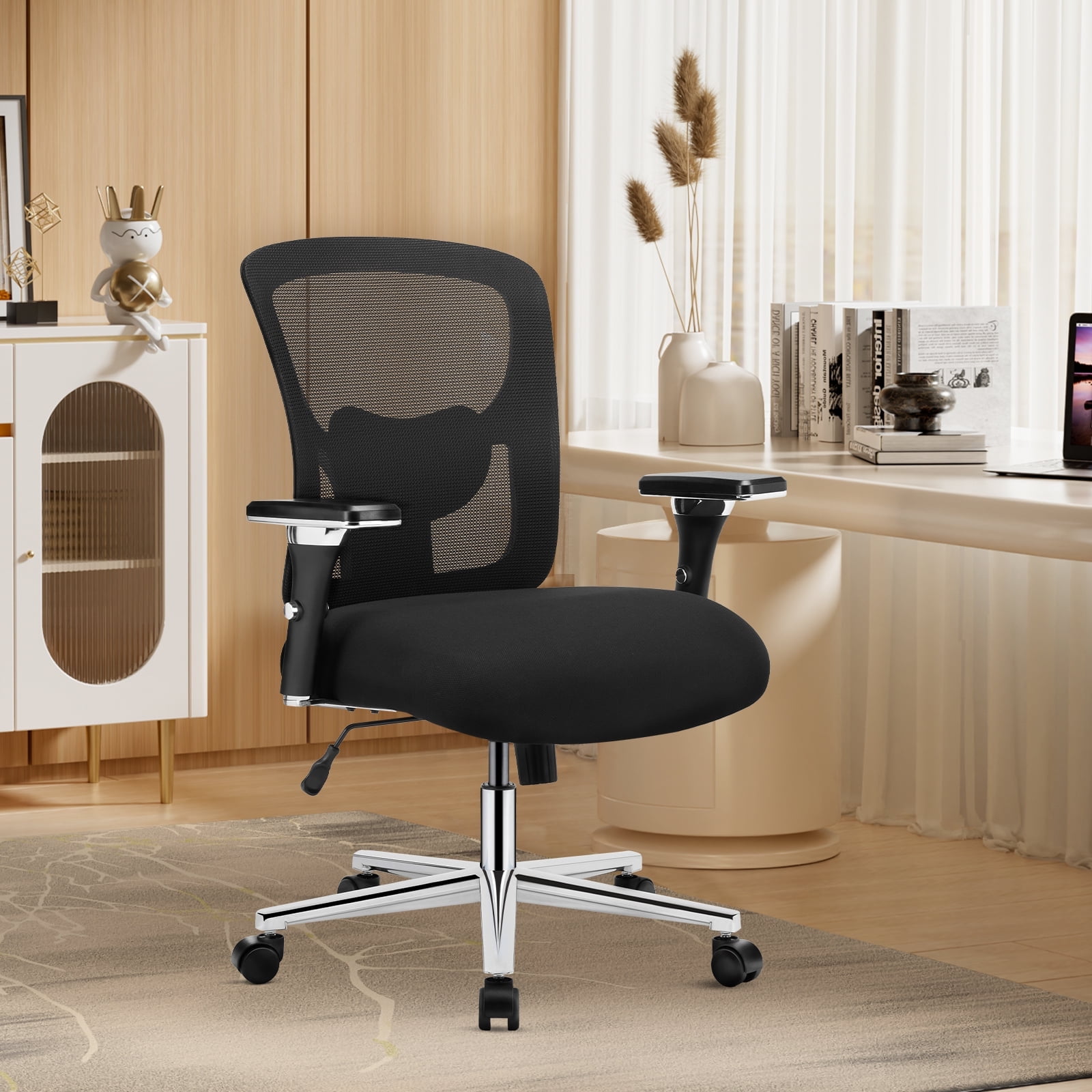
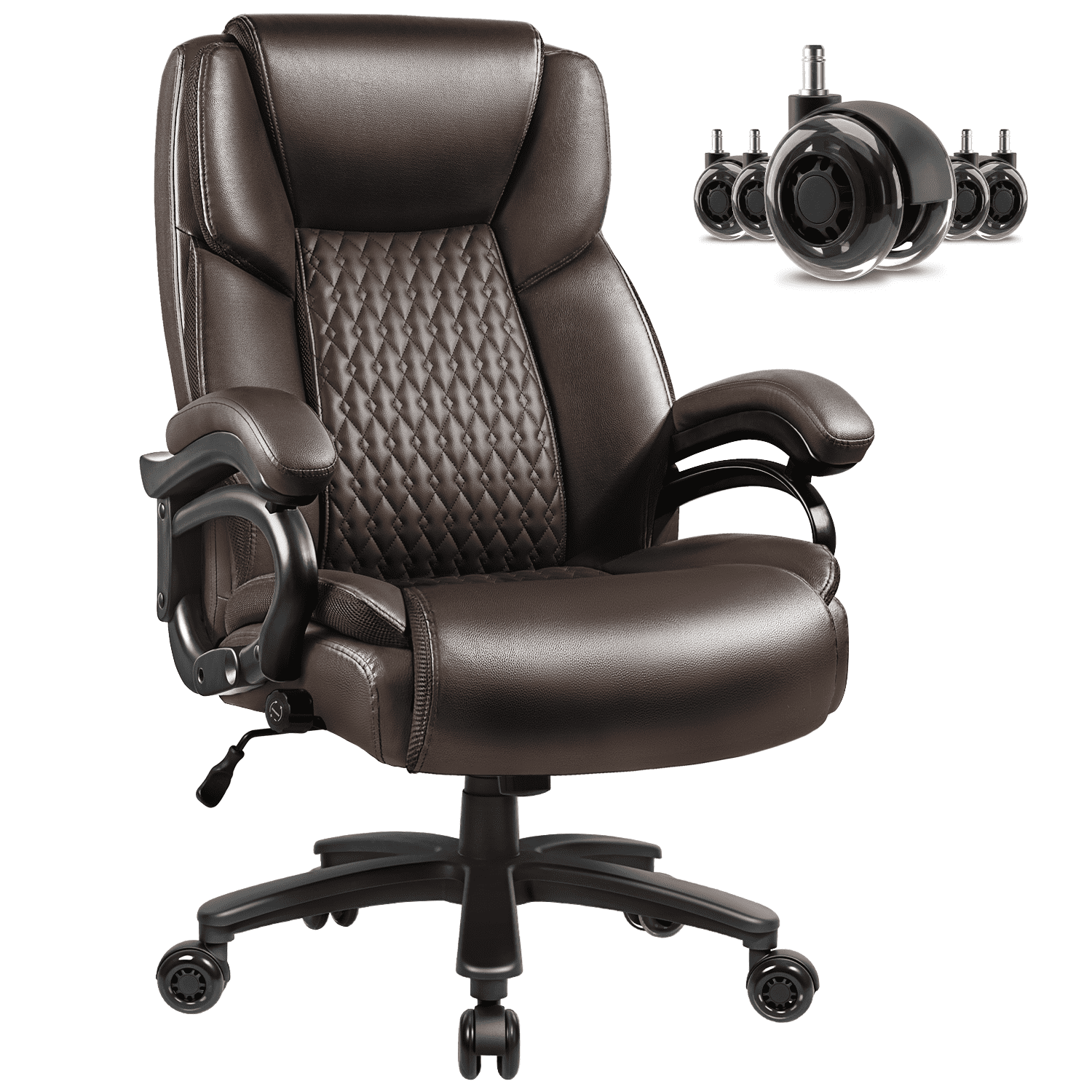
The XXL Office Chair: More Than Just a Bigger Seat
Imagine trying to fit into a suit that's two sizes too small. It restricts movement, creates pressure points, and looks uncomfortable. For millions of people with larger body frames, this is the daily reality with standard office chairs. An XXL office chair is not simply a standard chair with a few extra inches; it is a completely re-engineered piece of equipment. Think of it as the difference between a compact car and a heavy-duty pickup truck. Both will get you from point A to point B, but the truck is built with a reinforced frame, a more powerful suspension, and the capacity to handle a much heavier load safely and comfortably.
According to a study by the National Institute for Occupational Safety and Health (NIOSH), workers in the 85th percentile for weight and height are 3.5 times more likely to experience discomfort from poorly fitted seating. An XXL chair addresses this by providing a wider seat, taller backrest, and a robust frame that doesn't wobble or weaken over time. This isn't just about luxury; it's about safety, long-term health, and creating a workspace where you can be productive without physical distraction.
Anatomy of an XXL Office Chair: Key Engineering Differences
What truly sets an XXL chair apart? It's the unseen engineering. While a standard chair might look similar, the internal components are often the first to fail under higher stress. Let's break down the critical areas that are reinforced in a quality XXL office chair.
1. The Skeleton: Frame and Base Construction
The foundation of any XXL chair is its frame. You should never compromise here.
- Reinforced Steel Frame: Look for chairs that explicitly mention a reinforced or heavy-gauge steel frame. This prevents the chair from twisting or developing stress fractures over time. Wooden frames, common in budget chairs, are a definite no-go for XXL applications.
- Aluminum or Steel Base: The five-star base is what keeps you from tipping over. XXL chairs almost exclusively use die-cast aluminum or heavy-duty steel bases. These materials won't crack under pressure, unlike the nylon or plastic bases found on standard chairs. A visual clue: aluminum bases often have a polished, metallic look.
- Class 4 or 5 Gas Lift: The gas cylinder is responsible for raising and lowering the seat. A standard class 2 or 3 lift will likely fail. An XXL chair requires a Class 4 or 5 gas lift, which is certified to handle significantly more weight and provides a smooth, safe adjustment.
2. The Fit: Seat Dimensions and Cushioning
A common mistake is assuming "wider seat" is the only requirement. Proper fit involves multiple dimensions.
- Seat Width and Depth: Standard chairs offer a seat width of about 19-20 inches. XXL chairs typically start at 22 inches and can go up to 30 inches. This provides ample space for hips and thighs. Seat depth is equally important. Look for chairs with adjustable seat depth so you can ensure there's a 2-3 finger gap between the back of your knee and the seat edge, promoting healthy circulation.
- High-Density Foam: To prevent the "bottoming out" feeling after an hour of sitting, XXL chairs use high-density foam (often with a rating of 2.5 lbs per cubic foot or higher). This foam retains its shape and support for years. Some premium models incorporate a layer of memory foam or gel for added pressure relief.
- Reinforced Seat Edges: The waterfall edge (the front of the seat) needs to be reinforced so it doesn't collapse under weight, which can restrict blood flow to the legs.
3. The Support: Backrest and Lumbar
The backrest on an XXL chair is not just taller; it's structurally integrated to provide full-back support.
- Taller and Wider Backrest: A backrest height of at least 28-30 inches ensures support for the entire back, including the shoulders. The width should correspond to the seat width, often with slight contouring to provide lateral support.
- Heavy-Duty Lumbar Support: Lumbar support is even more critical for larger bodies. Look for adjustable lumbar support that is robust and can maintain its position. Some XXL chairs feature a separate, heavily padded lumbar cushion that can be adjusted for depth and height.
- Reinforced Tilt Mechanism: The mechanism that allows you to recline is under immense stress. In XXL chairs, this mechanism is built with thicker steel plates and stronger springs, ensuring smooth reclining without sudden drops or a wobbly feeling.
Quick Reference: XXL vs. Standard Chair Components
| Component | Standard Office Chair | XXL Heavy-Duty Chair |
|---|---|---|
| Frame Material | Wood or thin-gauge steel | Reinforced, heavy-gauge steel |
| Base Material | Nylon / Plastic | Die-cast Aluminum or Steel |
| Gas Lift Class | Class 2 or 3 | Class 4 or 5 |
| Seat Width | 19 - 20 inches | 22 - 28 inches |
| Weight Capacity | Up to 250 lbs | 300 - 500+ lbs |
Step-by-Step: How to Choose Your Perfect XXL Office Chair
Selecting the right chair can feel overwhelming. Follow this simple guide to make the process systematic and stress-free.
- Step 1: Weigh and Measure. Know your exact weight and take a few key measurements: your hip width (while seated), your height, and the height of your desk. Write these down.
- Step 2: Determine the Required Capacity. Always add a safety buffer. If you weigh 280 lbs, don't buy a chair rated for 300 lbs. Aim for a chair rated at least 350-400 lbs. This ensures the components aren't constantly operating at their maximum limit, prolonging the chair's life.
- Step 3: Match Dimensions to Your Body. Use your hip width to find a seat pan that offers at least 1-2 inches of space on each side. Your height will determine the required backrest height.
- Step 4: Prioritize Critical Adjustments. For an XXL user, non-negotiable adjustments are: seat height (to match your desk), seat depth (for proper thigh support), and adjustable lumbar support. 4D armrests (height, width, depth, pivot) are a huge bonus for customizing your fit.
- Step 5: Read Reviews for Real-World Feedback. Look for reviews from users with a similar body type. Pay attention to comments about long-term durability, seat cushion firmness, and whether the chair feels stable over time.
Material Matters: Leather vs. Mesh for XXL Chairs
The debate between leather and mesh takes on new dimensions in the XXL category. Here's a quick comparison tailored for larger users:
✅ Premium Leather/Bonded Leather
- Pros: Exceptional durability, easy to clean, molds to body shape over time, projects a professional look. Leather doesn't stretch, providing consistent support.
- Cons: Can be less breathable, may feel hot in summer, requires occasional conditioning to prevent drying out. Top-grain leather is very expensive.
✅ High-Grade Mesh
- Pros: Extremely breathable, excellent for temperature regulation, conforms to the back's shape, often lighter in weight.
- Cons: The mesh must be of very high quality to prevent sagging under heavy weight. The frame must be exceptionally strong to hold the mesh taut. Can be harder to clean if dust gets in the weave.
Verdict: If you prioritize a traditional, executive look and maximum long-term durability, high-quality leather is a fantastic investment. If you work in a warm environment or tend to get hot easily, seek out a chair with a heavy-duty mesh back and a leather or fabric seat, combining breathability with durability.
Frequently Asked Questions About XXL Office Chairs
Final Verdict: Invest in Your Foundation
Choosing an XXL office chair is a decision about your health, comfort, and professional presence. It's an investment in a foundation that supports you for thousands of hours. Don't let a poorly designed chair become a source of distraction or, worse, injury. By focusing on the engineering—the steel frame, the aluminum base, the high-density foam—you're not just buying a place to sit; you're buying a tool that enables you to perform at your best. Prioritize safety, seek out robust construction, and choose the materials that fit your environment. Your body will thank you.