
Why Standard Office Chairs Fail Short Individuals
Imagine sitting at your desk, but your feet dangle like a child on an adult chair, or the seat pan presses against the back of your knees until they feel numb. For millions of shorter individuals—typically under 5'4"—this is a daily reality. A comfortable office chair for short person isn't a luxury; it's a necessity for productivity and long-term health.
According to ergonomic data from the National Institute for Occupational Safety and Health (NIOSH), a mismatch between chair dimensions and body size is a leading cause of workplace discomfort. When a chair is too big, you lose lumbar support, your shoulders hunch to reach armrests, and circulation to your legs is restricted. This guide is your roadmap to finding a chair that fits you—not the other way around.
Key Ergonomics for Petite Office Seating
Before you start shopping, understand the three non-negotiable adjustments that define a comfortable office chair for short persons.
1. Seat Height: The Foundation of Fit
The ability to place your feet flat on the floor is the most basic requirement. Standard pneumatic cylinders often have a minimum seat height of 17-18 inches, which is too high for someone with a 28-inch inseam. Look for a chair that adjusts down to at least 15-16 inches. Some manufacturers offer a "short cylinder" option that reduces the minimum height further.
- Target range: 15 to 17.5 inches from floor to seat top.
- Measurement tip: Measure your lower leg length (from floor to the back of your knee). Subtract 1-2 inches for the ideal seat height.
- If you can't find a low enough chair: A high-quality footrest is an acceptable compromise, but adjustable seat height is always preferred.
2. Seat Depth: Avoiding "Short Thigh Syndrome"
This is arguably the most overlooked feature. A deep seat (19-21 inches) forces a short person to choose between two bad options: sit with their back against the backrest with pressure behind the knees, or scoot forward and lose all lumbar support. The ideal seat depth for a petite person is 16-17 inches. If a chair has a depth adjustment feature, you can slide the pan forward or backward to customize the fit.
- The 2-finger test: When sitting fully back, you should have 2-3 finger widths of space between the back of your calf and the edge of the seat.
- Waterfall edge: A curved, soft front edge relieves pressure on thighs, a must-have if the depth is slightly long.
3. Backrest Height and Lumbar Support
A backrest that's too tall can be annoying, but a bigger problem is lumbar placement. Lumbar support built for an average-height person will hit a short person in the middle of the back or even the shoulders. You need a chair where the lumbar support is vertically adjustable, allowing you to move it down to the natural curve of your lower spine.
- Short-back chairs: Mid-back chairs often fit petite frames better than high-back executive models.
- Independent lumbar adjustment: Prioritize chairs where the lumbar pad moves up and down independently from the backrest.
4. Armrest Adjustability: 4D is Your Friend
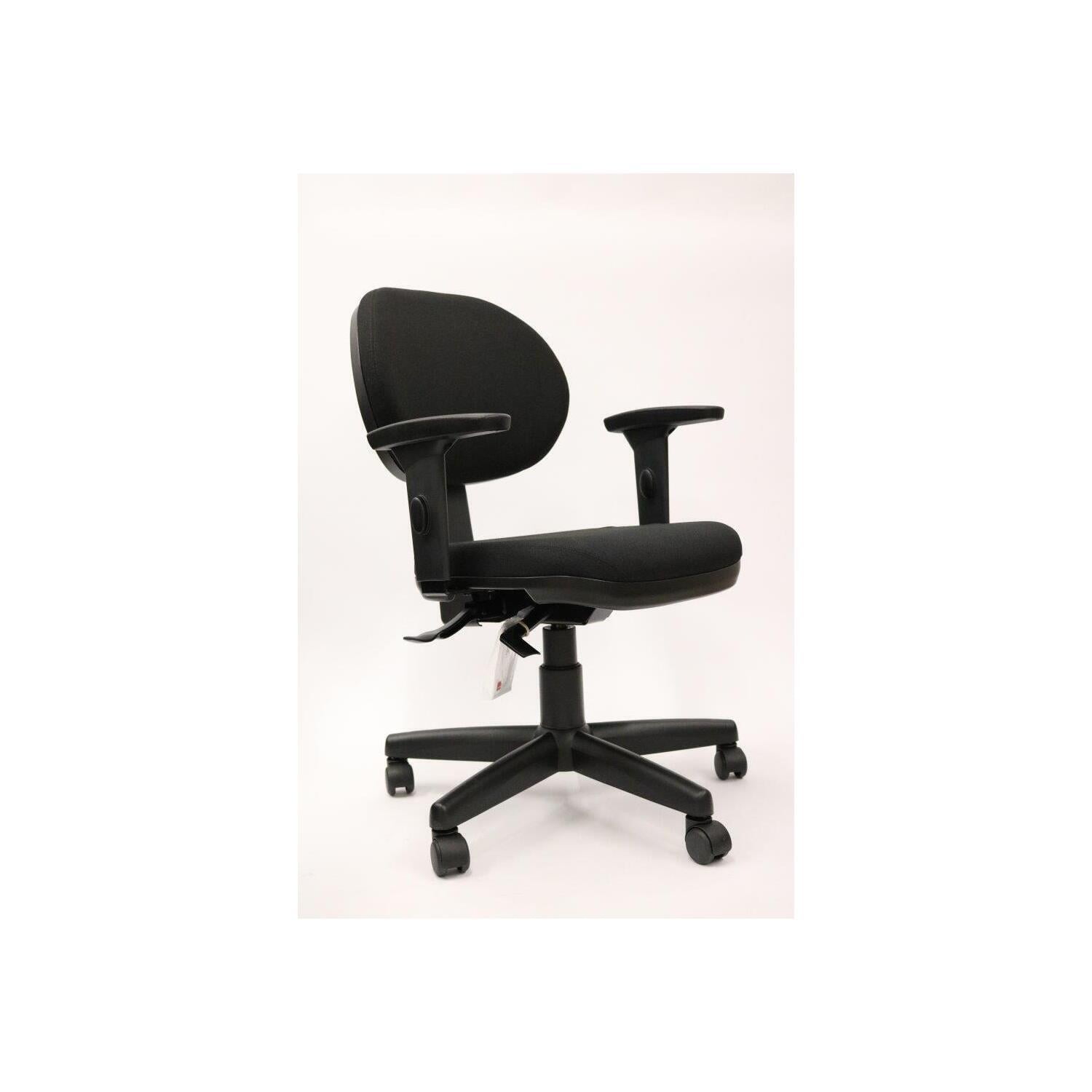
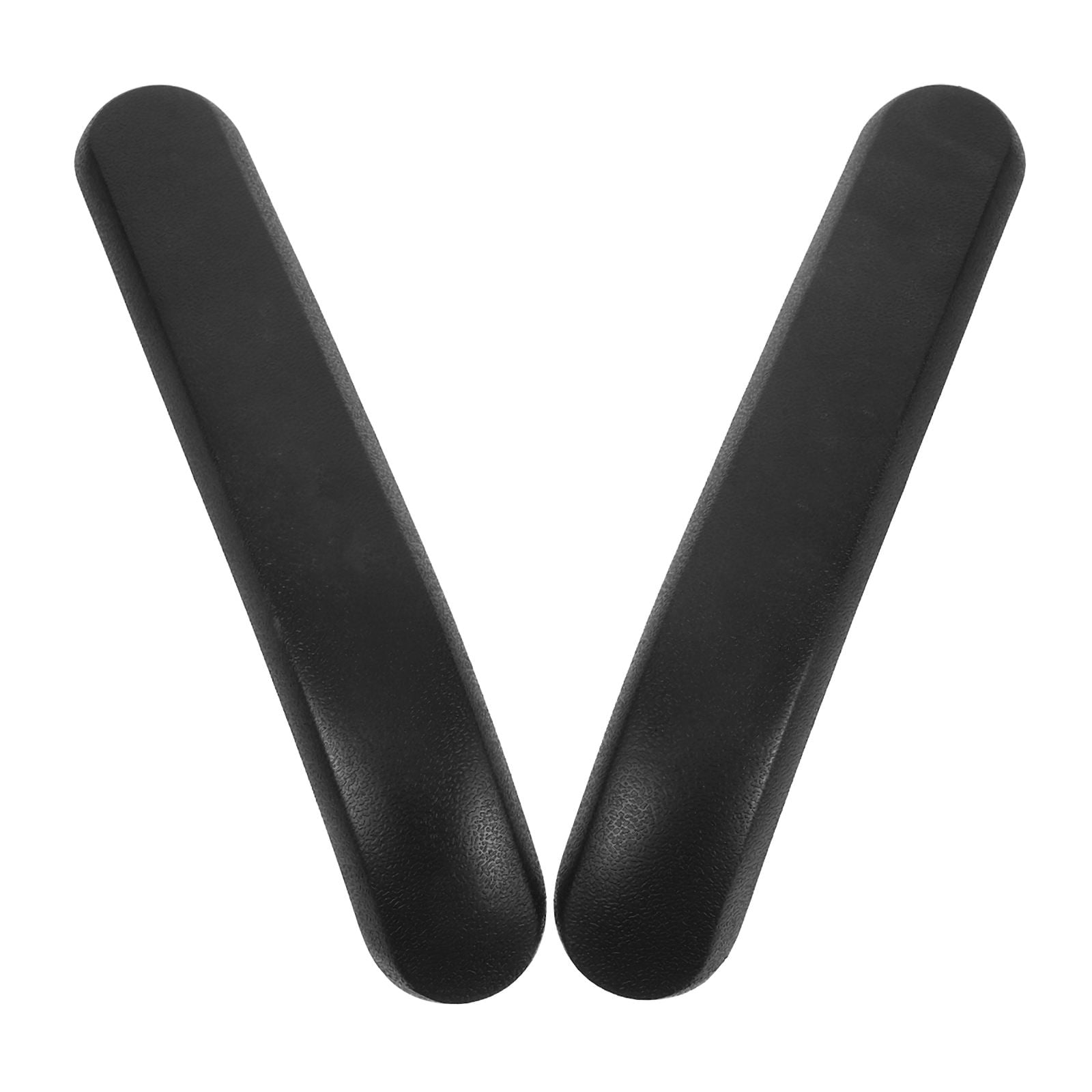
Fixed armrests are almost always too wide and too high for shorter users. This leads to "shoulder shrugging" and neck tension. The best comfortable office chair for short person will have 4D armrests, meaning they adjust up/down, left/right, forward/back, and pivot. At a minimum, look for height-adjustable and width-adjustable armrests so you can bring them in close to your body.
🧠 Think of your chair like a tailored suit: A $2,000 off-the-rack suit looks cheap if it doesn't fit. Similarly, a high-end chair with the wrong dimensions will never be comfortable. The goal isn't just "features"—it's a chassis that matches your unique proportions. For a short person, a chair with a low seat height and shallow depth is like a custom-tailored garment: it supports you perfectly, allowing you to move with ease.
Specific Challenges for Short Persons (And How to Solve Them)
Beyond the basic dimensions, here are real-world problems and the features that solve them:
| Challenge | Consequence | Solution Feature |
|---|---|---|
| Feet don't touch the floor | Increased pressure on thighs, poor circulation, and instability. | Low-minimum-height cylinder (15-16") or use a stable footrest. |
| Seat pan hits behind knees | Numbness, tingling, and tendency to slouch forward. | Adjustable seat depth (sliding mechanism) or a chair with a smaller fixed pan. |
| Lumbar support hits too high | No lower back support, leading to arching and pain. | Height-adjustable lumbar support or a backrest with a smaller vertical profile. |
| Armrests force shoulders up | Neck and shoulder strain, tension headaches. | 3D/4D armrests that lower significantly and move inward. |
| Headrest pushes head forward | Forward head posture, neck pain. | Headrests that adjust vertically and angle; or skip the headrest if it doesn't align with your cervical spine. |
Material and Comfort Considerations for Petite Users
While dimensions are critical, the material also affects comfort for shorter individuals. Since smaller frames may have different pressure points, material choice matters.
Breathable Mesh
- Why it works: Mesh conforms to smaller body contours without overwhelming the frame.
- Best for: Warm environments, those who want flexible back support.
- Caution: Ensure the mesh isn't too stiff; it should give slightly under pressure.
Memory Foam / Cushion
- Why it works: A softer seat can accommodate sit-bones of a lighter person without bottoming out.
- Best for: Long hours, those who prefer a "sinking in" feeling.
- Caution: Foam density matters; low-density foam wears out quickly for any weight.
Quick Reference: What to Look For
- Seat height range: 15" – 18.5" (lower is better)
- Seat depth range: 16" – 17.5" (or adjustable)
- Backrest height: 18" – 22" (mid-back often better)
- Armrest adjustment: Height and width adjustability minimum
- Weight capacity: Standard 250-300 lbs is fine; higher capacity often means larger frame dimensions, so avoid unless needed.
Frequently Asked Questions About Office Chairs for Short People
Conclusion: Invest in a Chair That Fits Your Frame
Finding a comfortable office chair for short person requires shifting your focus from brand names to specific measurements: seat height, seat depth, and adjustability. Don't settle for a one-size-fits-all model that leaves you perched on the edge. Prioritize chairs that offer short cylinders, adjustable seat pans, and armrests that move with you.
Remember, a properly fitted chair is an investment in your daily comfort and long-term spinal health. Use the product grid above to explore options that meet these criteria, and don't hesitate to check the detailed specifications before purchasing. Your body—and your productivity—will thank you.