
Beyond Basic Padding: The Pursuit of the Ultra Comfortable Office Chair
We've all been there. You buy a chair that looks professional, but by 3 PM, you're squirming, your hips ache, and your focus is shot. The problem isn't you; it's your chair. In today's world of extended work-from-home sessions and long strategic meetings, an ultra comfortable office chair isn't a luxury—it's a productivity tool and a health necessity. It's the difference between ending your workday feeling drained versus feeling ready for an evening with family. This guide dives deep into what truly makes a chair "ultra comfortable," moving past marketing hype to explore the science of support, the art of cushioning, and how to find your personal seating nirvana.
The Anatomy of "Ultra Comfort": It's More Than Just a Soft Seat
Think of an ultra comfortable office chair like a high-end running shoe. It's not just about plush cushioning; it's about how that cushioning works with support structures to cradle your foot perfectly. The same principle applies to your chair. True, all-day comfort is a symphony of several key components working in harmony.
1. The Cushioning Conundrum: Foam, Gel, and Memory Foam
The seat is your foundation. A chair that's too hard creates pressure points, cutting off circulation. A chair that's too soft allows you to sink in, misaligning your spine. The magic lies in layered foam technology.
Support Core (Base Layer)
This is typically made of high-density polyurethane foam. Its job is to provide a stable, resilient foundation that prevents you from bottoming out, even after hours of sitting. Think of it as the suspension system in a car.
Comfort Layer (Middle Layer)
Often made of a slightly softer foam or latex, this layer acts as a transition, absorbing initial pressure and providing a 'cradled' feeling without sacrificing the support from the core.
Conforming Layer (Top Layer)
This is where the 'ultra' comfort comes in. Materials like memory foam, gel-infused foam, or visco-elastic gel are used. They react to your body heat and weight, molding perfectly to your unique shape—like a handshake for your posterior. This eliminates pressure points on the tailbone and thighs.
2. The Suspension System: Mesh vs. Upholstered Comfort
The debate between mesh and upholstered chairs isn't about which is better, but which is better for *you*. Both can deliver 'ultra comfortable' experiences, just in different ways.
The Plush Upholstered Experience
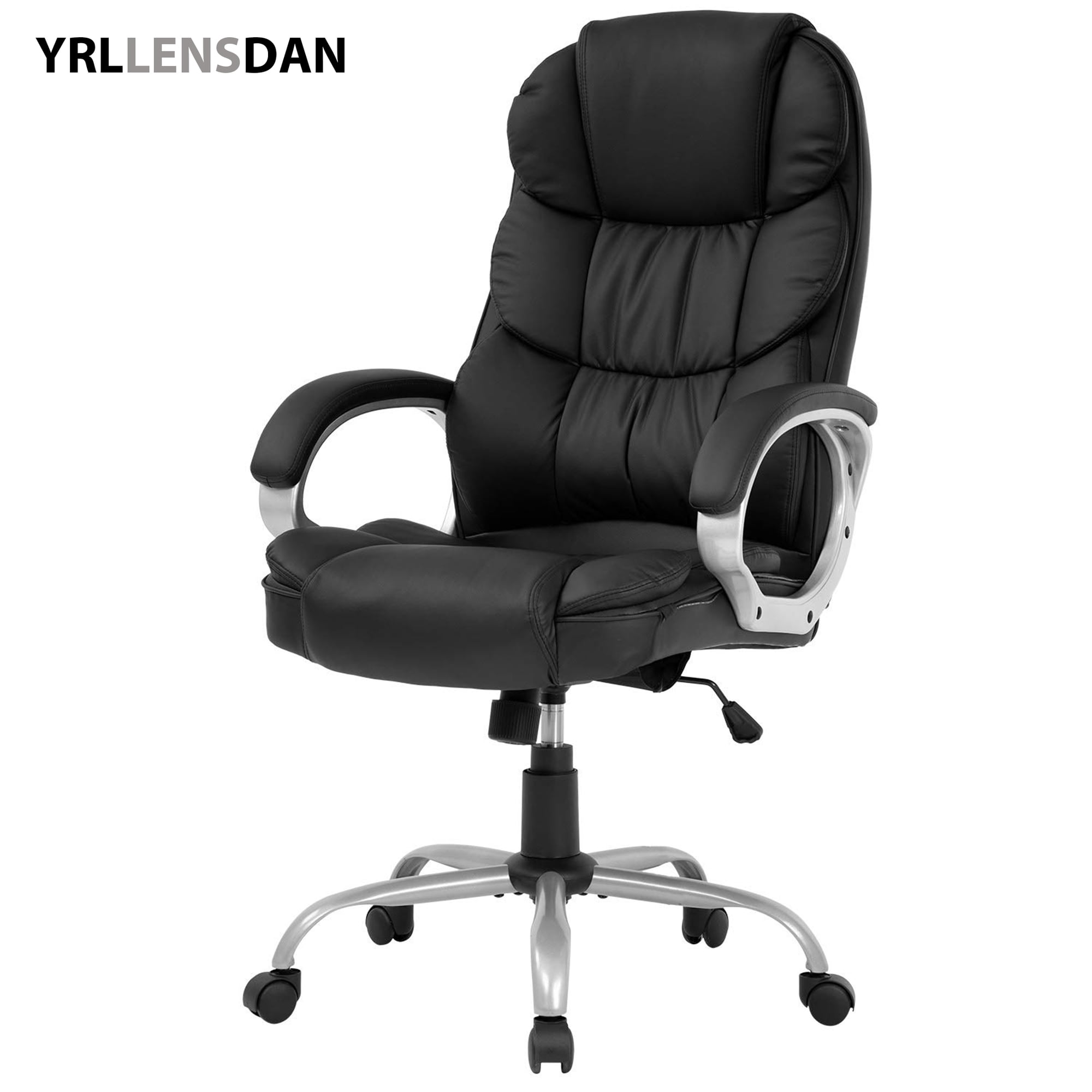
- Pros: Offers a sense of deep, enveloping softness. Premium leather or velvet upholstery adds a layer of tactile luxury. Excellent for cooler environments.
- Cons: Can retain heat. The level of support is entirely dependent on the quality of the foam layers beneath.
- Best For: Executives, people in air-conditioned offices, and those who prioritize a classic, luxurious feel.
The Dynamic Mesh Experience
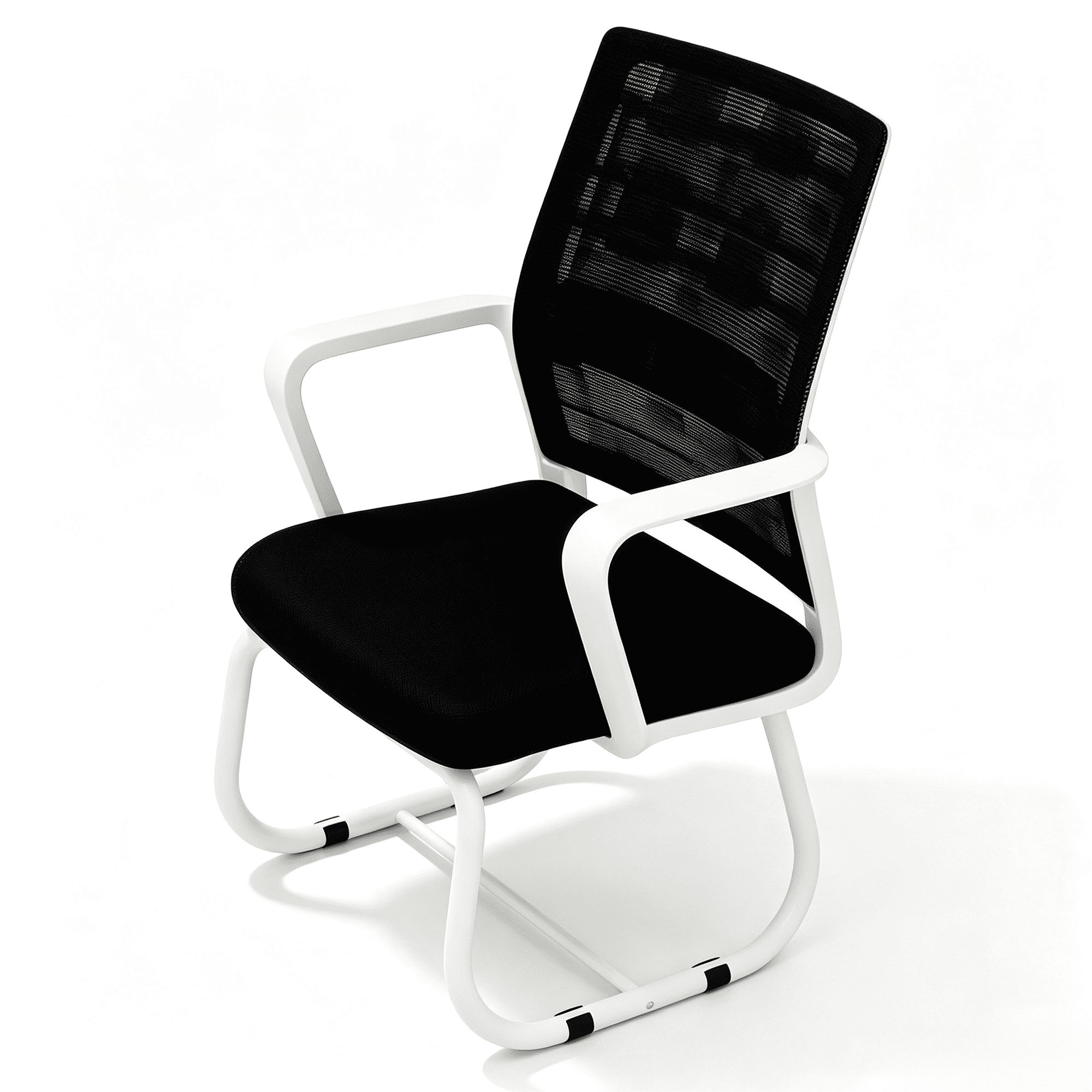
- Pros: Unmatched breathability. The mesh fabric stretches and responds to your every movement, providing 'dynamic' or 'suspension' comfort. It's like sitting in a supportive hammock.
- Cons: The initial feel is firmer and less 'sinky' than foam. The frame design is critical to prevent pressure points on the back.
- Best For: People who run hot, those in warmer climates, and fans of modern, ergonomic design.
3. Ergonomics: The Unsung Hero of Long-Term Comfort
You can have the plushest seat in the world, but if it forces you into a slouch, discomfort will find you. True, lasting comfort is 50% cushioning and 50% fit. This is where ergonomics saves the day. A truly ultra comfortable chair must have adjustments that allow you to customize it to your body like a tailored suit.
- Adjustable Lumbar Support (Depth & Height): This is non-negotiable. It fills the natural curve of your lower back, preventing the dreaded "C" shape that leads to pain. Some high-end chairs even have an air-bladder system for micro-adjustments.
- Seat Depth Adjustment: You should be able to slide the seat pan forward or backward. This ensures that you have 2-4 fingers of space between the back of your knee and the seat edge, supporting your thighs without cutting off circulation.
- 4D Armrests: Armrests that adjust up/down, left/right, forward/backward, and pivot take the strain off your shoulders and neck, allowing your arms to rest naturally while typing.
- Synchro-Tilt Mechanism: This allows the seat and backrest to move in a coordinated, weight-distributing ratio (often 2:1 or 3:1) as you recline. It keeps you supported and your feet on the floor, promoting dynamic sitting and reducing spinal pressure.
A Quick Comparison of Comfort Technologies
| Comfort Technology | Primary Benefit | The 'Ultra Comfort' Feeling |
|---|---|---|
| Multi-Layer Foam | Pressure distribution & support | Deep, 'sitting-in-a-cloud' plushness. |
| Gel-Infused Memory Foam | Conforming fit & temperature regulation | Cool, personalized cradling that hugs your curves. |
| Suspension Mesh | Breathability & dynamic response | Weightless, floating sensation with excellent airflow. |
| Adjustable Lumbar Systems | Spinal alignment & pressure relief | A firm, supportive presence exactly where your back needs it. |
4. The Material Touch: Upholstery's Role in Comfort
The material you touch and sit against plays a huge psychological and physical role in comfort.
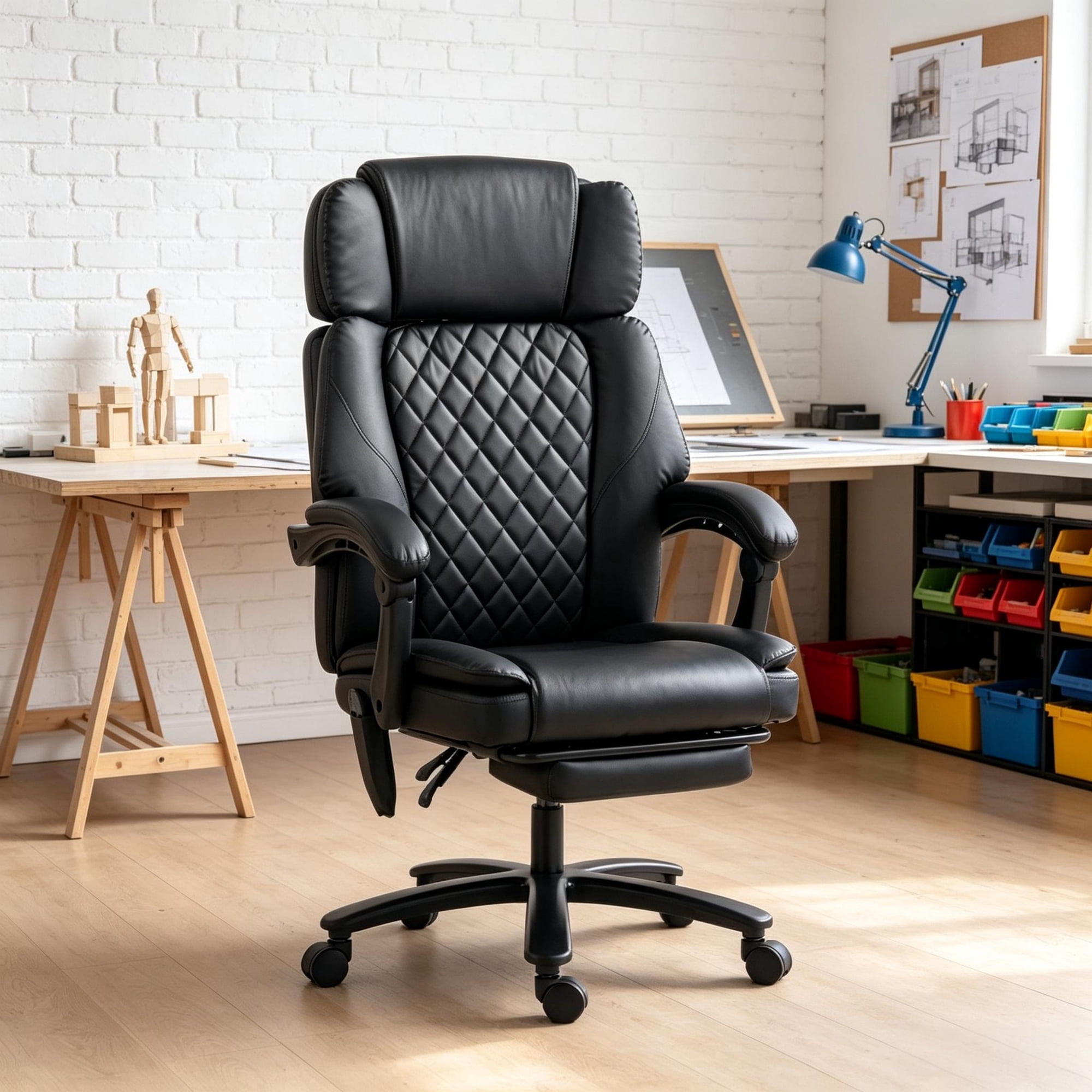
- Premium Leather: Offers a smooth, cool-to-the-touch feel that softens and develops a patina over time. It conveys a sense of quality and luxury.
- Breathable Fabric: Think high-end car interiors. These fabrics are often durable, soft, and allow for more air circulation than leather, preventing that sticky feeling.
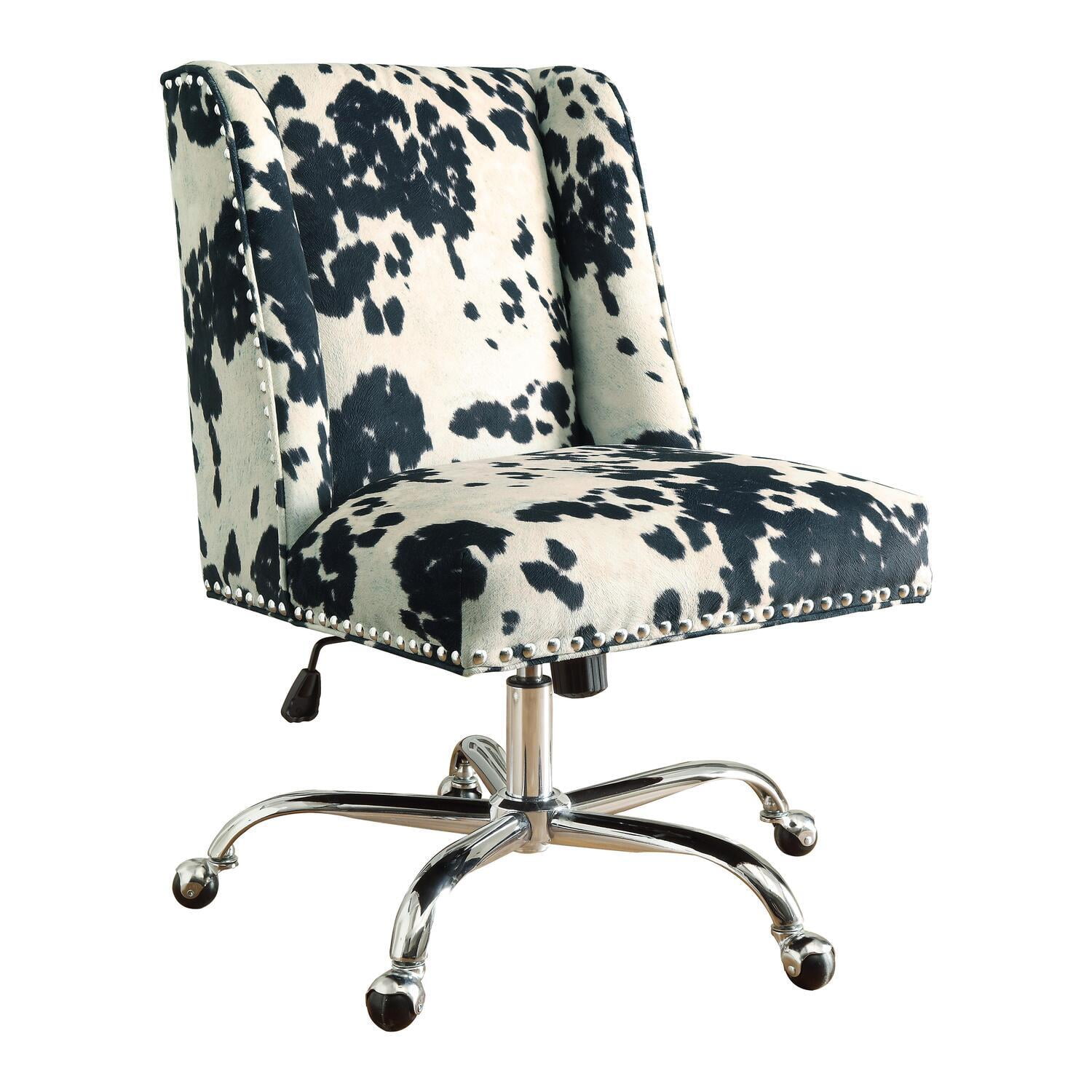
- Velvet or Chenille: For the ultimate in cozy, home-office vibes, these textiles offer a tactile softness that's incredibly inviting. They are perfect for a relaxed, creative workspace.
Frequently Asked Questions About Ultra Comfortable Office Chairs
Conclusion: Your Journey to All-Day Comfort Starts Now
Finding the perfect ultra comfortable office chair is a personal journey. It's about understanding your own body, your work habits, and what 'comfort' truly means to you—whether it's the deep plushness of layered memory foam or the dynamic, breathable support of high-tensile mesh. Remember, a chair is an investment in your daily well-being. By prioritizing a balance of intelligent cushioning, robust ergonomic adjustments, and quality materials, you're not just buying a place to sit; you're investing in your focus, your posture, and your energy levels for years to come. Use this guide as your roadmap, and don't be afraid to prioritize your comfort—you deserve it.
Final Thought: The best chair is the one you forget you're sitting in. Aim for that sweet spot where support and softness become one, allowing you to focus entirely on your work, not your aching back.