
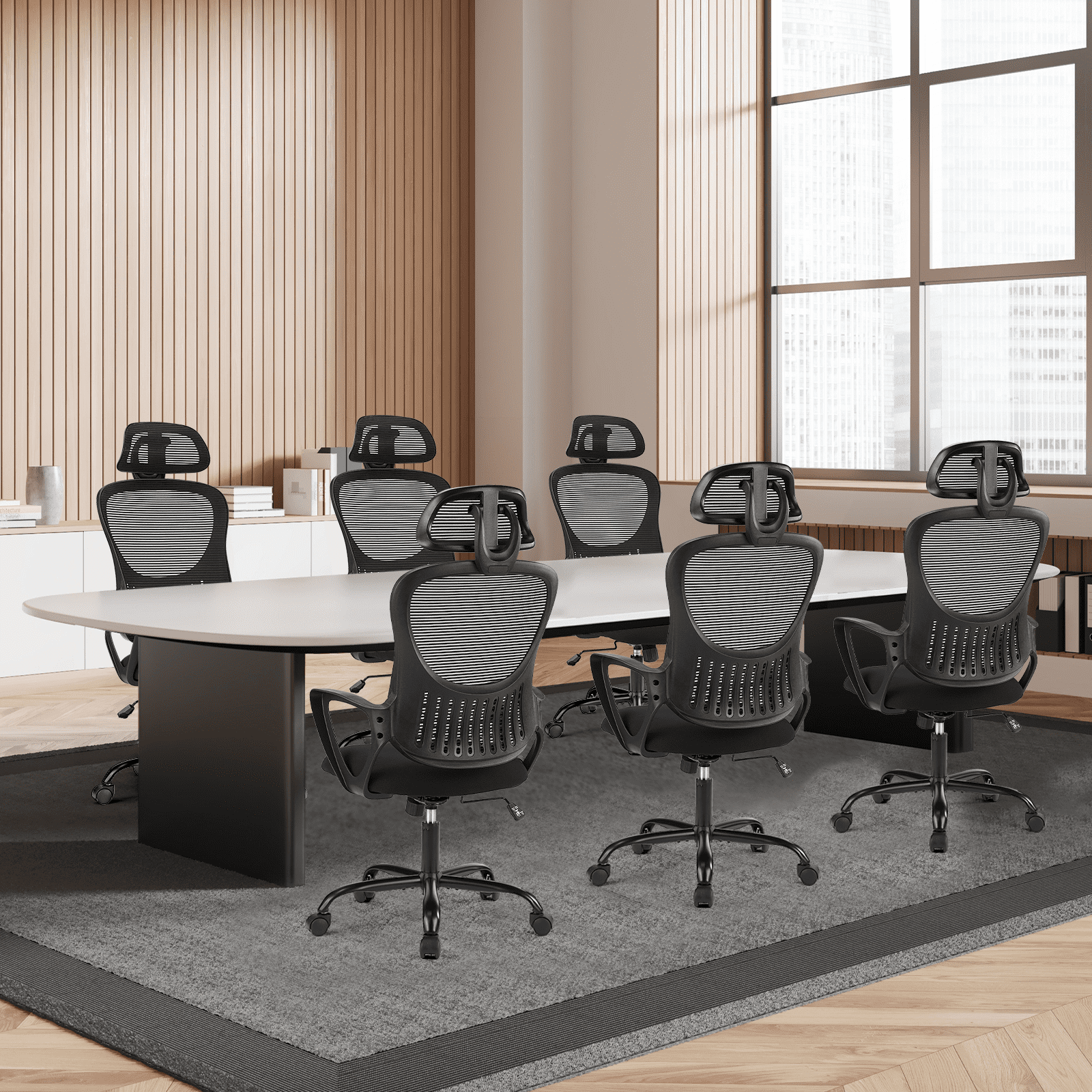
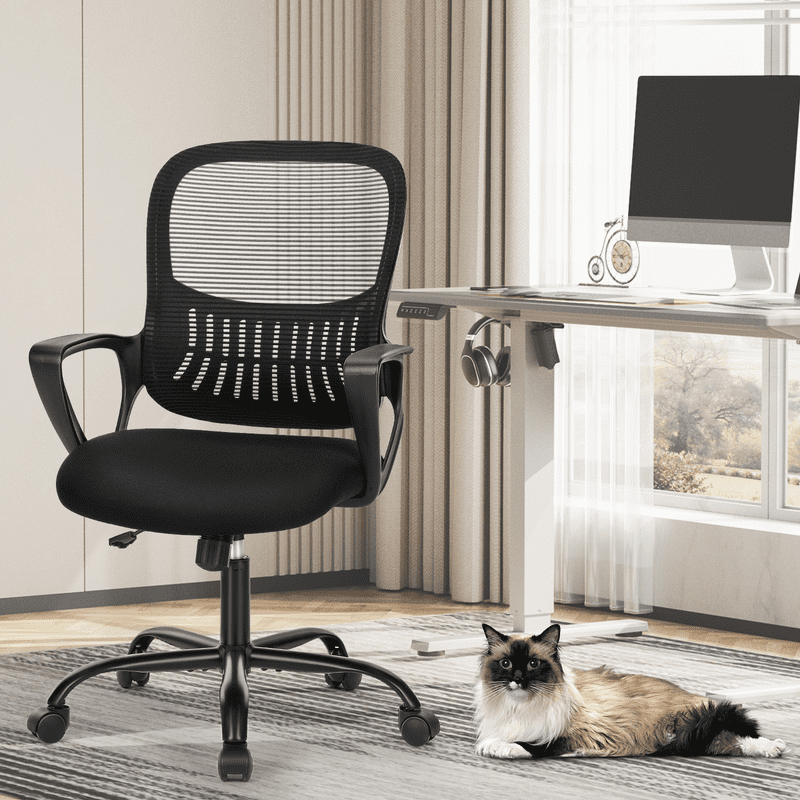
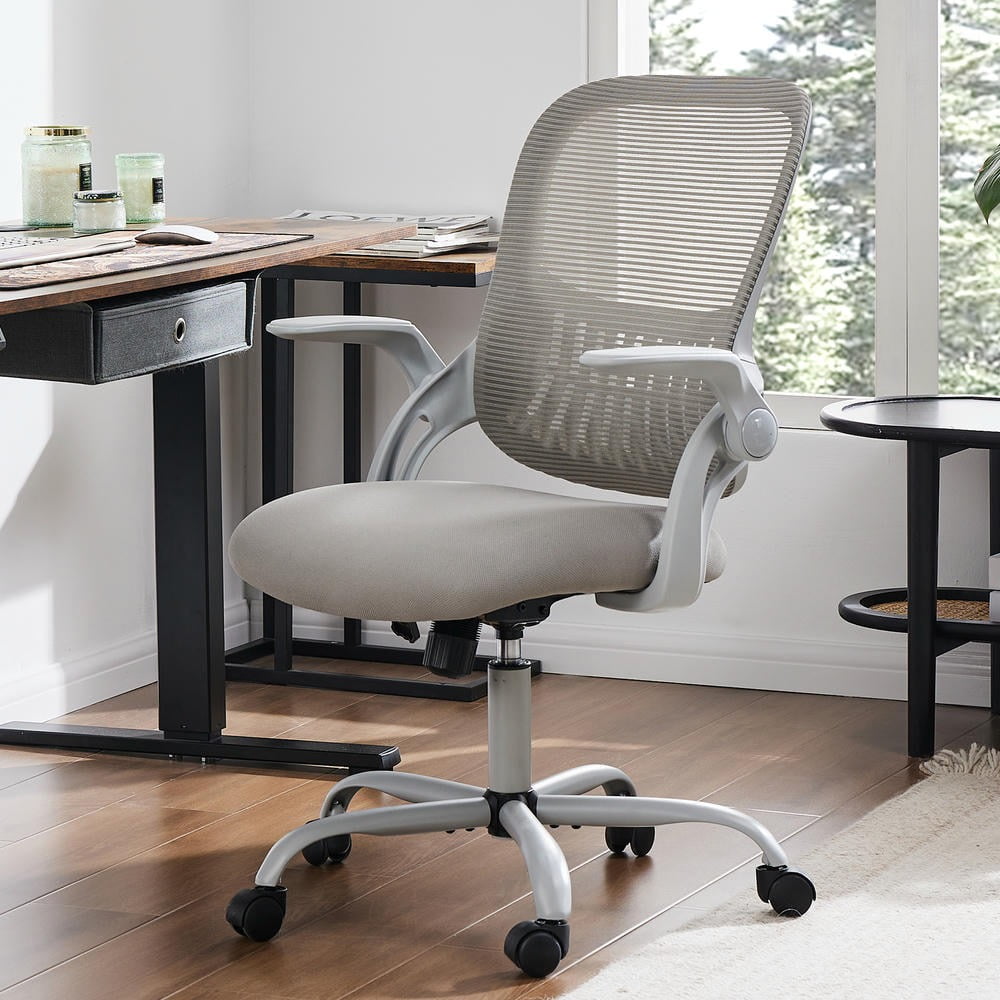
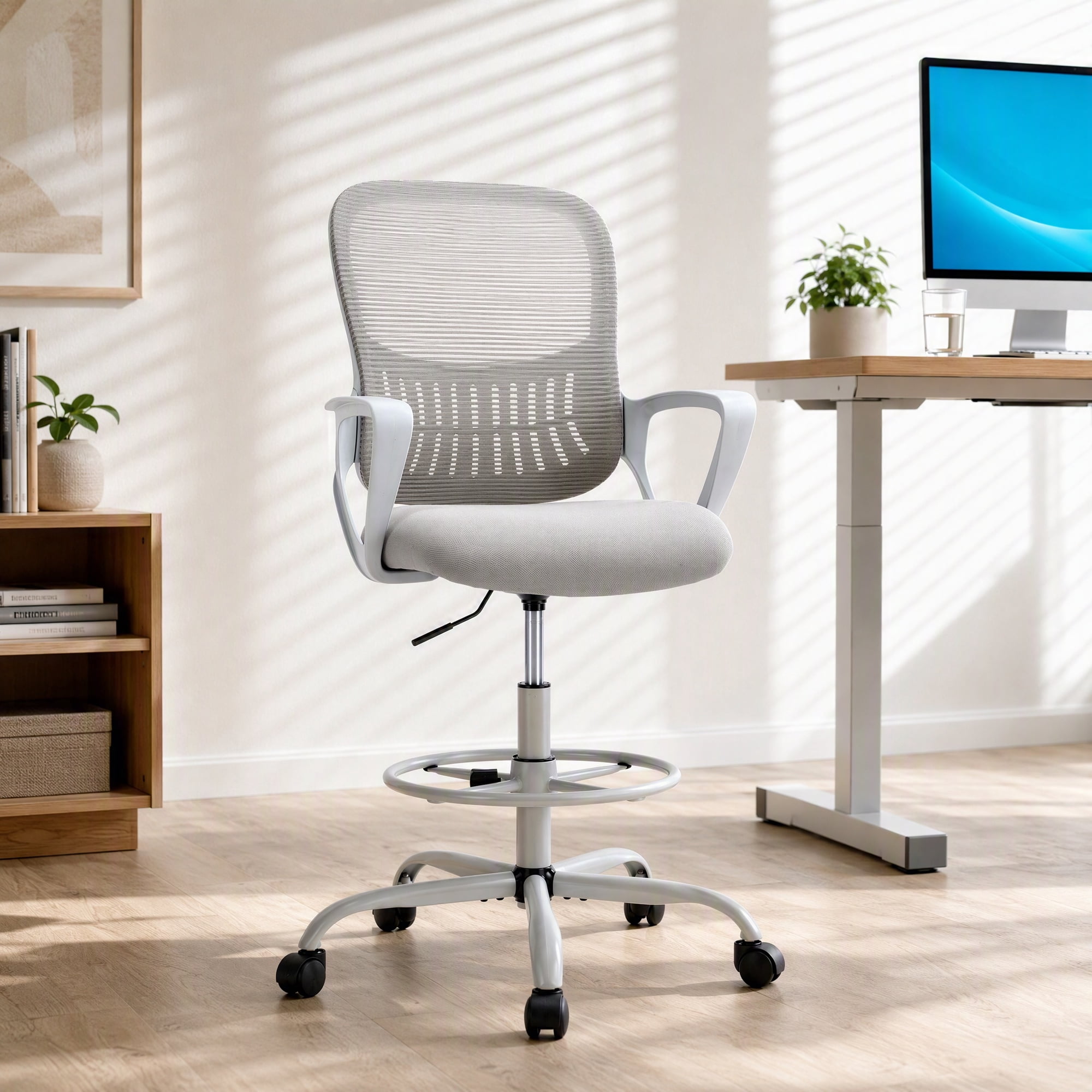
The Ultimate Guide to Adjustable Office Chairs for Standing Desks
The modern workplace is evolving, and with it, our approach to seating. The adjustable office chair for standing desk represents a paradigm shift in ergonomic design—a hybrid solution that acknowledges what chiropractors and health experts have been saying for years: the human body is designed to move, not to remain static in any single position for extended periods.
Research Insight: According to studies published in the International Journal of Environmental Research and Public Health, workers using sit-stand workstations with appropriate adjustable seating reported a 46% reduction in upper back and neck pain, and a 32% increase in self-reported productivity within just 4 weeks of adoption.
Think of your body like a finely tuned engine. Just as you wouldn't drive a sports car at the same RPM for hours on end, your body craves variation. An adjustable chair for your standing desk acts like a transmission—allowing you to shift gears throughout the day, engaging different muscle groups, changing your posture, and preventing the fatigue that comes from static positions.
Why Standard Office Chairs Fail at Standing Desks
Imagine trying to use a step stool to reach a high shelf—it works, but it's awkward and unstable. That's exactly what happens when you use a conventional office chair with a standing desk. Standard office chairs are engineered for one primary position: seated at approximately 29-30 inch desk height. When you raise your desk to standing height (typically 42-46 inches), these chairs become inadequate for several reasons:
- Limited height range: Most standard chairs max out at 22-23 inches seat height, leaving you perched awkwardly with feet dangling
- Stability issues: Chair bases aren't designed for stability at extended heights, creating safety concerns
- Poor ergonomics at mid-range: The relationship between seat pan, backrest, and armrests becomes compromised when the chair is fully extended
- Gas lift mechanisms: Standard gas lifts aren't rated for frequent, full-range adjustment, leading to premature failure
- Foot placement problems: At maximum height, your feet may not reach the floor properly, compromising posture
The "Goldilocks Zone" of Sit-Stand Seating
The ideal adjustable office chair for standing desk setups should allow you to find your perfect position at any desk height. Think of it as creating three distinct zones:
- Zone 1 (Traditional Seated): 18-22 inches seat height - full sitting position with feet flat
- Zone 2 (Perch Position): 23-27 inches seat height - semi-standing, engaging core muscles
- Zone 3 (Lean Support): 28-32 inches seat height - standing with light back support
Critical Features of Adjustable Chairs for Standing Desks
Height Adjustability Range
Minimum requirement: 20-28 inches seat height range
Premium standard: 19-31 inches with smooth pneumatic adjustment
Look for class 4 gas lifts rated for 50,000+ adjustment cycles
Quick-Adjust Mechanisms
Pneumatic lever: One-touch height changes while seated
Memory settings: Some premium chairs offer preset height positions
The adjustment should be smooth and responsive, not jerky or delayed
Stability Engineering
Base diameter: Minimum 28 inches for stability at height
Weighted base: Prevents tipping when leaning at standing height
Low center of gravity: Engineered specifically for extended positions
Foot Ring or Footrest
Adjustable foot ring: Essential for shorter users at standing height
360-degree rotation: Allows foot positioning changes throughout day
Some models include sliding footrests for additional support options
The Science Behind Active Sitting
Dr. James Levine, a pioneering researcher at the Mayo Clinic, coined the phrase "sitting is the new smoking." But the solution isn't simply standing all day—it's movement and variation. A study published in the Annals of Internal Medicine found that even among adults who exercise regularly, prolonged sitting was associated with negative health outcomes.
This is where the adjustable office chair for standing desk becomes revolutionary. It facilitates what ergonomists call "dynamic sitting"—the ability to change positions frequently throughout the day. Here's what happens in your body when you alternate between sitting and standing using a properly adjusted chair:
| Position | Muscles Engaged | Spinal Loading | Calorie Burn (per hour) |
|---|---|---|---|
| Full Sitting | Minimal - primarily backrest support | Highest disc pressure | 70-85 calories |
| Perch Position (semi-stand) | Core stabilizers, leg muscles engaged | Reduced lumbar pressure by 35% | 90-110 calories |
| Standing with Lean Support | Full leg engagement, active core | Natural spinal alignment | 120-140 calories |
Types of Adjustable Chairs for Standing Desks
Not all adjustable chairs are created equal. The market offers several distinct categories, each suited to different work styles and preferences:
1. Height-Adjustable Task Chairs
These resemble traditional office chairs but with extended height ranges and reinforced construction. They typically feature full backrests, armrests, and all the ergonomic adjustments of premium office chairs. Best for users who want traditional comfort with standing desk compatibility.
2. Standing Desk Stools (Perch Stools)
Minimalist designs with small seats and no backrests, these encourage active sitting and make standing feel natural. They often feature foot rings and quick-adjust mechanisms. Ideal for users who primarily stand but want occasional relief.
3. Lean-Forward Active Chairs
Innovative designs like kneeling chairs or saddle seats that promote open hip angles and natural spinal alignment. Many are height-adjustable for standing desk use. Popular among users with lower back issues.
4. Convertible Sit-Stand Chairs
The newest category featuring chairs that transform—some with seats that flip up to become leaning supports, others with backs that fold down. Maximum flexibility for dynamic workspaces.
Key Adjustment Points for Perfect Ergonomics
When setting up your adjustable office chair for standing desk use, follow this 5-point checklist for each position:
- Seat Height (Sitting): Thighs parallel to floor, feet flat, knees at 90 degrees
- Seat Height (Perching): Thighs angled slightly down (15-20 degrees), feet firmly planted, hips above knees
- Seat Depth: 2-4 finger gap between back of knee and seat edge in all positions
- Backrest Angle: 100-110 degrees for sitting, 90-95 degrees for perching
- Armrest Height: Elbows at 90 degrees, shoulders relaxed in both sitting and perching
Material Considerations for Sit-Stand Chairs
The materials used in adjustable chairs for standing desks face unique challenges—frequent adjustment, varied positions, and different pressure points. Here's what to look for:
Breathable Mesh
Ideal for active users who generate heat during position changes. Mesh backs provide excellent ventilation and conform to body shape. Look for high-density mesh rated for 10+ years of use.
Performance Fabric
Modern synthetic fabrics offer durability, stain resistance, and consistent comfort across temperatures. Many are made from recycled materials and offer 100,000+ double-rub durability ratings.
Premium Leather
While beautiful, leather can be less practical for sit-stand applications due to temperature sensitivity and potential sliding at perch positions. If choosing leather, look for perforated options for breathability.
Memory Foam Cushioning
Critical for comfort during extended sitting periods. High-density memory foam (5lb+ density) maintains support through thousands of sit-stand cycles without breaking down.
The Cost-Benefit Analysis
Investing in a quality adjustable office chair for standing desk represents a significant decision. Here's how to evaluate the return on investment:
| Price Tier | Expected Features | Typical Lifespan | Best For |
|---|---|---|---|
| $200-$400 | Basic height adjustment (20-26"), standard gas lift, limited ergonomic features | 2-4 years | Occasional standing desk users, home offices |
| $400-$800 | Extended height range (19-28"), reinforced base, better materials, 4D armrests | 5-7 years | Regular sit-stand users, professional offices |
| $800-$1,500 | Premium height range (19-31"), class 4 lift, advanced ergonomics, memory functions | 8-12 years | Daily active users, executives, health-focused professionals |
Health Benefits Beyond Posture
The advantages of using a properly adjusted chair with your standing desk extend far beyond spinal health:
Improved Circulation
Alternating positions prevents blood pooling in legs, reducing risk of DVT and varicose veins
Better Glucose Regulation
Studies show alternating sit-stand reduces post-meal blood sugar spikes by up to 43%
Enhanced Mental Focus
Position changes increase blood flow to brain, improving cognitive function and creativity
Reduced Fatigue
Dynamic positioning prevents the afternoon energy crash common with static sitting