

The Rise of Upholstered Comfort in Modern Offices
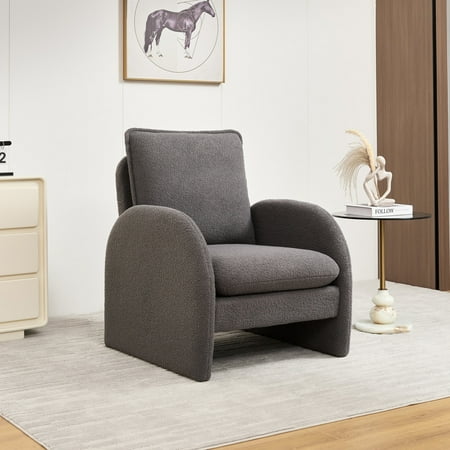
Gone are the days when office chairs were purely utilitarian, with stiff backs and minimal padding. Today's professionals seek a blend of style and well-being, making the comfortable upholstered office chair a centerpiece of the modern workspace. These chairs are designed to feel like a sanctuary, offering a soft, inviting place to tackle your daily tasks. Unlike their mesh or hard plastic counterparts, upholstered chairs provide a sense of warmth and coziness that can transform your work experience from draining to delightful.
Ergonomic Insight: A study by the Furniture Industry Research Association indicates that perceived comfort, often associated with soft-touch materials and adequate padding, can reduce muscle tension by up to 25% and improve overall job satisfaction. This makes the choice of upholstery not just an aesthetic decision, but a factor in productivity and well-being.
Anatomy of a Comfortable Upholstered Office Chair
What exactly elevates a simple padded chair to a throne of comfort? It's a synergy of several key components working in harmony. Understanding these elements will help you make an informed choice that keeps you comfortable for years.
1. High-Resiliency Foam Core
The heart of any comfortable chair is its cushioning. Look for high-density foam that resists flattening over time. Some premium chairs use multi-layer foam, with a firmer base for support and a softer top layer for immediate comfort. Memory foam or gel-infused foam layers add a contouring, pressure-relieving feel.
2. Ergonomic Contouring
A shapeless blob of foam isn't comfortable for long. The best chairs have a sculpted seat pan that supports your thighs without pressure behind the knees, and a backrest that follows the natural 'S' curve of your spine. Built-in lumbar support within the upholstery is a crucial feature for all-day comfort.
3. Breathable & Soft Fabric
Upholstery fabric plays a dual role: comfort and climate control. Breathable fabrics like high-quality polyester blends, linen, or specially treated microfiber allow air circulation, preventing that sticky, hot feeling. The texture should be soft to the touch but durable enough to withstand daily use.
4. Generous Padding Thickness
While a chair shouldn't be so soft that you sink to the base, adequate padding thickness is key. A seat cushion should ideally be at least 3-4 inches thick to provide a 'cloud-like' buffer between you and the hard seat pan. Backrests benefit from at least 2 inches of padding, especially in the lumbar region.
Exploring Upholstery Materials: Finding Your Perfect Match
The type of upholstery dramatically affects the chair's feel, durability, and maintenance. Here’s a breakdown of popular choices for comfortable office seating.
Performance Fabric
Best for: High-traffic home offices, families with kids or pets.
Modern performance fabrics are engineered to be stain-resistant, fade-resistant, and incredibly durable. They often mimic the softness of natural fibers but offer the easy-clean benefits of synthetics. They strike an excellent balance between comfort and practicality.
Velvet & Chenille
Best for: Adding a touch of luxury, style-focused home offices.
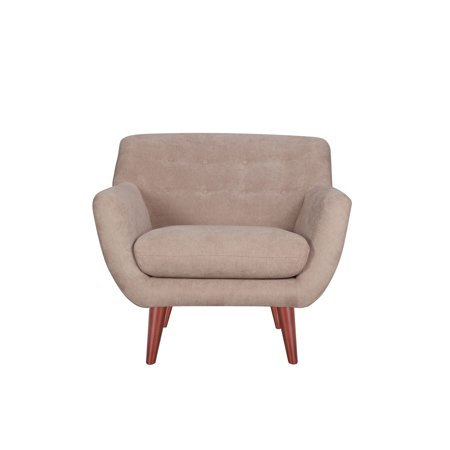
Velvet chairs are undeniably stylish and irresistibly soft to the touch. They add depth and texture to a room. However, they can show wear patterns (pile crushing) over time and may require more careful cleaning. Chenille offers a similar plush feel with a bit more durability.
Leather & Faux Leather
Best for: A classic, executive look, easy wipe-clean surfaces.
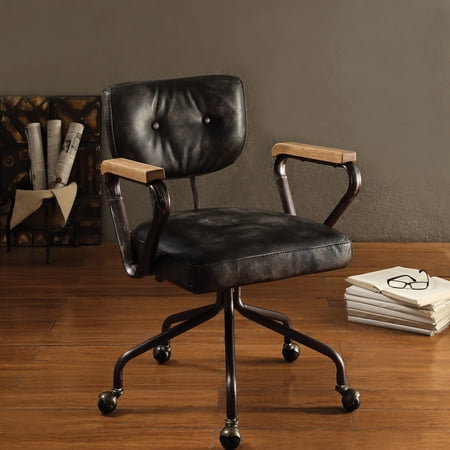
While not 'fabric', leather is a form of upholstery. High-quality leather is incredibly comfortable as it softens and conforms to your body over time. Faux leather is budget-friendly and easy to clean but may not breathe as well and can crack over time. For true comfort in leather, look for chairs with generous padding underneath.
Breathable Mesh Hybrids
Best for: Those who want back breathability with a padded seat.
Many modern chairs combine a breathable mesh back with a generously upholstered seat. This offers the best of both worlds: a cool, supportive back and a comfortable, cushioned seat. These hybrids are becoming increasingly popular for all-day comfort.
Step-by-Step Guide: Choosing Your Ideal Upholstered Chair
Navigating the world of comfortable seating doesn't have to be complicated. Follow this simple guide to find the chair that will be your perfect work companion.
Step 1: Define Your 'Comfort'
Sit in different types of chairs if possible. Do you prefer a firm, supportive feel that holds you in place, or a soft, sink-in-and-relax sensation? Your answer will guide you toward the right foam density and upholstery style. Think of it like choosing a mattress.
Step 2: Measure Your Space & Body
- Seat Width & Depth: Ensure the seat is wide enough for comfortable movement. The seat depth should leave 2-3 inches between the back of your knees and the seat edge.
- Backrest Height: Consider whether you need a high-back chair for full shoulder and head support, or a mid-back chair for more freedom of movement.
- Room Aesthetics: Measure your desk height and the space behind you to ensure the chair fits physically and visually.
Step 3: Prioritize Adjustability for Ergonomic Fit
A comfortable chair must also be an ergonomic one. Don't sacrifice adjustability for looks. Essential adjustments include:
- Seat Height Adjustment: Pneumatic lever to ensure your feet are flat on the floor.
- Tilt Tension Control: Allows you to adjust how easily the chair reclines.
- Adjustable Armrests: Ideally 2D or 3D armrests (height and width) to support your arms without hunching your shoulders.
- Lumbar Support: Even a built-in, non-adjustable lumbar curve is better than none, but adjustable is best.
Step 4: Assess Durability & Construction
Look under the hood (or the seat). A solid metal or hardwood frame is a sign of longevity. Check the weight capacity, which should be at least 250-300 lbs for standard models. Read reviews to see if users report the foam flattening or the fabric pilling after a few months.
Long-Term Comfort: Maintenance and Care
To keep your upholstered office chair feeling and looking its best for years, a little routine care goes a long way.
- Regular Vacuuming: Use an upholstery attachment weekly to remove dust, crumbs, and pet hair that can work their way into the fabric and foam.
- Immediate Spot Cleaning: For spills, blot (don't rub) with a clean, dry cloth immediately. Use a mild upholstery cleaner or a mixture of water and a drop of dish soap for tougher spots. Always test on a hidden area first.
- Fluff and Rotate: If possible, gently fluff the seat cushions periodically. While you can't rotate an office chair easily, you can be mindful of how you sit to distribute wear evenly.
- Protect from Direct Sunlight: Prolonged exposure to direct sun can fade upholstery fabrics over time. Position your chair away from harsh sunlight or use window coverings.