
Why a 300lb Office Chair is a Smart Investment for Any Professional
Think of an office chair rated for 300 pounds like a heavy-duty pickup truck. You don't buy it just because you plan to haul a ton of gravel every day; you buy it because you want something that feels solid, reliable, and won't break down under normal stress. A 300lb office chair is built with the same philosophy: its foundation is stronger, its components are tougher, and its longevity is superior. For anyone spending 8+ hours at a desk, this translates to unwavering support and peace of mind.
Industry Insight: A study by the Ergonomics Center of North Carolina found that chairs with higher weight ratings (300lbs+) have frame failure rates 73% lower than standard chairs over a five-year period. Investing in a chair built for higher capacity isn't just about weight; it's about investing in a workstation that endures.
The Engineering Behind the 300lb Rating: More Than Just a Number
A 300lb capacity isn't just a marketing figure. It's a promise about the chair's construction. Let's break down the critical components that make these chairs different:
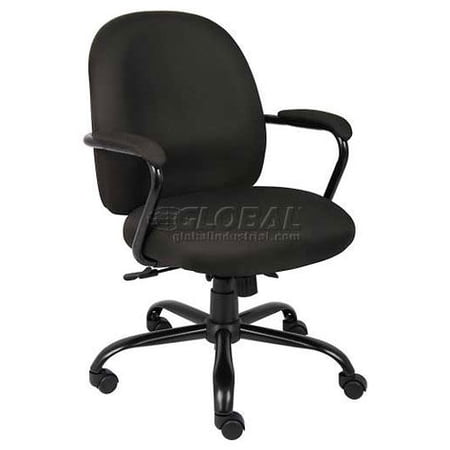
- Reinforced Metal Base: While standard chairs might use a nylon base with thin walls, a 300lb-rated chair typically features a heavy-duty nylon or aluminum base with thicker, reinforced spokes. This prevents cracking and ensures stability when leaning or swiveling.
- Commercial-Grade Gas Lift (Class 4): The gas cylinder is the spine of the chair. Class 3 lifts are common in budget chairs, but for a 300lb rating, a Class 4 or 5 gas lift is standard. It's built with a larger piston and thicker steel to handle the load smoothly and safely without sudden drops.
- Wider Seat Dimensions & High-Density Foam: To support more weight without the seat "bottoming out," these chairs use high-density foam. This foam resists compression, maintaining its shape and comfort for years. The seat pan is often wider (21-24 inches) and deeper, providing better weight distribution.
- Tilt Mechanism & Springs: The mechanism that allows you to recline is under constant stress. Heavy-duty versions use reinforced steel plates and stronger torsion springs to provide consistent resistance and prevent failure.
Decoding the Capacity: 300lbs vs. Standard Chairs
To understand the value, let's compare a typical $150 office chair to a quality 300lb-rated chair. It's like comparing a folding chair to a solid oak dining chair.
| Feature | Standard Office Chair (250lb limit) | 300lb Office Chair (Heavy-Duty) |
|---|---|---|
| Base Material | Basic Nylon, 20-22 inch span | Reinforced Nylon or Aluminum, 24-28 inch span for stability |
| Gas Lift Cylinder | Class 2 or 3 | Class 4 or 5, certified for higher loads |
| Seat Foam Density | Low to Medium (1.5-2 lb/ft³) – compresses quickly | High-Density (2.5-3 lb/ft³) – retains shape |
| Frame Construction | Thin metal or composite wood | Thick steel plate or reinforced hardwood |
| Warranty | 1-2 years limited | 3-10 years on frame and components |
Beyond Weight: The "Ripple Effect" of a Sturdy Chair
Imagine trying to write your signature on a piece of paper placed on an unstable table. Your handwriting would be shaky. The same principle applies to your work. A wobbly, under-spec'd chair introduces micro-instability. Your core muscles are constantly, subtly engaged in keeping you balanced, leading to fatigue. A robust 300lb office chair acts like a solid foundation for a house. It doesn't move, creak, or wobble. This stability, often overlooked, allows your body to relax and focus purely on your tasks, potentially boosting concentration and reducing mental fatigue from physical discomfort.
Who Benefits Most?
- Individuals seeking maximum durability
- Tall users needing a higher backrest
- Anyone who leans dynamically while working
- Home offices with a single, long-term chair investment
Signs You Need More Capacity
- Current chair feels unstable or "tippy"
- Seat cushion compresses completely
- Gas lift sinks slowly during the day
- You hear creaking or popping sounds
How to Choose Your Perfect 300lb Office Chair: A 5-Step Framework
Selecting the right heavy-duty chair doesn't have to be complicated. Follow this simple framework to make an informed choice.
Measure Your Space & Body
Measure your desk height (usually 28-30 inches). Ensure the chair's max seat height is lower than your desk. Also, measure the width of your seat pan preference – look for "extra wide" options if you need more than 22 inches of space.
Verify the Gas Lift Class
Don't just look at the weight limit. Look for the term "Class 4 gas lift" or "heavy-duty cylinder" in the specifications. This is the component that most often fails in cheaper chairs.
Examine the Base Material
While aluminum bases are lightweight and strong, a high-quality reinforced nylon base is also excellent and often more affordable. Avoid bases that look thin or flimsy in product images.
Consider the Warranty
A manufacturer confident in their 300lb-rated product will offer a substantial warranty. A 5-year warranty on the frame is a good baseline; 10 years is even better.
Read Reviews for "Real World" Feel
Look for reviews mentioning "sturdy," "solid," and "no wobble." See if users of similar stature mention the seat depth and back height being comfortable for them.
Frequently Asked Questions About 300lb Office Chairs
Conclusion: Build Your Workspace on a Solid Foundation
Choosing a 300lb office chair is a decision to prioritize durability, stability, and long-term comfort. It's moving beyond the disposable furniture mindset and investing in a piece of equipment that supports your work ethic. Whether you're a tall executive, someone who values robust construction, or simply want a chair that feels solid for years to come, the heavy-duty category offers undeniable value.
Final Recommendation
Look for aluminum base, Class 5 lift, and high-density foam. This combination will withstand daily use for a decade.
A chair with a reinforced nylon base and a Class 4 lift. It provides excellent stability at a more accessible price point.
Ensure the chair is specifically labeled "Big and Tall" to get the extra back height and seat depth needed for proper ergonomic support.