
Work Without Walls: The Rise of the Travel Office Chair
The modern workforce is no longer tied to a single desk. From digital nomads exploring new cities to professionals splitting their time between home, the office, and remote getaways, flexibility is key. But one of the biggest challenges of a mobile lifestyle is maintaining a healthy and productive workspace. You can't lug a heavy, bulky executive chair in your suitcase, and hunching over a laptop on a hotel sofa is a fast track to back pain.
This is where the travel office chair comes in. It's the bridge between mobility and ergonomics. Think of it as a high-performance tool that folds down to the size of a suitcase but unfolds to provide the support you need for focused work. In this guide, we'll explore everything you need to know to choose the perfect portable throne for your adventures.
The Remote Work Reality: A recent survey found that 74% of professionals are willing to quit their jobs for flexible, remote-friendly roles. However, 68% report experiencing physical discomfort when working outside a traditional office. A dedicated travel office chair is the simple solution to this modern problem.
Decoding the Travel Office Chair: Features That Matter
Not all portable chairs are created equal. Choosing the right one is like picking the perfect travel backpack—it needs to be light, durable, and fit just right. Here are the critical features that separate a gimmicky folding chair from a legitimate travel office chair.
1. Portability: The Weight and Fold Factor
This is the most obvious, yet most important, category. A travel chair must be easy to move. Here’s a simple breakdown of what to look for:
- Ultralight Champions (Under 10 lbs): These chairs are often minimalist, using mesh and aluminum frames. They are ideal for backpacking, public transport, or airline check-in. The trade-off is usually simpler padding and fewer adjustments.
- Lightweight Workhorses (10-20 lbs): This is the sweet spot for most RVers and road-trippers. They offer a better balance of comfort and sturdiness without being a burden to carry from the car to a campsite.
- The "Carry-On" Form Factor: Beyond weight, look at how it folds. Does it become a compact, flat package? Some models are designed to fit into a dedicated travel bag, protecting your car's interior or making storage in a small closet a breeze.
2. Ergonomic Essentials for the Road
Just because you're mobile doesn't mean your posture should suffer. A good travel office chair incorporates key ergonomic principles in a portable package.
- Adjustable Seat Height: This is non-negotiable. You need to be able to adjust the chair so your feet are flat on the floor and your knees are at a 90-degree angle. Look for chairs with a pneumatic gas lift, just like a standard office chair.
- Lumbar Support: Many portable chairs now feature a built-in, contoured backrest or an adjustable lumbar cushion. This prevents the lower back fatigue that comes from sitting on flat, unsupportive surfaces.
- Seat Depth and Width: A seat that's too short will cut off circulation in your thighs. A seat that's too narrow will be uncomfortable. Look for chairs with a "waterfall edge" to promote healthy blood flow.
3. Material and Durability: Built for the Journey
Your travel chair will face different environments. A model perfect for an indoor apartment might not survive a weekend camping trip. Consider these material factors:
- Frame: Aluminum frames are the go-to for ultralight travel. They resist rust but may have lower weight capacities. Steel frames are heavier but offer superior durability and can handle much higher weight limits.
- Upholstery: Breathable mesh is excellent for warm climates and long work sessions, preventing that sticky, sweaty feeling. Polyester or nylon fabric is durable, easy to clean, and often found on folding chairs. Avoid anything that feels flimsy or prone to tearing.
- Base and Casters: For rolling chairs, look for durable casters. If you'll be using it on carpet and hard floors, multi-surface casters are a must. Some travel chairs even feature locking casters to keep the chair stable on uneven surfaces like a patio or an RV floor.
Pros and Cons at a Glance
✓ Advantages of Travel Chairs
- Ultimate Flexibility: Work from anywhere—your balcony, a friend's house, a mountain cabin.
- Space-Saving: Folds flat for tiny apartments, dorms, or RVs where every inch counts.
- Cost-Effective: Often more affordable than buying a second full-size chair for a vacation home.
- Surprisingly Ergonomic: Modern designs offer good support, preventing the aches of working from a bed or sofa.
✗ Limitations to Consider
- Reduced Padding: To save weight, they often have less cushioning than standard chairs.
- Simpler Adjustments: May have fewer levers and knobs for customization.
- Durability Trade-Offs: Ultralight models may not withstand years of daily, heavy use.
- Higher Cost for Quality: A well-engineered portable chair can cost as much as a standard mid-range office chair.
4. Types of Travel Office Chairs: Finding Your Match
The market offers several distinct styles of portable seating. Here’s how to choose the right type for your lifestyle:
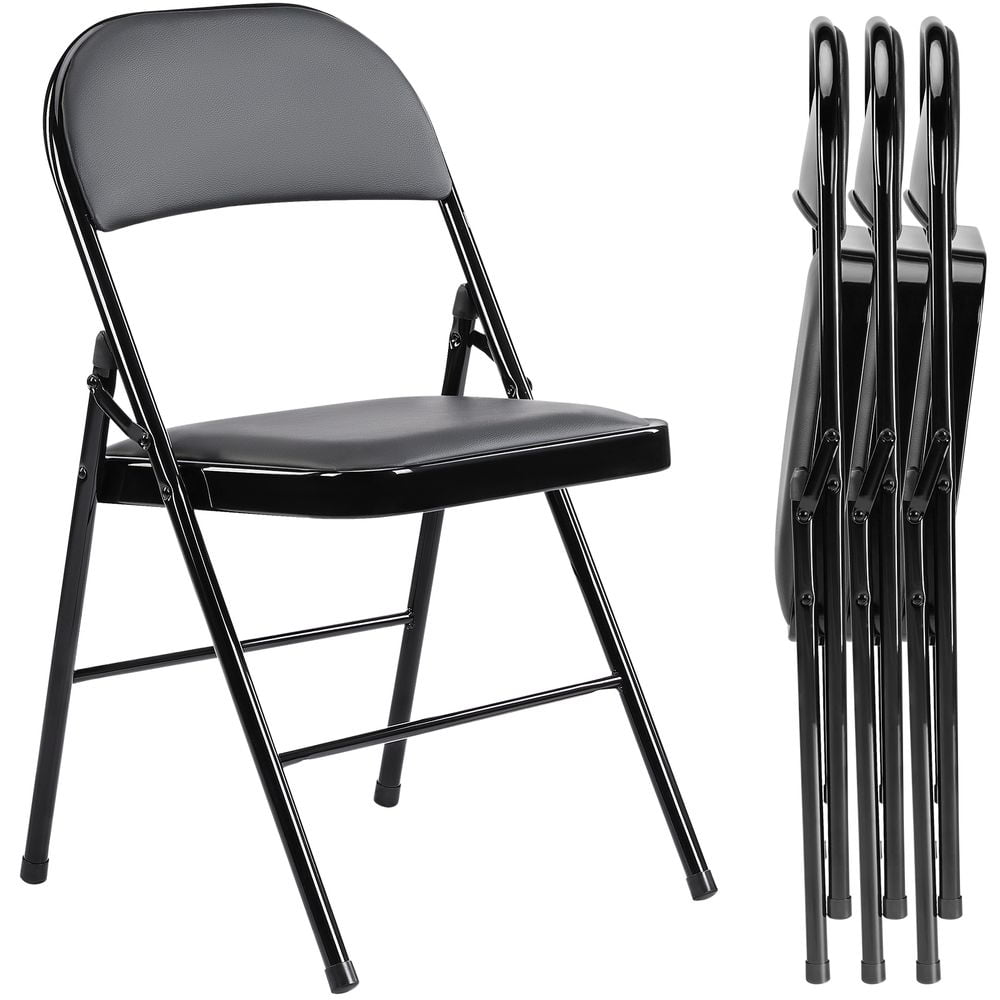
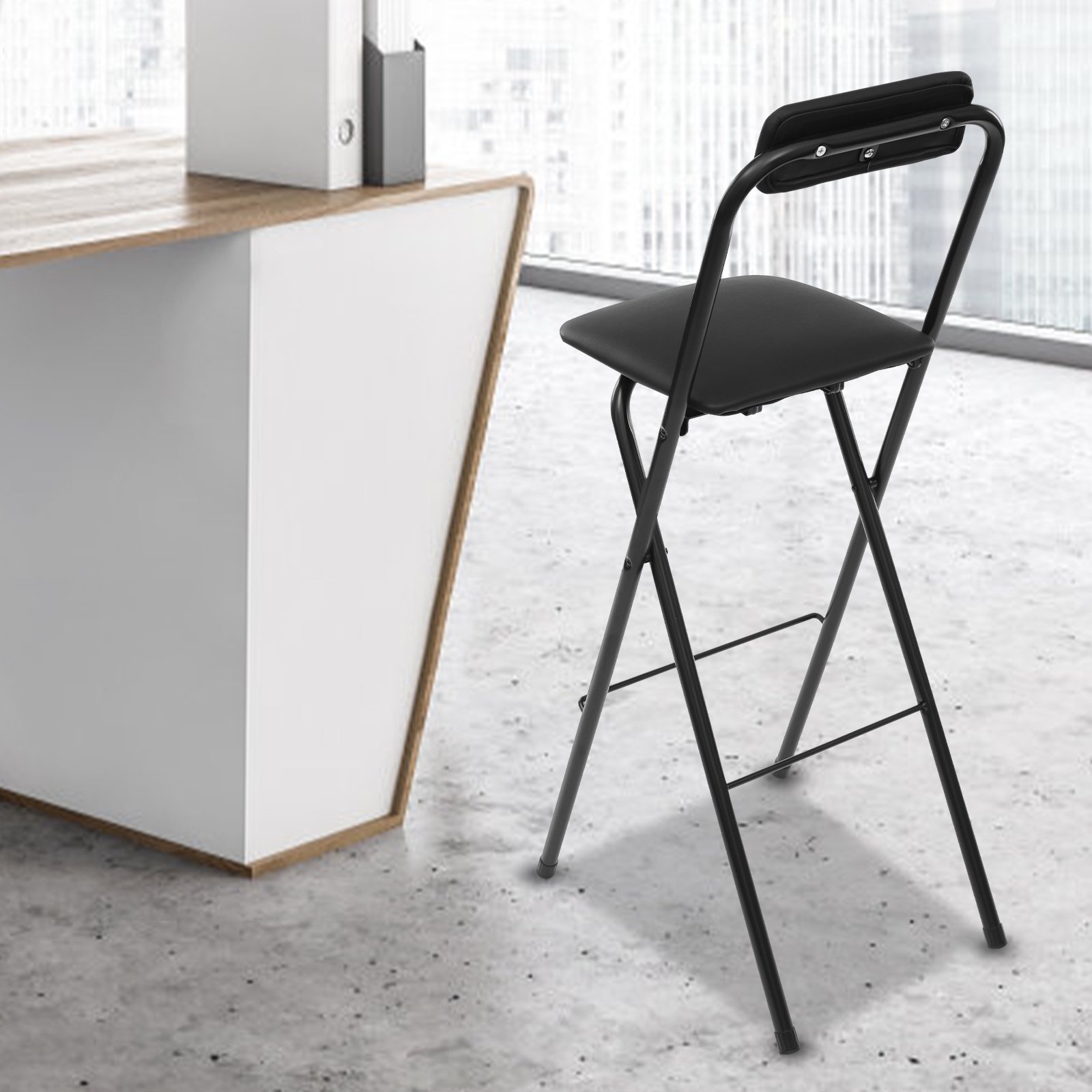
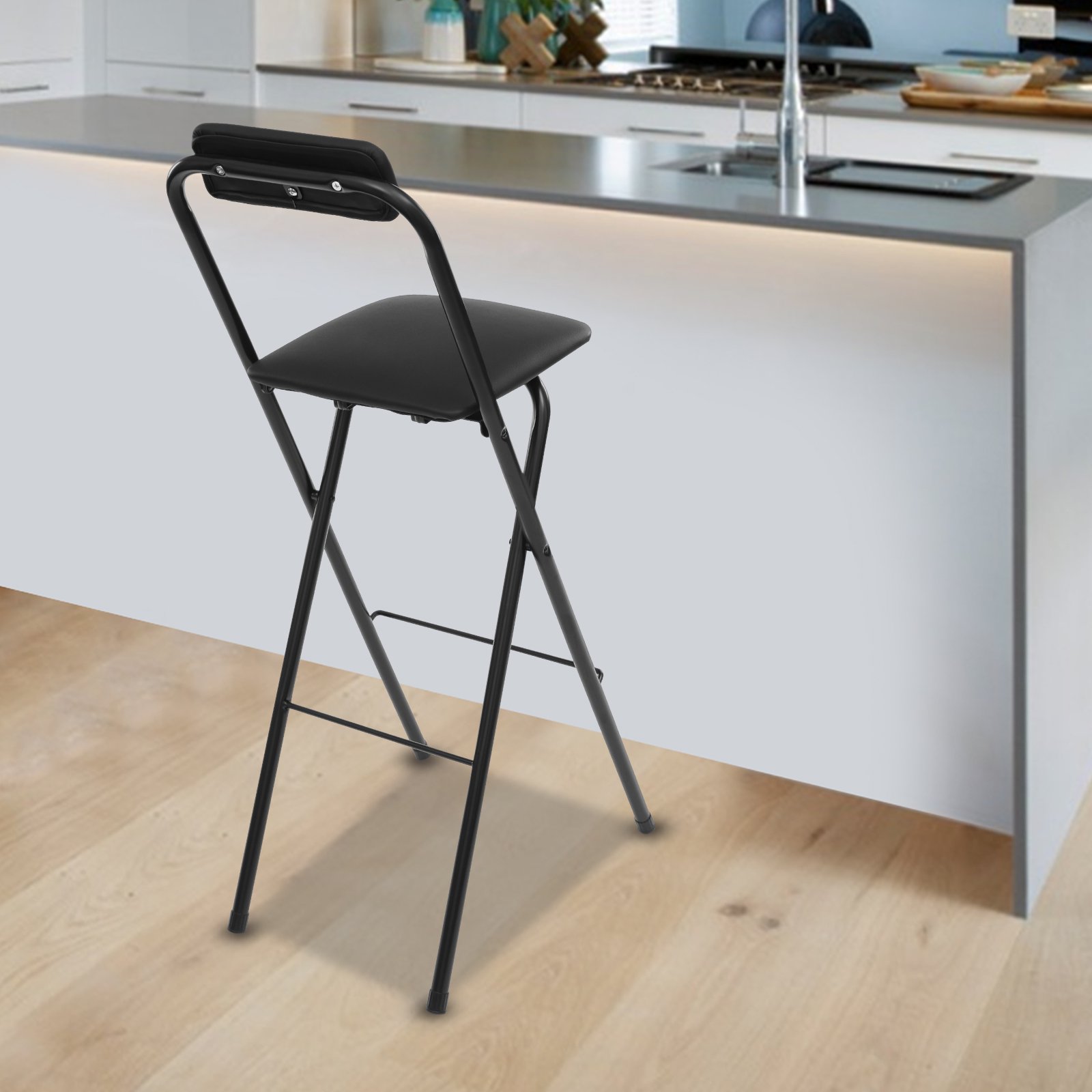
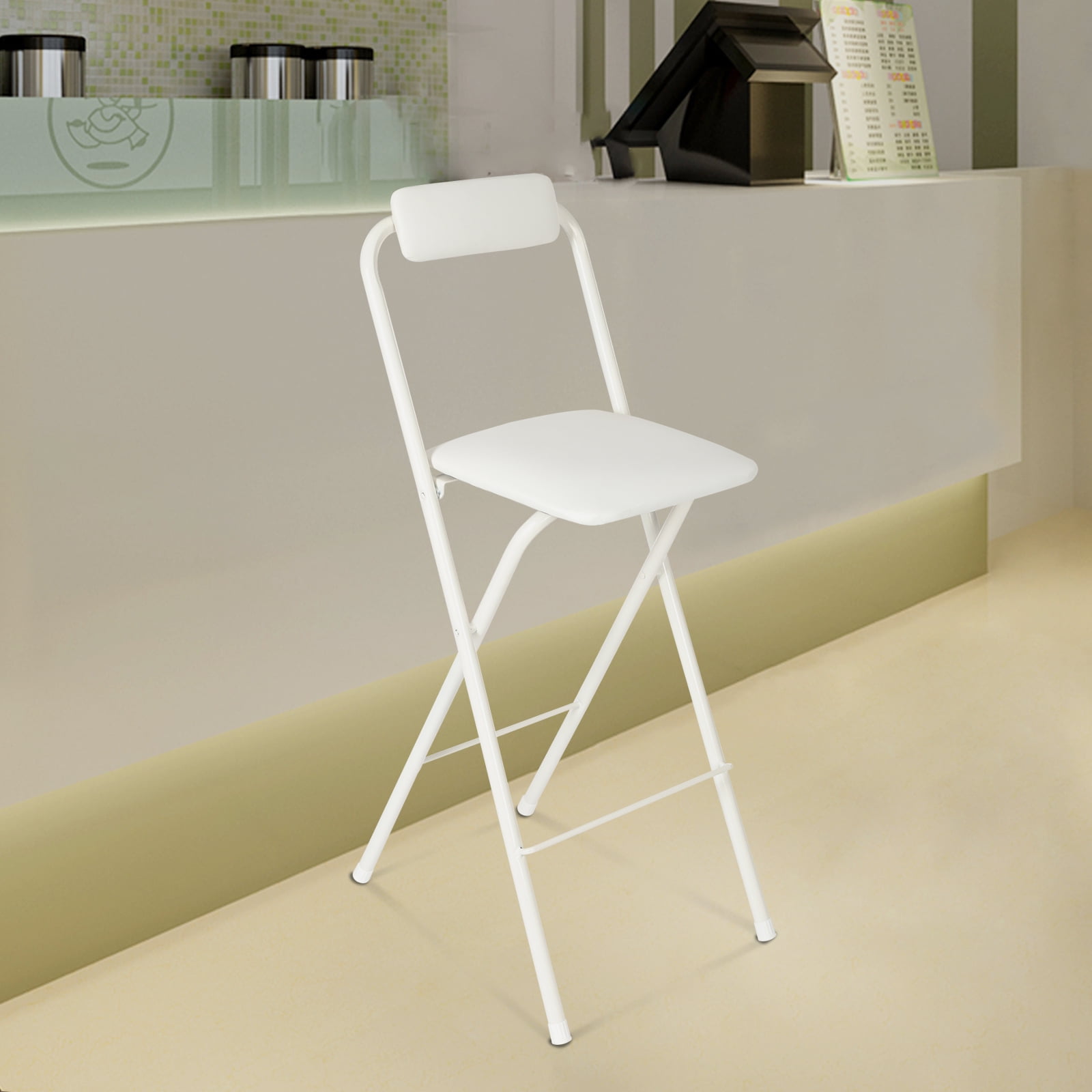
- The Classic Folding Chair: Resembling a sturdy folding chair but with a higher seat height and better back support. Often made with steel frames and fabric seats. Great for guest use or as a spare office chair.
- The Rolling Travel Chair: A foldable chair mounted on casters. This is the closest experience to a traditional office chair, offering mobility and often including a gas lift for height adjustment. Ideal for RVs and hotel rooms where you'll be sitting for hours.
- The Compact Mesh Task Chair: These chairs focus on a lightweight mesh back and a minimal frame. They are designed to be easily broken down or folded into a slim profile, perfect for digital nomads who move frequently.
- The "Zero Gravity" or Outdoor-Inspired Chair: Borrowing designs from high-end camping chairs, these often feature a more reclined position and are made with durable, weather-resistant materials. Good for outdoor workspaces but check the seat height for desk compatibility.
Quick Comparison: Travel Chair vs. Standard Office Chair
| Feature | Travel Office Chair | Standard Office Chair |
|---|---|---|
| Primary Goal | Portability & Space-Saving | Maximum Comfort & Features |
| Average Weight | 5 - 20 lbs | 30 - 60+ lbs |
| Adjustability | Essential (Height, often lumbar) | Extensive (4D arms, tilt, depth) |
| Best Environment | RVs, hotels, small apartments, mixed-use | Dedicated home or corporate office |
| Lifespan Expectancy | 3-7 years (depending on use) | 7-15+ years |
Frequently Asked Questions About Travel Office Chairs
Conclusion: Your Office, Anywhere in the World
The rise of remote work has untethered us from the traditional desk, but it hasn't freed us from the laws of physics—or ergonomics. A poor sitting posture can turn the dream of a nomadic lifestyle into a painful reality. Investing in a dedicated travel office chair is an investment in your health, productivity, and freedom.
By focusing on the key factors we've discussed—portability, ergonomic support, and durable materials—you can find a chair that seamlessly integrates into your mobile life. Whether you're a van-lifer, a frequent business traveler, or simply someone who wants a high-quality spare chair that doesn't dominate a closet, the perfect travel office chair is out there. It's time to pack your bags, set up your laptop, and sit comfortably, no matter where the road takes you.