
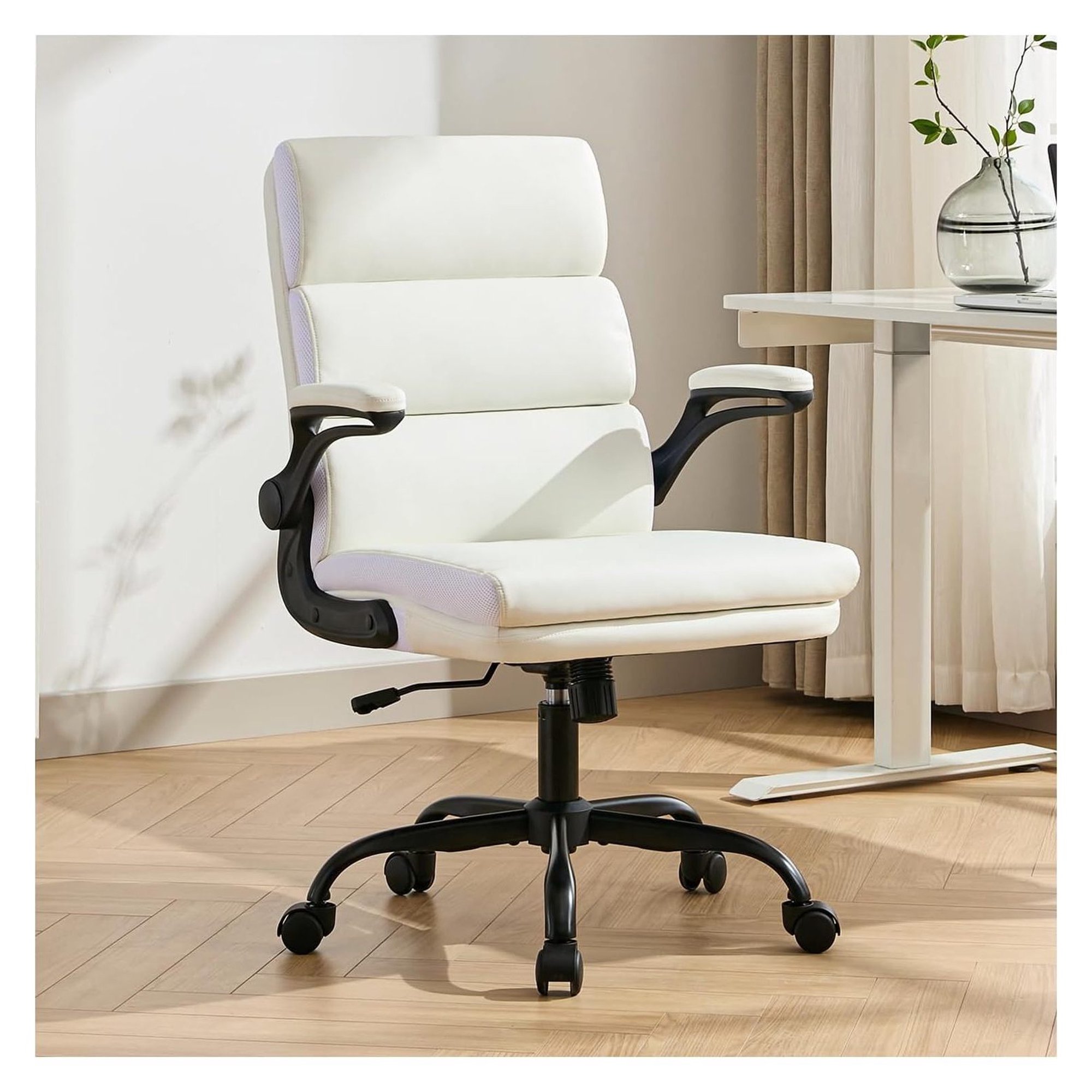
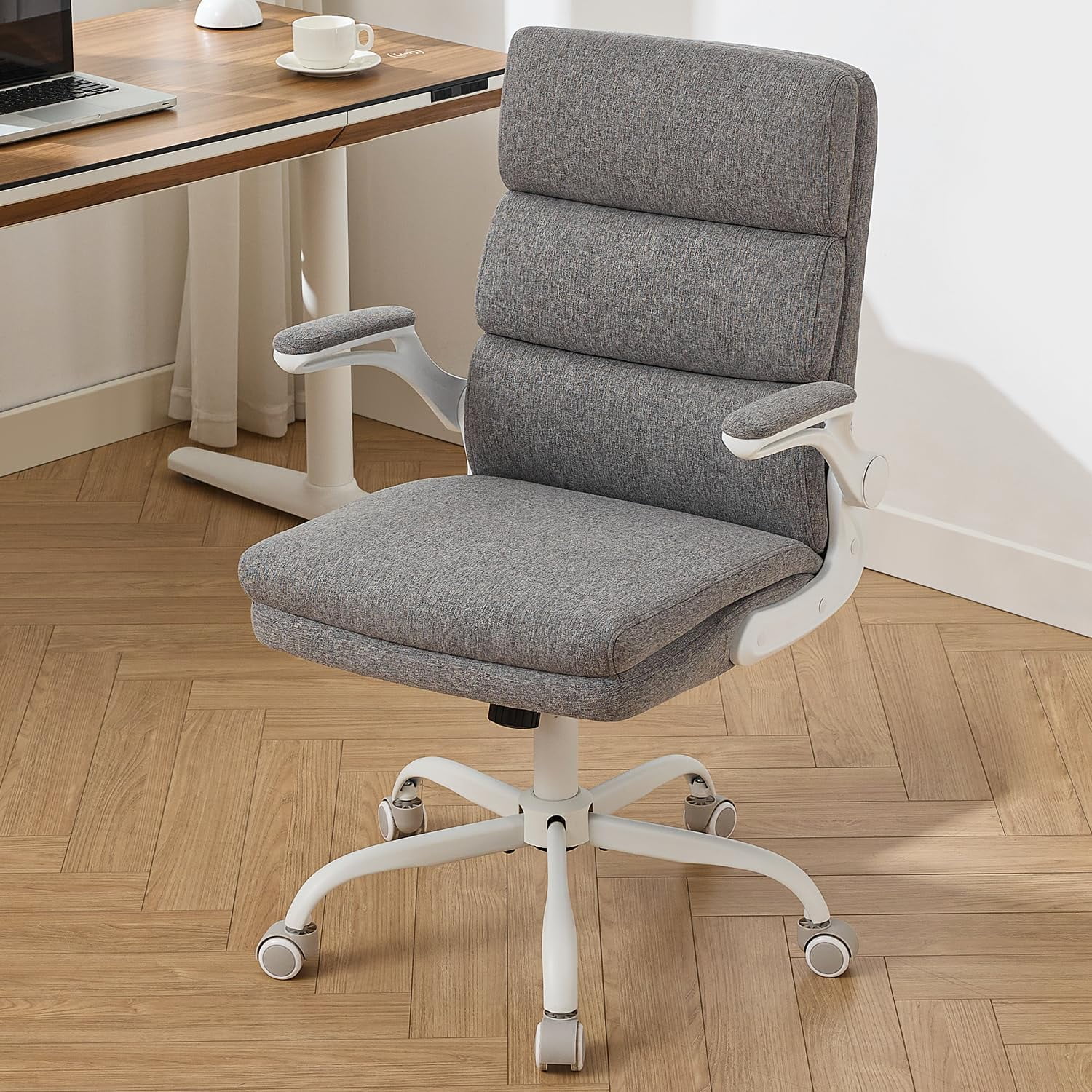
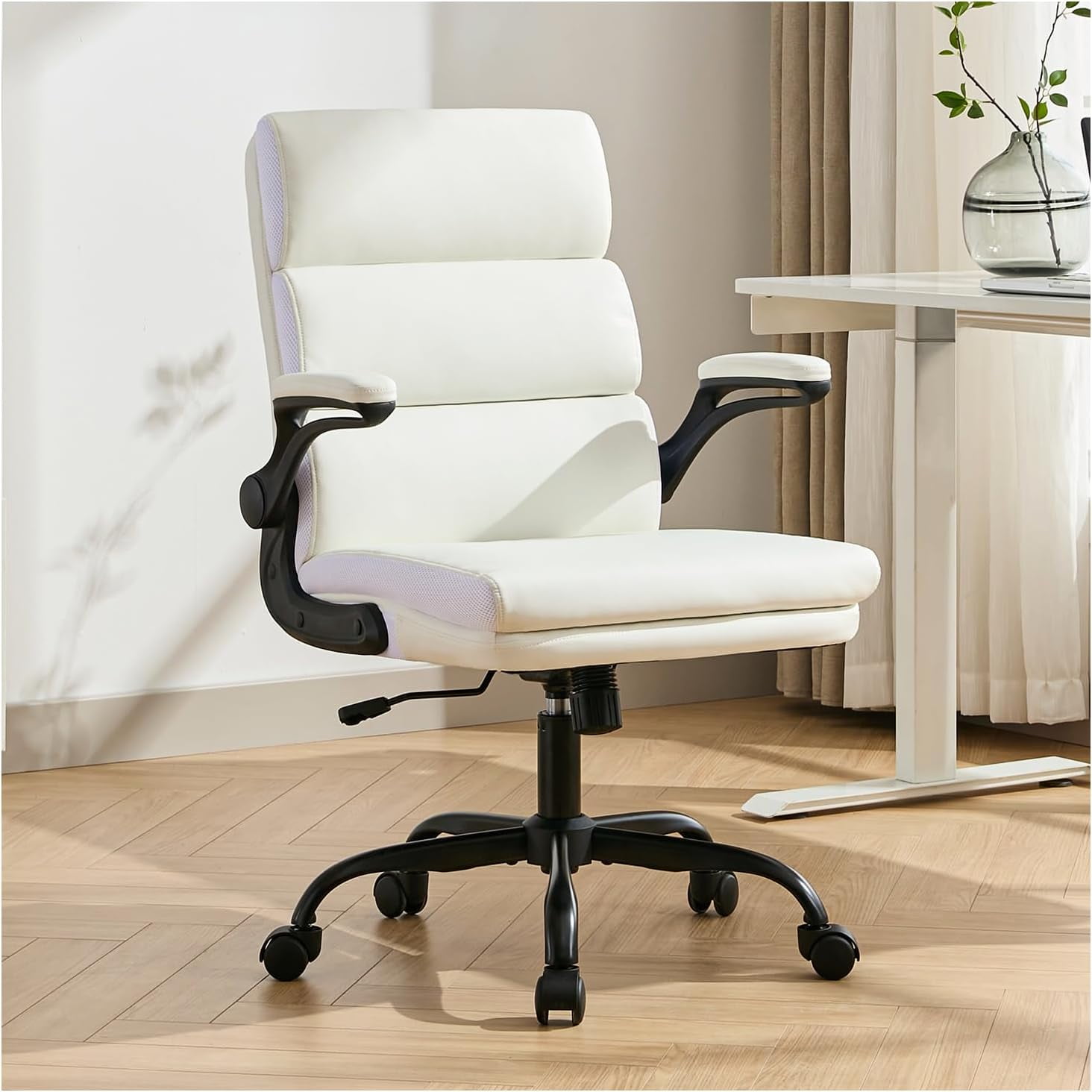
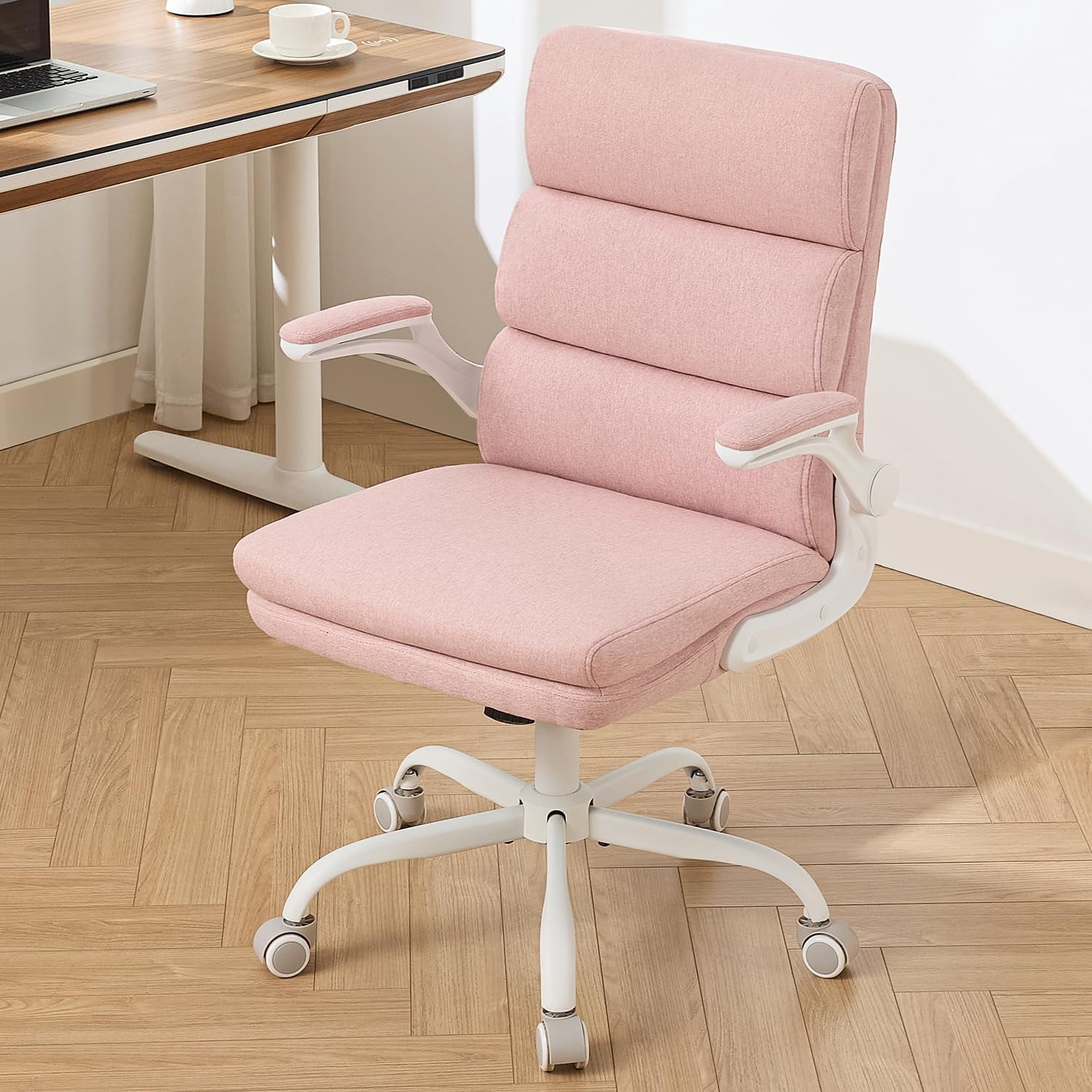
Why "Small & Comfy" Is the Smart Choice for Your Workspace
Not every office needs a throne-sized executive chair. In fact, for home offices, apartments, or creative corners, a small comfy office chair is often the smarter, more practical solution. Think of it like choosing a well-designed studio apartment over a sprawling house: it's about optimizing every square inch without sacrificing comfort or style.
These chairs are purpose-built for spaces where every inch counts. They typically feature a narrower seat (under 20 inches wide), a more compact backrest, and often, arms that flip up or are removable. But don't let the size fool you — modern engineering ensures they pack the same ergonomic punch as their larger counterparts. According to a 2023 home office survey, 68% of remote workers reported that a properly fitted, smaller chair actually improved their posture compared to oversized seating that encouraged slouching.
Ergonomic Insight: A chair that fits your body frame is more important than a chair that fills the room. When the seat width matches your hip width and the backrest supports your natural spine curvature, you experience less fatigue. For petite users or those with smaller frames, a standard chair can be overwhelming; a small comfy chair provides a custom-fit feel.
Key Features to Look For in a Small Comfy Office Chair
Selecting the right compact chair means looking beyond the dimensions. Here are the critical features that define a true "small comfy" champion:
- Space-Savvy Dimensions: Seat width typically between 18-20 inches, seat depth 16-19 inches, and backrest height under 22 inches. This ensures the chair fits comfortably in a 4x4 foot area.
- Plush, Supportive Cushioning: High-density foam (2.5-3.5 lbs density) or memory foam topper that provides comfort without bottoming out after an hour. Look for "cloud" or "pillow-top" seat descriptions.
- Adjustable Lumbar Support: Even in a small package, lumbar support is non-negotiable. Many compact chairs offer built-in lumbar curves or small adjustable pads to prevent backache.
- Flip-Up or 2D Armrests: Arms that pivot up allow you to slide the chair completely under the desk, reclaiming floor space when not in use. Adjustable arms (height/width) add personalized comfort.
- Breathable & Durable Upholstery: Mesh backs are popular for airflow, while fabric seats (like linen or performance polyester) offer a cozy feel. Some high-end models use cooling gel-infused foam.
- Smooth-Rolling Casters: Small chairs often come with dual-wheel casters suitable for carpets or hardwood. For tighter spaces, some even offer locking casters to keep the chair in place.
Small Chair, Big Comfort: A Feature Deep Dive
Seat Design: The Foundation of Comfort
The seat is where you spend most of your time. For a small comfy office chair, the ideal seat should have a waterfall edge — a gentle downward slope at the front — to promote healthy blood circulation in your legs. The cushioning should strike a balance: soft enough to feel cozy, yet firm enough to provide support. Memory foam layers that conform to your body are excellent, but ensure they are topped with a supportive base foam to prevent sagging.
Backrest Ergonomics in a Compact Frame
Don't assume a smaller backrest means less support. Many compact chairs are designed with a medium-height back that supports the natural S-curve of the spine, focusing on the lumbar and mid-back regions. Some models include a built-in lumbar curve that you can adjust by turning a knob, or a small inflatable lumbar pillow. For tasks that don't require leaning back frequently, this mid-back design is perfect and allows for greater freedom of movement.
✓ Advantages of Small Comfy Chairs
- Perfect for tight spaces: Fits in corners, small apartments, or dorm rooms.
- Often lighter: Easy to move around when cleaning or rearranging.
- Better fit for smaller users: No overhanging seat edges or awkward back support.
- Visually less imposing: Keeps the room feeling open and airy.
- Cost-effective: Generally more affordable than full-sized executive chairs.
✗ Considerations
- Weight capacity: May have lower limits (check specs, typically 250-300 lbs).
- Less recline travel: May not be ideal for those who like to lean far back.
- Armrest options: Some compact models skimp on adjustability.
- Not for tall users: May lack adequate thigh support or back height for people over 6'2".
Material Matters: Choosing the Right Upholstery
The material of your chair affects both comfort and maintenance. Here's a quick guide tailored for small comfy chairs:
Breathable Mesh
- Best for: Warm climates, long work hours, those who run hot.
- Comfort: Excellent airflow prevents sticky backs.
- Aesthetics: Modern, minimalist look.
- Maintenance: Easy to wipe; dust can be vacuumed.
Plush Fabric (Polyester/Linen)
- Best for: Cozy home offices, casual settings, maximum softness.
- Comfort: Warm and inviting; often paired with thick foam.
- Aesthetics: Wide range of colors and textures (velvet, tweed).
- Maintenance: May require spot cleaning; some have removable covers.
Faux Leather / PU Leather
- Best for: Easy cleaning, sleek look, spill-prone areas.
- Comfort: Can be less breathable; may feel sticky in summer.
- Aesthetics: Professional, upscale appearance.
- Maintenance: Wipes clean easily; avoid sharp objects to prevent scratches.
Mixed Materials (Mesh Back + Fabric Seat)
- Best for: Balanced comfort and breathability.
- Comfort: Breathable back, cozy seat – best of both worlds.
- Aesthetics: Sporty, ergonomic look.
- Maintenance: Moderate; follow care for each material.
Who Is the Small Comfy Office Chair Perfect For?
This category isn't just about size; it's about a specific set of needs. You might be the ideal user if:
- You work from a small apartment, studio, or a compact home office nook.
- You have a petite or average frame and find standard chairs too wide or deep.
- You want a secondary chair for a guest room or a reading corner that doubles as a workspace.
- You value a minimalist aesthetic and want furniture that doesn't dominate the room.
- You need a chair that's easy to move around for flexible room arrangements.
Conversely, if you are significantly taller than 6'2" or require a high weight capacity (over 350 lbs), you may need to carefully check specifications, as some compact models might not provide adequate support.
Space-Saving Tips: Integrating Your Chair
Once you've chosen your small comfy office chair, maximize its space-saving potential:
- Measure your desk height: Ensure the chair's armrests (if fixed) can slide under the desk, or opt for flip-up arms.
- Use natural light: Place the chair near a window; its smaller profile won't block light.
- Pair with a compact desk: A floating desk or a corner desk complements the chair perfectly.
- Store vertically: Some small chairs can be partially disassembled or have backs that fold flat for storage.
Frequently Asked Questions About Small Comfy Office Chairs
Conclusion: Cozy Comfort, Perfectly Packaged
Choosing a small comfy office chair is a declaration that you value both function and form. It's about creating a workspace that feels intimate, organized, and tailored to you — not one dominated by oversized furniture. By focusing on ergonomic features, quality materials, and the right dimensions for your body and space, you can find a chair that makes every workday feel a little cozier. Remember, the best chair is the one you forget you're sitting in because it supports you so well.