
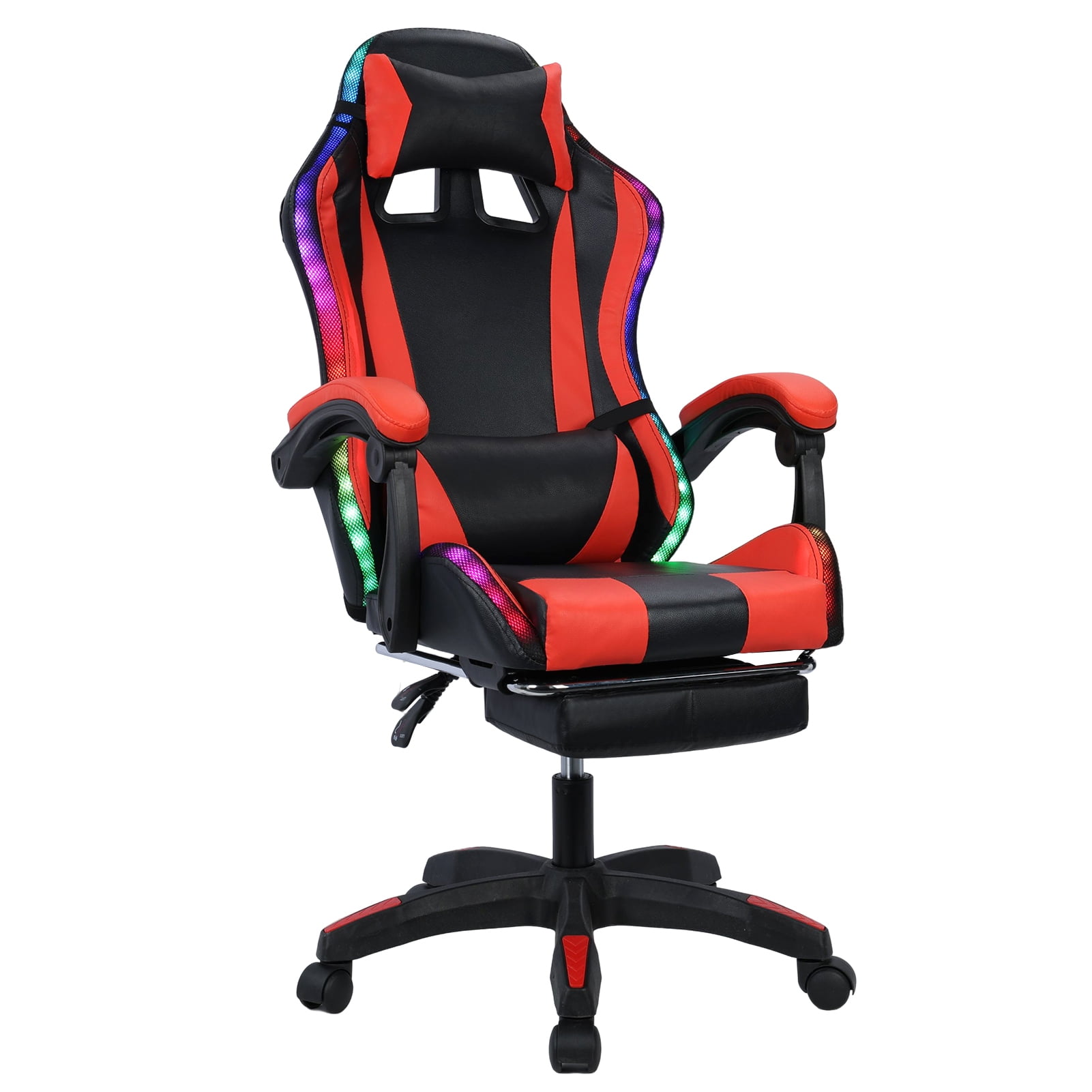
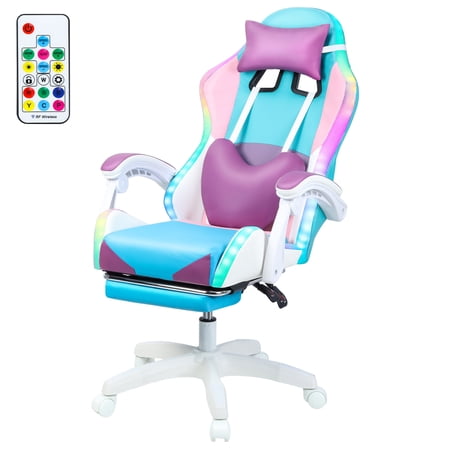
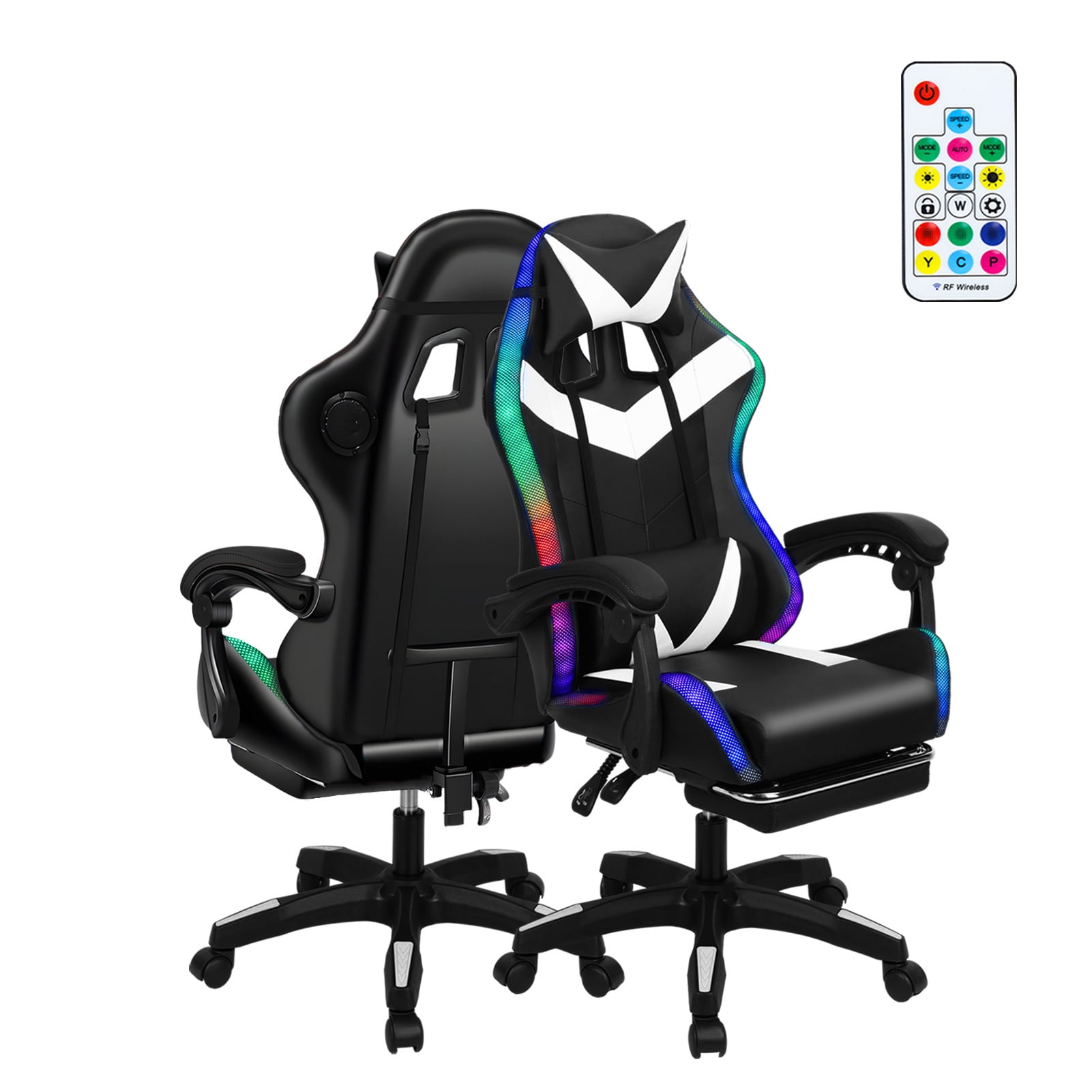
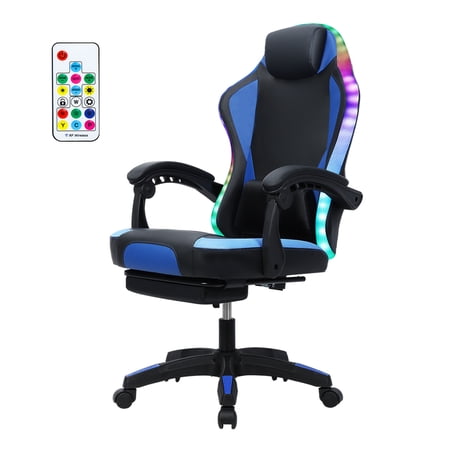
Why Your Next Office Chair Needs a Built-in Footrest
Imagine this: it's 3 PM, you've been in back-to-back meetings, and your lower back is starting to ache. You lean back slightly to stretch, but your feet dangle, putting pressure on your thighs. This is where a office chair with built in footrest transforms from a luxury into a necessity. It's not just about putting your feet up; it's about creating a seamless ergonomic environment that supports your body from head to toe.
For years, the focus of office ergonomics has been on lumbar support and armrests, often leaving the legs—which carry the entire body's weight—unsupported. A built-in footrest changes the game. It allows for a more natural seated posture, especially when you recline. Think of it as the difference between sitting on a park bench and relaxing in a well-designed recliner. The bench supports your back, but the recliner supports everything. This guide dives deep into why this feature is becoming essential for home offices and professional settings alike.
Did You Know? A study in the "Journal of Physical Therapy Science" found that using a footrest significantly reduces pressure on the lumbar spine and improves the angle of the lower body, leading to less fatigue and discomfort during prolonged sitting.
The "Toe-to-Spine" Connection: How Footrests Enhance Ergonomics
We often view the body in parts: the back, the neck, the legs. But in ergonomics, everything is connected. An ergonomic office chair with footrest addresses this by creating a kinetic chain of support. When your feet are firmly planted on a footrest, it does more than just provide comfort; it stabilizes your entire pelvis, which in turn allows the lumbar support in your chair to work more effectively.
1. The Science of Reclining with Leg Support
When you recline in a standard office chair, your feet often lift off the floor. This shifts your body weight entirely to your seat and back, increasing pressure on the tailbone and reducing stability. A desk chair with integrated ottoman solves this. As you lean back, the footrest supports your legs, keeping your thighs parallel to the ground and maintaining a healthy 90-90-90 degree angle (ankles, knees, and hips). This position is proven to open up the hip angle, reducing stress on the lower spine.
2. Circulation and the "Second Heart"
Your calf muscles are often called the body's "second heart" because they pump blood back up to your chest. When your legs dangle unsupported, this pump is less effective, leading to blood pooling in the lower legs. This can cause swelling, fatigue, and even increase the risk of deep vein thrombosis (DVT) over very long periods. A comfy office chair with footrest allows your legs to rest in a neutral position, encouraging better blood flow. This is why many users report feeling more energetic at the end of the day when using a chair with a footrest.
3. Micro-Movements and Dynamic Sitting
The human body is designed for movement. Static postures are the enemy of a healthy spine. A chair with a built-in footrest encourages dynamic sitting. You can easily change your position—from feet on the floor, to feet up on the rest, to a slight recline with full leg support. These micro-movements throughout the day keep your muscles active, nourish the spinal discs, and prevent the stiffness associated with being locked in one position. It's like having a built-in reminder to shift and move.
Key Ergonomic Benefits Summarized:
- Reduced Spinal Compression: Reclining with leg support distributes weight more evenly, reducing pressure on the lower vertebrae by up to 30%.
- Improved Posture: Supports the natural S-curve of your spine by stabilizing the pelvis.
- Enhanced Circulation: Preents blood pooling in the legs and feet, reducing fatigue and the risk of swelling.
- Versatile Working Positions: Allows for an "active recline" position perfect for deep thinking, reading, or video calls.
Types of Built-in Footrests: Find Your Match
Not all footrests are created equal. Understanding the different mechanisms will help you choose the right executive chair with footrest or task chair for your needs.
| Footrest Type | How It Works | Best For |
|---|---|---|
| Extendable Slide-Under | The footrest slides out from under the seat like a drawer. It's simple, durable, and tucks away completely when not in use. | Users who want a clean look and only use the footrest occasionally. |
| Flip-Out / Swing-Arm | The footrest is attached to an arm that swings out from the chair's base. It often offers adjustable angles. | People who need adjustable angles and a more robust, "built-in" feel. |
| Recliner Integrated | Found on high-back executive chairs, the footrest is part of a continuous recline system, often rising automatically as you lean back. | Those who want a lounge-like experience for deep relaxation and power naps. |
Who Benefits Most from a Footrest Chair?
While anyone can enjoy the added comfort, certain groups find a most comfortable office chair with footrest indispensable:
- Tall Individuals: Often find standard seat heights leave their feet flat on the floor but their thighs unsupported. A footrest bridges the gap.
- People with Back Pain: The ability to recline with full leg support can provide significant relief from chronic lower back pain by decompressing the spine.
- Remote Workers: For those spending 8+ hours at a home desk, the flexibility to change positions is key to staying comfortable and productive all day.
- Gamers and Creatives: Long, focused sessions require comfort. A footrest allows for a more relaxed, engaged posture.
Frequently Asked Questions About Office Chairs with Footrests
Conclusion: Invest in Full-Body Comfort
An office chair with built in footrest is more than just a trendy feature; it's a significant upgrade to your workspace ergonomics. By supporting the "toe-to-spine" connection, these chairs help you work longer, feel better, and move more naturally throughout your day. Whether you're a executive looking for luxury, a remote worker seeking all-day comfort, or someone managing back pain, the models featured above represent the best the market has to offer. We encourage you to explore the options, read the reviews, and take the step toward a more comfortable and productive work life.
Remember, your chair is an investment in your health. Choose one that supports you from head to toe.