
Your Home Office, Your Command Center: Why the Right Table and Chair Matter
Remember when the kitchen table or a corner of the couch was your "office"? For millions now working hybrid or full-time from home, that makeshift setup no longer cuts it. Your home isn't just a living space; it's your professional headquarters. The cornerstone of this headquarters is undeniably the office table and chair for home. This isn't just furniture—it's a tool that dictates your posture, your focus, and even how you feel at the end of a workday. A mismatched or uncomfortable setup can lead to back pain, eye strain, and a gradual dip in productivity. Think of it like a chef's knife: a high-quality, well-balanced tool makes the work effortless and enjoyable, while a dull, poorly designed one makes every task a chore.
Why it's a smart investment: According to a study by the National Institutes of Health, using ergonomically correct furniture can reduce work-related musculoskeletal discomfort by over 60%. Furthermore, a dedicated, well-organized workspace can boost focus by up to 20%, helping you mentally separate 'work mode' from 'home mode'.
Decoding Your Needs: The "Home" Factor
Unlike a corporate office, your home has unique constraints and opportunities. Before you start browsing, ask yourself these three questions:
- What's my available footprint? Are you working with a dedicated spare room, a corner of the bedroom, or a tiny nook in the living room? This determines if you need a compact, foldable, or L-shaped desk.
- Who else uses the space? Is this a shared family area? You might need a desk that can be tidied away quickly, or a chair that's light enough to move.
- What's my primary work style? Do you do deep-focus computer work, take lots of calls, or spread out papers for creative projects? A minimalist setup works for a laptop user, but a writer with reference books needs more surface area.
Deconstructing the Duo: Table (Desk) Considerations
The table is your canvas. Choosing the right one is about balancing form and function. Here are the critical factors to weigh:
1. Size and Shape: Making the Most of Your Space
Measure your space meticulously, then measure again. A good rule is to have at least 20 inches of clear space in front of your keyboard. For depth, aim for at least 24 inches for a monitor, or 30 inches if you use a laptop stand and external keyboard.
- Compact/Corner Desks (40-50 inches wide): Perfect for small apartments or multi-purpose rooms. They tuck neatly into corners, utilizing dead space. Look for designs with a small footprint but vertical storage shelves.
- Standard Rectangular Desks (55-70 inches wide): The most common and versatile choice. Offers ample space for a computer, paperwork, and personal items. Ideal for dedicated home offices.
- L-Shaped Desks: Great for power users who need a primary and secondary work zone (e.g., computer on one side, paperwork on the other). They create a semi-enclosed, command-center feel.
2. Material and Style: Blending with Your Home
Your desk shouldn't look like alien office furniture in your cozy living room. Material choice is key.
| Material | Vibe | Pros | Cons |
|---|---|---|---|
| Solid Wood | Classic, warm, durable | Timeless aesthetic, can be refinished, very sturdy | Heavy, expensive, can be scratched |
| Engineered Wood (MDF/Laminate) | Modern, affordable, versatile | Cost-effective, smooth finish, many colors | Less durable, can chip, not eco-friendly |
| Metal & Glass | Sleek, industrial, minimalist | Easy to clean, feels spacious, modern look | Glass shows smudges, can be cold, metal can dent |
| Bamboo | Eco-chic, natural, warm | Sustainable, surprisingly strong, unique look | Can be prone to water rings if not sealed well |
The Unsung Hero: Choosing Your Home Office Chair
While the table is the stage, the chair is the lead actor. You'll spend thousands of hours in it. Skimping here is a false economy. A good office chair for home is an investment in your physical health.
Anatomy of an Ergonomic Home Office Chair
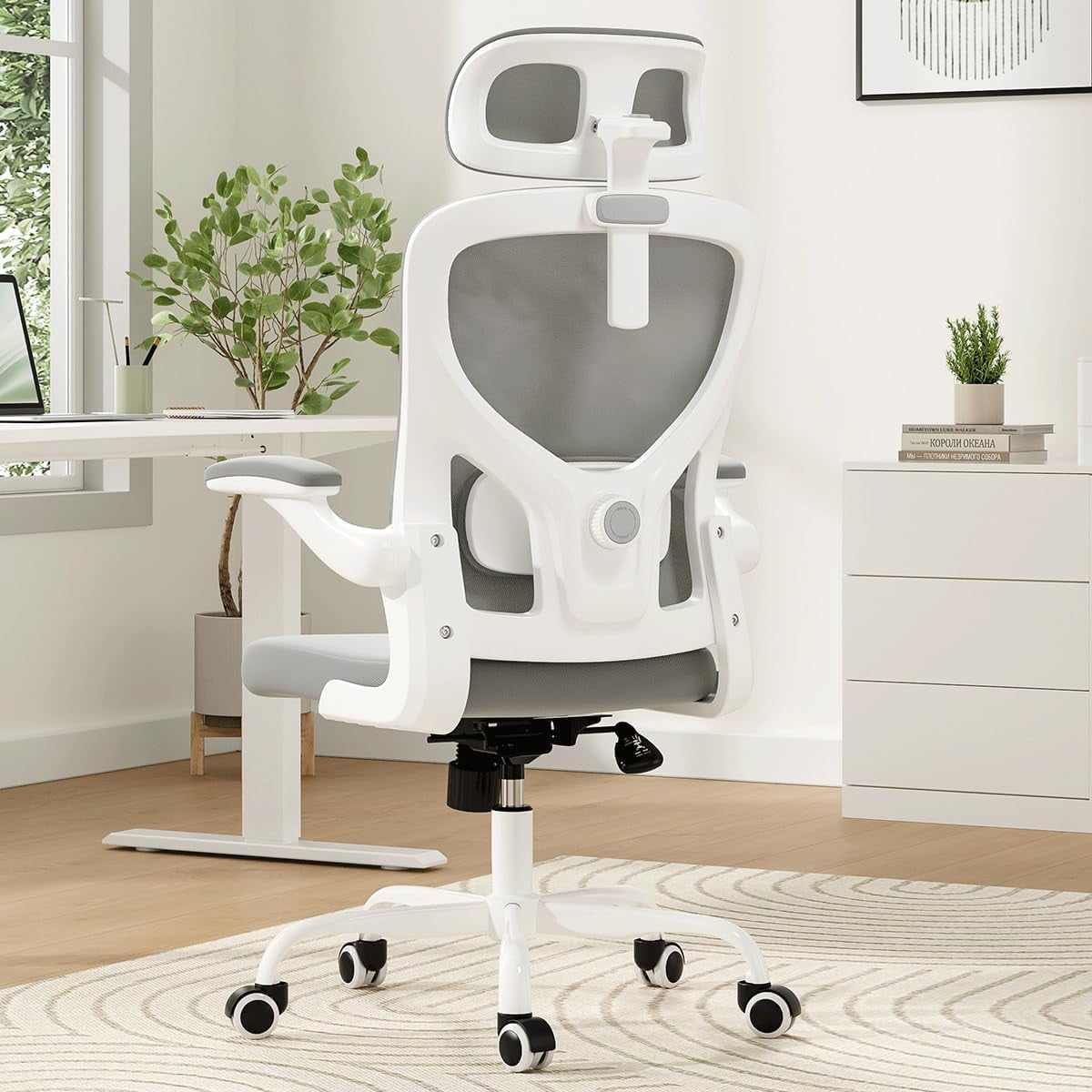
Look beyond the looks. Focus on these adjustability features:
- Seat Height Adjustment: A pneumatic lever is standard. Your thighs should be parallel to the floor, with feet flat.
- Lumbar Support: Non-negotiable. The chair should have a mechanism to support the natural curve of your lower back. Adjustable lumbar (height and depth) is best.
- Seat Depth (Slide): This allows you to adjust the seat pan so there's a 2-3 finger gap between the back of your knee and the seat. Crucial for tall or short individuals.
- Armrest Adjustability (4D): The gold standard. Armrests should move up/down, forward/back, and pivot so your arms rest comfortably with shoulders relaxed.
- Recline Mechanism and Tension Control: You should be able to lean back and adjust how much force is needed to recline. A lockable recline is great for focused work, while a floating mode encourages movement.
Chair Material: Matching Your Home and Habits
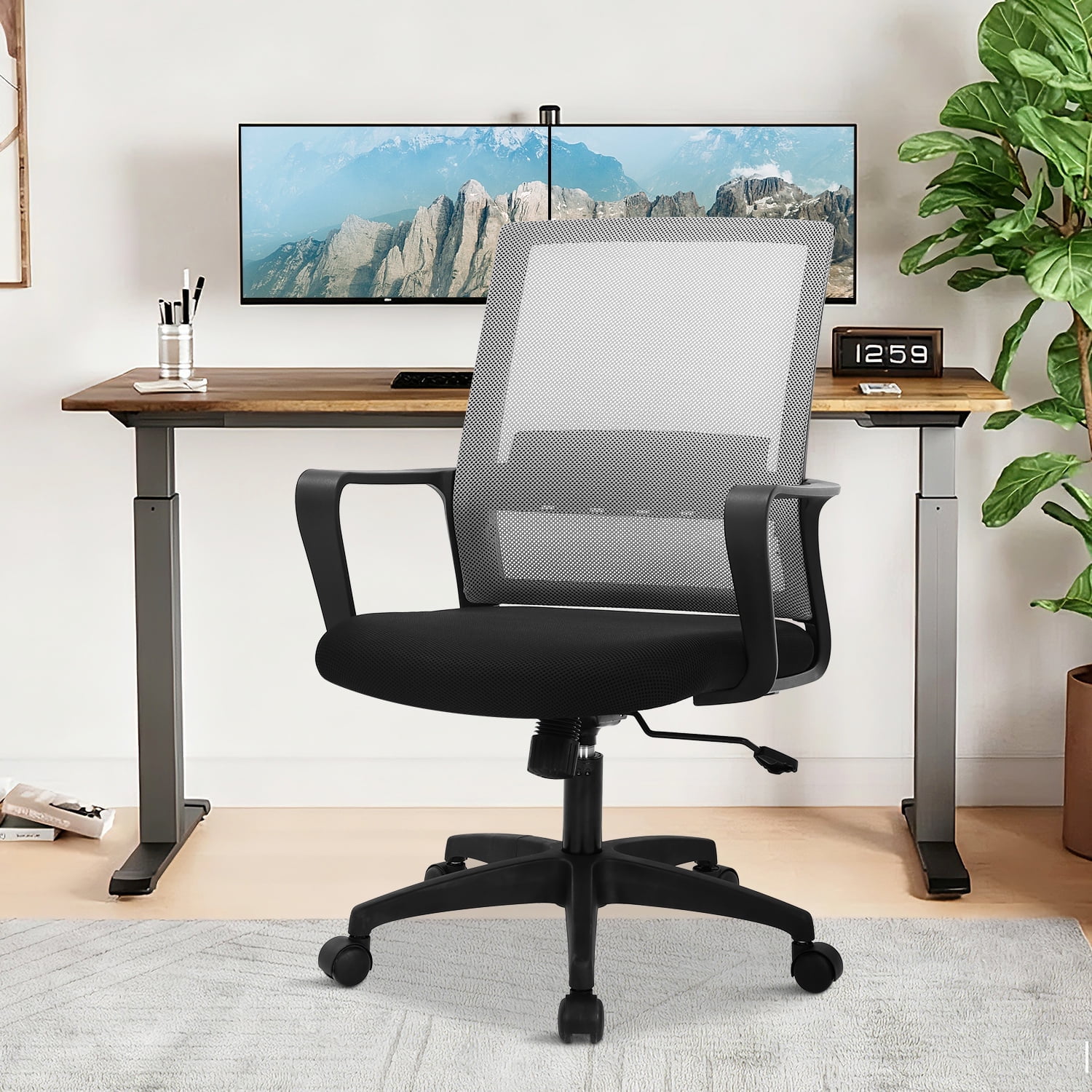
Mesh
- Breathable: Perfect for long hours or warmer homes.
- Modern Look: Sleek and professional.
- Supportive: Conforms to your back.
Fabric
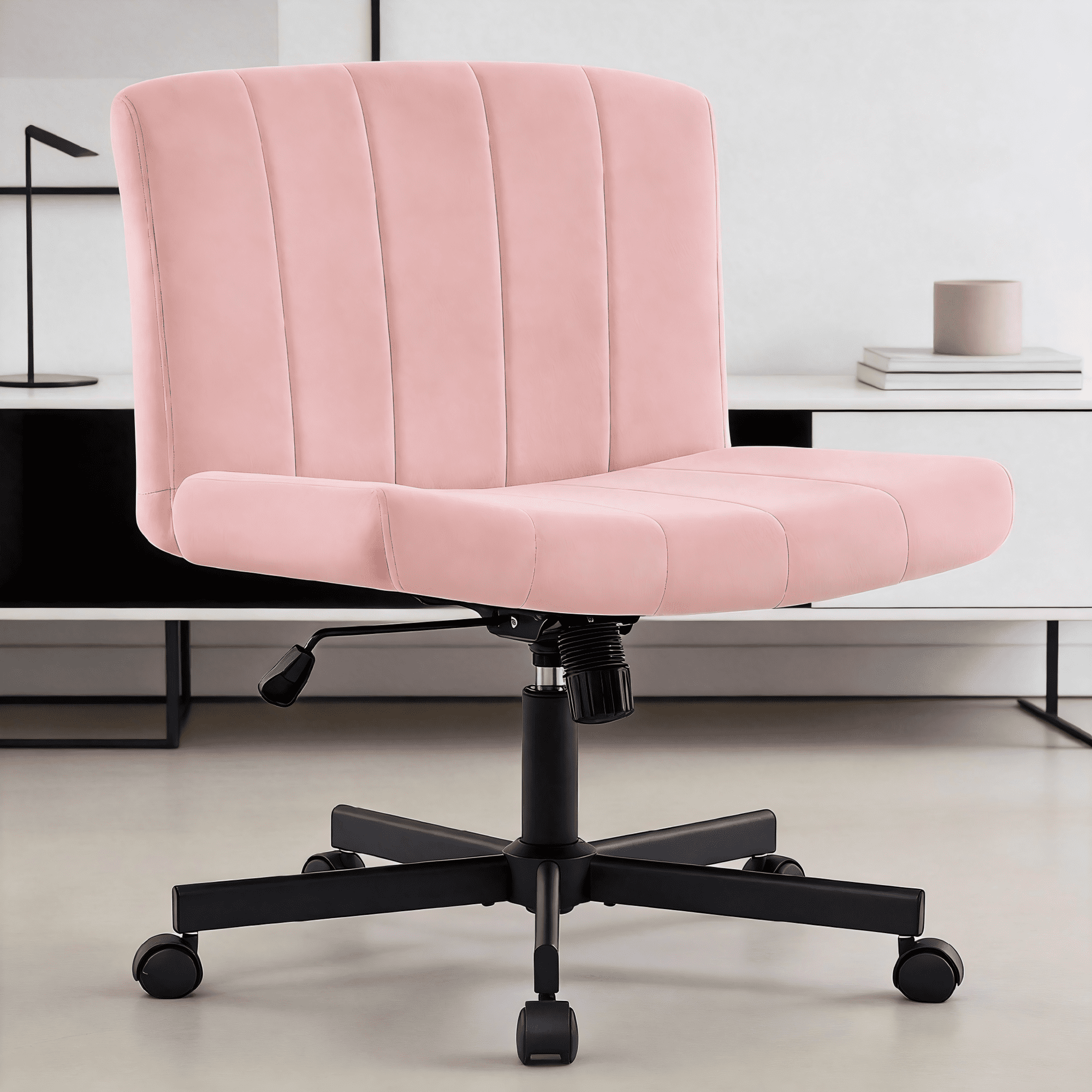
- Cozy & Warm: Feels more like home furniture.
- Color Choices: Endless options to match decor.
- Softness: Comfortable for lounging.
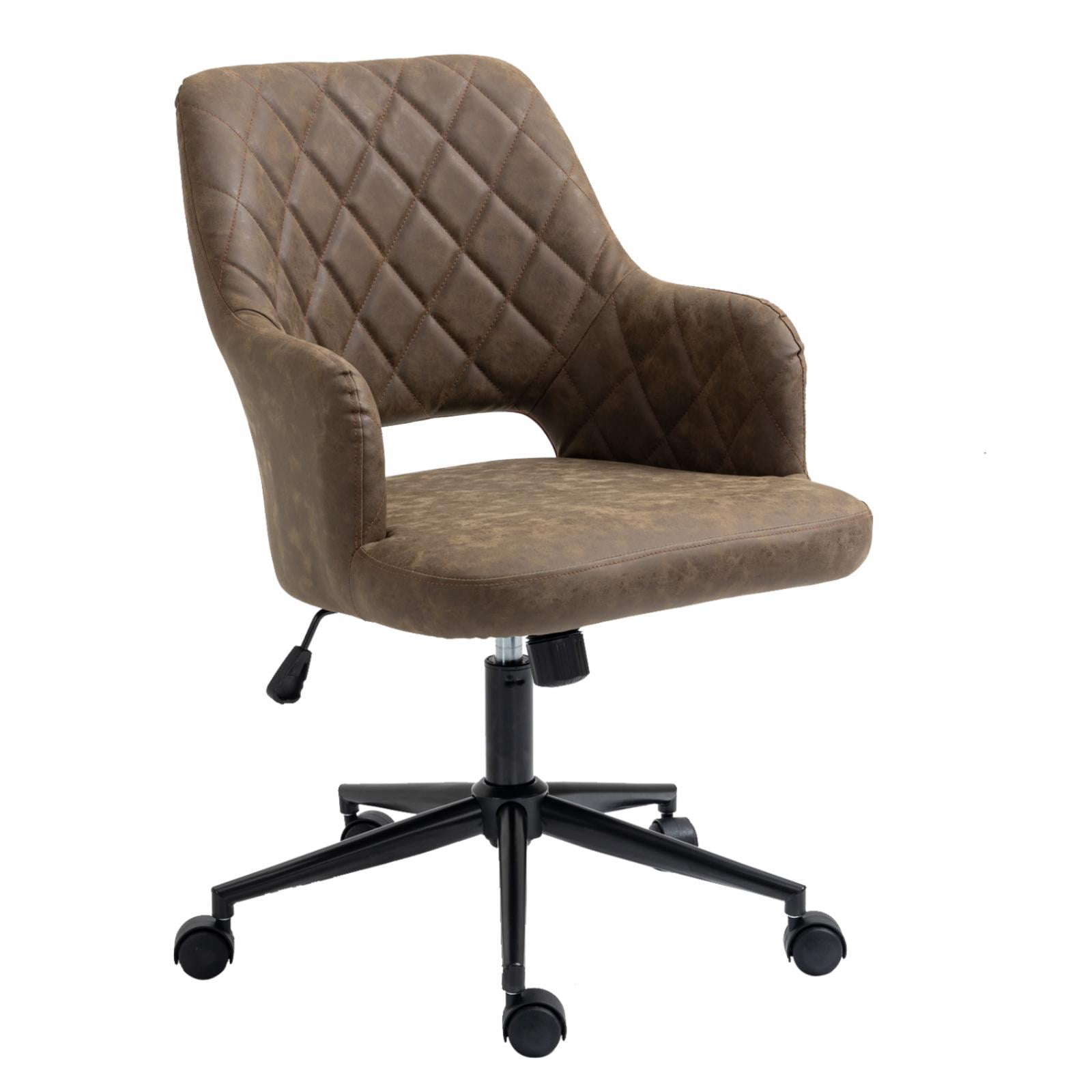
Leather/faux leather is another option, offering easy cleaning and a luxurious feel, but it can be less breathable for all-day use.
Harmonizing Your Setup: The Perfect Match
The magic happens when your table and chair work in perfect sync. Here’s a quick guide to pairing them:
- Height Compatibility: Measure the height of your desk. Your chair's maximum height should allow you to sit with elbows at 90 degrees. A standard 29-inch desk pairs well with a chair that adjusts from about 17 to 21 inches.
- Visual Flow: A heavy, traditional wooden desk pairs beautifully with a classic leather or high-end fabric chair. A sleek glass or white desk calls for a modern mesh or minimalist chair. Cohesion creates a calm, professional environment.
- Space Planning: In a small room, a chair with a transparent back or light colors can prevent the space from feeling cluttered. Ensure the chair can slide fully under the desk when not in use.
Frequently Asked Questions About Home Office Table and Chair Sets
Conclusion: Build a Workspace That Works for You
Selecting the right office table and chair for home is a personal journey. There's no single "best" set—only the best set for *your* body, *your* space, and *your* work style. Start by measuring your room, understanding your work habits, and prioritizing ergonomics, especially in the chair. Remember, this is the place where you'll be productive, creative, and professional. Invest the time and resources to make it a space you love. A well-chosen home office isn't an expense; it's a dividend-paying investment in your career and well-being.
Browse our curated selection above to find the perfect match for your home, and take the first step towards a more comfortable and productive workday.