

Your Journey to Better Seating Starts Here: Understanding What "Show Me Office Chairs" Really Means
When you type "show me office chairs" into a search engine, you're not just looking for a piece of furniture. You're essentially saying: "I want to invest in my comfort, my productivity, and my long-term health." And you're right to do so. Think of your office chair as the foundation of your workday—just like a quality mattress supports restorative sleep, a well-designed chair supports focused, productive work hours.
Did you know? According to the American Posture Institute, the average office worker spends over 1,700 hours per year sitting in their office chair. That's equivalent to 70 full days. With numbers like these, the question isn't "should I invest in a good chair?" but rather "how soon can I upgrade?"
But here's the challenge: walking into an office supply store or scrolling through endless online listings can feel overwhelming. There are mesh backs and leather upholstery, adjustable lumbar support and synchro-tilt mechanisms, task chairs and executive thrones. What do all these terms mean? And more importantly, which features actually matter for your specific situation?
This comprehensive guide is designed to cut through the confusion. We'll show you office chairs across every category, explain what makes each type unique, and help you match chair features to your body type, work habits, and workspace. By the time you finish reading, you'll know exactly what to look for and which chair deserves a spot in your office.
The Complete Office Chair Showcase: Types, Features, and What Works Best for You
When someone asks us to "show me office chairs," we don't just point to a single product. Instead, we guide them through the landscape of office seating. Like choosing a vehicle—you wouldn't pick a sports car for off-roading or a truck for city commuting. Similarly, your office chair should match your specific "driving conditions."
1. Office Chair Categories: Understanding the Landscape
Let's start with the main types of office chairs you'll encounter. Each category serves a different purpose and suits different work styles.
Task Chairs
Designed for active work, these chairs prioritize functionality with simple adjustments. Ideal for desk workers who type, write, and move frequently throughout the day.
- Lightweight and agile
- Basic ergonomic adjustments
- Often mesh or fabric
- Budget-friendly
Executive Chairs
The "corner office" choice. High-back design, premium materials like leather, and enhanced cushioning for long periods of sitting and client meetings.
- High back with headrest
- Premium upholstery
- Thick padding
- Professional aesthetic
Ergonomic Chairs
Engineered for optimal body support with multiple adjustment points. These chairs adapt to your body rather than forcing you to adapt to them.
- Adjustable lumbar support
- Seat depth adjustment
- 4D armrests
- Synchronized recline
Conference & Guest Chairs
Designed for occasional use in meeting rooms or for visitors. These prioritize appearance and stackability over all-day comfort features.
- Often armless
- Minimal adjustments
- Stackable designs
- Professional look
2. The Anatomy of a Great Office Chair: Key Features Explained
Now that you've seen the categories, let's examine the individual features that make a chair comfortable or uncomfortable, supportive or lacking. Think of this as your "office chair decoder ring."
Seat Height
Range: 16-21 inches from floor. Your feet should rest flat, thighs parallel to ground.
Seat Depth
Should leave 2-4 finger widths between back of knee and seat edge. Adjustable depth is premium.
Backrest Height
Mid-back (supports lower/mid back) or high-back (includes shoulder/head support).
Lumbar Support
Adjustable in height and depth is ideal. Supports natural S-curve of spine.
Armrests
4D adjustable = height, width, depth, and pivot. Keeps shoulders relaxed.
Recline Mechanism
Synchronized recline keeps feet planted while backrest tilts. Tension adjustable.
3. Matching Chairs to Body Types: One Size Does NOT Fit All
This is where many people go wrong. They see a beautiful chair and assume it will work for them. But just like clothing, chairs come in different "sizes" and proportions. Here's how to match chairs to your body type:
Petite Frames
Look for: Seat height minimum 16", adjustable seat depth, narrower seat width (18-19")
Average Build
Look for: Standard seat depth 18-20", seat width 19-21", adjustable lumbar height
Tall Frames
Look for: High-back design, extra seat depth (20"+), headrest, extended cylinder height
Plus Size
Look for: Weight capacity 300-500 lbs, wider seat (22"+), reinforced base, heavy-duty gas lift
4. Material Matters: Mesh vs. Leather vs. Fabric
The material covering your chair affects comfort, durability, maintenance, and even temperature regulation. Let's compare:
| Material | Best For | Durability | Maintenance | Temperature |
|---|---|---|---|---|
| Mesh | Warm climates, active workers, those who run hot | Good (7-10 years) | Easy (wipe with damp cloth) | Breathable, cool |
| Leather | Executive offices, client-facing roles, traditional aesthetics | Excellent (10-15+ years) | Medium (conditioning needed) | Warm in winter, can be hot in summer |
| Fabric | Budget-conscious, color variety, soft texture preference | Fair-Good (5-8 years) | Medium (vacuum, spot clean) | Neutral, breathable |
| Faux Leather | Budget leather look, vegan options | Fair (3-5 years, may peel) | Easy | Can be sticky in heat |
5. Special Considerations: When Standard Chairs Won't Cut It
Sometimes, asking "show me office chairs" leads to specialized needs. Here are scenarios where you might need to look beyond standard offerings:
- Back pain sufferers: Prioritize chairs with independent lumbar adjustment and seat depth adjustment. Look for mechanisms that allow dynamic sitting (movement while seated).
- Hardwood or tile floors: Ensure chairs have soft rubber casters (often called "hardwood floor casters") to prevent scratching and provide smooth rolling.
- Carpeted offices: Standard hard casters work best on carpet; soft casters can be difficult to roll on thick pile.
- Standing desk users: Look for chairs that adjust high enough (seat height 21"+) to function as drafting stools when needed.
- Small spaces: Consider chairs with smaller footprints, flip-up armrests, or even armless designs to tuck under desks.
6. The Investment Perspective: Budgeting for Your Chair
Let's talk dollars and sense. A quality office chair is an investment in your most valuable asset: your health and productivity. Here's what different budget tiers typically offer:
| Budget Range | What You Get | Typical Lifespan | Best For |
|---|---|---|---|
| $100 - $250 | Basic adjustments, standard mesh or fabric, limited ergonomics | 2-4 years | Occasional use, guest chairs, tight budgets |
| $250 - $500 | Better build quality, adjustable lumbar, some ergonomic features | 4-6 years | Regular office workers, home offices |
| $500 - $900 | Advanced ergonomics, multiple adjustments, quality materials | 6-10 years | Daily full-time workers, those with back concerns |
| $900+ | Premium materials, extensive adjustments, exceptional durability | 10-15 years | Executives, professionals with specific ergonomic needs |
Pro Tip: Calculate your "cost per hour" of use. A $600 chair used 8 hours daily for 5 years costs about $0.06 per hour. That's less than a cup of coffee per month for daily comfort and spinal health.
7. Testing Before Buying: The 15-Minute Rule
When you find a chair you're interested in, follow this testing protocol (whether in-store or using generous return policies online):
- Adjust first: Spend 5 minutes setting up all adjustments—seat height, backrest angle, armrests, lumbar position.
- Sit properly: Position yourself with back against backrest, feet flat, thighs supported.
- The 15-minute test: Sit for at least 15 minutes performing typical work activities—typing, reading, thinking.
- Check pressure points: Notice any uncomfortable pressure behind knees, on tailbone, or between shoulder blades.
- Move around: Test recline, swivel, and rolling. Does the chair move smoothly with your body?
- Get up and sit down again: Does the chair "reset" comfortably each time you sit?
8. Maintenance: Extending Your Chair's Life
Once you've found your perfect chair, proper maintenance ensures it serves you for years:
- Clean regularly: Vacuum fabric monthly, wipe leather with damp cloth, condition leather twice yearly.
- Tighten bolts: Check and tighten all connections every 6 months.
- Lubricate moving parts: Use silicone spray on mechanisms if they become squeaky.
- Clean casters: Remove hair and debris from wheels to prevent scratching and maintain smooth rolling.
- Avoid direct sunlight: UV rays can fade and dry out upholstery materials.
Frequently Asked Questions About Office Chairs
Conclusion: Your Perfect Office Chair Awaits
Asking "show me office chairs" opens the door to a world of possibilities. The perfect chair for you exists—one that supports your body, complements your workspace, and enhances your daily productivity. The key is knowing what to look for and matching features to your unique needs.
Remember these essential takeaways:
- Prioritize adjustability: A chair that adapts to you will always outperform a "one-size-fits-all" solution.
- Match material to environment: Consider your climate, office aesthetic, and maintenance preferences.
- Consider your body type: Use the measurements guide to find chairs proportioned for your frame.
- Think long-term: View your chair as a 7-10 year investment in your health and comfort.
- Test before committing: Whether in-store or with online returns, ensure the chair truly works for you.
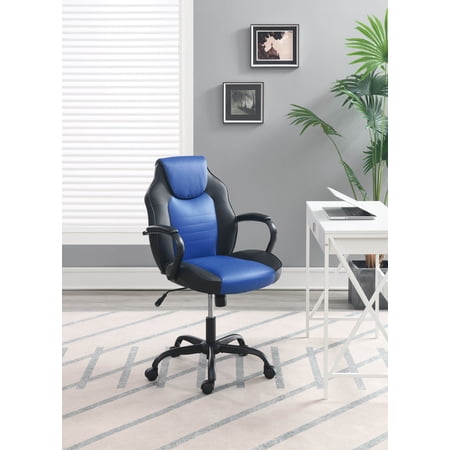
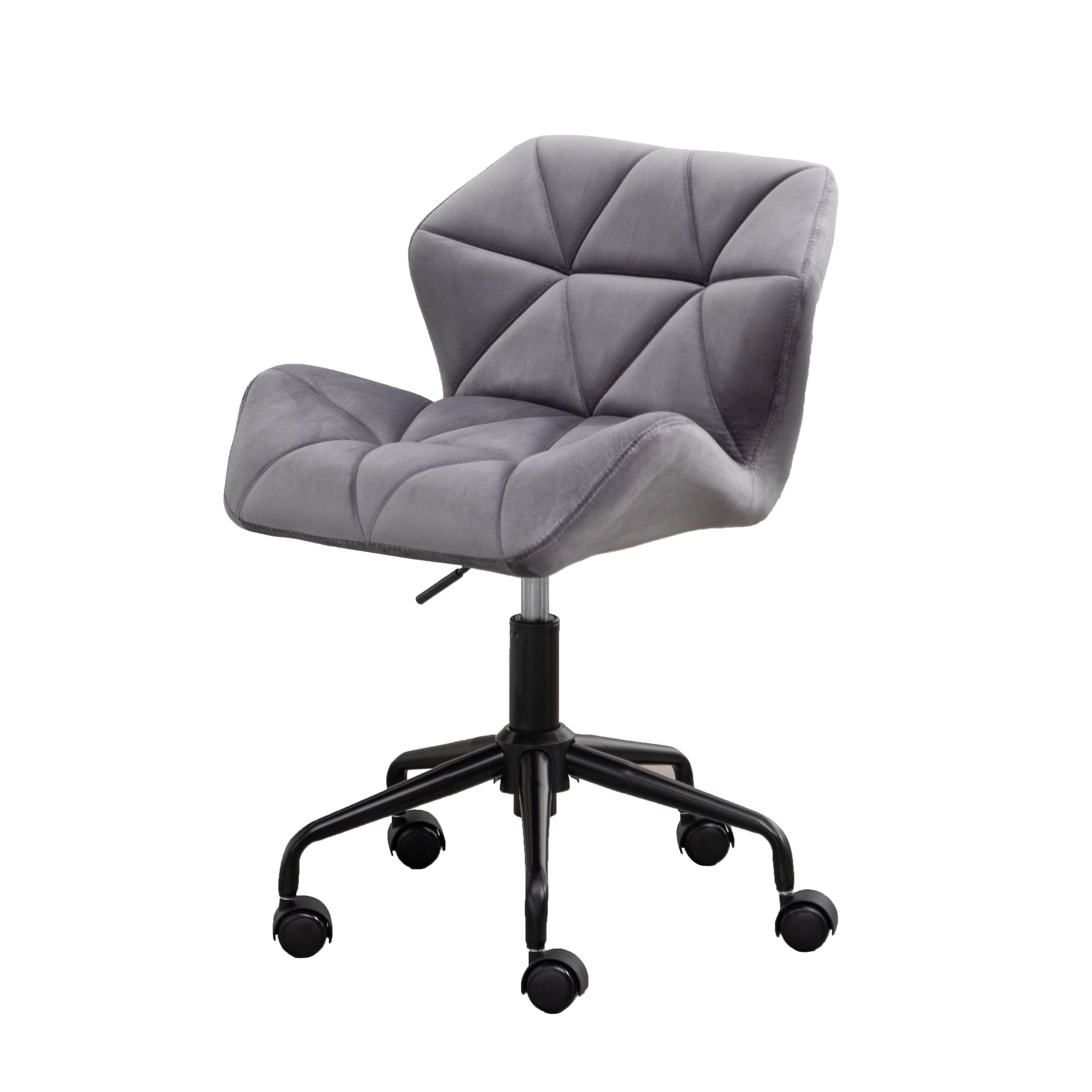
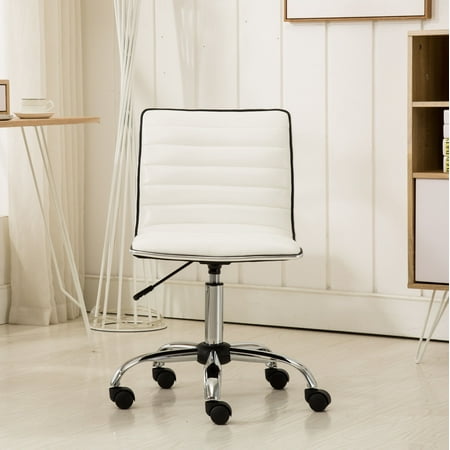
Browse the curated selection of office chairs shown above—each product is fetched directly from Walmart's API to ensure accurate, up-to-date pricing and availability. Whether you're outfitting a home office, upgrading your corporate workspace, or searching for ergonomic relief, the right chair is just a click away.
Your back, your productivity, and your comfort will thank you for making an informed choice.