
Why Your Home Office Chair Needs Proper Lumbar Support
Imagine your spine as a delicate suspension bridge. Without the right support in the middle, the entire structure sags, creating tension and instability. That’s exactly what happens to your back when you sit for hours in a chair that ignores your lumbar curve. A home office chair with lumbar support acts as that crucial central pillar, keeping your posture strong, your muscles relaxed, and your focus sharp. For the millions now working from home, this isn’t just a comfort feature—it’s a health necessity.
Ergonomic Insight: Studies from the World Health Organization show that musculoskeletal conditions, many linked to poor seating, are a leading cause of disability worldwide. Investing in a chair with proper lumbar support can reduce lower back strain by up to 50% compared to a standard task chair, according to research published in the journal 'Applied Ergonomics'.
The Anatomy of Effective Lumbar Support: Beyond a Simple Pillow
Not all lumbar supports are created equal. Some are just a static bump, while others are sophisticated systems that adapt to you. Understanding the different types will help you make a choice that truly benefits your back in the long run.
Dynamic vs. Static Lumbar Systems
- Dynamic (Adaptive) Lumbar Support: Think of this as a "smart" support. It’s a mechanism, often a tensioned membrane or a spring-loaded pad, that moves with you as you shift positions. It provides continuous support whether you're leaning forward to type or reclining to think.
- Adjustable (Height & Depth) Lumbar Support: This is the golden standard. You can manually move the support pad up and down (height) and in and out (depth) to perfectly fit your spine’s unique curve. This is crucial because everyone’s back is different.
- Built-in (Passive) Lumbar Support: This is a permanent contour molded into the backrest. While better than nothing, it assumes a "one-size-fits-all" back shape and may not hit the right spot for you.
The Three Pillars of Lumbar Support Effectiveness
1. Height Adjustment
Allows you to position the support exactly at the apex of your lumbar curve (usually between the bottom of your ribs and the top of your pelvis). If it's too high or low, it can do more harm than good.
2. Depth Adjustment
Controls how much the support pushes into your back. Some prefer a firm, pronounced support, while others need a gentler touch. Depth adjustment lets you dial in the perfect amount of forward pressure.
3. Tension Control
Found in more advanced chairs, this adjusts the "give" or firmness of the support. It works in tandem with the backrest's recline tension to ensure you're supported without feeling like you're being pushed out of the chair.
❓ Quick Quiz: Do You Need More Lumbar Support?
Answer these three questions honestly:
- Do you find yourself slouching forward or sliding down in your chair by mid-afternoon?
- Do you often experience a dull ache in your lower back after a long day at your desk?
- Do you frequently use a separate cushion or rolled-up towel behind your back for relief?
If you answered "yes" to even one of these, your current chair is failing your lumbar spine. A dedicated home office chair with lumbar support is the ergonomic solution you're looking for.
Why Material Matters for Lumbar Comfort
The material covering the lumbar region affects both comfort and support. Here’s a quick breakdown tailored for a home office environment:
- Breathable Mesh: The champion for lumbar support. It conforms to your back's shape, provides firm support, and, most importantly, keeps you cool. No more sweaty backs during long work sessions.
- Fabric (Performance Weave): Offers a good balance of comfort and support. Look for fabrics with a bit of stretch that can still hold the shape of the lumbar mechanism underneath.
- Leather/Faux Leather: While luxurious, it can be less forgiving and hotter. If you prefer leather, ensure the lumbar support is highly adjustable to compensate for the material's lack of give.
The "Goldilocks" Principle: Getting the Fit Just Right
Finding the perfect lumbar support is about personalization. Follow this step-by-step guide when you try out your next chair:
- Sit all the way back: Press your hips and lower back firmly against the backrest.
- Adjust the height: Find the lever or knob for lumbar height. Move the support up and down until the most prominent part of the pad fits snugly into the natural inward curve of your lower back.
- Adjust the depth: If your chair has it, adjust the depth so you feel a gentle, supportive pressure. It should fill the gap, not shove you forward.
- The "Fist Test": You should be able to slide your flat hand between your lower back and the chair with some resistance. If you can fit a fist, the support is too shallow. If you can't fit your hand, it's too deep.
Health Benefits: More Than Just a Comfortable Back
The advantages of proper lumbar support cascade through your entire body. It’s the cornerstone of a healthy seated posture.
- Prevents "Sedentary Slouch": By maintaining the spine's natural S-curve, it prevents the C-curve slouch that compresses discs and strains ligaments.
- Reduces Muscle Fatigue: When your spine is aligned, your back muscles don't have to work as hard to hold you up. This means less fatigue and more energy for your work.
- Improves Circulation: Proper posture prevents compression in the lower back and hips, promoting better blood flow to your legs and feet.
- Enhances Focus and Productivity: Physical discomfort is a major distraction. A comfortable, supportive seat allows you to focus entirely on your tasks. A study by Texas A&M University found that ergonomic interventions can increase productivity by up to 17.5%.
Frequently Asked Questions About Lumbar Support Chairs
Conclusion: Your Back is Your Most Important Office Asset
In the shift to home offices, we've become our own facilities managers. One of the most critical investments you can make in this new workspace is a chair that respects and supports your body's natural architecture. A home office chair with lumbar support is not a luxury; it's the foundation of a productive, healthy, and sustainable work-from-home setup. By prioritizing adjustable, dynamic lumbar support, you're not just buying a chair—you're investing in your long-term well-being and daily comfort. Choose wisely, adjust it carefully, and your back will thank you for years to come.
Final Recommendation
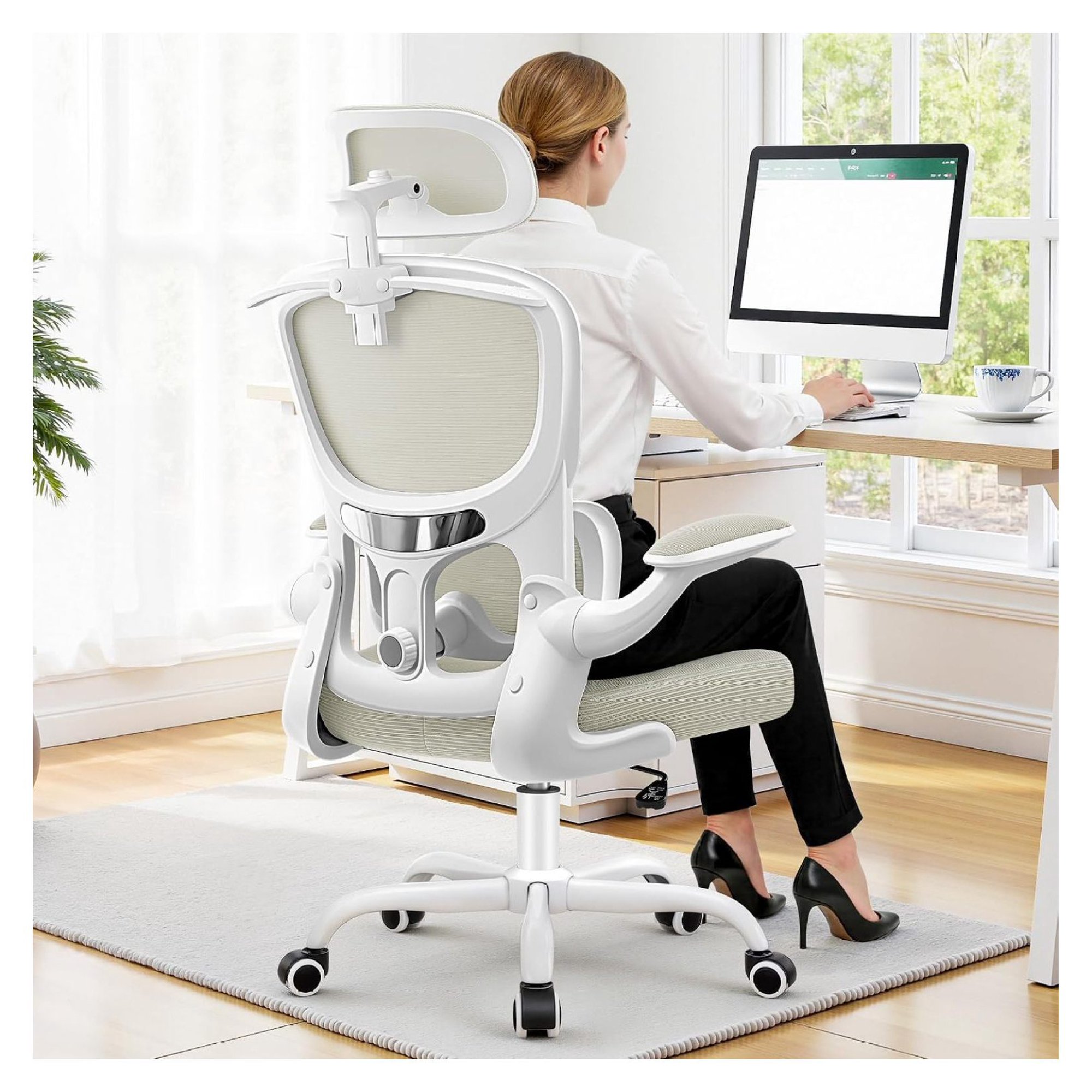
Start your search with chairs that feature independent height and depth adjustment for the lumbar region. Combine this with a breathable back material like mesh, and you’ve found a winner. Explore our curated product grid above to see some of the best models on the market that meet these crucial criteria.