
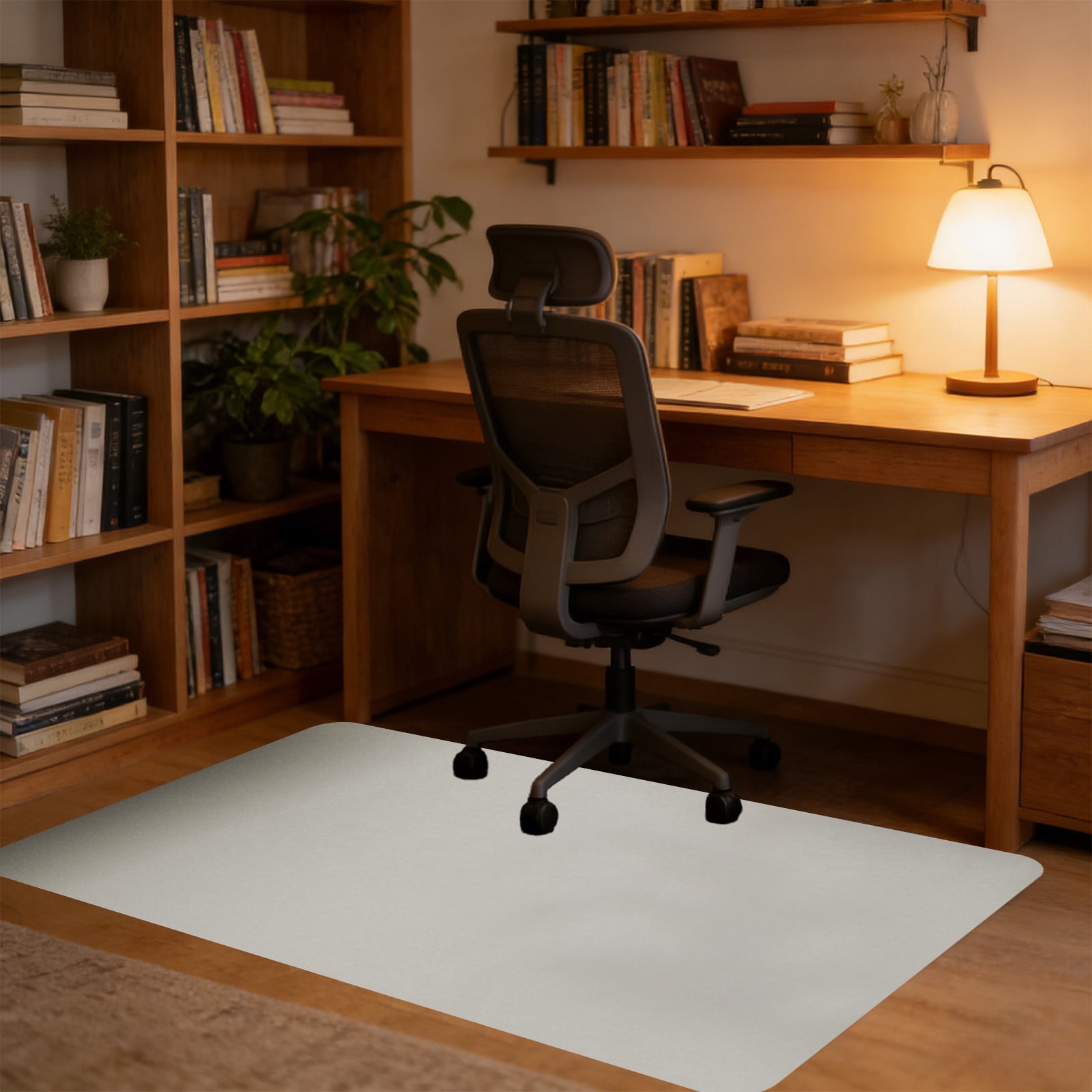
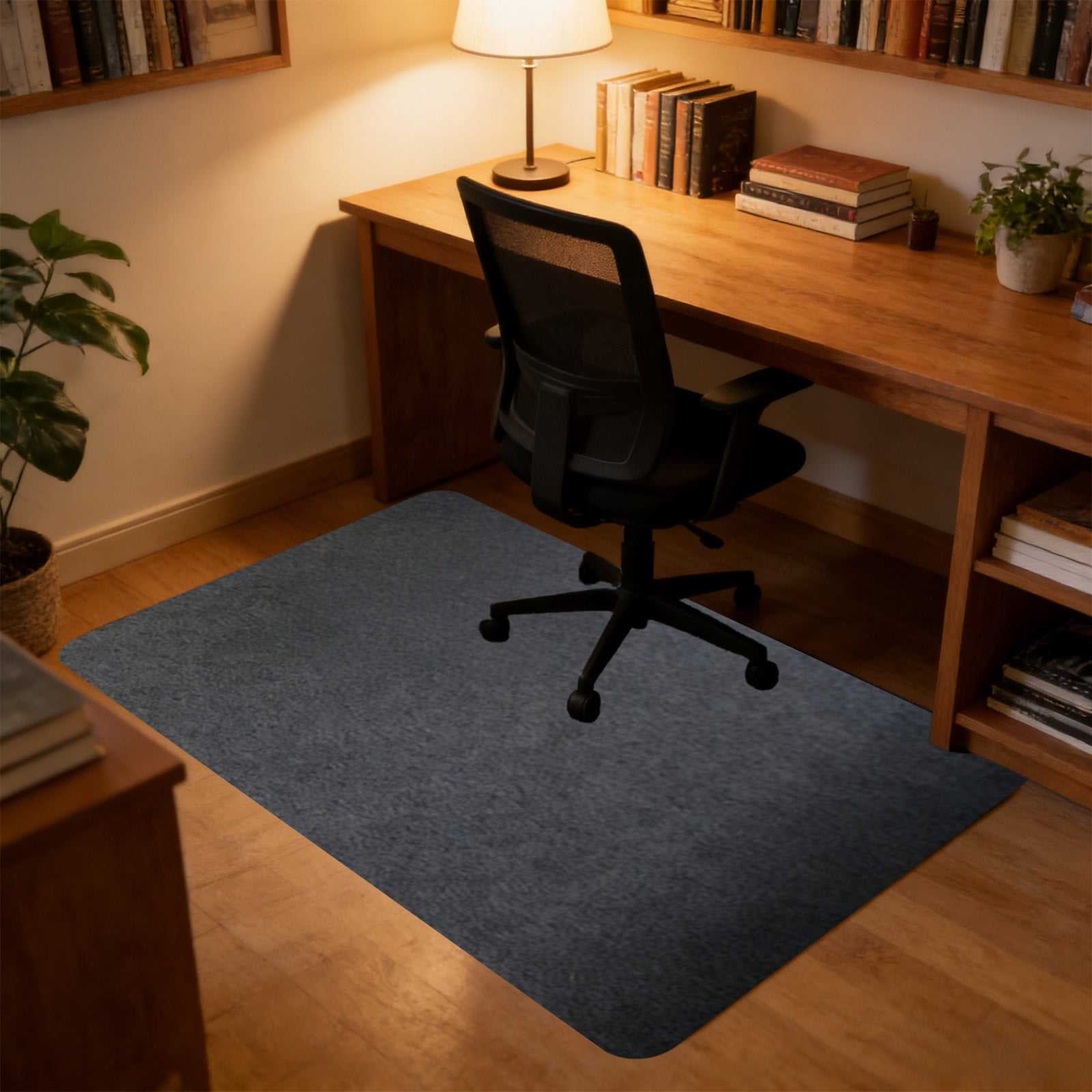
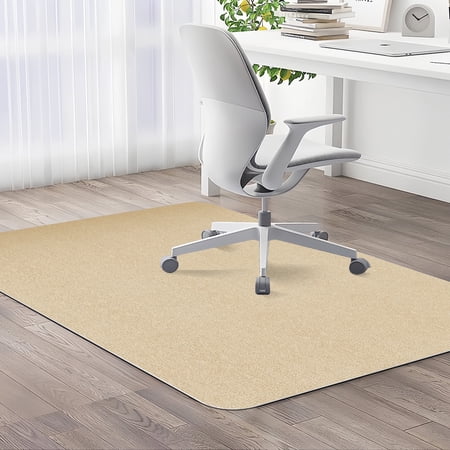
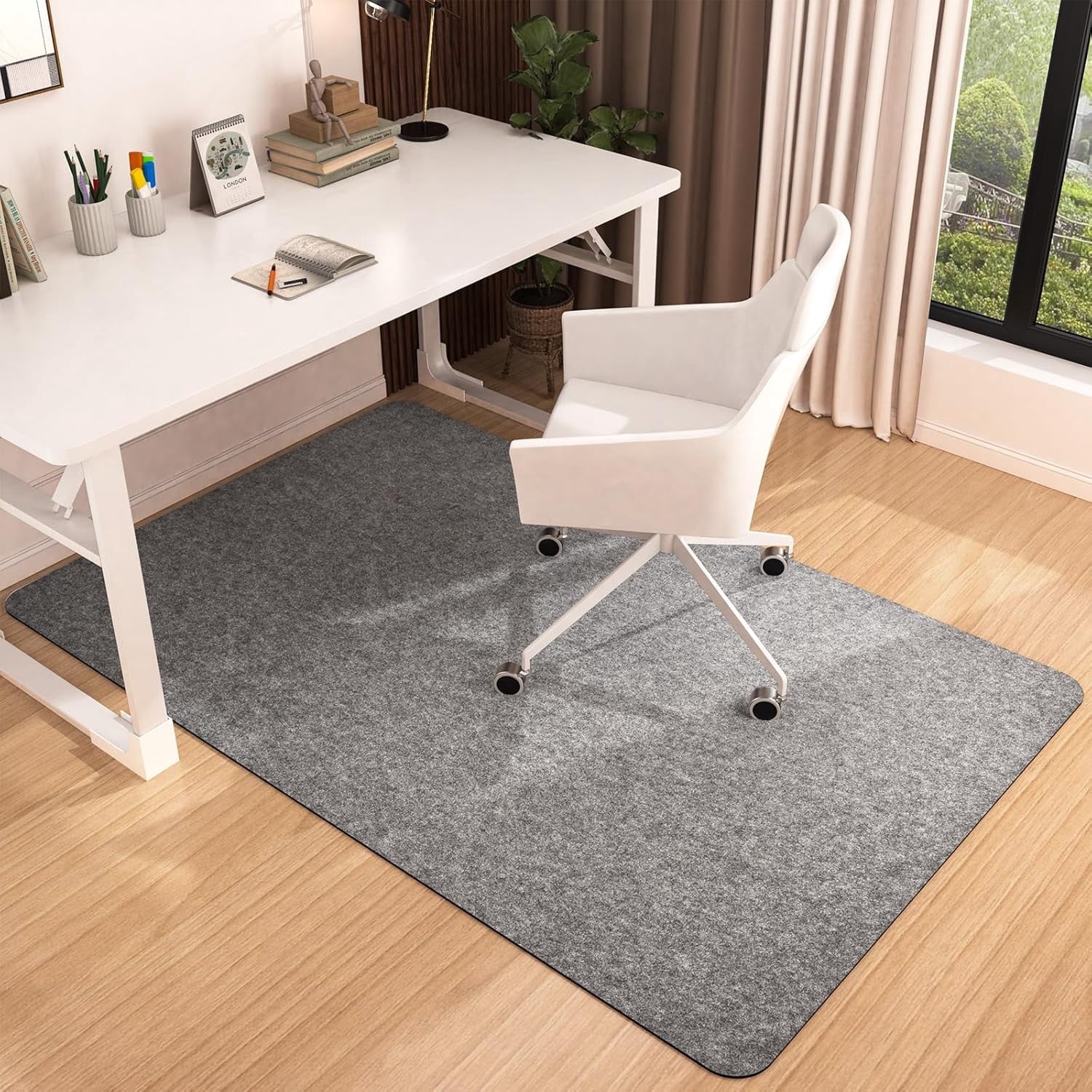
Why You Need a Specialized Rug for Under Your Office Chair
Imagine your office floor as the foundation of a high-performance vehicle. Just as a race car needs specialized tires for different tracks, your workspace requires the right surface to support daily productivity. A standard area rug might look beautiful, but without the right construction, it's like driving a luxury car with bald tires on a rainy day—eventually, something will give.
Industry Insight: According to flooring specialists, the average office chair makes over 50,000 rotational movements per year. Without proper protection, this constant motion can wear through carpet fibers in just 12-18 months. A quality rug designed for under office chairs can extend floor life by up to 300% while improving chair mobility and comfort.
The Hidden Costs of Using the Wrong Rug
Many professionals discover too late that their beautiful, plush area rug was never meant to withstand the daily grind of a rolling office chair. Here's what happens when you use the wrong rug under your workstation:
- Premature fiber wear: Chair casters act like tiny sanders, grinding down carpet fibers and creating visible wear paths within months
- Impaired mobility: High-pile rugs create resistance, forcing you to exert extra energy just to move your chair
- Back and shoulder strain: When your chair doesn't roll smoothly, you unconsciously compensate with awkward twisting motions
- Snagged casters: Loose loops or long fibers can catch chair wheels, causing sudden jerks that spill coffee or disrupt focus
- Voided floor warranties: Many flooring manufacturers consider chair damage as improper use, voiding coverage
Key Characteristics of the Perfect Rug for Under Office Chair
Selecting the right office rug isn't just about aesthetics—it's about engineering. The ideal rug for under your desk combines specific technical features that work in harmony with your chair and floor type.
| Feature | Why It Matters | What to Look For |
|---|---|---|
| Pile Height | Determines how easily casters roll and how much wear the rug can withstand | Low pile (under 1/4 inch) or flat weave; avoid anything over 3/8 inch |
| Fiber Density | Higher density means better durability and resistance to matting | At least 50 ounces per square yard; commercial-grade construction |
| Material Type | Different fibers offer varying durability, stain resistance, and comfort | Nylon, polypropylene, wool blends, or commercial-grade polyester |
| Backing Construction | Prevents rug shifting and provides stability for chair movement | Double-layered latex or rubber backing with non-slip properties |
| Stain Treatment | Essential for office environments with coffee, food, and daily traffic | Built-in stain resistance or easy-to-clean treatment |
The Science of Smooth Rolling: How Rug Construction Affects Mobility
Think of your office chair casters like the wheels of a bicycle. On a smooth, paved road, you glide effortlessly. On loose gravel or thick grass, every rotation requires tremendous effort. The same principle applies to your office chair. When you invest in a quality rug designed for under office chair use, you're essentially paving a smooth road for your daily workflow.
Pro Tip: The Penny Test
Here's a simple way to test if your current or potential rug works well with office chairs: Place a penny on edge in the rug fibers. If the penny stands upright without falling, the pile is too high for smooth chair movement. If it falls over immediately, you've got a chair-friendly low-pile surface.
Rug Materials Compared: Finding Your Perfect Match
Just as you wouldn't wear a wool sweater to the beach or a swimsuit to a business meeting, different rug materials serve different purposes in your office. Understanding the unique characteristics of each fiber type helps you make an informed decision that balances durability, comfort, maintenance, and budget.
Nylon Rugs
Advantages:
- Exceptional durability (often lasts 15+ years)
- Excellent resilience—fibers bounce back after compression
- Superior stain resistance when treated
- Available in countless colors and patterns
- Resists crushing from heavy chairs
Best For: High-traffic executive offices, home offices with heavy use, areas with frequent chair movement
Nylon Considerations
- Higher price point than synthetics
- May require professional cleaning
- Can generate static electricity
- Some types may fade in direct sunlight
- Not inherently stain-resistant without treatment
Polypropylene (Olefin)
Advantages:
- Budget-friendly price point
- Inherently stain-resistant (moisture doesn't absorb)
- Excellent for indoor/outdoor use
- Fade-resistant and colorfast
- Easy to clean with mild soap and water
Best For: Home offices, rental spaces, areas prone to spills, budget-conscious buyers
Polypropylene Considerations
- Less resilient than nylon (can crush over time)
- Oil-based stains are difficult to remove
- Can feel less soft underfoot
- May flatten in high-traffic areas
- Shorter lifespan (typically 5-8 years)
Wool Blends
Advantages:
- Natural luxury and softness
- Excellent durability and resilience
- Naturally stain-resistant (lanolin coating)
- Eco-friendly and sustainable
- Superior insulation and sound absorption
Best For: Executive offices, professional spaces, eco-conscious buyers, luxury home offices
Wool Considerations
- Highest price point
- Professional cleaning recommended
- Can shed fibers initially
- Susceptible to moth damage
- May feel warm in hot climates
Commercial-Grade Polyester
Advantages:
- Excellent stain resistance
- Vibrant color retention
- Soft, luxurious feel
- Often made from recycled materials
- Budget-friendly compared to nylon
Best For: Modern offices, eco-friendly spaces, areas with spill risk
Polyester Considerations
- Can crush and mat over time
- Less resilient than nylon
- Oil-based stains can be problematic
- May not withstand extreme heavy use
- Shorter warranty periods
Quick Comparison Table: Rug Materials for Office Chair Use
| Material | Durability (Years) | Rolling Ease | Stain Resistance | Maintenance | Price per sq ft | Best Application |
|---|---|---|---|---|---|---|
| Commercial Nylon | 12-15+ | Excellent | Good (with treatment) | Vacuum; professional clean | $5-$12 | Heavy executive use |
| Polypropylene | 5-8 | Very Good | Excellent (water-based) | Easy; soap and water | $2-$5 | Home offices, rentals |
| Wool Blend | 10-15+ | Good | Very Good (natural) | Professional cleaning | $8-$20 | Executive/luxury offices |
| Polyester (PET) | 5-10 | Good | Excellent | Easy; spot clean | $3-$7 | Modern, eco-friendly spaces |
| Olefin Loop | 7-10 | Very Good | Excellent | Very easy | $3-$6 | High-traffic, commercial |
Ultimate Selection Guide: Choosing the Perfect Rug for Under Your Office Chair
Selecting the right office rug is like choosing a business partner—you need someone who can handle the daily grind while looking professional and supporting your success. Follow this comprehensive step-by-step guide to make an informed decision that serves you for years to come.
Step 1: Assess Your Floor Type and Workspace
- Hardwood or laminate: You need a rug with a non-slip backing to prevent sliding; consider a rug pad for extra grip and floor protection
- Existing carpet: Choose a low-profile rug that won't create an uneven surface; ensure total height doesn't exceed 1/2 inch for smooth chair movement
- Tile or concrete: Prioritize cushioning and insulation; thicker rug pads add comfort for standing tasks
- Measure your space: Account for desk, chair radius, and walking paths—add 24-30 inches beyond each side of your chair's typical movement area
Step 2: Define Your Usage Patterns
If you frequently roll between desk, filing cabinets, and meeting areas, choose a commercial-grade nylon or polypropylene flat weave for durability
If you rarely move once seated, you can consider slightly plusher options, but maintain low pile to prevent caster indentations
Prioritize aesthetics and professional appearance; wool blends or designer nylon rugs in sophisticated patterns work well
Balance style with function; indoor/outdoor polypropylene offers both durability and design flexibility
Choose commercial-grade carpet tiles that allow easy replacement of worn sections
Select solution-dyed nylon or olefin with built-in stain resistance and high-density construction
Step 3: Set Your Budget and Value Expectations
Consider your office rug as an investment in productivity and floor protection. Here's what different budget tiers typically deliver:
Budget-Friendly
Basic polypropylene or polyester rugs; good for light use, rentals, or temporary spaces
Mid-Range
Quality nylon or commercial-grade polypropylene; excellent durability and stain resistance
Premium
High-end nylon, wool blends, or designer collections; superior comfort and longevity
Executive Luxury
Custom wool rugs, hand-tufted designs, or commercial-grade with extended warranties
Step 4: Test Before You Invest
Pro Tip: Request samples whenever possible. Place them under your chair for a week and observe:
- Does your chair roll smoothly in all directions?
- Does the rug shift or bunch up during use?
- How does it look after several days of chair movement?
- Test with a small spill—does it clean easily?
Frequently Asked Questions About Rugs for Under Office Chairs
Conclusion: Making the Right Choice for Your Workspace
Selecting the perfect rug for under your office chair is more than a decorative decision—it's an investment in your daily comfort, productivity, and the longevity of your flooring. The right rug serves as the unsung hero of your workspace, quietly supporting your movements while protecting what's underneath.
Final Recommendations by Office Type
Mid-range polypropylene flat weave with non-slip backing. Balances durability with budget, offers easy maintenance, and provides professional appearance without breaking the bank.
Premium wool blend or commercial-grade nylon in a sophisticated pattern. Conveys success while providing exceptional durability and comfort for long workdays.
Indoor/outdoor polypropylene in bold patterns or colors. Withstands heavy use, resists stains, and allows you to express personal style without sacrificing function.
Commercial-grade carpet tiles with replaceable sections. Practical for high-traffic areas, allows easy repairs, and maintains consistent appearance throughout the space.
Quick Decision Matrix
| Your Priority | Recommended Rug Type | Key Features | Price Indicator |
|---|---|---|---|
| Maximum Durability | Commercial Nylon | High density, solution-dyed, 15+ year warranty | $$$ |
| Budget Value | Polypropylene Indoor/Outdoor | Low pile, stain-resistant, easy clean | $ |
| Luxury Feel | Wool Blend | Natural fibers, elegant appearance, premium comfort | $$$$ |
| Eco-Friendly | Recycled PET Polyester | Sustainable materials, vibrant colors, stain-resistant | $$ |
| Easy Maintenance | Olefin Loop Pile | Bleach-cleanable, moisture-resistant, commercial grade | $$ |
Remember: The perfect rug for under your office chair exists at the intersection of three factors: your floor type, your movement patterns, and your aesthetic preferences. Take time to assess each element, and don't hesitate to invest in quality—your back, your floors, and your daily comfort will thank you for years to come.