
Why Your Desk Setup Needs a Bamboo Office Chair Mat
Imagine your office floor as the foundation of a house. No matter how beautiful the walls (your desk and chair), a cracked or worn foundation spoils everything. Standard plastic mats crack, yellow, and slide around—meanwhile, your beautiful hardwood or tile gets scratched by rolling casters. Enter the bamboo office chair mat: a sustainable, sturdy, and stylish solution that protects your floors while adding natural warmth to your workspace.
Did you know? Bamboo is a grass that grows up to 3 feet per day, making it one of the most renewable resources. Choosing a bamboo mat reduces plastic waste and your carbon footprint. According to the USDA Forest Service, bamboo sequesters carbon 4x faster than mature trees.
The Anatomy of a Quality Bamboo Office Chair Mat
Not all bamboo mats are created equal. To ensure you invest wisely, let’s break down the key components that separate a durable, high-performance mat from a flimsy one.
1. Material Grade & Construction
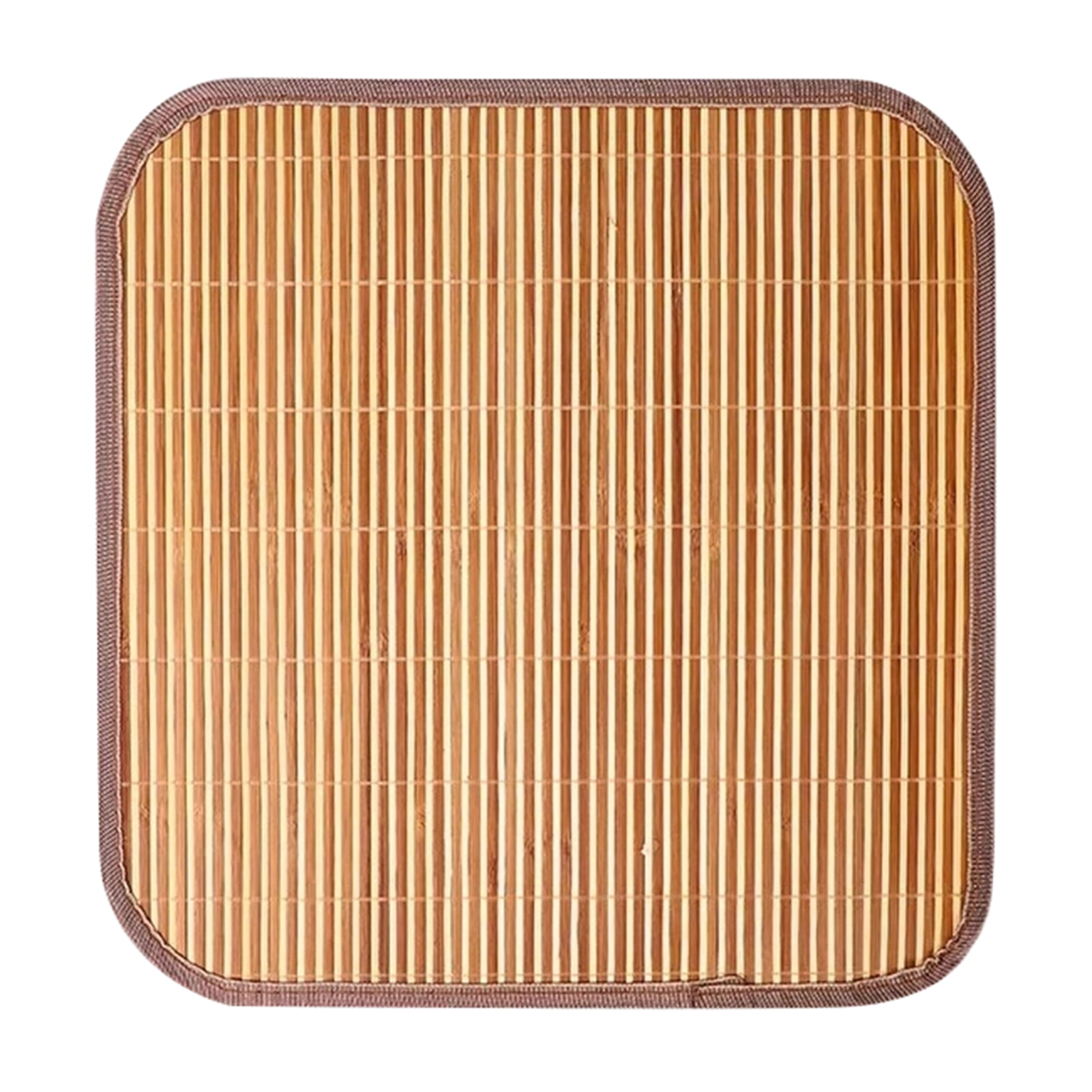
Bamboo mats are typically made from strand-woven bamboo, which is bamboo fibers compressed with adhesive under extreme pressure. This process creates a density that rivals hardwoods like oak or maple. Look for these indicators:
- Strand-woven construction: Offers maximum hardness (Janka rating around 3,000+).
- Thickness: Premium mats are at least ½ inch thick to resist warping.
- Multi-ply layering: Cross-layered bamboo plies add structural stability.
- Finish: UV-cured polyurethane or natural oil finish protects against moisture and wear.
2. Backing System: The Unsung Hero
A mat that slides is annoying and unsafe. The backing keeps it planted. You’ll find two main types:
- Cork backing: Natural, non-slip, and eco-friendly. It conforms slightly to floor texture.
- Felt backing: Soft, protects delicate floors, and dampens sound. Ensure it’s dense enough to prevent slippage.
- Grip dots/rubber: Some mats use small rubber dots—effective but can mark某些 floors; check compatibility.
3. Edge Design: Beveled vs. Square
Running your chair onto a mat with a sharp edge feels like hitting a speed bump. A well-designed mat solves this:
- Beveled edges (on all sides): Allow chairs to roll on and off smoothly and reduce tripping hazard.
- Square edges: Often found on cheaper mats; they can curl or catch chair wheels.
- Trim-to-fit options: Some mats have marked cutting lines so you can customize the shape for your desk layout.
4. Size & Shape Considerations
Your mat should accommodate your chair’s full range of motion and your desk footprint. Common dimensions:
| Shape | Typical Dimensions | Best For |
|---|---|---|
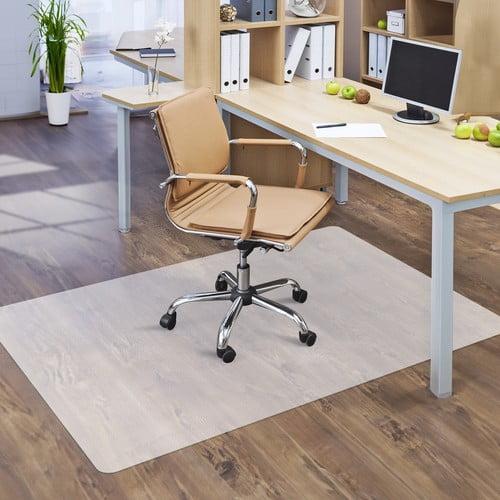
| Rectangle | 36" x 48" or 46" x 60" | Standard desk setups, allows chair to roll side to side. |
| Lip/Keyhole | 50" x 60" with cutout for desk | L-shaped desks or workstations where you pull close to the desk. |
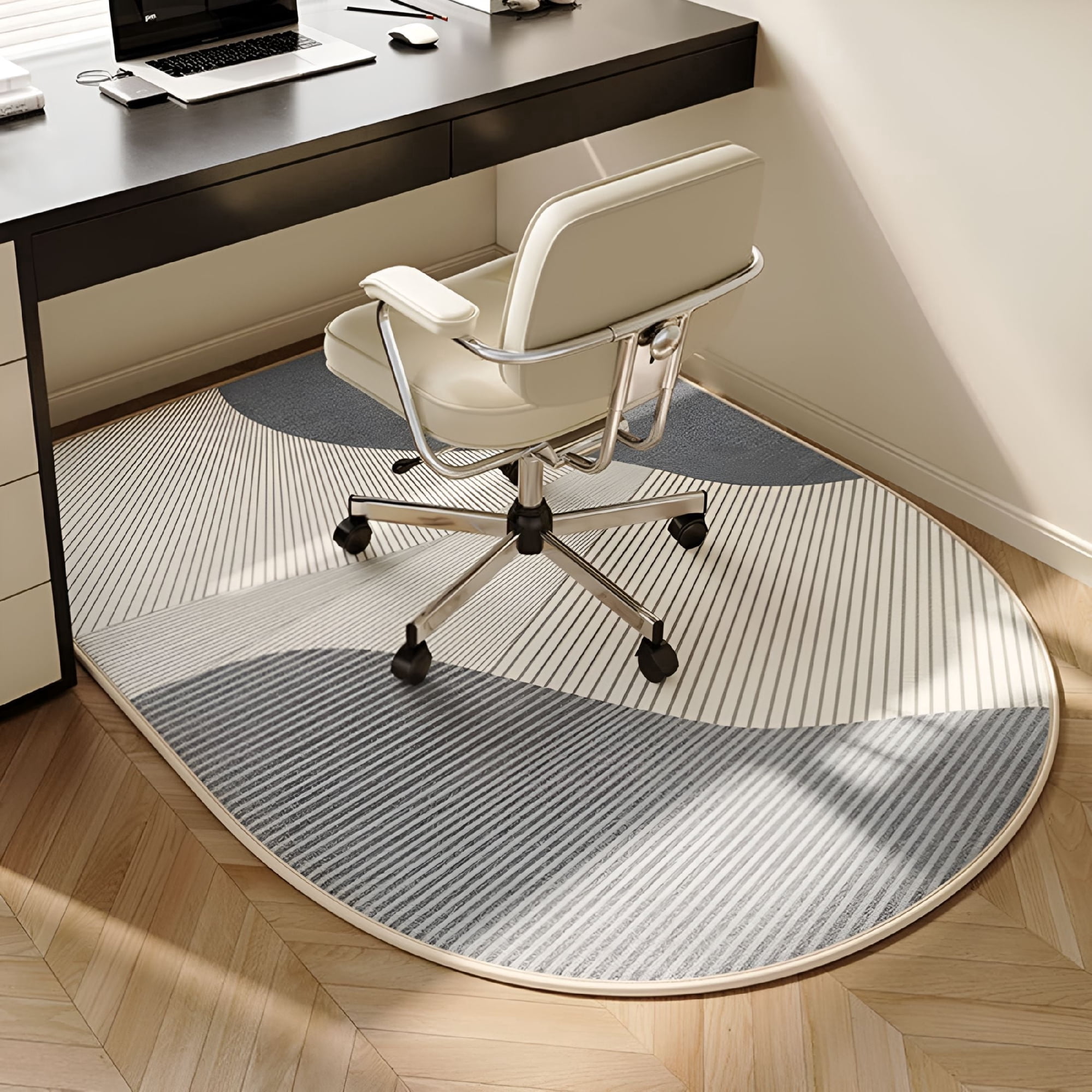
| Round or Contour | 45" diameter | Compact spaces, executive offices with central chair position. |
Bamboo vs. Plastic vs. Glass: A Real-World Comparison
Still unsure if bamboo is right for you? Here’s how it stacks up against common alternatives.
| Feature | Bamboo Mat | PVC / Plastic Mat | Tempered Glass Mat |
|---|---|---|---|
| Eco-friendliness | Excellent (renewable, biodegradable) | Poor (petroleum-based, non-biodegradable) | Moderate (recyclable but energy-intensive) |
| Durability | High (won't crack, can last 15+ years) | Low-Medium (cracks, yellows in 3-5 years) | High (but can shatter if impacted) |
| Aesthetics | Warm, natural, professional | Often cloudy or cheap-looking | Sleek, modern, but shows every dust speck |
| Floor protection | Excellent (soft backing) | Good, but can trap moisture | Excellent, but heavy |
| Price Range | $100 – $250 | $40 – $120 | $150 – $400+ |
As you can see, bamboo hits the sweet spot: eco-friendly, durable, and visually appealing—a true long-term investment for your office.
Beyond Floor Protection: The Unexpected Benefits of Bamboo Mats
Reduced Strain
The slight natural give of bamboo (compared to concrete-hard glass) reduces shock on chair casters, leading to smoother, quieter rolling and less arm fatigue when you push back.
Indoor Air Quality
Bamboo mats don't off-gas VOCs like PVC mats. You breathe cleaner air, which can improve cognitive function—great for long workdays.
Biophilic Design
Studies from the University of Melbourne show that incorporating natural elements (like wood/bamboo) into office spaces reduces stress and increases creativity by up to 15%.
Hypoallergenic Surface
Bamboo resists dust mites and mold, making it a healthier choice for allergy sufferers compared to carpet or fabric mats.
How to Choose the Perfect Bamboo Office Chair Mat
Follow this simple 4-step guide to zero in on the ideal mat for your workspace.
- Step 1: Measure Your Floor Space. Clear your desk area. Measure the width and depth you need, allowing at least 12 inches extra on each side of your chair’s rolling range.
- Step 2: Identify Your Floor Type. For hardwood/tile/laminate, choose a mat with a soft felt or cork backing. For low-pile carpet, ensure the mat has enough weight (and optional grippers) to stay put.
- Step 3: Match Your Desk Shape. If you have a straight desk, a rectangle mat is fine. For an L-shaped or corner desk, a lip/contour mat helps you get closer to the work surface.
- Step 4: Check Caster Compatibility. While bamboo works with most casters, if you have metal or hard plastic casters, consider swapping them for soft rubber ones to protect the mat’s finish.
Keeping Your Bamboo Mat Pristine (For Years)
A little care goes a long way. Here’s a quick maintenance checklist:
- • Daily/Weekly: Sweep or vacuum (with soft brush) to remove grit that can act like sandpaper.
- • Monthly: Damp-mop with a wood-floor cleaner (like Bona) or dilute vinegar solution. Dry immediately.
- • Yearly: Apply a rejuvenating oil or wax if the mat looks dry—this maintains the luster and moisture barrier.
Frequently Asked Questions About Bamboo Office Chair Mats
Final Verdict: Is a Bamboo Office Chair Mat Worth It?
If you value your floors, your health, and the planet, the answer is a resounding yes. A bamboo chair mat transforms a mundane protective accessory into a design feature. It rolls better, lasts longer, and looks vastly superior to plastic alternatives. Think of it as fine furniture for your floor—an investment that pays dividends in durability and daily enjoyment.