
Why Your Workspace Needs a Small Office Chair Mat
A small office chair mat is often the unsung hero of an efficient and tidy workspace. If you've ever struggled to push your chair across a thick carpet or cringed at the scratches your wheels leave on hardwood floors, you already understand the problem. A compact mat solves both issues neatly.
Quick Stat: According to interior design surveys, floors in home offices experience 40% more wear and tear from chair casters than from regular foot traffic. A simple chair mat can extend the life of your flooring by years.
The "Small" Advantage: Why Size Matters
While standard chair mats are large (often 36" x 48"), a small office chair mat is designed for tighter footprints. It fits perfectly under a compact desk, a writing table, or a corner workstation. You get the protection you need without a massive piece of plastic dominating your room. It's the minimalist's choice.
5 Key Benefits of Using a Compact Chair Mat
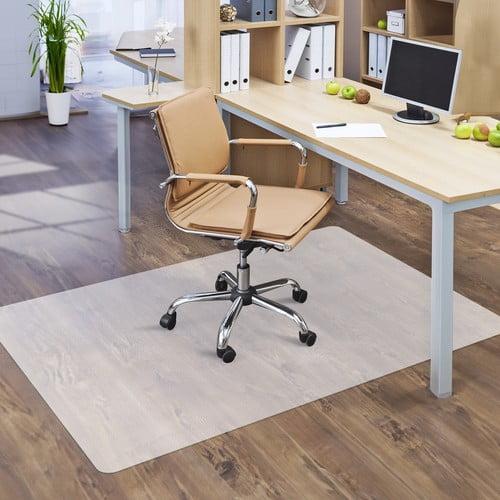
- Floor Preservation: The primary job is to act as a shield. On carpets, it prevents the matting down of fibers and ugly "caster tracks." On hardwood, laminate, or tile, it blocks scratches, scuffs, and the gradual wearing away of the finish.
- Ergonomic Glide: A quality mat provides a smooth, low-friction surface. This means you can move from one side of your desk to the other with a gentle push, reducing strain on your legs and lower back.
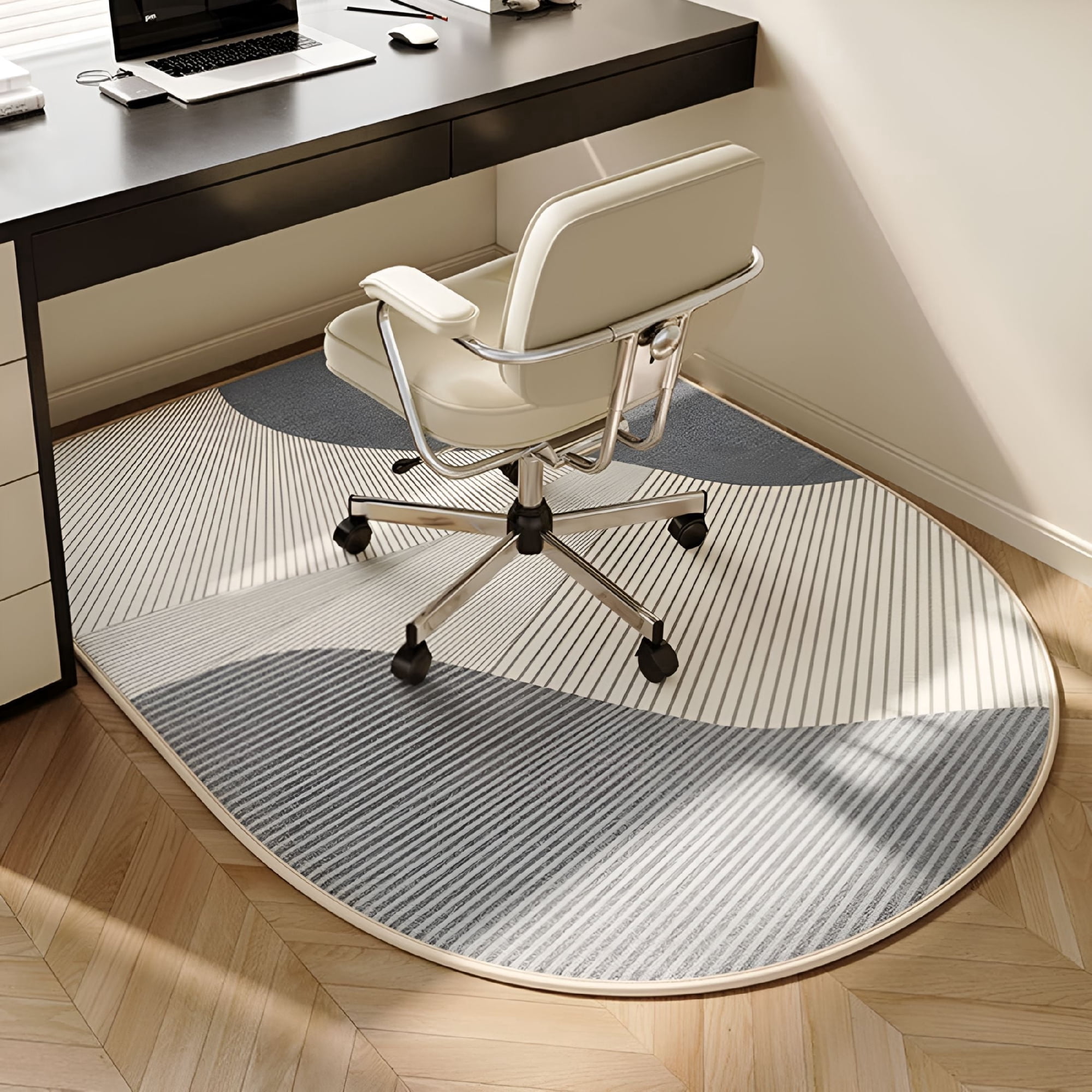
- Space Efficiency: In a small home office or a dorm room, every inch counts. A compact mat fits the space without overlapping under furniture or looking like an afterthought.
- Reduced Noise: Rolling casters directly on hardwood can be surprisingly loud. A mat dampens that noise, making your office quieter for you and anyone in the next room.
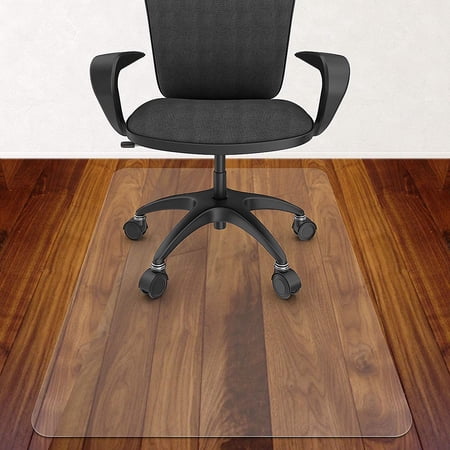
- A Cleaner Look: Many modern mats are made from crystal-clear polycarbonate that blends into the floor, offering protection without visual clutter. They let your beautiful floor show through.
Choosing the Right Mat: Carpet vs. Hard Floor
Selecting the correct mat type is crucial. Using a carpet mat on a hard floor can cause slipping, while using a hard floor mat on plush carpet won't provide enough support. Here’s how to decide:
For Carpeted Floors
Look for a mat with a studded or gripper base. These tiny spikes or nubs dig into the carpet fibers, anchoring the mat firmly in place so it doesn't slide around as you roll. The surface should be smooth and rigid enough to prevent the casters from sinking into the carpet pile.
- • Ideal for: Low to medium-pile office carpet.
- • Tip: If you have thick, plush carpet, opt for a mat labeled "heavy-duty" or "high-pile" to ensure the studs are long enough to grip.
For Hard Floors (Wood, Tile, Laminate)
Choose a mat with a smooth or textured backing, often made from a soft-grip material like polyurethane. This grips the floor without scratching. The mat itself should be made of a non-yellowing, durable material like polycarbonate.
- • Ideal for: Hardwood, bamboo, luxury vinyl tile (LVT), ceramic tile, and concrete.
- • Warning: Avoid mats with rubber backs that can stain or react with certain floor finishes. Always check the manufacturer's recommendation.
Material Deep Dive: Polycarbonate vs. PVC vs. Glass
The material of your mat dictates its longevity and performance. Here’s a simple breakdown:
- Polycarbonate (Premium Choice): This is the gold standard. It's incredibly durable, resistant to cracking and chipping, and doesn't curl at the edges. It's crystal clear and stays that way. If you want a "buy-it-for-life" mat for a hard floor, this is it.
- PVC / Vinyl (Budget-Friendly): These are the most common and affordable mats. They work well, especially on carpets, but they can be prone to cracking over time and may develop a curled lip that becomes a tripping hazard. They also tend to have a slight odor initially.
- Tempered Glass (Luxury & Aesthetic): Glass mats offer a sleek, ultra-clear look and an incredibly smooth rolling surface. They are very heavy and stable but can be expensive and require more care to keep clean (fingerprints show).
Key Features to Look For
When shopping for your small office chair mat, keep an eye out for these details:
- Thickness: For carpets, a thicker mat (around 3/16" to 1/4") is better to prevent the casters from hitting the carpet. For hard floors, a thinner, rigid mat is sufficient.
- Lip Style: A straight edge is fine for most desks. However, if you sit with your chair tucked under the desk, a mat with a lipped edge that goes under the desk can protect the area your feet rest on.
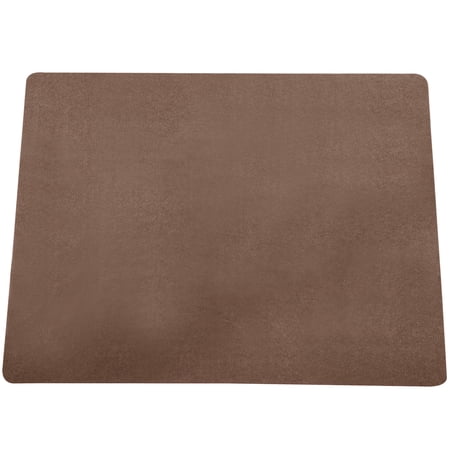
- Transparency: If you love the look of your floor, go for a high-clarity mat. Tinted or textured mats can hide dirt but might clash with your decor.
- Chemical Composition: Look for mats labeled "phthalate-free" or "non-toxic," especially for home offices where you spend many hours. Polycarbonate mats are naturally free of these chemicals.
Remember, the perfect small office chair mat doesn't just protect your floor; it enhances your entire workflow. It's a small investment that pays dividends in comfort and peace of mind every single day.