
The Enduring Appeal of the Mid Century Swivel Office Chair
Imagine a chair that doesn't just hold you up, but also holds a conversation. That's the magic of a mid century swivel office chair. It’s like the perfect guest at a dinner party: stylish, comfortable, and engaging. In an era where our home offices often double as a bedroom corner or a living room nook, this chair style has surged in popularity—not just for its looks, but for its surprising adaptability to the modern workflow.
Why has this design, born between the 1940s and 1960s, found a new lease on life? According to a recent survey by the American Home Furnishings Alliance, nearly 35% of home office buyers prioritize aesthetics equally with ergonomics, a significant shift from just five years ago. People no longer want their workspace to look like a sterile corporate cubicle. They want warmth, character, and a touch of nostalgia. This is where the mid-century modern aesthetic comes in, acting as a bridge between "office furniture" and "home decor."
Anatomy of a Mid Century Swivel Chair: Form, Function, and Feel
To truly appreciate this category, we need to dissect it. A genuine mid century swivel office chair is more than just a pretty face. It's a carefully engineered piece where every component serves both an aesthetic and a practical purpose. Let's explore the key elements that define this classic style.
1. The Foundation: Tapered Wooden Legs
The signature of the mid-century look is the leg. Unlike the hidden, plastic-covered hydraulic lifts of standard chairs, these chairs proudly display their legs. Typically made from walnut, teak, or oak, they are almost always tapered—wider at the top and narrowing towards the floor. This design, pioneered by designers like Arne Jacobsen and Charles and Ray Eames, gives the chair a light, airy feel, as if it’s gently resting on the floor. From a practical standpoint, these legs allow the chair to slide easily over rugs and hardwood, and they are often fitted with felt pads or smooth casters to protect your flooring.
2. The Upholstery: From Tweed to Top-Grain Leather
The original mid-century chairs featured materials that were innovative for their time—molded plywood, fiberglass, and bold fabrics. Today's versions offer a delightful mix. You'll find chairs upholstered in:
- Vintage Tweed or Linen: Perfect for adding texture and a warm, organic feel. These breathable fabrics are great for long sitting sessions as they don't trap heat.
- Rich Velvet: For a touch of glamour, velvet mid-century chairs are a favorite on social media. They add a pop of color and a soft, luxurious feel, though they require a bit more care.
- Bonded or Top-Grain Leather: Offers a sleek, professional look that’s easy to clean. Leather ages beautifully, developing a unique patina over time that adds to the vintage charm.
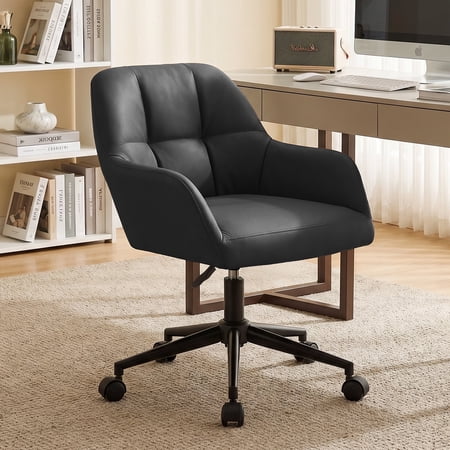
The key is the "button-tufting" or clean, uncluttered lines. Some feature a classic "bucket seat" design that provides a surprising amount of lateral support, gently holding you in place as you swivel from your desk to a side table.
3. The Swivel Mechanism: The Heart of Movement
This is where modern engineering meets retro design. A quality mid century swivel office chair must have a smooth, quiet, and durable swivel base. Unlike basic office chairs that can become squeaky and wobbly, premium models use heavy-duty steel mechanisms. The swivel allows for dynamic movement, which is crucial for ergonomics. It encourages you to turn to reach files, talk to someone behind you, or simply change your viewing angle without straining your torso. This constant micro-movement is excellent for spinal health.
4. Ergonomics Disguised as Art
A common misconception is that style sacrifices comfort. However, modern manufacturers have brilliantly integrated ergonomic features into the classic silhouette. Here’s how:
- Curved Backrests: Many mid-century chairs feature a single-piece curved shell. This is not just for looks; it's designed to mimic the spine's natural 'S' curve, providing lumbar support without the need for an extra pillow.
- Seat Depth and Height: While many are fixed-height, a new generation of "executive" mid-century chairs incorporates a hidden gas lift within the wooden base, allowing you to adjust the height while maintaining the wooden leg aesthetic. Look for seat depths of at least 19-20 inches to ensure proper thigh support.
- Armrests: They can be a point of contention. Some designs are armless, offering maximum freedom of movement and allowing you to tuck the chair under a desk. Others feature wooden or upholstered armrests that follow the gentle curve of the seat, providing elbow support that helps relax your shoulders.
Pros and Cons at a Glance
✓ Advantages
- Timeless Aesthetic: Never goes out of style.
- Statement Piece: Elevates the entire room's look.
- Quality Materials: Often uses solid wood and premium fabrics.
- Versatile: Works in offices, bedrooms, and living rooms.
- Encourages Movement: The swivel function promotes dynamic sitting.
✗ Considerations
- Adjustability: Fewer adjustments than high-tech ergo chairs.
- Lumbar Support: May need an extra cushion for some users.
- Price: Quality designs can be an investment.
- Weight Capacity: Some models have lower limits (check specs).
- Fabric Maintenance: Light-colored fabrics can show wear.
5. The Color Palette: More Than Just Brown
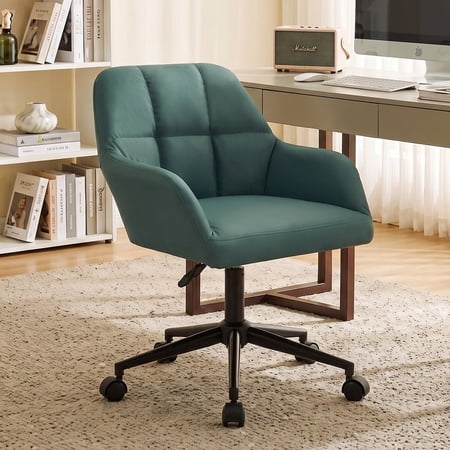
While traditional mid-century colors include deep oranges, mustard yellows, and avocado greens, modern interpretations have expanded the palette. A mid century swivel office chair today can be a calming navy blue, a sophisticated charcoal grey, or a bright, cheerful pink. The key is that the color is used confidently. It’s not just a chair; it’s a focal point. The contrast between the warm wood tones of the legs and the bold color of the upholstery is what creates that iconic, eye-catching look.
Did you know? According to color psychology, the warm, earthy tones of mid-century design (like burnt orange and olive) are known to promote feelings of stability and creativity, making them ideal for a home office environment.
6. The Perfect Pairing: Flooring and Accessories
To truly make your chair shine, consider its environment. These chairs look stunning on hardwood floors, where the wooden legs can be fully appreciated. However, on carpet, they are equally at home. If you're concerned about rolling smoothly on thick carpet, consider a large office chair mat or a specific rug that allows for easy movement while protecting the floor. The transparent or clear mats are popular as they don't hide the beauty of the chair or the floor underneath.
Frequently Asked Questions About Mid Century Swivel Chairs
Conclusion: Is a Mid Century Swivel Chair Right for Your Workspace?
Choosing a mid century swivel office chair is a decision to invest in your daily environment. It's about rejecting the beige, plastic monotony of the past and embracing a workspace that reflects your personality. It proves that you don't have to choose between a chair that looks good and one that feels good. Whether you're drafting emails, sketching ideas, or joining a video call, this chair does more than support your body—it supports your style.
Remember, the goal is to find a balance. Look for chairs that offer the aesthetic you love while providing the practical support you need. Check the weight capacity, the type of casters, and the density of the foam. If you care for it properly, a quality mid-century chair can be a lifelong companion in your workspace, aging gracefully and never going out of fashion. Browse our top picks above to find the one that calls your name.