
Why Your Office Chair Needs a Plastic Carpet Protector
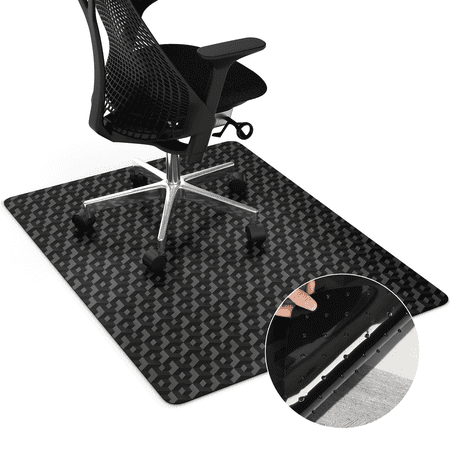
Imagine your office carpet as a lush, grassy field. Now picture your office chair as a heavy tractor driving over that same patch of grass, day after day. Without protection, the grass gets matted down, worn thin, and eventually turns into a muddy path. That's exactly what happens to your carpet fibers under the constant weight and movement of an office chair. A plastic carpet protector for office chair acts like a sturdy, transparent bridge—preserving your carpet while giving your chair a smooth, low-friction surface to roll on.
Did you know? According to floor care studies, the average office chair with standard casters can create over 500,000 micro-abrasions on carpet fibers in a single year. A quality plastic mat can extend the life of your carpet by up to 70%, saving you hundreds in replacement costs.
The Hidden Costs of Skipping a Chair Mat
Many office workers underestimate the damage a rolling chair can cause. It's not just about visible wear patterns. Here’s what happens beneath the surface:
- Carpet fiber fatigue: Constant pressure flattens the pile permanently, creating "trails" that even vacuuming can't fix.
- Increased ergonomic strain: On thick carpet, your chair sinks, making it harder to roll. This forces your legs and core to work overtime, leading to fatigue.
- Dirt and grime entrapment: Carpet acts like a sponge. Wheel traffic grinds dirt deep into the base, making professional cleaning necessary much sooner.
- Caster damage: Carpets can clog wheel mechanisms, leading to squeaky, stiff casters that scratch floors when you finally move to a hard surface.
A simple plastic protector acts as a shield, absorbing all that friction and keeping your carpet—and your chair—in top condition.
Types of Plastic Carpet Protectors: Which One Is Right for You?
Not all plastic mats are created equal. Choosing the wrong type can lead to cracking, slipping, or even damaging your carpet. Let's break down the main categories based on material and design.
1. By Material: PVC vs. Polycarbonate vs. Bamboo Composite
PVC (Vinyl) Mats
- Cost-effective: Most affordable option.
- Flexible: Good for low to medium pile carpets.
- Variety: Available in clear and textured finishes.
- Downside: Can curl at edges over time; may crack in very cold rooms.
Polycarbonate Mats
- Virtually unbreakable: Warranted against cracking for life.
- Crystal clear: Doesn't yellow with age.
- Eco-friendlier: Often made from recycled materials.
- Downside: Higher upfront cost, but lasts decades.
Bamboo/Wood Composite
- Aesthetic: Natural look, complements traditional offices.
- Rigid: Excellent support for heavy chairs.
- Downside: Not fully transparent; can be heavy.
2. By Grip Type: Cleats vs. Backing
The underside of your mat is just as important as the top. For carpet, you need something that bites in:
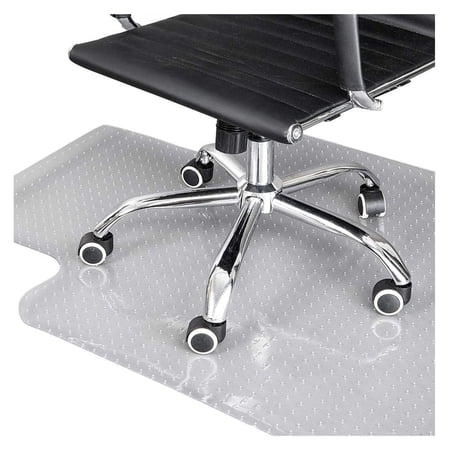
- Spike/cleat backing: Hundreds of small plastic or PVC spikes that dig into the carpet pile. Essential for plush or thick carpets. Without them, the mat will "float" and slide.
- Textured/Gripper backing: A rough surface that provides friction. Suitable only for low-profile, dense commercial carpet.
- Smooth backing (for hard floors): Never use a hard-floor mat on carpet—it will slip and become a hazard.
Step-by-Step Guide to Choosing the Perfect Protector
Step 1: Measure Your Carpet Pile Height
Use a ruler to measure from the carpet backing to the top of the fibers. For low pile (under 1/4 inch), a standard mat with small grippers works. For medium pile (1/4 to 1/2 inch), choose a mat with longer cleats. For high pile (over 1/2 inch), you need a heavy-duty mat with aggressive spikes, often labeled "for plush carpet."
Step 2: Determine the Right Size & Shape
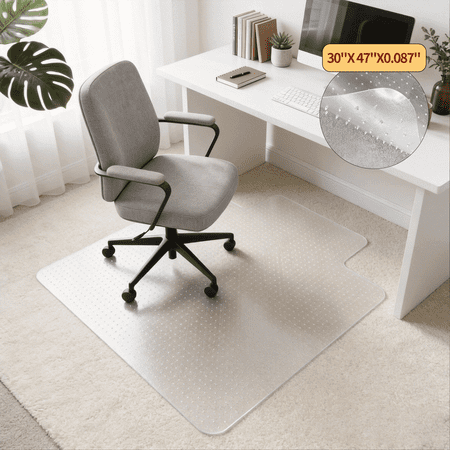
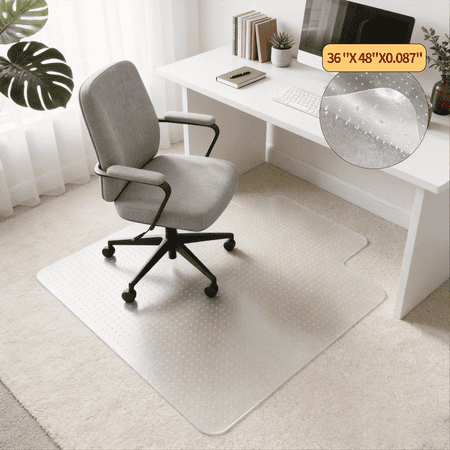
Your mat should extend far enough so that your chair's casters never roll off onto bare carpet. A standard 36" x 48" mat works for most desks. Consider a lip-style mat that slides partially under your desk to protect the area where your feet rest. For L-shaped desks, you might need a custom or two-piece setup.
Step 3: Match to Your Chair's Weight & Usage
- Light use / home office: Standard PVC mat (3-5mm thickness).
- Heavy executive chair / 8+ hour use: Polycarbonate or thick PVC (minimum 5mm) with reinforced edges to prevent cracking.
- Big & tall chairs (300lbs+): Opt for a polycarbonate mat rated for heavy commercial use—they won't deform under pressure.
Step 4: Check for Safety Certifications
If you're in an office environment, look for mats that meet fire safety standards (e.g., NFPA 701 or CAL 117). For home offices with children or pets, ensure the mat is phthalate-free and low-VOC to maintain indoor air quality.
Real-World Data: The Impact of Chair Mats on Carpet Longevity
A 2021 flooring industry report tested two identical office carpets under rolling chairs for 12 months. The unprotected carpet showed significant fiber breakage and matting, reducing its appearance grade from 5 (excellent) to 2 (poor). The carpet protected by a polycarbonate mat retained a grade of 4.5. Furthermore, the unprotected carpet required deep cleaning four times, compared to just once for the protected area. That's a 75% reduction in maintenance costs.
Quick Comparison: Popular Plastic Protector Types
| Type | Best For | Durability | Grip Type | Approx. Price Range |
|---|---|---|---|---|
| Standard PVC Cleat Mat | Low to medium pile | 5-7 years | Spike cleats | $40 - $80 |
| Polycarbonate Crystal Mat | All carpets, heavy use | 10+ years | Long cleats or textured | $90 - $160 |
| Bamboo/Wood Mat | Aesthetic, medium pile | 8-10 years | Rubber backing | $100 - $200 |
| Anti-Fatigue Mat Combo | Standing desks + rolling | 3-5 years | Gel/foam base | $60 - $120 |
Installation and Maintenance Tips
To get the most out of your plastic carpet protector:
- Let it settle: After placing the mat, especially with new spike backs, walk on it or roll your chair over it heavily for a day to let the cleats fully penetrate the carpet.
- Clean regularly: Dust and dirt can act like sandpaper under the mat. Vacuum the mat's surface weekly, and lift it every 3-4 months to vacuum the carpet underneath.
- Avoid direct sunlight: Prolonged UV exposure can make PVC brittle and cause discoloration.
- Use proper casters: For maximum protection, pair your mat with soft rubber or polyurethane casters designed for hard surfaces (even though you're on a mat, they'll roll quieter and smoother).
Frequently Asked Questions (FAQ)
Conclusion: Invest in Your Floor and Your Comfort
A plastic carpet protector for office chair is a small investment that pays huge dividends. It preserves your flooring, makes your chair effortless to move, and contributes to a more professional, well-maintained office space. Whether you choose a budget-friendly PVC mat or a premium polycarbonate model, the key is matching the mat to your carpet type and usage intensity.
Our top recommendation for most users is a polycarbonate mat with deep-cleat backing. It offers the best combination of clarity, durability, and carpet protection. For those on a tight budget, a quality PVC mat with reinforced edges is a solid alternative. Check the product grid above for current top-rated options from Walmart—they represent excellent value and are ready to ship.