
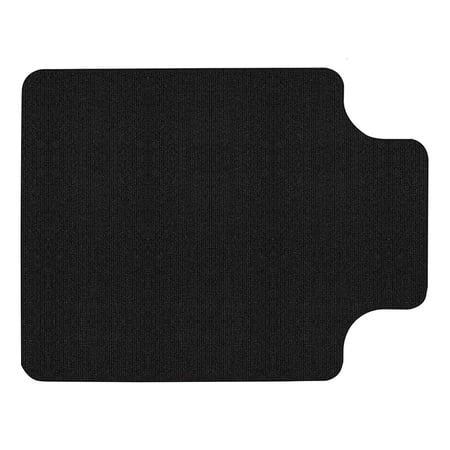
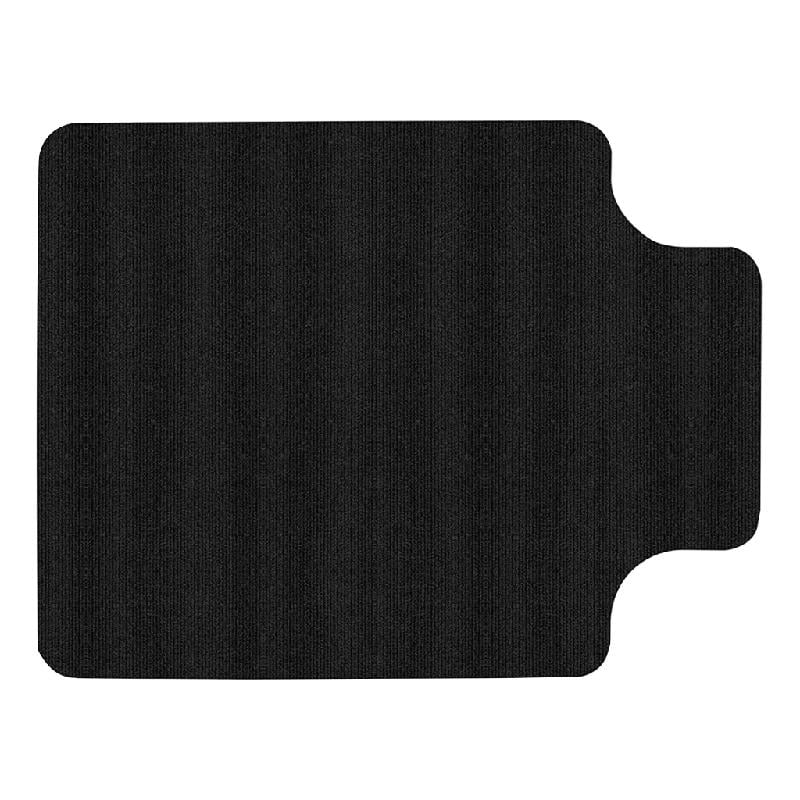
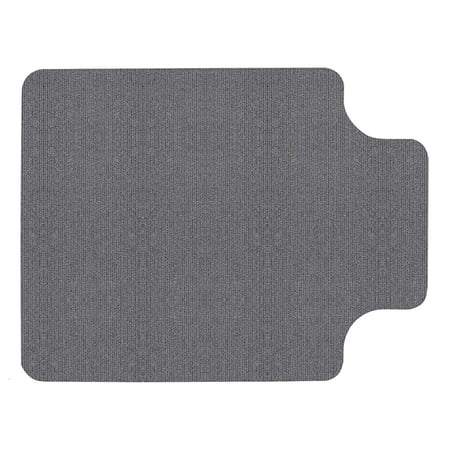
Introduction: The Silent Struggle Between Your Chair and Your Floor
Imagine this: you've just closed a major deal, and you lean back in your premium executive chair to savor the moment. You give a little push to roll over and grab your celebratory coffee, but instead of a smooth glide, you lurch to a halt. Your chair's casters have hit the bare, unforgiving hardwood. Worse, you look down and see the faint, dull scars of a thousand tiny skirmishes—the battle scars of office life etched into your beautiful floor.
This is the daily reality for countless professionals with home offices. Hardwood floors are the epitome of elegance, but they are also the natural enemy of rolling office chairs. The solution isn't a compromise; it's a strategic upgrade. The right rug for office chair on hardwood acts as a mediator, a protector, and a style statement all in one. It stops the floor from being scratched, prevents your chair from turning into a runaway vehicle, and anchors your office aesthetic. According to interior design studies, a well-chosen area rug can reduce perceived noise in a room by up to 25%, creating a calmer, more focused environment for deep work.
5 Pillars of the Perfect Office Rug for Hardwood
Selecting a rug for a high-traffic, wheeled environment is different from choosing one for a living room. You are looking for a specific set of traits. Think of your floor as the foundation of a house and your rug as the high-performance roofing—it needs to be tough, well-anchored, and fit for purpose. Here are the five critical pillars to consider.
Pillar 1: The Foundation - Backing and Slip Resistance
The underside of the rug is arguably more important than the top. A rug on hardwood without proper grip is a slipping hazard. Non-slip backing is non-negotiable. However, beware of cheap rubber backing that can contain chemicals that react with and stain your hardwood finish. This is a common issue that leads to yellowing or a sticky residue that's nearly impossible to remove.
- Look for natural latex or felt backing: These materials provide excellent grip without the harsh chemicals. Felt, in particular, adds a plush layer of cushioning and sound absorption.
- Always use a separate rug pad: Even if a rug claims to have non-slip backing, a high-quality rug pad for hardwood floors is the ultimate insurance. Choose a pad made from felt and natural rubber. It will protect the floor from the rug's backing, prevent any movement, and add years to the life of your rug.
- Why you should avoid: Jute or natural fiber backing. These materials are often rough and can act like sandpaper on your floor's sealant over time.
Pro Tip: Before committing to a large rug, test it (or its pad) in an inconspicuous area for a week. Lift it up to check for any moisture buildup or discoloration on the hardwood. This simple test can save your floor.
Pillar 2: The Surface - Pile Height and Density
This pillar directly addresses your chair's mobility. A thick, shaggy rug might feel luxurious under bare feet, but it will bring your office chair to a grinding halt. The casters will sink into the fibers, creating friction and making it a workout just to move from your keyboard to your filing cabinet.
- Low pile is king: Aim for a rug with a pile height of less than 1/2 inch. Think of it like a well-groomed lawn versus a field of tall grass. A flat-weave rug, like a kilim or a indoor/outdoor carpet, offers the least resistance.
- Density matters: A tightly woven, high-density rug will resist the indentation from your chair's wheels and will wear much better over time. You want the fibers to bounce back, not get matted down permanently.
- Chair casters are teammates: The best rug in the world can be hampered by bad casters. If your chair has hard plastic wheels, consider upgrading to roller-blade style casters. These softer, wider wheels are designed to distribute weight and roll effortlessly over low-pile surfaces.
Pillar 3: The Armor - Material Durability
Your office rug is in the line of fire. It will endure constant rolling, the occasional coffee spill, and the daily grind of work. The material you choose is its armor. Here’s a comparison of the top contenders:
Polypropylene (Olefin)
- Stain-resistant superstar: Liquids bead up on the surface, making spills easy to blot.
- Fade-resistant: Perfect for sun-drenched offices.
- Budget-friendly: Offers excellent durability for the price.
- Low-profile options: Easily found in flat-weave styles ideal for chairs.
Polypropylene Caveats
- Not as soft: It doesn't have the plush luxury feel of wool.
- Oil-based stains: While resistant to water-based spills, oil-based stains can be permanent.
- Can crush under extreme, prolonged weight, though less so than wool.
Wool
- Natural and luxurious: Unbeatable softness and rich appearance.
- Inherently stain-resistant: Wool fibers have a natural protective coating.
- Resilient: Excellent "memory" – it bounces back from compression.
- Sustainable and durable: A high-quality wool rug can last a lifetime.
Wool Caveats
- Higher cost: It's a premium investment.
- Moisture sensitive: Can be damaged by prolonged dampness. Blot spills immediately.
- Can shed: New wool rugs may shed fibers for the first few months.
Materials to generally avoid: Viscose (art silk) is beautiful but extremely delicate and will crush and stain instantly. 100% cotton rugs can be too light and may bunch up under a chair.
Pillar 4: The Footprint - Size and Placement
Choosing the wrong size is a common and frustrating mistake. A rug that's too small will have your chair constantly catching on the edge, which damages the rug, the floor, and your sanity. A rug that's too large can overwhelm a small office.
- The "All-In" Rule: The ideal rug is large enough that your desk chair stays on it at all times, even when you push back to stand up. This means the rug should extend well beyond the typical rolling path of your chair.
- The Standard Sizes: For a standard L-shaped or rectangular desk, a 5' x 7' or 6' x 9' rug is usually the sweet spot. This allows the front legs of your desk and the entire chair area to sit comfortably on the rug.
- The Visual Boundary: The rug defines your office zone. Ensure it extends past the desk to anchor the entire workspace. If you have guest chairs, their front legs should also rest on the rug, creating a cohesive conversation area.
Pillar 5: The Shield - Maintenance and Care
An office rug traps dust, dirt, and allergens. Without regular care, this grit acts like sandpaper, grinding away at your hardwood finish every time you roll over it. Maintenance isn't just about looks; it's about protection.
- Vacuum regularly (at least twice a week): Use a vacuum with a beater bar that can be turned off, or a canister vacuum with a floor head, to avoid damaging the rug fibers.
- Act fast on spills: Blot, don't rub. Rubbing grinds the liquid into the fibers. For most spills on polypropylene, a mild dish soap and water solution works wonders.
- Rotate the rug: Every 6 months, rotate your rug 180 degrees. This ensures even wear, especially in the high-traffic area where your chair sits.
- Deep clean periodically: Depending on usage, consider a professional cleaning every 12-18 months to remove deep-set dirt and revitalize the fibers.
Frequently Asked Questions About Rugs for Office Chairs on Hardwood
Conclusion: Make the Investment in Your Floor and Your Flow
Your home office is a command center, and every element should work in harmony. The battle between a rolling chair and a hardwood floor is easily won with a thoughtful choice. The right rug for office chair on hardwood is more than a floor covering; it's a productivity tool, a floor protector, and a design cornerstone.
By focusing on the five pillars—backing, pile, material, size, and maintenance—you can select a rug that not only looks professional but performs flawlessly for years. It allows you to move seamlessly through your workday, protecting your investment in your beautiful hardwood floors while adding a layer of comfort and style to your workspace. Browse the top picks below to find the perfect foundation for your success.