
The Unsung Hero of Ergonomic Workspaces: Office Chair Roller Mats
Imagine this: you're deep in thought, about to shift from your keyboard to a reference file on the side of your desk. You push off, but your chair's wheels dig into the carpet, refusing to budge. You have to stand up to move—a tiny disruption that breaks your focus. Now picture a smooth, effortless glide. That's the quiet magic of a quality office chair roller mat.
Far from being just a piece of plastic, a roller mat is an ergonomic tool and a floor preservation system. It creates a low-friction surface that lets you move freely, reducing strain on your legs and back. At the same time, it acts as a shield, preventing your beautiful hardwood from getting scarred or your plush carpet from turning into a matted trail. In this guide, we'll roll through everything you need to know to pick the perfect mat.
Did you know? According to a study by the Human Factors and Ergonomics Society, reducing the force needed to move an office chair by using a proper floor mat can decrease physical exertion by up to 30%, leading to less fatigue during the workday.
Why Your Floor Type Dictates Your Mat Choice
Choosing a mat without considering your floor is like buying tires without knowing the weather. The wrong mat can slip, damage your floor, or wear out quickly. Here's a breakdown of mat types based on flooring:
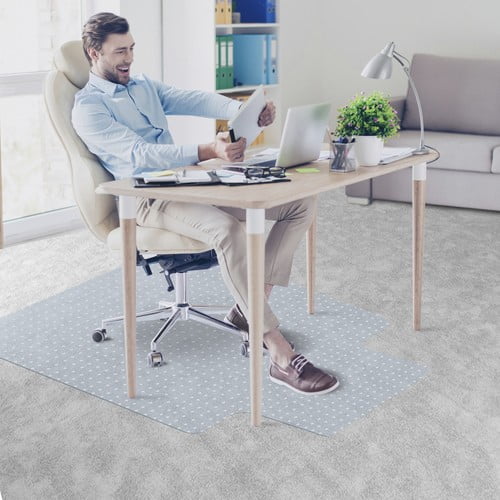
- For Carpet (Low to Medium Pile): Look for a mat with a cleated or spike backing. These tiny grippers dig into the carpet, preventing the mat from sliding around. A thinner mat (around 2mm) often works well.
- For Plush or High-Pile Carpet: You need a thicker, heavier-duty mat, usually made of polycarbonate. The mat needs to be rigid enough not to buckle under your chair's weight and have deep cleats to anchor it.
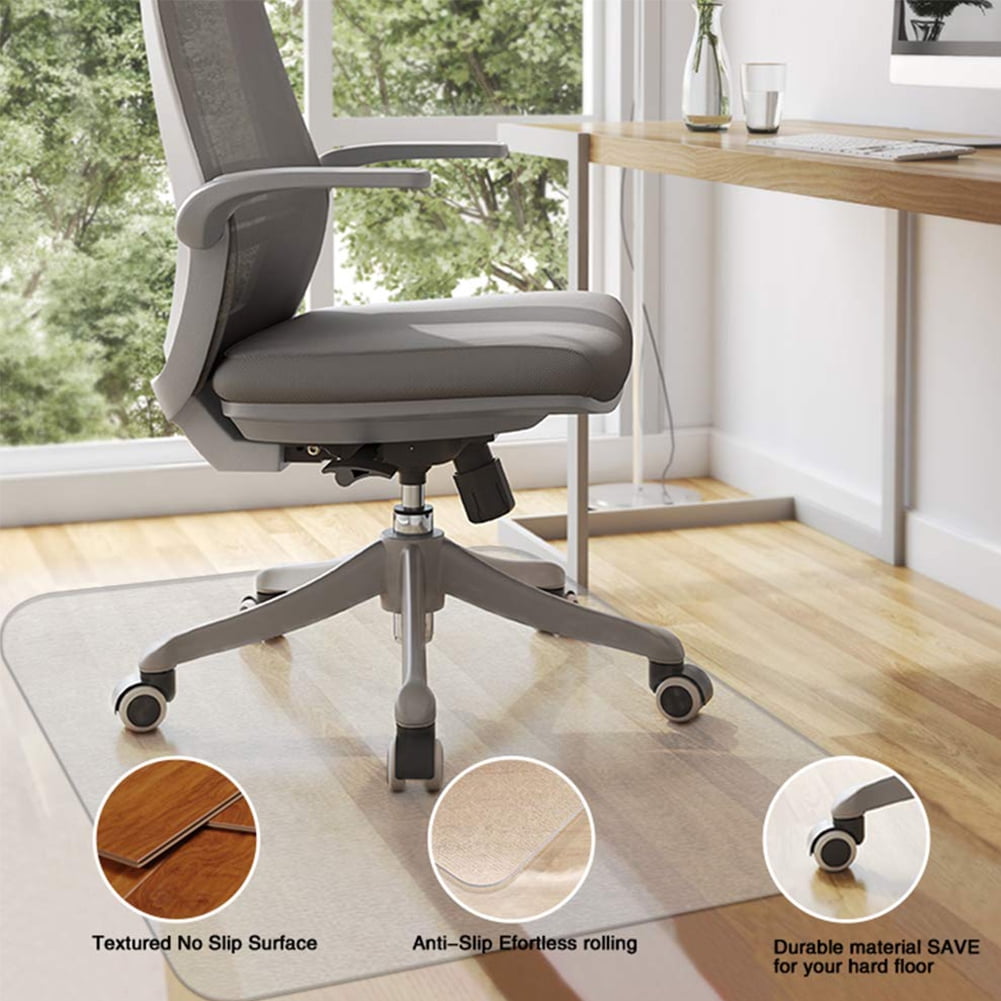
- For Hardwood, Tile, or Laminate: This requires a mat with a smooth or textured non-slip underside. Never use a cleated mat on hard floors—they can scratch. Look for "hard floor" mats made of polycarbonate or even tempered glass.
- For Vinyl or Linoleum: Similar to hardwood, but ensure the mat's backing is chemically compatible to avoid reactions with the flooring material. Polycarbonate is a safe bet.
Material Matters: PVC vs. Polycarbonate vs. Glass
Just like chairs, roller mats come in different materials, each with its own personality. Let's compare the three main contenders.
PVC (Vinyl) Mats
Pros: Affordable, widely available, and flexible. They come in various sizes and are a good entry-level option.
Cons: Prone to cracking and curling over time, especially at the edges. They can have a strong odor initially and are less eco-friendly. They may also become cloudy or yellow with age.
Best for: Light-duty home office use on low-pile carpet or hard floors where budget is the main concern.
Polycarbonate Mats
Pros: The gold standard. Virtually unbreakable, crystal clear (or with a subtle texture), and highly durable. They resist cracking, curling, and yellowing. Many are eco-friendly and recyclable.
Cons: More expensive than PVC. They can be heavy and may require a break-in period to lay flat.
Best for: Heavy-duty 24/7 use, executive offices, and any floor type—especially if you want a long-lasting, professional look.
Tempered Glass Mats
Pros: Ultra-modern, sleek aesthetic. Extremely durable and easy to clean. They offer a unique, high-end look and are completely flat with zero curling.
Cons: Heavy and can be difficult to move. The surface can be noisy if you drop something on it. They are the most expensive option and require careful handling during setup.
Best for: Modern, design-focused offices with hard floors where you want a statement piece.
Size and Shape: Finding the Perfect Fit
A mat that's too small is almost as bad as no mat at all. You need enough real estate to move your chair naturally. Here's a simple guide:
- Measure your rolling radius: Sit in your chair and see how far you typically move side-to-side and forward/backward to reach different areas of your desk or nearby files. Add 6-12 inches to that radius.
- Consider your desk shape:
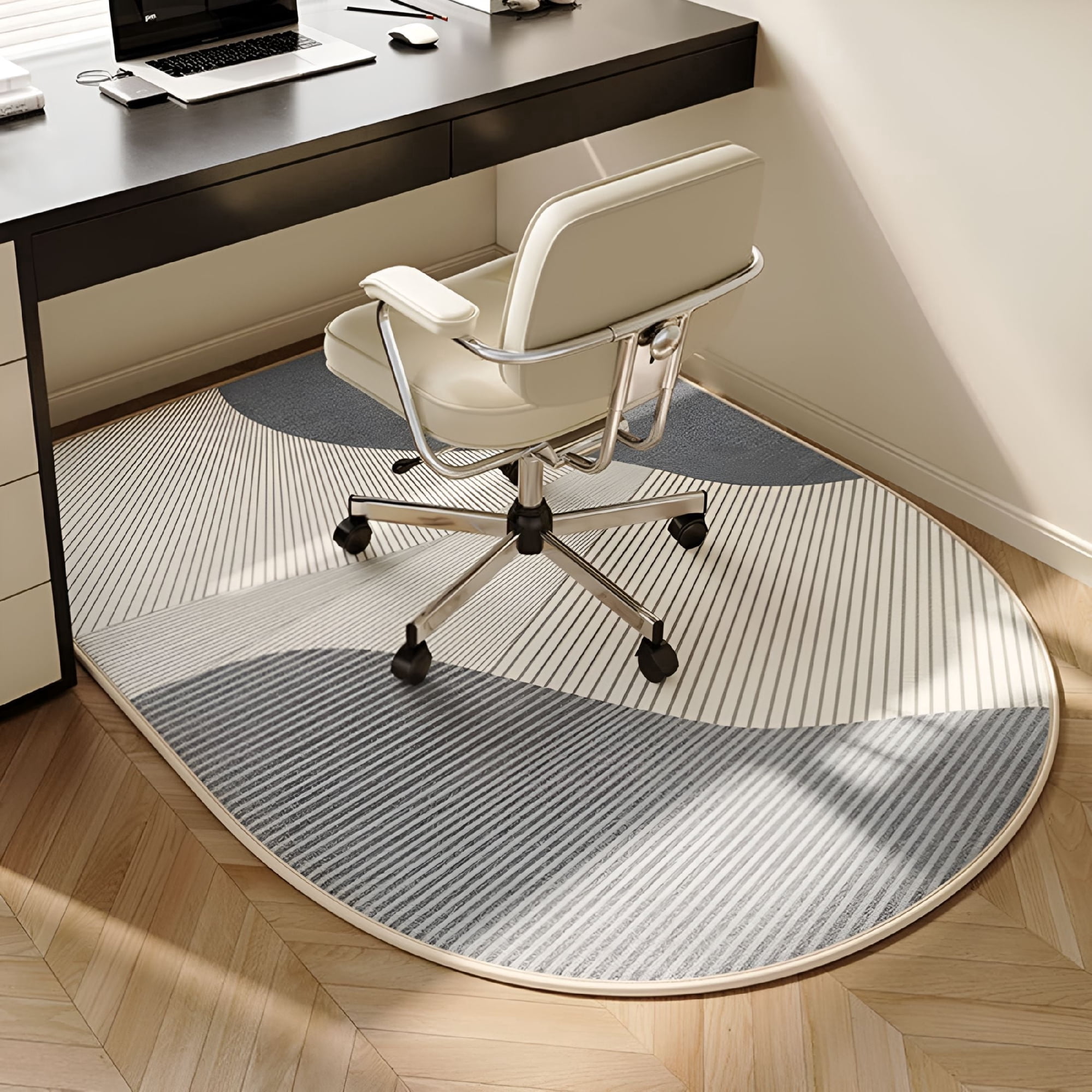
- Rectangle desk: A standard rectangular mat (e.g., 36" x 48" or 46" x 60") usually works perfectly. A "lip" or "keyhole" shape that extends under the desk is great for keeping your chair positioned correctly.
- L-shaped desk: You'll likely need a larger mat, or one with a contoured shape that fits under both sections. Look for "L-shaped" or "corner" mats.
- Don't forget the chair mat for guests: If you have guest chairs in front of your desk, consider a larger mat or a separate, smaller mat to protect the floor under them.
Ergonomics: More Than Just Floor Protection
A good roller mat contributes to a healthier sitting posture. How? By reducing the effort needed to move. When your chair glides easily, you're more likely to move throughout the day—reaching for files, turning to talk to a colleague, or just shifting positions. This micro-movement is crucial for joint health and circulation. Some advanced mats even have anti-fatigue properties, providing a slightly cushioned surface for your feet when you're not actively rolling.
Reduced Rolling Resistance
Less force required to move means less strain on your lower back and legs.
Encourages Movement
A smooth surface invites you to change posture and reach, combating the dangers of static sitting.
Floor Protection
Prevents uneven wear on carpet and scratches on hard floors, preserving your office's look and your security deposit.
Noise Reduction
Eliminates the loud rumble of chair wheels on hard floors or the thumping over carpet seams.
How to Care for Your Office Chair Roller Mat
To keep your mat looking clear and performing well for years, follow these simple tips:
- Regular cleaning: Vacuum or sweep the mat to remove dust and grit that can cause scratches. For deeper cleaning, use a damp cloth with mild soap and water. Avoid harsh chemicals.
- Flip it occasionally: If your mat has a tendency to curl at the edges, flipping it over for a few days can help flatten it again. Weighting the corners can also help.
- Check your casters: Old, dirty, or worn-out chair wheels can damage a mat. Clean your casters regularly and replace them if they're cracked or have embedded debris.
Thickness and Durability: What to Look For
The thickness of a mat is directly related to its durability and suitability for different carpets. Here's a quick reference:
| Thickness | Best For | Material Notes |
|---|---|---|
| 1.5mm - 2mm | Hard floors, low-pile carpet | Usually PVC; affordable but less durable. |
| 2.5mm - 3mm | Medium-pile carpet, standard office use | Often polycarbonate or high-quality PVC; good balance. |
| 3.5mm - 5mm+ | High-pile/plush carpet, heavy-duty 24/7 use | Typically polycarbonate; offers maximum stability and durability. |
Remember, a thicker mat isn't always better for your floor type. On hard floors, a very thick mat might feel like a speed bump. Match the mat to your environment.
Frequently Asked Questions About Office Chair Roller Mats
Final Thoughts: Roll Smarter, Not Harder
Selecting the right office chair roller mat is a small decision that yields big daily rewards. It's about preserving your flooring investment, yes, but it's also about creating a workspace where movement is fluid and frictionless. Whether you opt for a budget-friendly PVC mat, a top-tier polycarbonate shield, or a stunning glass surface, you're investing in your daily comfort and the longevity of your office.
Prioritize your floor type, measure your space, and choose a material that matches your work intensity. With the perfect mat under your chair, you'll wonder how you ever managed without it.