
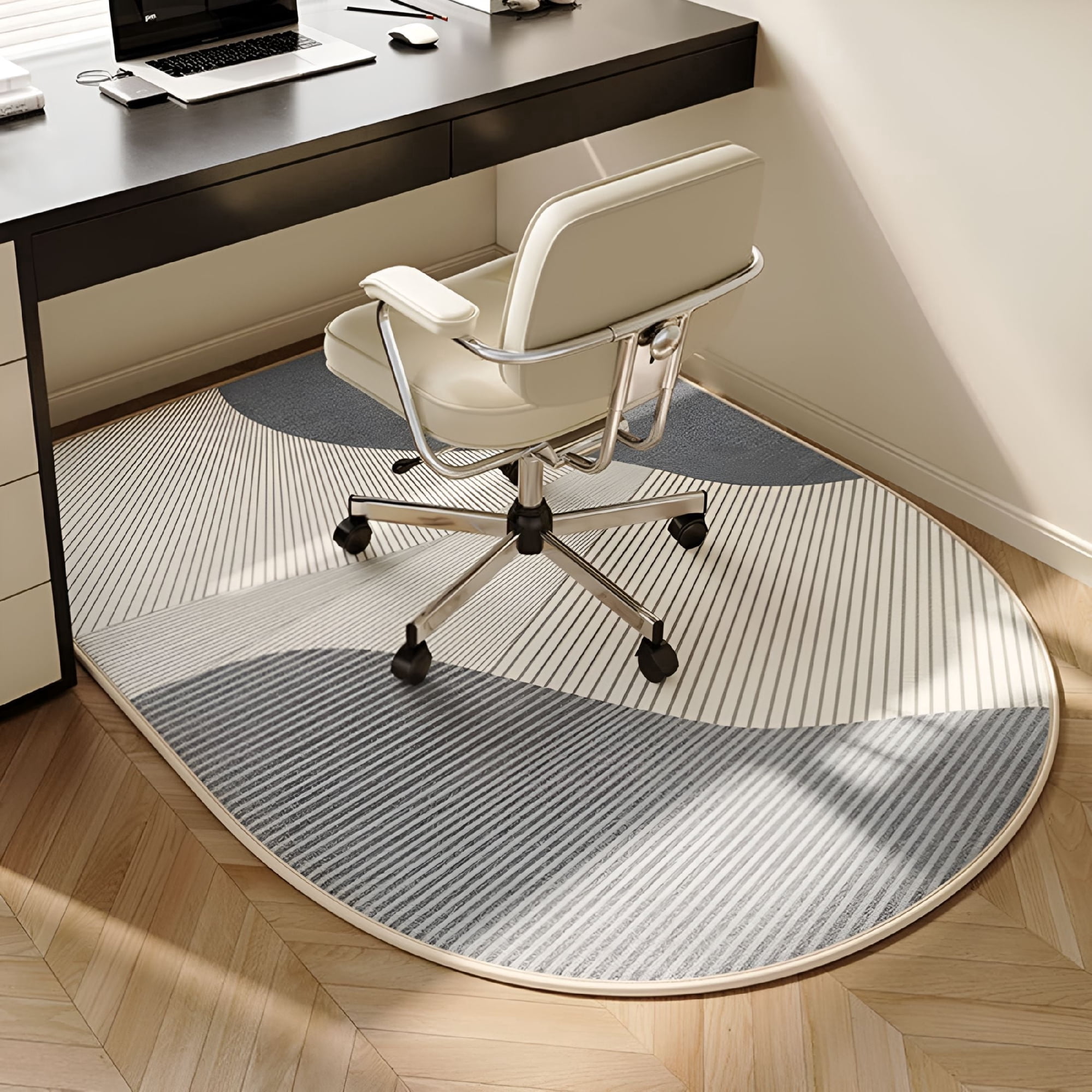
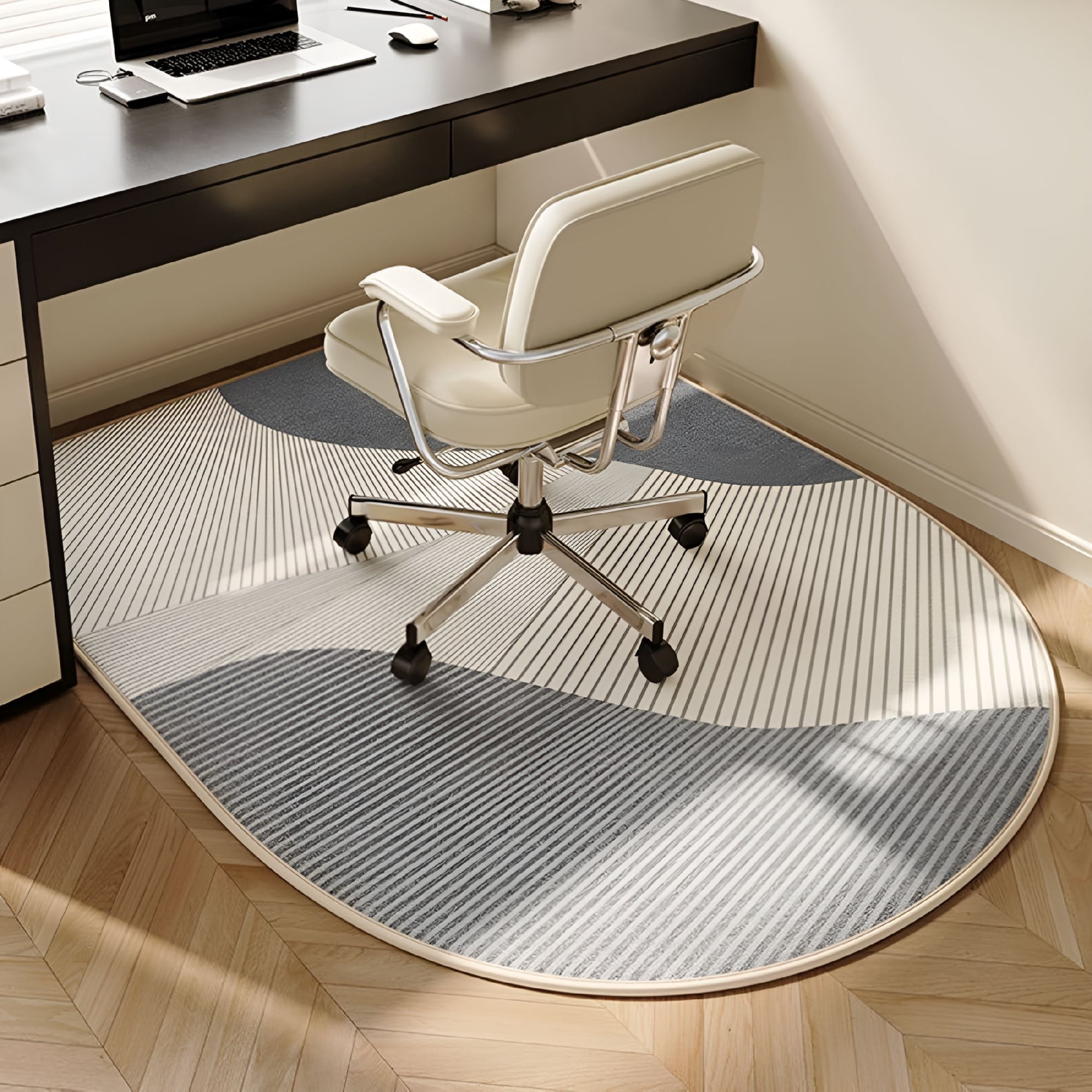
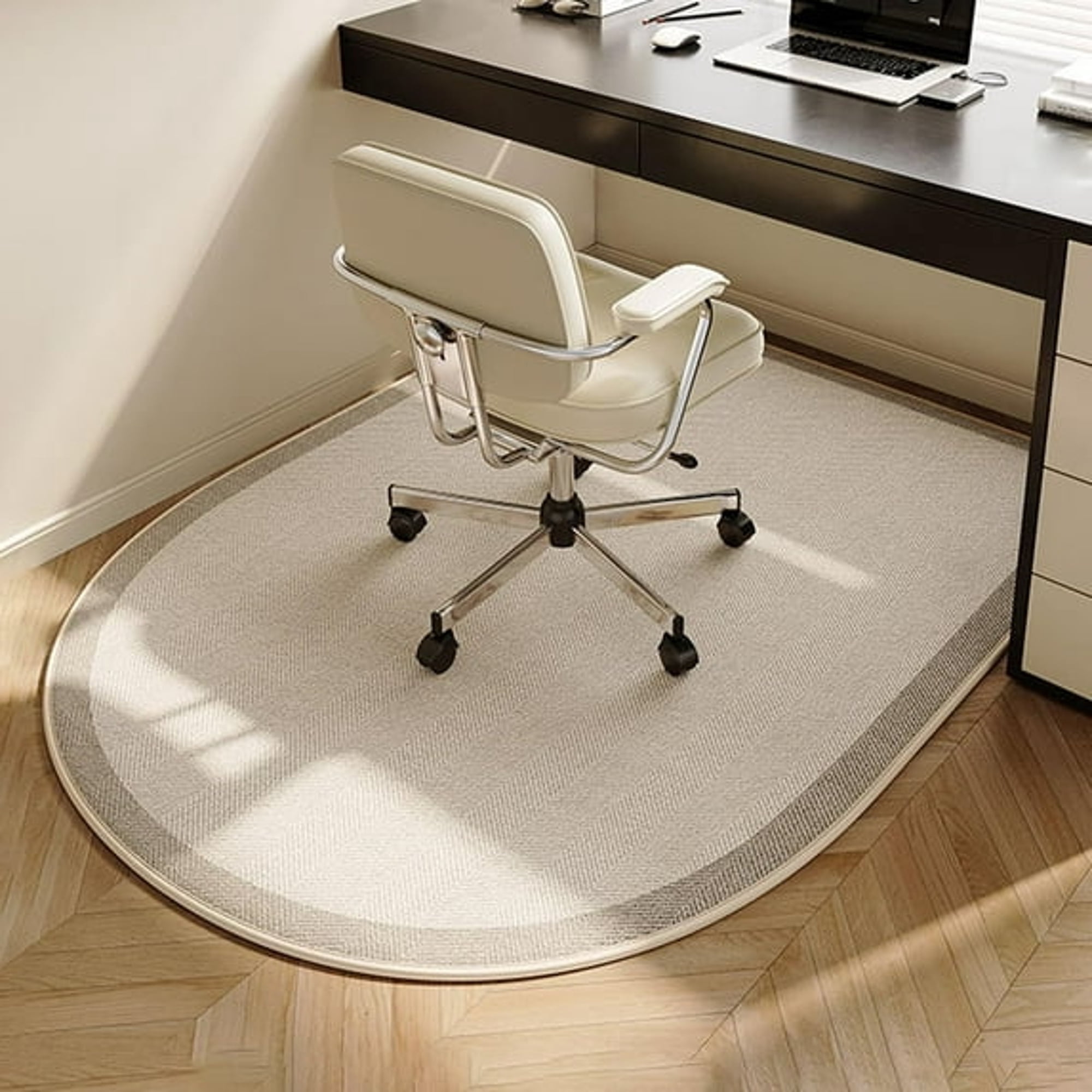
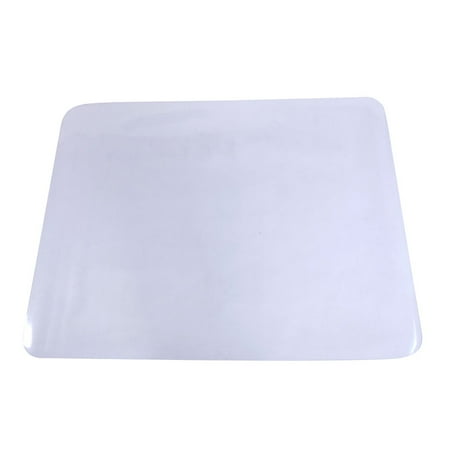
Your Carpet's First Line of Defense Against the Daily Grind
Think of your office chair as a hardworking employee—it moves, swivels, and rolls constantly throughout the day. But beneath those smooth wheels, your carpet is silently suffering. The constant friction and pressure from chair casters act like thousands of tiny hands twisting and crushing carpet fibers. This leads to unsightly matting, worn paths, and permanent damage. A high-quality carpet cover for office chair (often called a chair mat) acts as a shield, absorbing the abuse so your carpet doesn't have to. It's not just about protection; it's about creating a functional, professional, and long-lasting office environment. This guide will walk you through everything you need to know to choose the perfect protector for your floor.
The Ultimate Guide to Choosing a Carpet Cover for Your Office Chair
Selecting the right mat can feel overwhelming with so many materials, sizes, and features available. But by breaking it down into key considerations, you can make a confident choice. It's like buying a suit—you need the right fit, material, and style for the occasion. Here’s a structured approach to finding your ideal carpet cover.
1. Material Matters: PVC, Polycarbonate, and Bamboo
The material of your carpet cover dictates its durability, feel, and appearance. Just as you wouldn't build a house with only one type of wood, different office environments call for different mat materials.
PVC (Polyvinyl Chloride) Mats: The Workhorse
PVC is the most common and cost-effective material for chair mats. It's flexible, durable, and provides a good rolling surface. For standard office carpets with low to medium pile, a quality PVC mat is an excellent choice. Think of it as the reliable sedan of chair mats—it gets the job done efficiently without any frills. However, in very cold temperatures, PVC can become brittle and crack, and it may have a noticeable odor when new (which usually dissipates).
Polycarbonate Mats: The Premium Protector
If PVC is a sedan, polycarbonate is a luxury SUV. It's incredibly durable, virtually unbreakable, and remains flexible even in cold temperatures. Polycarbonate mats are crystal clear and resist cracking and yellowing over time. They are the top choice for heavy-duty use, high-pile carpets, and executive offices where appearance and longevity are paramount. The investment is higher, but so is the performance.
Bamboo Mats: The Eco-Chic Alternative
For a natural, stylish look that stands out from the sea of plastic, bamboo mats are a fantastic option. They are made from sustainable materials and offer a hard, smooth surface for chair wheels. They act more like a piece of furniture than a utility item. However, they are typically not as flexible as plastic mats and are best suited for low-pile carpets or hard floors. They require a bit more care to prevent moisture damage.
Expert Tip: According to flooring specialists, using a proper chair mat can extend the life of your carpet by up to 75% in high-traffic office areas. The initial cost of a mat is a fraction of the cost of replacing or professionally cleaning a worn-out carpet.
2. Matching the Mat to Your Carpet Type
This is the most critical factor. Using the wrong mat is like wearing cleats on a basketball court—it just doesn't work and can cause damage. Here’s a simple guide:
- Low-Pile or Berber Carpet: You have the widest choice. Standard PVC mats with small, grippy cleats work perfectly. Even a smooth-backed bamboo mat can work well here.
- Medium-Pile Carpet: This is the most common home office carpet. Look for a mat with medium-length cleats. A good-quality PVC or polycarbonate mat is ideal.
- High-Pile or Plush Carpet: This is where you need a specialist. You must choose a mat with long, aggressive, and sharp cleats to anchor it down. Without them, the mat will "float" on top of the carpet, making your chair unstable. A heavy-gauge polycarbonate mat is usually the best recommendation for plush carpets.
3. Size and Shape: Finding the Perfect Fit
A carpet cover that's too small is almost as bad as having no cover at all. You need enough space to move your chair freely without the wheels constantly rolling off the edge onto the bare carpet. Here’s how to choose:
- Measure Your Workspace: Note the width of your desk and the depth of the area where you typically move. A standard mat size is 45" x 53", but larger options (like 46" x 60") are available for bigger workstations.
- Consider Your Movement: Do you frequently roll from one side of your desk to the other? If so, prioritize width. Do you push back frequently to stand up? Then depth is key.
- Shape Matters:
- Rectangular Mats: Offer maximum coverage and are great for large, L-shaped desks or when you need a lot of rolling space.
- Lip or Keyhole Mats: These have a curved cutout that fits under your desk, allowing you to roll right up to your keyboard tray or desk edge without the chair hitting the mat's edge. This is the most popular shape for traditional desks.
4. Special Features for Enhanced Functionality
Beyond the basics, some mats offer extra benefits that can make a big difference in your daily comfort and convenience.
- Anti-Fatigue Properties: Some thicker mats are designed with a slight cushion. They provide a more comfortable surface for your feet if you tend to stand while working, reducing strain on your legs and back.
- Non-Slip Backing: While most carpet mats use cleats, some have a rubberized or gel backing for use on hard floors. For carpet, ensure the cleats are appropriate for your pile height.
- Beveled Edges: Mats with beveled or tapered edges are safer and more comfortable. They create a smooth ramp, preventing tripping hazards and allowing your chair to roll onto the mat seamlessly without a jarring bump.
- UV Protection: If your office gets a lot of sunlight, look for a mat with UV protection. This prevents the mat from becoming yellow and brittle over time.
Frequently Asked Questions About Carpet Covers for Office Chairs
Conclusion: Make the Smart Investment for Your Office
Choosing the right carpet cover for office chair is a simple decision with significant, long-term benefits. It protects one of your office's most expensive assets (your flooring), improves your daily workflow by allowing effortless movement, and adds a touch of professionalism to your space. By considering your carpet type, desired material, and preferred size, you can find a mat that serves you well for years.
Final Recommendations Based on Your Needs
A quality PVC lip mat offers the best balance of affordability and functionality. It's durable, easy to find, and perfect for low to medium-pile carpets.
Invest in a polycarbonate mat. Its superior durability, crystal-clear appearance, and resistance to cracking make it the premium choice for a professional setting that will see daily, heavy use.
Your only reliable option is a heavy-duty polycarbonate mat with aggressive cleats. Standard mats will not anchor properly. This ensures stability and prevents the mat from shifting.
A bamboo mat provides a unique, natural aesthetic. It's a great conversation piece and works wonderfully on low-pile carpets or hard floors, adding a touch of organic warmth to your office.