
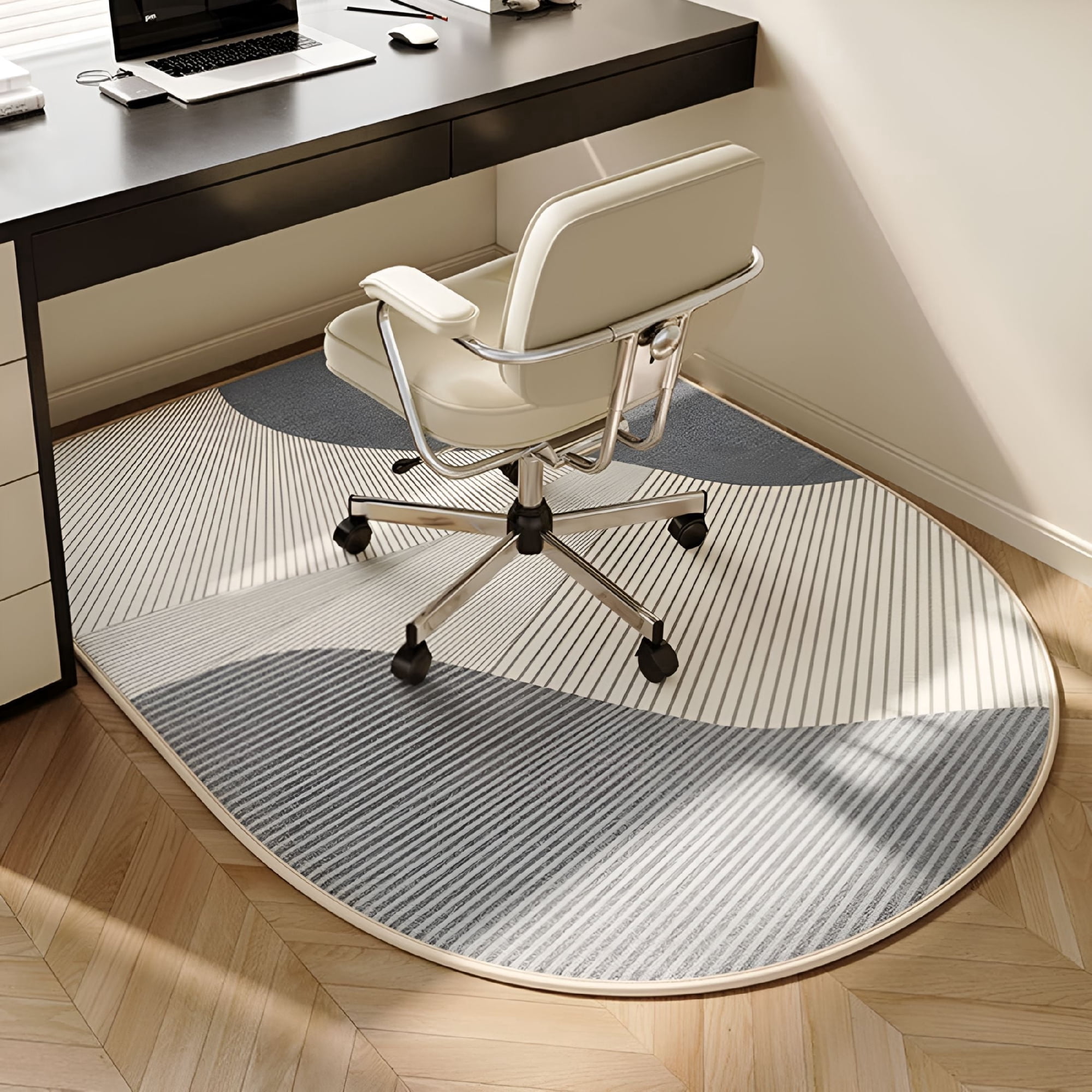
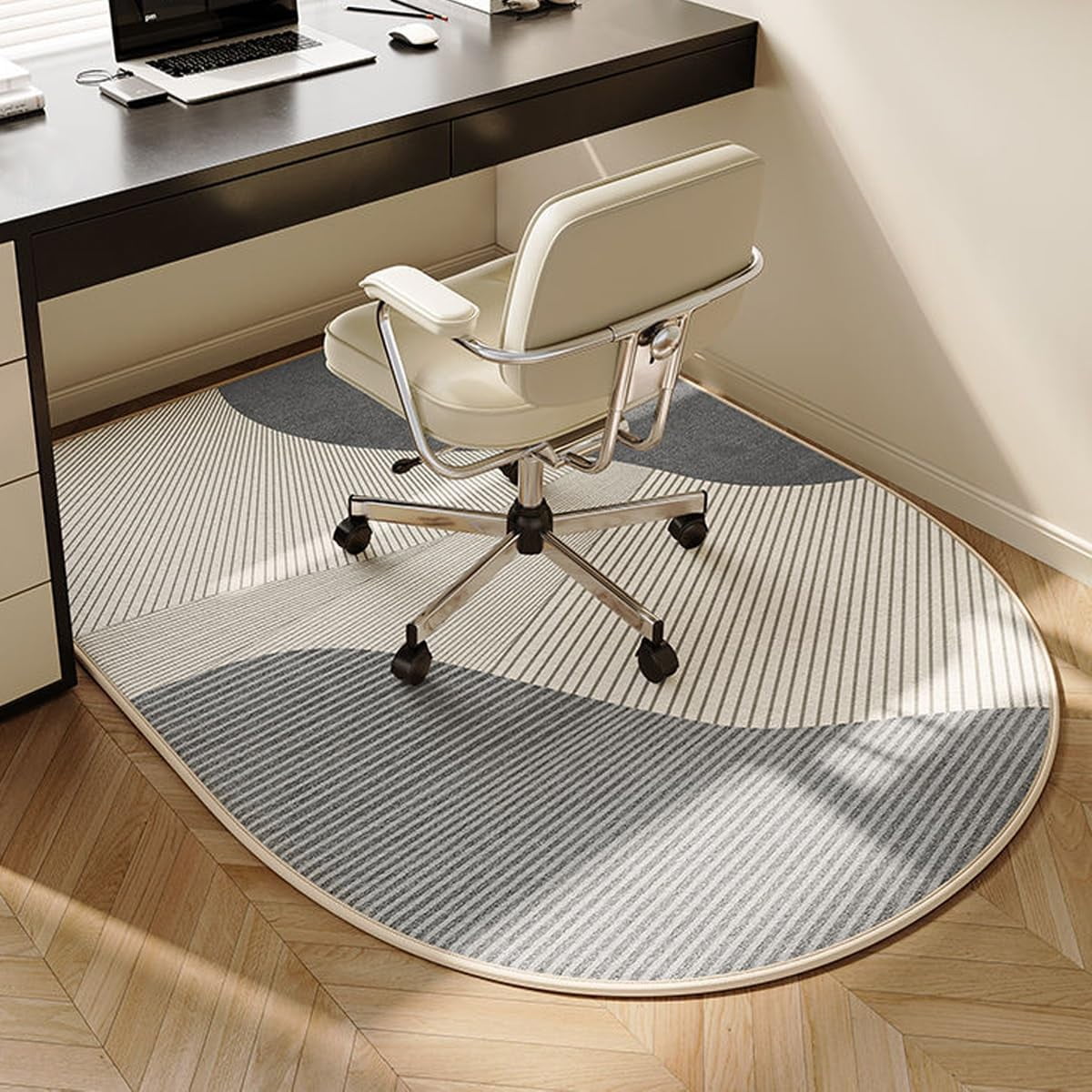
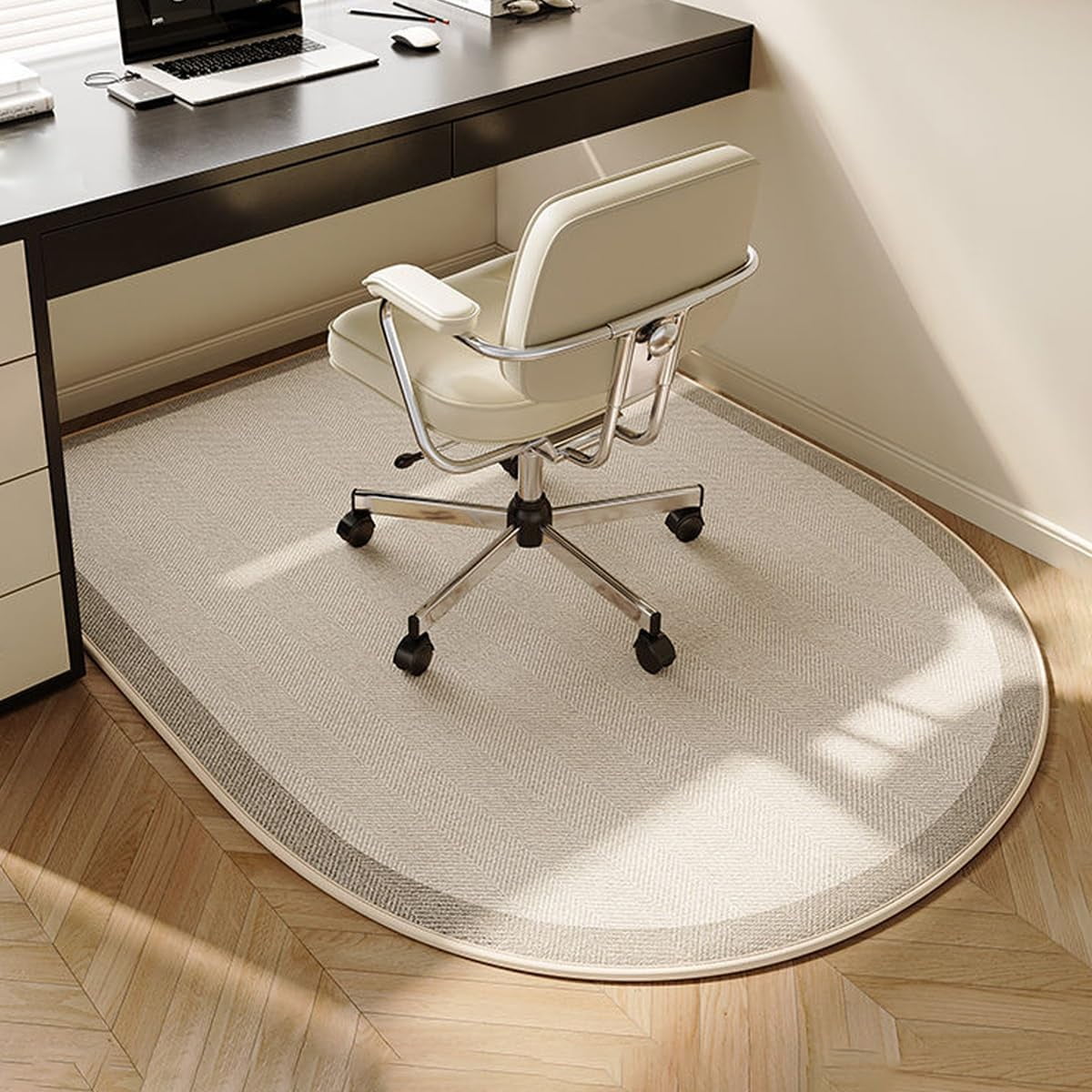
Why Your Workspace Needs an Under Office Chair Mat
Imagine investing in beautiful hardwood floors or a plush new carpet, only to watch it get marred by the daily grind of your office chair. The constant swiveling, rolling, and pressure from casters can turn a pristine floor into a scratched, dented, or matted mess. This is where the unsung hero of the ergonomic workspace steps in: the under office chair mat.
More than just a piece of plastic, a quality chair mat is a protective barrier and a performance tool. It’s the foundation that allows your expensive ergonomic chair to perform optimally, whether you're on a delicate hardwood or a thick, shaggy carpet. According to floor maintenance studies, rolling a standard office chair directly on hardwood can create visible wear patterns in as little as three months. A proper mat eliminates this risk entirely.
Quick Stat: A survey by the North American Floor Covering Association found that 68% of home office workers with hard floors reported visible scratches from their office chairs within the first year. Using a simple under desk chair mat would have prevented nearly all of this damage.
Beyond Protection: The Mobility Factor
On carpet, the struggle is real. Standard chair casters sink into the fibers, creating resistance that forces you to exert more energy to move. This not only leads to fatigue but also puts uneven stress on the chair's base and your own posture as you twist and strain. A rigid office chair floor mat creates a smooth, low-friction surface, allowing you to glide effortlessly from one side of your desk to the other. This fluid movement is essential for multitasking and can reduce the physical effort of working by up to 40%.
Choosing Your Perfect Mat: A Material World
Selecting the right mat is like choosing the right tires for your car—it depends entirely on the terrain (your floor). Here’s a breakdown of the most common materials and their ideal use cases.
1. Polycarbonate: The Premium Performer
Think of polycarbonate as the bulletproof glass of chair mats. It’s incredibly durable, virtually unbreakable, and remains crystal clear over time without yellowing. If you’ve invested in stunning hardwood or want an "invisible" barrier, polycarbonate is your best friend.
- Best For: Hardwood, tile, laminate, and low-pile carpet.
- Advantages: Won't crack under heavy loads (ideal for heavy-duty office chair mat needs), UV stable, eco-friendly (often recyclable), and provides a glass-smooth rolling surface.
- Trade-off: Higher initial cost than PVC, but its longevity justifies the price.
2. PVC (Vinyl): The Versatile Workhorse
PVC mats are the most common and affordable option. They offer a good balance of durability and flexibility. However, quality can vary significantly. Cheaper PVC mats can become brittle over time, crack, or curl up at the edges.
- Best For: Low to medium-pile carpet and budget-conscious setups.
- Advantages: Cost-effective, widely available in various sizes (including large office chair mat options), and often features a textured surface to prevent chair slippage.
- Trade-off: Can have a strong odor initially (off-gassing) and may crack under extreme weight or in cold temperatures.
3. Bamboo/Wood: The Aesthetic Choice
For the style-conscious executive who hates the look of plastic, bamboo or hardwood slat mats are a game-changer. They provide a beautiful, natural aesthetic that complements a luxury office.
- Best For: Hardwood floors where you want a cohesive, furniture-like look.
- Advantages: Eco-friendly, stunning appearance, durable, and doubles as a design statement.
- Trade-off: Heavier than plastic, not suitable for carpet (they need a hard surface to lay flat), and the rolling surface isn't as friction-free as polycarbonate.
Comparing Mat Types at a Glance
| Mat Type | Floor Compatibility | Durability | Best Feature |
|---|---|---|---|
| Polycarbonate (Clear) | Hard floors, Low-pile carpet | Excellent (10+ years) | Crystal clear, unbreakable |
| PVC (Vinyl) | Carpet (low/medium), Hard floors | Good (3-7 years) | Affordable, widely available |
| Bamboo/Wood | Hard floors only | Very Good | Natural beauty, eco-friendly |
| Textile/Peel & Stick | Hard floors | Fair (2-4 years) | Decorative, adds color/pattern |
Anatomy of a Mat: Cleats vs. Smooth Backing
One of the most critical distinctions is the mat's underside.
- Cleated/Gripper Mats: These have small, hard plastic points or a grippy texture on the bottom. They are exclusively for carpeted floors. The cleats dig into the carpet fibers, anchoring the mat so it doesn't slide around as you roll. Using a cleated mat on a hard floor will scratch it and likely slip.
- Smooth/Textured Back Mats: These have a flat or lightly textured bottom. They are designed for hard floors, relying on friction and weight to stay in place. They protect the floor without scratching it.
Always check the product specifications. A carpet protector mat for office chair will explicitly state it's for carpet, while a hardwood floor office chair mat will be clearly labeled for hard surfaces.
Size and Shape: Finding the Right Fit
Standard rectangle mats (e.g., 36"x48") are common, but consider your workspace layout.
- Measure your rolling radius: Sit in your chair and see how far you naturally move side-to-side and forward/backward. Add a few inches on each side.
- Consider a lip: Many mats have a curved or straight "lip" that extends under your desk. This allows your chair to sit comfortably in the work position without the front wheels rolling off the mat onto the bare floor.
- Lip-less or stationary options: Some prefer a mat without a lip, especially for L-shaped desks, allowing the chair to be positioned freely.
Frequently Asked Questions About Under Office Chair Mats
Conclusion: A Small Investment for Long-Term Protection
Your office floor is a significant part of your workspace investment. An under office chair mat is a simple, cost-effective tool that preserves that investment while simultaneously improving your daily comfort and mobility. Whether you opt for the invisible strength of polycarbonate, the affordability of PVC, or the natural elegance of bamboo, choosing the correct mat for your floor type is essential.
Don't wait until you see the first scratch on your hardwood or feel the drag on your carpet. Equip your workspace with the right foundation today. Browse our top picks above to find the perfect match for your office and enjoy a smoother, worry-free workday.