
Why Your Low Pile Carpet Deserves a Dedicated Chair Mat
If you have low pile carpet (think office-grade or tight-loop berber) in your workspace, you've probably noticed how casters can snag, drag, and eventually crush the fibers. A standard chair mat designed for hard floors simply won't work—it will slide around and may even crack. A proper office chair mat for low pile carpet acts like a protective shield: it spreads your chair's weight, prevents fiber matting, and gives you the freedom to move without wrestling your chair.
Did you know? According to floor-care studies, rolling an office chair directly on low pile carpet can cause visible wear patterns in under 6 months. A quality mat can extend the life of your carpet by up to 400% in high-traffic office areas.
What Makes a Mat Suitable for Low Pile Carpet?
Not all chair mats are created equal. Low pile carpet requires specific features to stay put and function well:
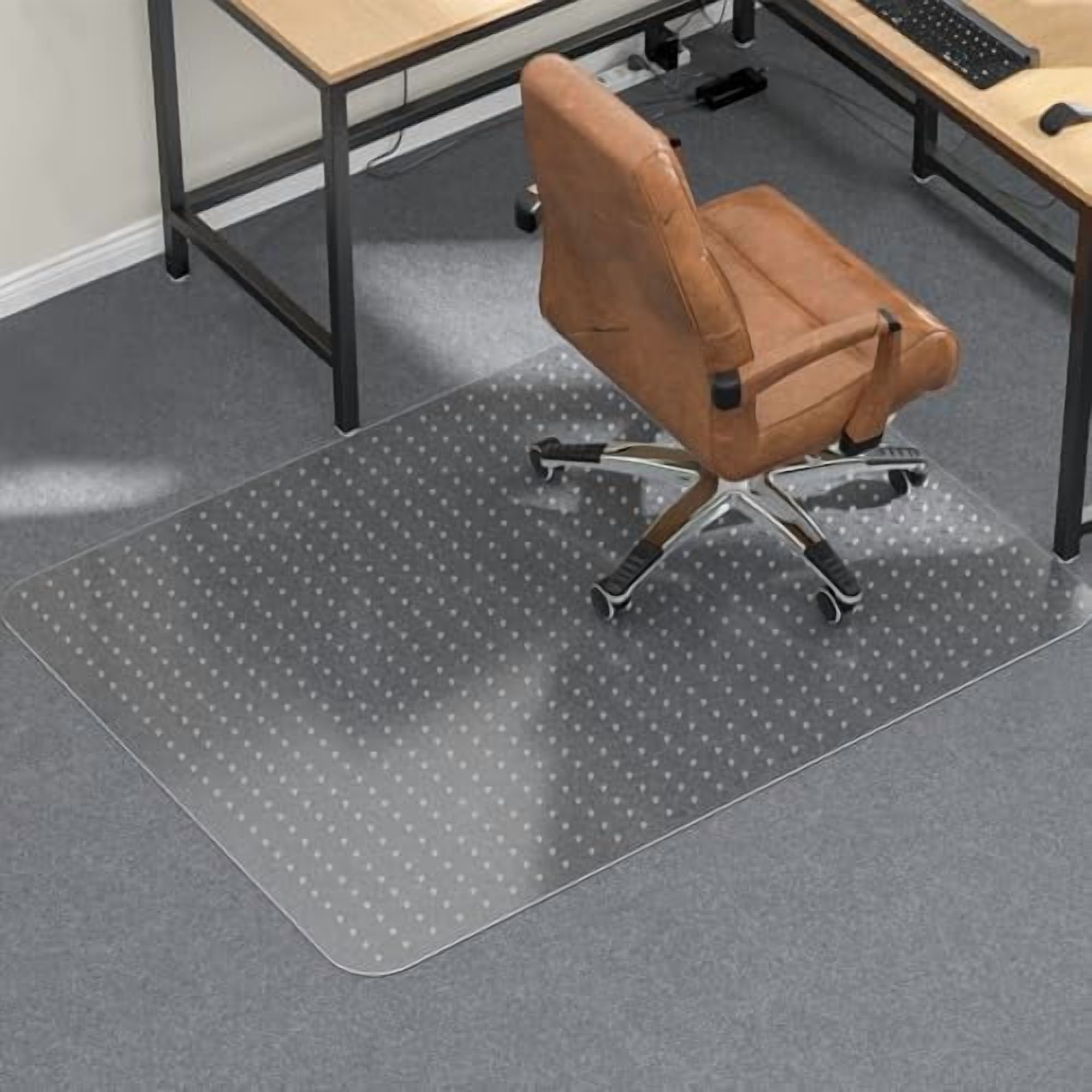
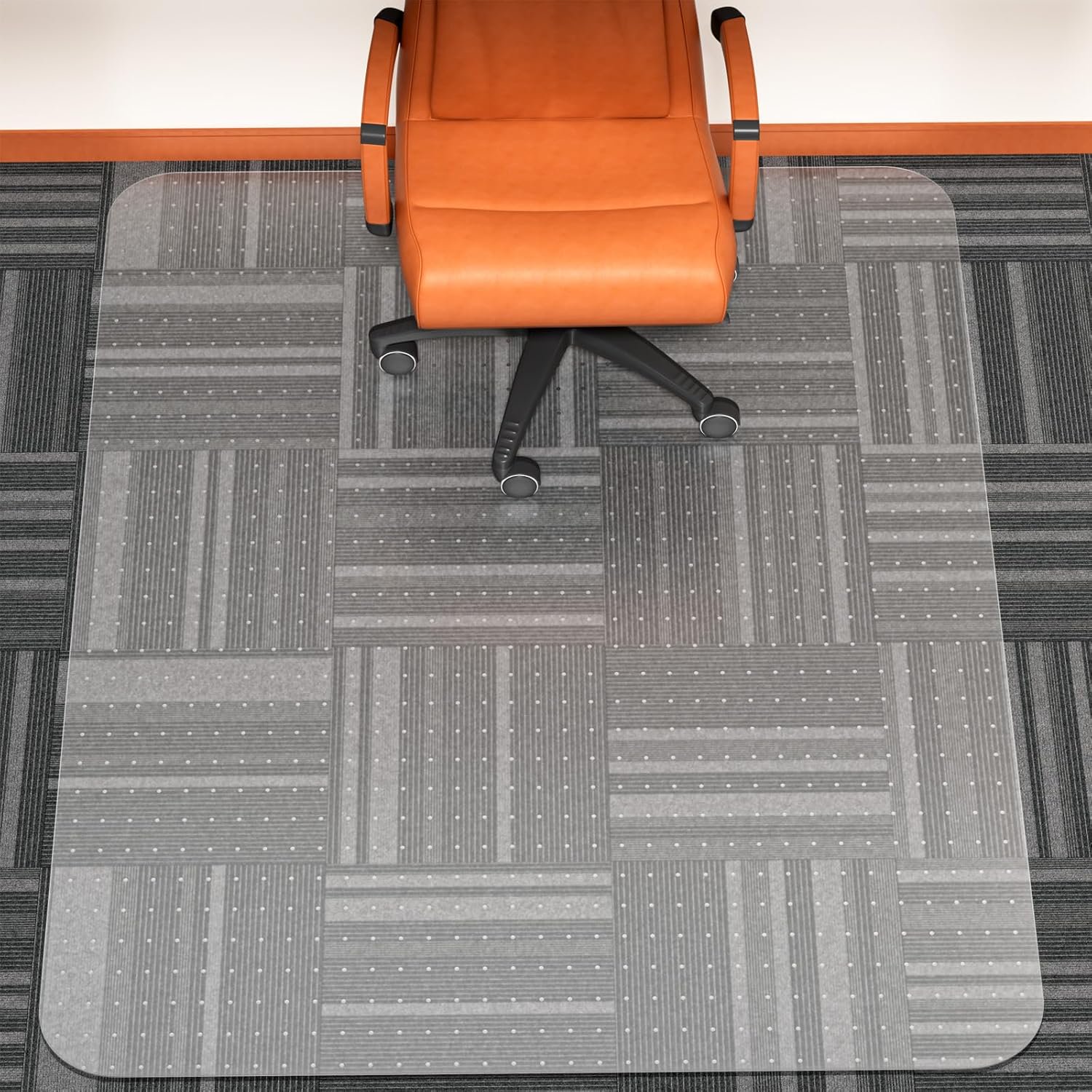
- Cleat or gripper design: The underside must have small, rigid cleats (spikes) that dig slightly into the carpet backing to prevent slipping. Low pile needs sharper, more aggressive cleats than plush carpet.
- Material stiffness: Softer vinyl mats can curl or crack under chair wheels on thin carpet. Polycarbonate or high-quality PVC remain flat and durable.
- Low-profile edge: A beveled or tapered edge prevents tripping and allows the chair to roll on/off smoothly without catching.
- Chemical resistance: Mats on carpet are often exposed to foot traffic dirt; a non-porous surface (like polycarbonate) resists staining and clouding.
Polycarbonate vs. PVC: The Material Showdown
The two heavyweight contenders for low pile carpet mats are polycarbonate and PVC. Here’s how they stack up:
✅ Polycarbonate (Premium)
- Nearly unbreakable – won't crack even under heavy chairs
- Crystal clear – lets your carpet color show through
- No "off-gassing" – safer for indoor air quality
- Lifetime durability – resists curling permanently
- Eco-friendlier – often recyclable
⚠️ PVC / Vinyl (Budget)
- Prone to cracking over time, especially in temperature changes
- Can become cloudy or yellow with age
- May curl at edges after a few months
- Heavier chemical smell initially
- More affordable upfront but shorter lifespan
Key Buying Factors for Low Pile Carpet Mats
Keep these specs in mind when shopping:
- Thickness: 2mm–3mm is ideal. Too thin and it won't support the chair; too thick and it may feel bulky.
- Cleat pattern: Look for "heavy-duty carpet grippers" or "cleats for low pile." The cleats should be dense and sharp.
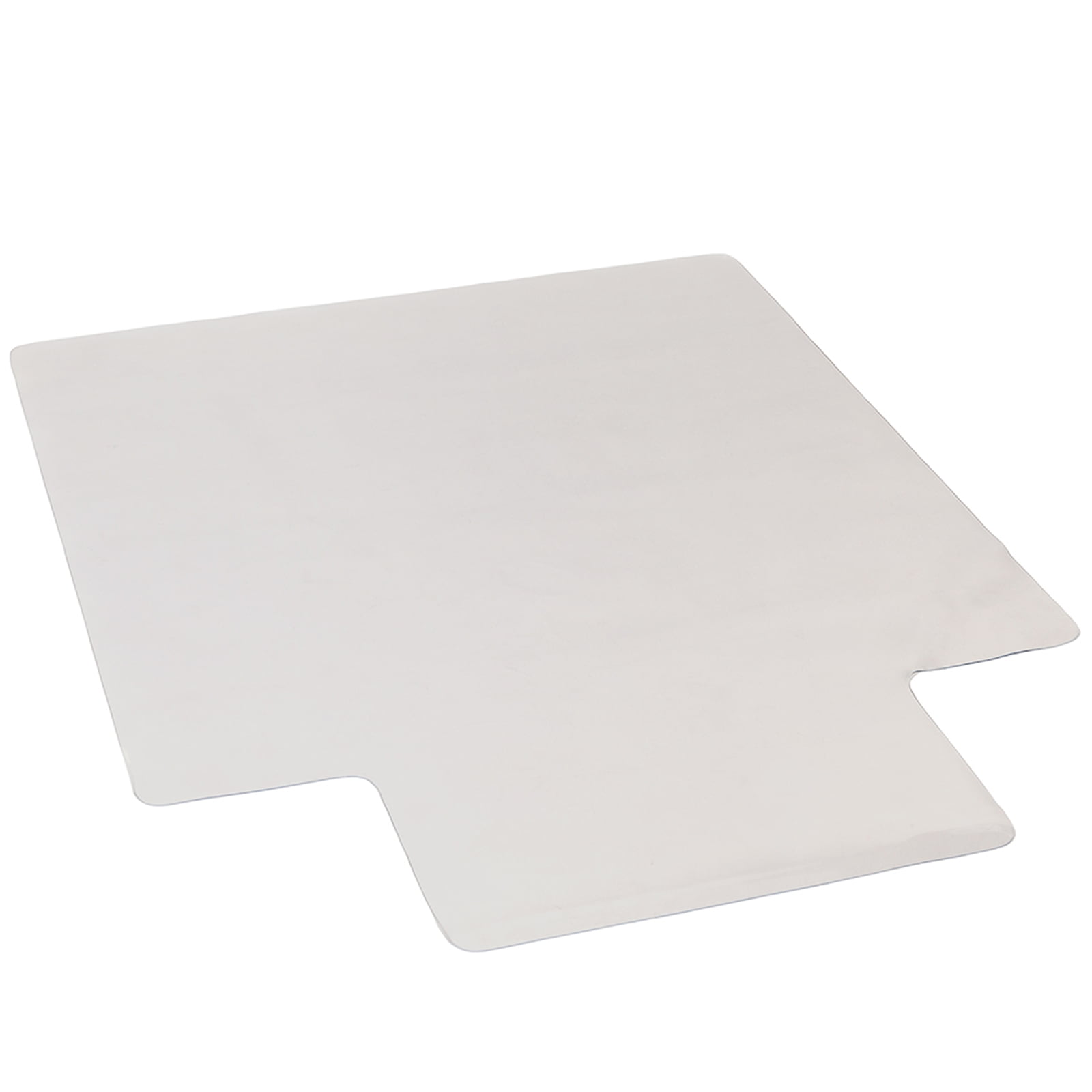
- Size & shape: Measure your workspace. Standard sizes: 36"x48" (rollerblade shape) or 45"x53" (rectangle). Ensure you have room to roll back.
- Transparency: If you like your carpet's look, go for clear polycarbonate. If you want to hide dirt, a textured or colored mat works.
- Warranty: Premium mats often come with 5-year to lifetime warranties against cracking.
Installation and Care Tips
Getting the most from your mat is easy:
- Unpack and flatten: Let the mat acclimate at room temperature for 24 hours. Place it on the carpet with the cleat side down.
- Walk or roll on it: Apply pressure with your chair or feet to help the cleats engage with the carpet fibers.
- Clean regularly: Vacuum the mat surface and edges. For deeper cleaning, use a damp microfiber cloth with mild dish soap. Avoid ammonia or abrasive cleaners.
- Check under the mat: Every few months, lift the mat to vacuum underneath—this prevents dirt from grinding into the carpet.
Common Mistakes to Avoid
- Using a hard floor mat on carpet: It will slide, crack, and possibly damage your floor.
- Choosing a mat that's too thin: Thin mats (<1.5mm) on low pile carpet will buckle under chair weight.
- Ignoring cleat design: Some mats have smooth backs—avoid those for carpet.
- Overspending on a brand name: Focus on material (polycarbonate) and thickness rather than logos.
A survey by the Carpet and Rug Institute found that 78% of office workers with chair mats reported less fatigue because they could move their chair with minimal effort. For low pile carpet, the right mat transforms your workflow.
Frequently Asked Questions: Office Chair Mats for Low Pile Carpet
Conclusion: Choose Smart, Roll Smooth
Investing in a proper office chair mat for low pile carpet is a small price to preserve your flooring and enhance your daily comfort. Focus on polycarbonate materials, adequate thickness, and carpet-specific cleats. Whether you're setting up a home office or outfitting a corporate workspace, the right mat keeps your chair moving and your carpet looking new for years.
Remember to measure your area, consider transparency preferences, and read warranties. With the tips above, you're ready to pick a mat that won't crack, slip, or let you down.