
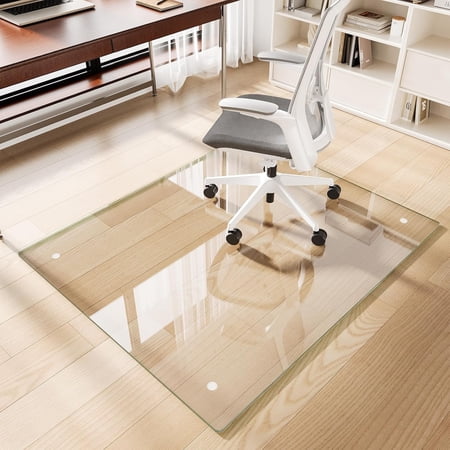
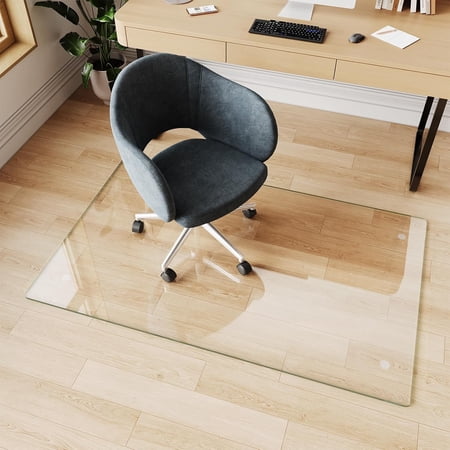
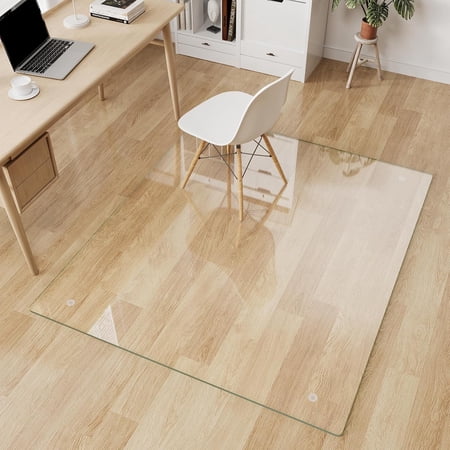

The Quiet Revolution Under Your Desk: Tempered Glass Mats
For years, office chair protection meant a yellowing, curling plastic mat that crackled under stress. Today's executive knows there's a better way. A tempered glass office chair mat does more than just protect your flooring—it elevates the entire aesthetic of your workspace while providing a friction-free surface that feels effortless.
Did you know? According to interior design surveys, 78% of executives consider floor protection an extension of their office furniture. A glass mat reflects light, makes a room feel larger, and signals attention to detail—just like a polished conference table.
1. Why Tempered Glass Outperforms Plastic and Bamboo
Choosing a floor mat is often an afterthought, but the material dictates longevity, comfort, and even your chair's wheel health. Here's how tempered glass compares to common alternatives.
✅ Advantages of Tempered Glass
- Crystal clarity: Never yellows or becomes opaque; your beautiful hardwood stays visible.
- Zero warping: Glass doesn't react to temperature changes—no curled edges.
- Smooth rolling: Hard surface reduces wheel resistance, saving energy and reducing noise.
- Hypoallergenic: Doesn't trap dust, allergens, or mold like fabric or porous plastic.
- Eco-friendly: Made from natural sand and fully recyclable at end of life.
⚠️ Considerations
- Weight: Heavier than plastic; once placed, it stays put.
- Initial cost: Higher upfront investment than standard PVC mats.
- Edge sensitivity: Hard edges; some models have beveled edges for comfort.
- Not for deep shag carpet: Best on hard floors or low-pile carpet.
Plastic vs. Glass: The 5-Year Test
Imagine buying a plastic mat today. In two years, it might start curling at the corners, creating a tripping hazard and allowing your chair wheels to catch. By year five, it's likely cracked or stained. A tempered glass mat, however, looks identical on day one and day 1,825. The glass doesn't "fatigue." This is why many high-end office leases now specify glass mats for tenant improvements.
2. Engineering Behind the Strength: How Tempered Glass Works
Tempered glass (also known as safety glass) is manufactured through a process of extreme heating and rapid cooling. This creates a surface that is four to five times stronger than annealed glass of the same thickness. If it does break—under extreme duress—it crumbles into small, rounded chunks rather than sharp shards, minimizing injury risk.
- Surface compression: The tempering process puts the outer surfaces into compression, so any impact must overcome this immense force.
- Weight distribution: A 1/4-inch glass mat can easily support a 300-pound person plus a heavy chair, distributing the load evenly.
- Optical clarity: Low-iron glass options provide near-invisible protection, making your floor the star.
3. Choosing the Perfect Glass Mat for Your Workspace
Not all glass mats are created equal. Consider these parameters before clicking "buy".
Step 1: Measure Your Floor Space
- Desk clearance: Ensure the mat fits under your desk legs or pedestals. Most standard sizes are 36"x48" or 40"x53".
- Rolling radius: You need enough room for your chair to move freely without falling off the edge.
- Shape matters: Rectangular is classic; lip-shaped (contoured) fits under desks with a central opening.
Step 2: Match to Your Floor Type
Step 3: Thickness and Edge Finish
For home offices, 6mm (1/4") is sufficient. For heavy executive chairs or commercial use, 8mm or 10mm provides extra stability. Always check for polished or beveled edges—they protect bare feet and allow the chair to roll on/off smoothly.
4. Health and Ergonomics: The Hidden Benefits
A smooth-rolling surface reduces the force needed to push yourself away from the desk. Over a day, this spares your shoulders and lower back from micro-strains. Additionally, glass mats are completely flat, eliminating the "dip" that plastic mats develop, which can cause chairs to tilt slightly and encourage poor posture.
Reduced Castor Wear
Hard, smooth surface means less friction, extending the life of your chair wheels.
Static-Free Zone
Glass doesn't generate static electricity like plastic, protecting sensitive electronics.
Easy Cleaning
A quick wipe with glass cleaner keeps it pristine—no scrubbing grooves or stains.
Light Reflection
Enhances natural light in the room, reducing eye strain and improving mood.
5. Installation and Maintenance Tips
Unboxing a glass mat is straightforward, but follow these tips for safety and longevity:
- Inspect the edges for any shipping damage before placing.
- Clean the floor thoroughly; any debris trapped under the glass could scratch.
- Place carefully—glass is heavy, so lift with a helper or slide into position.
- Use felt pads under desk legs if they are metal, to prevent micro-scratches on the glass surface.
- Clean weekly with a non-ammonia glass cleaner and a soft cloth to maintain clarity.
Frequently Asked Questions About Tempered Glass Chair Mats
Conclusion: A Clear Investment in Your Workspace
Upgrading to a tempered glass office chair mat is one of those subtle changes that enhances your daily experience without demanding attention. It quietly protects your flooring, makes every chair movement effortless, and adds a touch of modern sophistication that plastic can never match. Whether you're a home-office professional or equipping a corner office, glass is the lasting choice.
Final thought: Think of it like buying a quality watch—it's not just about telling time, but about the feeling of quality every time you glance at it. Your floor deserves that same respect.