
The Unsung Hero of Your Office: Why You Need a Heavy Duty Chair Mat
Imagine buying a luxurious, high-back executive chair with advanced ergonomics, only to have it sink into your plush carpet or scratch your gleaming hardwood floors within weeks. Your chair's wheels are designed for smooth rolling, but without the right foundation, they become instruments of destruction. This is where a heavy duty office chair mat steps in—not just as a floor protector, but as a performance enhancer for your entire workspace.
According to a study by the Floor Covering Institute, rolling an office chair directly on carpet can generate friction 3x higher than on a proper mat, leading to premature carpet wear and increased physical effort to move. For executives spending over 8 hours seated, that extra drag adds up to fatigue. A quality mat reduces rolling resistance by up to 50%, letting you glide across your workspace with ease.
What Defines "Heavy Duty"? Beyond the Basic Mat
Not all mats are created equal. A standard 1/8-inch vinyl mat might suffice for a guest chair, but for a daily-driver executive chair—especially if you're a larger individual or use a heavy wooden chair—you need serious engineering. Here's what separates a true heavy-duty mat:
- Material thickness: Heavy-duty mats are typically 1/4-inch (6mm) or more in thickness. This prevents warping and provides a stable platform.
- Polycarbonate construction: The gold standard. Polycarbonate is impact-resistant, won't crack in cold temperatures, and remains optically clear for years.
- Weight capacity: Designed to support chairs with users weighing 300 lbs to 500+ lbs without creating ruts or stress fractures.
- Large surface area: Heavy-duty mats often come in larger sizes (like 60"x78") to accommodate the full roll of big and tall chairs and prevent wheels from slipping off the edge.
- Reinforced lip: A beveled or ramped edge that withstands repeated rolling without cracking or peeling up.
Pro Tip: If you have a heavy duty executive office chair (often weighing 70 lbs+ empty), your mat must support the combined weight of chair + person. Always check the mat's load specification.
Material Face-Off: Polycarbonate, PVC, and Bamboo
Choosing the right material for your heavy duty mat depends on your floor type and aesthetic preference. Let's break down the contenders.
Polycarbonate (The Heavyweight Champion)
Think of polycarbonate as the bulletproof glass of chair mats. It's virtually unbreakable. A 1/4-inch polycarbonate mat can support thousands of pounds without cracking. It's also crystal clear, so your beautiful hardwood floor shows through. Unlike PVC, it doesn't contain phthalates and is more environmentally stable. Best for: executive offices with hardwood, tile, or low-pile carpet where you want maximum durability and clarity.
PVC / Vinyl (The Budget Workhorse)
Most standard mats are PVC. Heavy-duty PVC mats are thicker (around 3/16" to 1/4") and have a textured surface to prevent slipping. However, PVC can become brittle over time, especially in cooler rooms, and may crack under extreme point loads. It can also curl at the edges. Best for: medium-duty use, home offices, and low-pile carpet where budget is a primary concern.
Bamboo / Hardwood (The Aesthetic Choice)
For the style-conscious executive, bamboo or hardwood mats offer a stunning, furniture-like appearance. These are usually made from thin strips of wood bonded together. While beautiful, they are not always "heavy duty" in terms of flexibility. They can dent if heavy objects are dropped and may scratch over time. Best for: executive offices where aesthetics are paramount and the chair is used carefully, or as a decorative rug for office chair on hardwood alternative.
Heavy Duty Mat Selection by Floor Type
One size does not fit all—especially when it comes to flooring. Here's a targeted guide:
For Thick, Plush Carpet
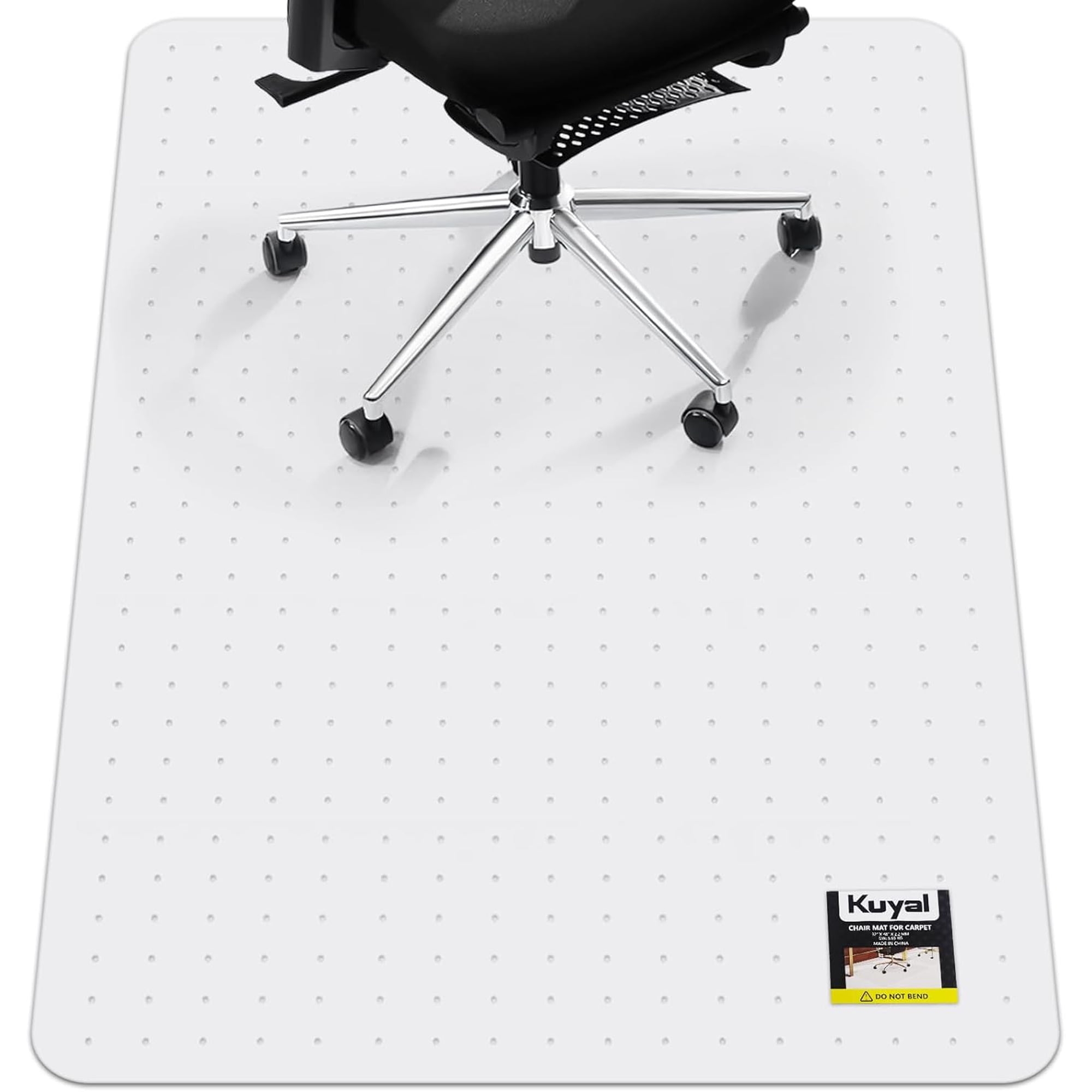
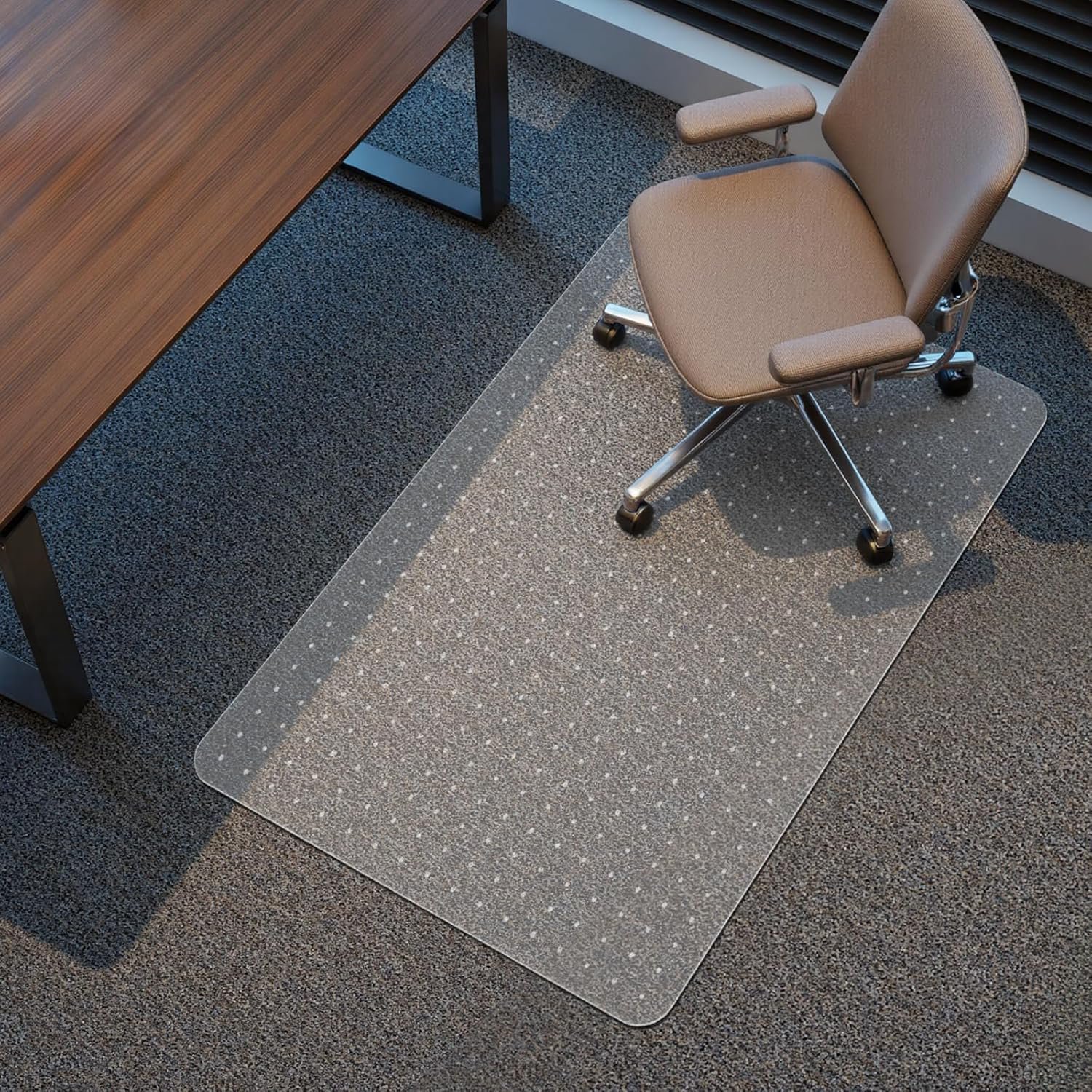
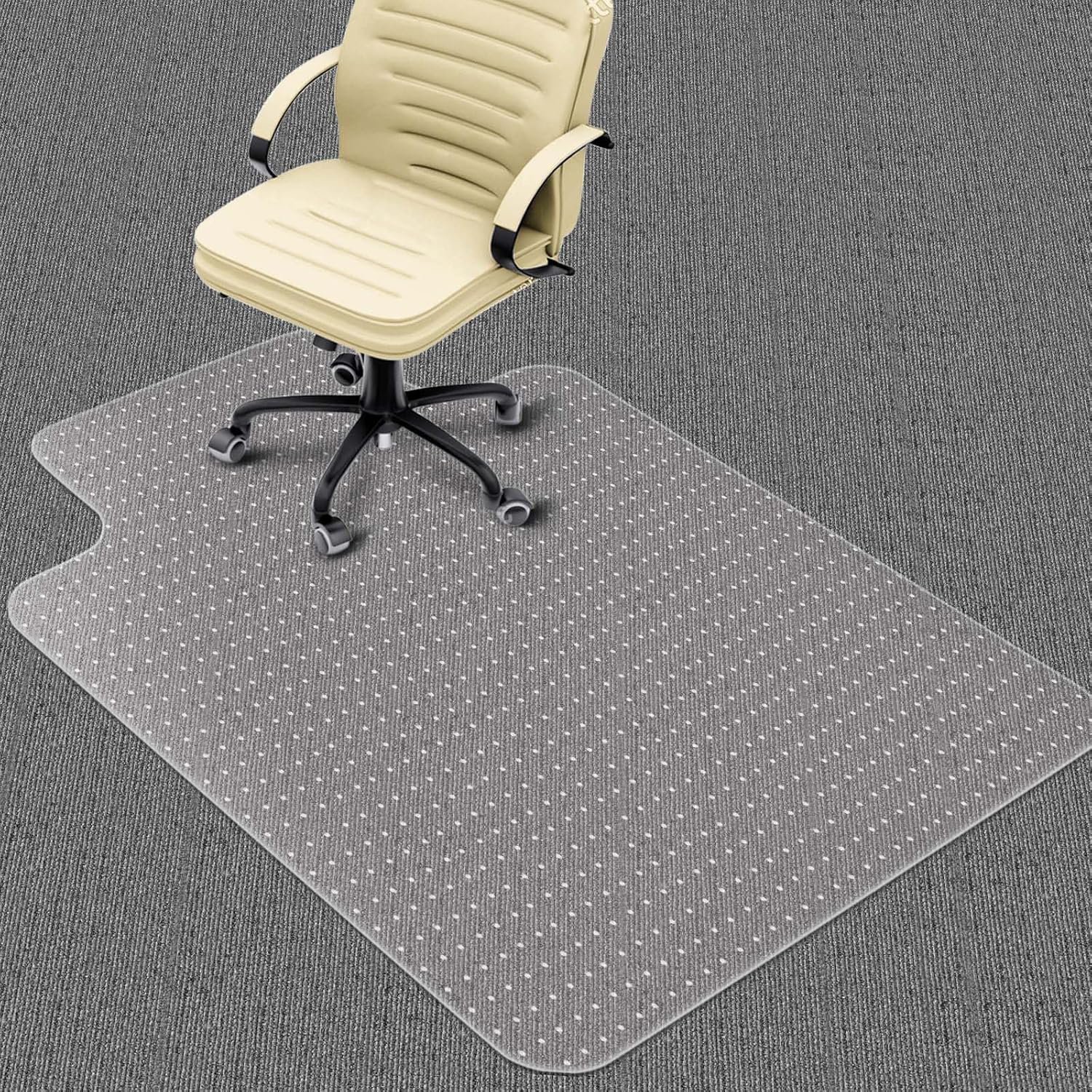
Standard mats sink into plush carpet, causing the chair to wobble. You need a mat with a studded or cleated backing. These grippers dig into the carpet fibers, anchoring the mat so it doesn't slide. Look for terms like "for thick carpet" or "high-pile carpet mat." A heavy-duty version will have longer, more aggressive cleats. Example need: office chair mat for high pile carpet.
For Hardwood and Tile
Slipping is the enemy. Your mat needs a smooth or textured backing that grips the hard surface without scratching. Polycarbonate mats with a natural grip or a low-profile texture are perfect. Avoid rubber-backed mats, as they can react with wood finishes over time. Check out our selection of hardwood floor office chair mats.
For Low-Pile Carpet or Office Carpet Tiles
You have more flexibility here. A thick PVC mat or a polycarbonate mat with a smooth underside will work well. The key is weight—ensure the mat lies flat without curling. A glass office chair mat is an alternative for low-pile, offering a sleek look, but it requires a perfectly level surface and careful handling.
Key Features to Look For
- Lip / Edge Design: A low-profile, beveled lip allows your chair to roll onto the mat smoothly without a jarring bump. Heavy-duty mats often have a reinforced lip that won't delaminate.
- Surface Texture: A slight texture (like matte or pebbled) prevents your chair casters from sliding uncontrollably, especially when leaning back.
- Chemical Resistance: In an office with coffee and cleaning products, a mat that resists stains and chemicals is a plus. Polycarbonate excels here.
- Warranty: Look for a 5-year to lifetime warranty. This indicates manufacturer confidence in the mat's durability.
Installation and Maintenance Tips
Even the toughest mat needs proper care. Follow these steps to maximize its life:
- Unpack and flatten: When you receive a rolled mat, unroll it and lay it flat in a warm room. It may take 24-48 hours to fully flatten. You can place heavy books on the corners to speed this up.
- Clean regularly: Vacuum or sweep dust and debris from underneath the mat. Grit acts like sandpaper on both the mat and your floor. For clear mats, use a damp cloth and mild soap to maintain clarity.
- Avoid sharp objects: Even heavy-duty mats can be punctured by high-heels or dropped tools. Be mindful.
- Check casters: Ensure your chair casters are clean and appropriate for the mat. Hard floor casters on a mat designed for carpet can cause scratches.
Frequently Asked Questions About Heavy Duty Office Chair Mats
Conclusion: Invest in the Foundation of Your Workspace
Your heavy duty office chair mat is a silent partner in your daily productivity. It preserves your flooring investment, enhances the mobility of your premium chair, and provides a stable, professional base for your work. Whether you need a clear office chair mat to showcase hardwood, or a mat for carpet that won't crack, prioritize thickness and material quality. Remember the old office adage: a $10,000 chair on a $50 mat is still a $50 setup. Choose wisely, and your back—and your floors—will thank you.