
1. The Forward Tilt Revolution: More Than Just a Lever
Imagine sitting at your desk not with a stagnant, 90-degree angle, but with your body slightly inclined, alert, and engaged. That's the promise of a forward tilt office chair. It's not a new concept—ergonomists have praised "dynamic sitting" for decades—but it's finally becoming a standard feature executives and home workers seek. This guide dives deep into why this mechanism might be the missing piece in your work-from-home setup.
2. Understanding the Forward Tilt Mechanism: How It Works
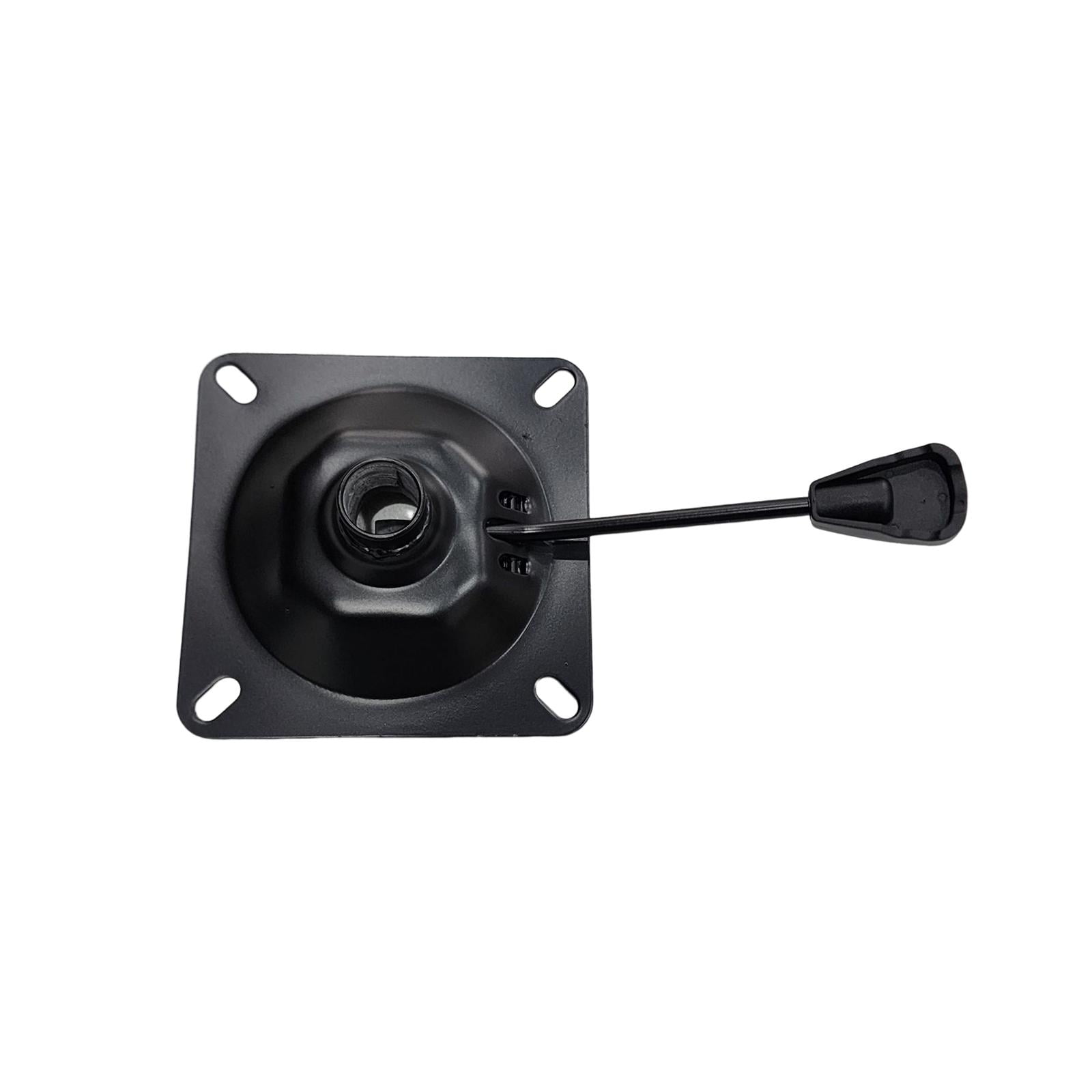
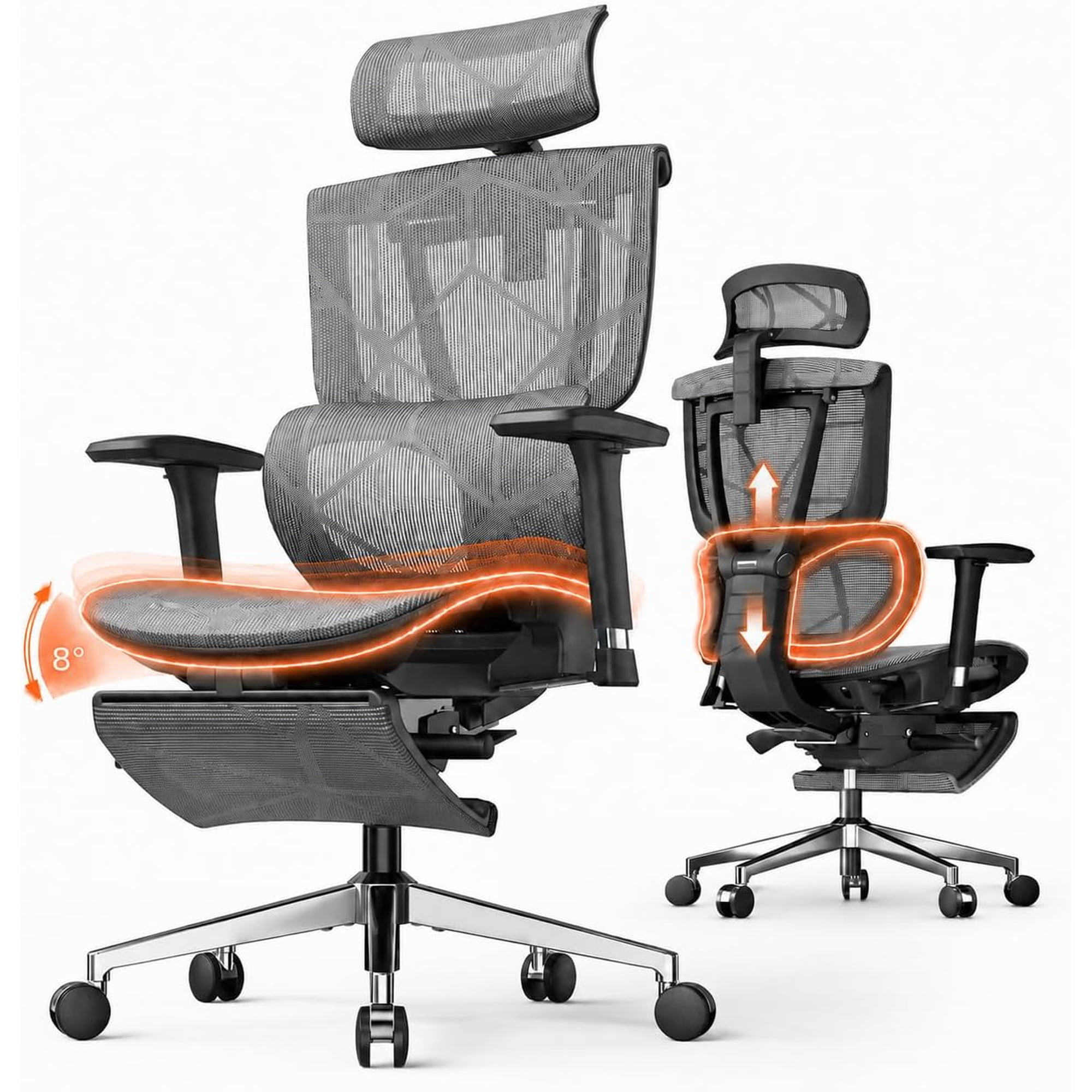
At its core, the forward tilt function allows the seat pan to angle downward, typically between 5 and 15 degrees. Think of it like a manual car's seat if you tilted it forward to reach the pedals better. In an office context, this slight forward slope does something remarkable: it encourages your pelvis to rotate anteriorly. This natural movement helps maintain the inward curve of your lower back (lordosis), preventing the dreaded "C" curve that leads to slouching.
2.1. Independent vs. Synchro Tilt: Know the Difference
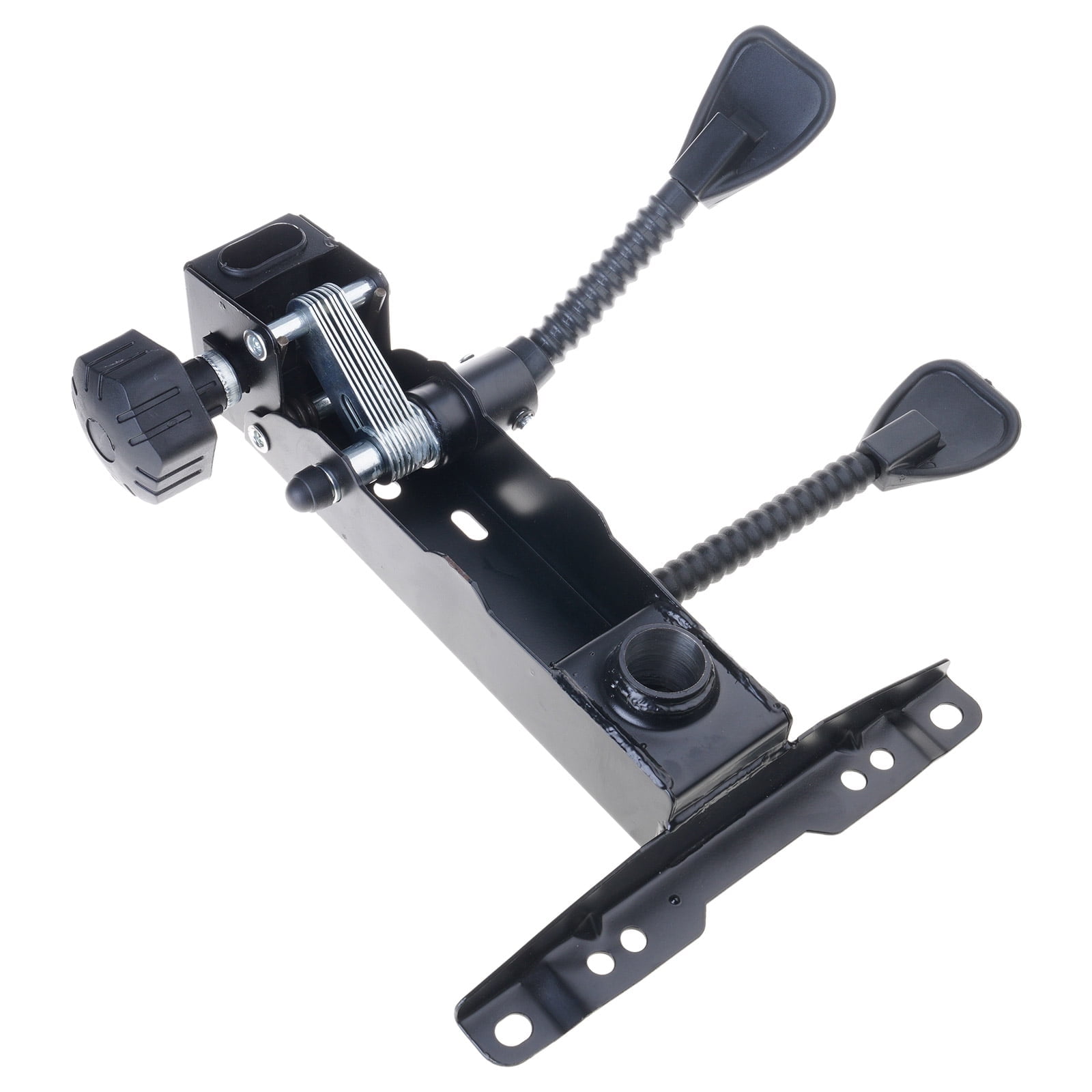
Not all forward tilt mechanisms are created equal. On budget chairs, you'll often find a "synchro tilt," where the backrest and seat tilt together in a fixed ratio. While better than nothing, it limits customization. High-quality forward tilt office chairs offer independent adjustment. You can lock the backrest at your preferred recline angle while tilting just the seat forward. This gives you the precision to find your "sweet spot."
2.2. The Waterfall Edge Connection
A crucial partner to forward tilt is a "waterfall seat edge." When the seat tilts forward, the front edge can press into your thighs, potentially restricting blood flow. Chairs designed with a soft, downward-curved front edge alleviate this pressure. When shopping, look for this combination: forward tilt plus a generously padded waterfall front.
2.3. Pros and Cons at a Glance
✅ Advantages
- Reduces Hip Flexor Tightness: Opens the hip angle to 100-110 degrees, preventing the stiffness from hours of sitting.
- Encourages Upright Posture: Makes slouching feel unnatural, training your body to sit taller.
- Decreases Disc Pressure: According to spine research, a slight forward tilt can reduce pressure on lumbar discs by distributing weight more evenly.
- Ideal for Task Work: Perfect for writing, drafting, or any desk work that requires leaning slightly forward.
⚠️ Considerations
- Not for Relaxation: You won't want to kick back and watch a video in this mode.
- Requires Adjustment Period: Your core muscles engage more, so you might feel tired initially—this is normal and a sign it's working.
- Can Cause Slipping: On cheaper chairs, you might feel like you're sliding off if the seat fabric is too slippery.
3. Is a Forward Tilt Chair Right for You? A User Persona Guide
This feature isn't for everyone. Here's a simple way to decide:
- The "Leaning Tower" Drafter: If you constantly lean over blueprints, documents, or a drafting table, forward tilt provides the support you need without rounding your back.
- The Fitness-Focused Executive: You value movement. You have a standing desk, and you want your chair to promote activity, not passivity.
- The Chronic Sloucher: If you've tried lumbar pillows and posture correctors with little success, the forward tilt mechanism physically makes slouching difficult. It's a structural solution, not just a reminder.
- Individuals with Certain Back Conditions: For some with lumbar lordosis issues or specific disc problems, forward tilt can be therapeutic. However, always consult a specialist.
4. What the Science Says About Forward Tilt Sitting
Research Insight: A study published in the journal "Ergonomics" found that a forward-tilted seat pan of 10 degrees significantly reduced spinal shrinkage compared to a horizontal seat over a 4-hour sitting period. Another study indicated that participants reported 30% less lower back discomfort when using a forward-tilt chair during simulated desk work.
Why does this matter? Spinal shrinkage is a sign of disc compression. By allowing the hips to open, the spine can maintain its natural height and curvature, reducing fatigue and long-term wear and tear.
5. How to Adjust Your Forward Tilt Office Chair (Step-by-Step Guide)
Getting it right is key to reaping the benefits. Follow this simple process:
- Start Neutral: Begin with the chair in a flat position. Adjust your seat height so your feet are flat on the floor, knees at 90 degrees.
- Engage the Tilt: Find the lever (usually a separate knob or paddle) and slowly engage the forward tilt. Start with the smallest angle.
- Feel the Shift: You should feel your pelvis roll forward slightly. Your thighs should slope downwards. If you feel pressure behind your knees, the angle is too steep or the seat edge isn't waterfall enough.
- Adjust Tension (if available): Some high-end chairs let you control how easily the seat tilts. Set it so it supports you without feeling like you're fighting it.
- Listen to Your Body: Use the forward tilt for 20-30 minute intervals during active work, then return to neutral or a slight recline for a break.
6. Forward Tilt vs. Other Ergonomic Features
| Feature | Primary Benefit | Works Best With Forward Tilt? |
|---|---|---|
| Forward Tilt | Opens hip angle, promotes active sitting | — |
| Adjustable Lumbar Support | Fills the curve of your lower back | Yes - Forward tilt aligns the spine, lumbar fills the curve perfectly. |
| Seat Depth Adjustment | Ensures proper thigh support | Yes - Prevents the seat edge from hitting the back of your knees when tilted. |
| 4D Armrests | Supports arms in various positions | Yes - When leaning forward, you need armrests to move forward with you. |
7. Maintaining Your Chair's Tilt Mechanism
The forward tilt mechanism involves moving parts. To ensure longevity, clean the gas lift and tilt mechanism from dust and debris every few months. If you hear squeaking, a silicone-based lubricant (not WD-40) on the pivot points can work wonders. Avoid overloading the chair beyond its weight capacity, as this strains the tilt lock.