
Why an Adjustable Headrest is the Game-Changer Your Office Chair Needs
Imagine your office chair as the foundation of a house. The seat and back are the walls and floor, but the headrest? That's the roof—essential for complete protection and comfort. For millions who spend their days staring at screens, an office chair with an adjustable headrest is no longer a luxury; it's an ergonomic necessity. It's the difference between walking away from your desk feeling refreshed or nursing a stiff neck.
This guide dives deep into everything you need to know about chairs with this vital feature. We'll explore why adjustability matters, how it impacts your health, and what to look for when making a purchase. Whether you're a remote worker, a CEO, or a gamer, finding the right neck support can transform your sitting experience.
Did you know? According to a study published in the journal *Ergonomics*, poor head and neck support is a leading contributor to musculoskeletal disorders among office workers. Workers using chairs with properly adjusted headrests reported a 27% decrease in upper back and neck discomfort over a six-month period.
Decoding the Adjustable Headrest: More Than Just a Pillow
A fixed headrest is like a one-size-fits-all hat—it might work for some, but it's uncomfortable for most. The magic lies in adjustability. Here’s what makes a modern adjustable headrest a sophisticated piece of ergonomic engineering.
1. The Anatomy of Adjustment: 2D, 3D, and 4D Headrests
When shopping for an office chair with adjustable headrest, you'll encounter terms like 2D, 3D, and 4D. These aren't just marketing buzzwords; they describe the range of motion.
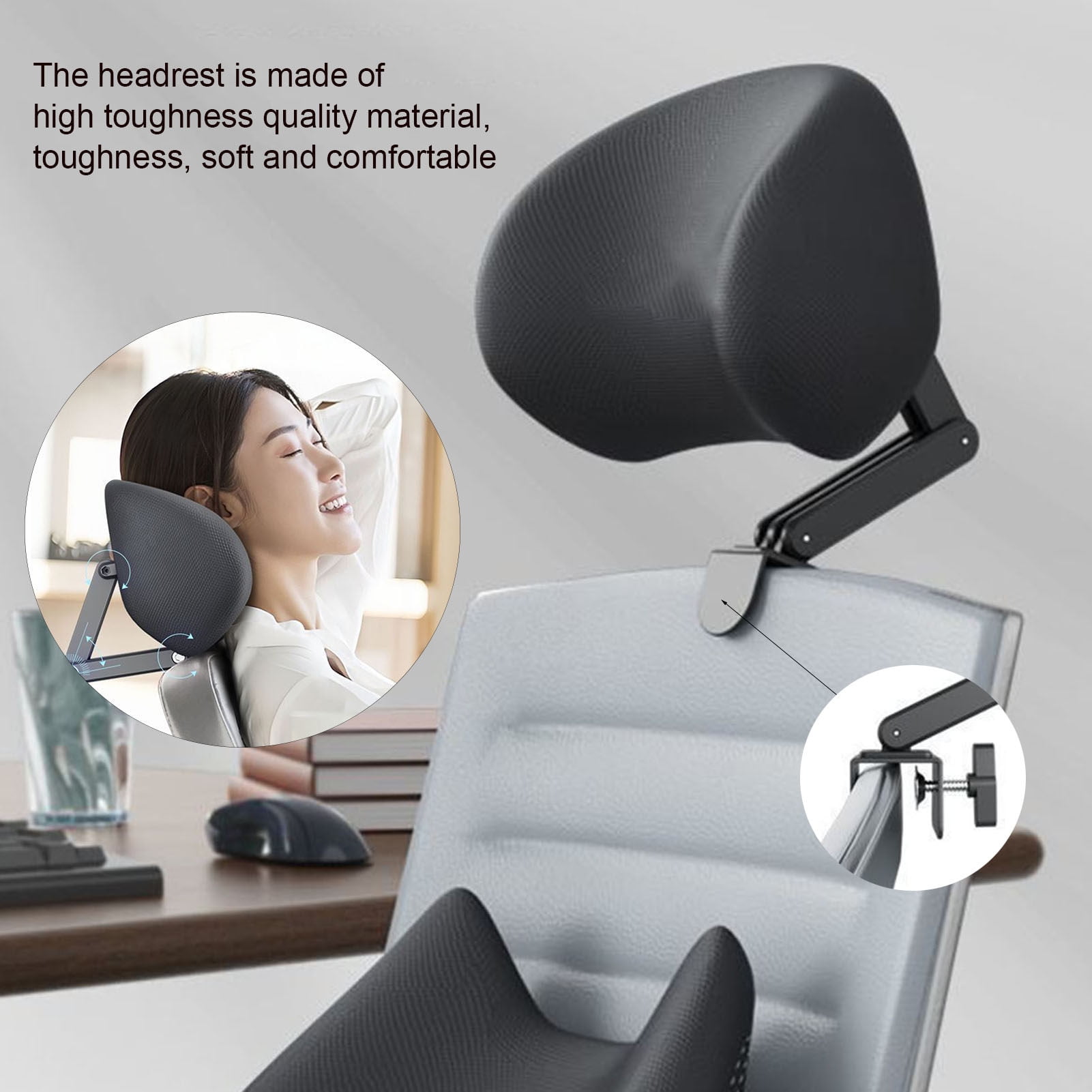
- 2D (Height & Angle): The most common type. You can raise or lower the headrest and tilt it forward or backward. This allows you to align it with your neck's curve and preferred recline angle.
- 3D (Height, Angle & Depth): Adds forward/backward depth adjustment. This is crucial if you like to sit upright or lean back significantly, ensuring the headrest contacts your neck without pushing your head forward.
- 4D (Height, Angle, Depth & Width): The pinnacle of customization. Some high-end chairs even allow you to adjust the width of the headrest wings for perfect lateral support, cradling your head like a pair of hands.
For most users, a chair with at least 3D adjustability offers the best chance at achieving a perfect, neutral neck posture.
2. Material Matters: Mesh, Fabric, or Memory Foam?
The material covering the headrest directly impacts comfort, especially during long hours. Think of it as the difference between a stiff hotel pillow and your favorite one at home.
- Memory Foam: Conforms to the unique shape of your head and neck, offering personalized comfort and pressure relief. It's the premium choice for those who value plush support. Look for chairs with high-density foam that won't lose its shape.
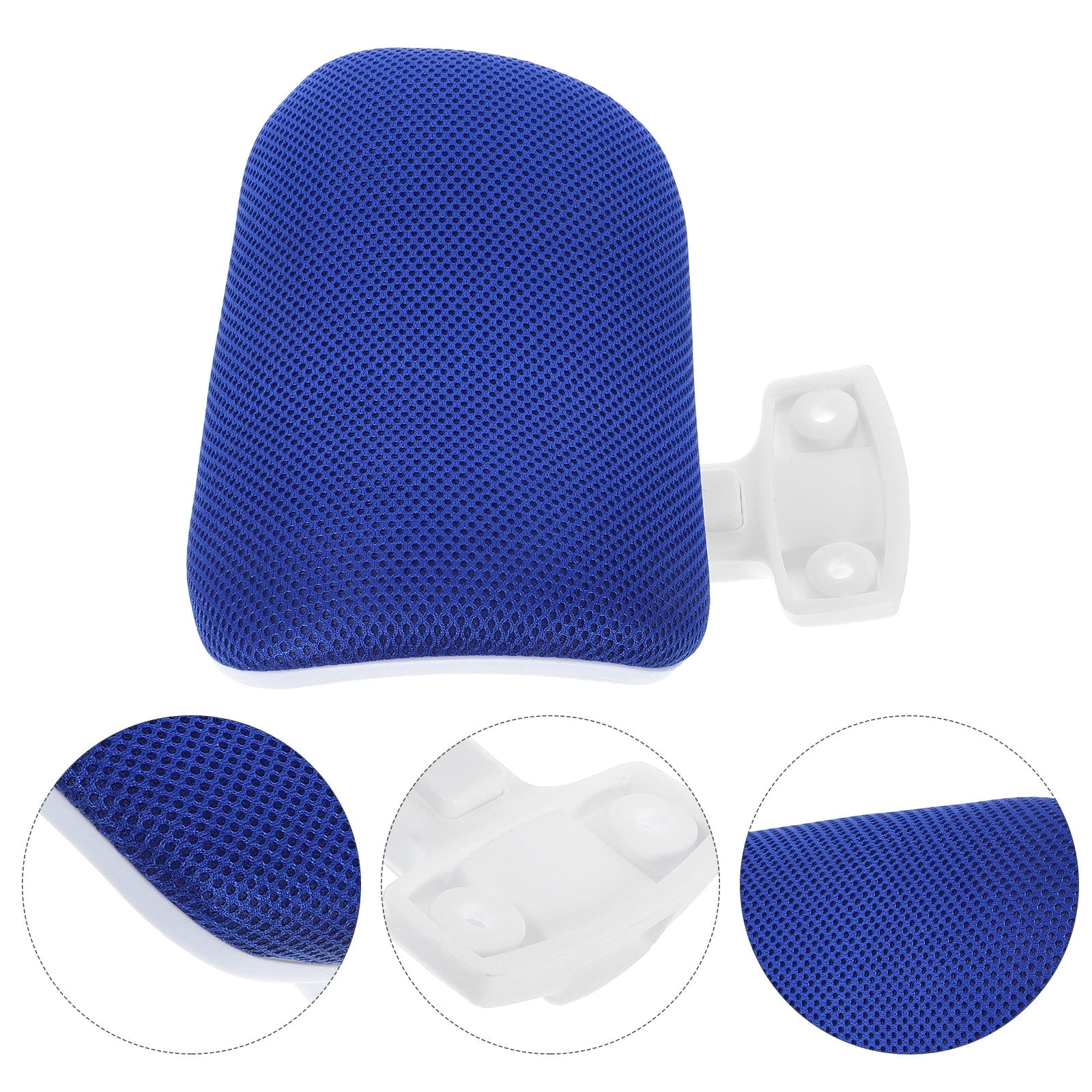
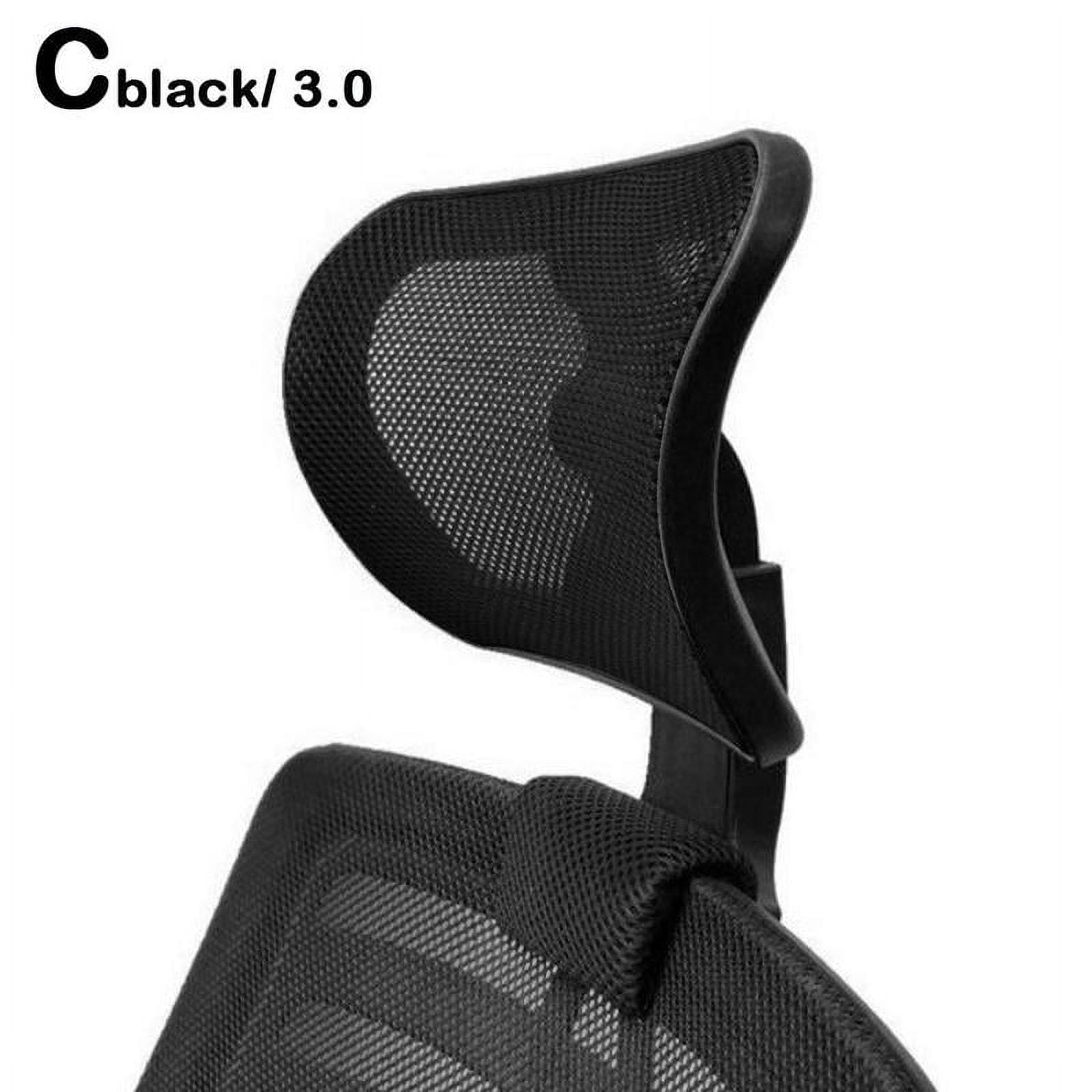
- Mesh: Highly breathable and keeps you cool. Mesh headrests are excellent for warm environments or if you tend to get hot. However, they offer a firmer, less contouring feel.
- Fabric/Leather: Often found on executive chairs, these provide a soft, comfortable surface. Leather is easy to clean but can get warm, while fabric is cozy but may trap heat. The key is the padding underneath—look for adequate cushioning.
3. The Science of Support: How It Aligns Your Spine
A properly adjusted headrest does more than just give you a place to rest your head. It promotes a phenomenon called "spinal consonance." When your head is supported, the muscles in your neck, shoulders, and upper back can relax. This reduces the constant static load these muscles bear when holding your 10-12 pound head upright all day. By maintaining the natural inward curve of your cervical spine, a good headrest helps prevent forward head posture—a common issue in the digital age often referred to as "tech neck" or "nerd neck."
Quick Self-Check: Do You Need a Headrest?
- • Do you often experience neck stiffness or headaches by the end of the day?
- • Do you find yourself leaning back in your chair to give your back a break, but your head feels unsupported?
- • Do you push your chair away from the desk to stretch and find your neck craning forward?
- • Is your current chair's headrest fixed and hitting you in the wrong spot (e.g., the middle of your head)?
If you answered "yes" to any of these, prioritizing an office chair with adjustable headrest is a smart move for your long-term health.
4. Beyond the Headrest: Complementary Ergonomic Features
A headrest doesn't work in isolation. To build a truly ergonomic throne, look for a chair that integrates the headrest with other key adjustments. Consider the whole package as a symphony orchestra—the headrest is the first violin, but it needs the rest to create beautiful music (i.e., a pain-free day).
- Synchronous Tilt Mechanism: This allows the seat and backrest to move in a coordinated ratio (usually 2:1 or 3:1) as you recline. This keeps you supported and your feet on the floor, and ensures the headrest maintains comfortable contact with your neck throughout the recline range.
- 4D Armrests: Adjustable armrests (height, width, depth, angle) work with the headrest to create a custom "fit zone" for your entire upper body, reducing shoulder strain.
- Adjustable Lumbar Support: A healthy lower back provides a stable foundation for your upper spine and neck. Strong lumbar support is the bedrock of the entire system.
When these features work together, they create a dynamic support system that moves with you, not against you.
Step-by-Step: How to Choose Your Ideal Chair with Headrest
Finding the perfect match can feel overwhelming, but breaking it down into steps makes the process simple and effective.
Step 1: Analyze Your Work Style
Are you a "leaner" or an "upright sitter"? Do you multitask, constantly shifting between typing, reading, and video calls? For dynamic workers, a chair with a highly adjustable (3D or 4D) headrest is crucial. If you mainly sit upright and focused, you might still want a headrest for deliberate relaxation breaks—in which case, a 2D model with good tilt might suffice.
Step 2: Measure Your Proportions
Your height, particularly your torso length, dictates the range of headrest adjustment you'll need. Taller individuals need a chair with a higher back and a headrest that can extend sufficiently. Shorter users need a headrest that can lower enough to support the neck, not the top of the head. Always check the adjustment range specs.
Step 3: Prioritize "Lockable" Adjustments
Some headrests are "springy" and move with pressure. While comfortable, you might prefer a headrest that locks firmly into place at your desired angle. This ensures consistent support and prevents it from slipping down when you lean back. Test or look for reviews mentioning whether the adjustments are secure.
Step 4: Consider Your Environment
If your office is modern and minimalist, a sleek mesh chair with a matching headrest fits right in. For a traditional executive office, a plush leather chair with a thick, cushioned headrest projects authority and comfort. The chair should not only feel good but also look like it belongs in your space.
Comparison: Types of Office Chairs with Headrests
| Chair Type | Headrest Style | Best For | Typical Price Range |
|---|---|---|---|
| High-Back Executive | Integrated, often padded leather/velour, usually 2D or 3D | Managers, client meetings, luxury comfort | $500 - $2,000+ |
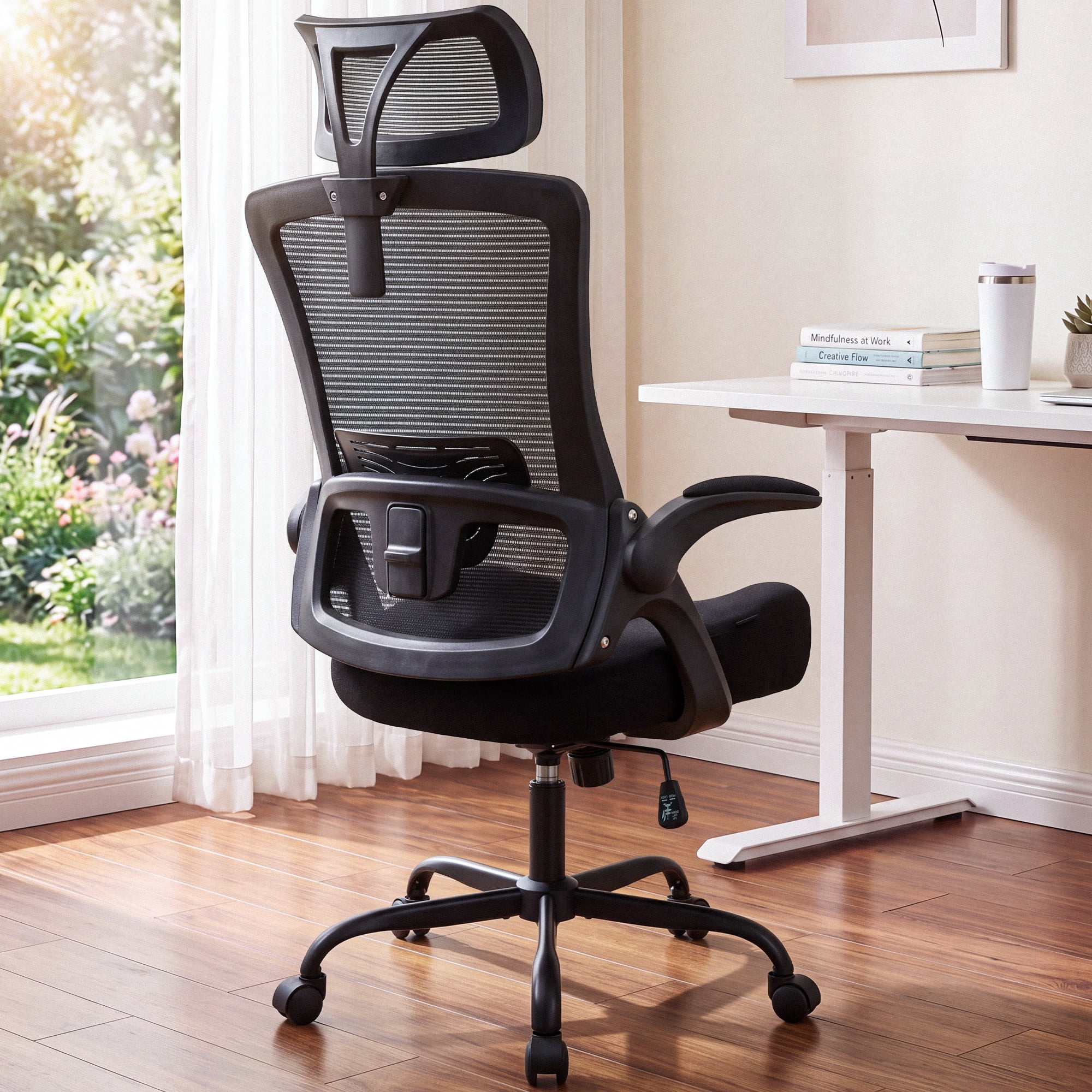
| Ergonomic Mesh Task Chair | Separate, highly adjustable (often 3D/4D), breathable mesh or foam | Intensive daily users, programmers, hot climates | $300 - $1,200 |
| Gaming Chair | Racer-style, thick padding, often adjustable height and angle | Gamers, casual home offices, those wanting a bold look | $200 - $600 |
| Mid-Back Task Chair (w/ add-on headrest) | Often an optional accessory, adjustable, attaches to the back frame | Upgrading an existing ergonomic chair, flexibility | $150 - $500 (chair only) |
Frequently Asked Questions About Adjustable Headrests
Conclusion: Invest in Your Neck, Invest in Your Future
Choosing an office chair with an adjustable headrest is one of the most impactful decisions you can make for your work-from-home setup or corporate office. It's a commitment to your physical well-being that pays dividends in comfort, focus, and long-term health. The market today offers incredible variety, from memory foam luxury to breathable mesh, ensuring there's a perfect chair for every body type and budget.
Don't let another day of craning your neck pass you by. Use the insights from this guide to find a chair that truly supports you—from your head to your heels. Your spine will thank you for years to come.