
The Hidden Epidemic: Why Modern Workers Need Posture Support
Imagine your spine as a tower of blocks. When perfectly stacked, the structure is stable and strong. But if the bottom block shifts just an inch, the entire tower strains to stay upright. This is exactly what happens when you sit in a standard, non-ergonomic chair. Your pelvis tucks under (posterior pelvic tilt), your lower back flattens, and your shoulders round forward. According to the American Chiropractic Association, 80% of people will experience back pain in their lifetime, with poor sitting posture being a primary contributor. A posture correcting office chair acts as the scaffolding that keeps your 'spinal tower' aligned, preventing the cascade of health issues that start with a simple slouch.
Anatomy of a Posture Perfect Chair: Key Mechanisms Explained
Not all ergonomic chairs are created equal. To truly correct posture, a chair must have specific, non-negotiable features. Here is the anatomy of a chair designed for spinal health:
- Independent Lumbar Adjustment (Height & Depth): This is the cornerstone of posture correction. The lumbar support must physically protrude (depth) to fill the void in your lower back and move up/down (height) to match your spine's unique curvature. Static lumbar pads are often useless for taller or shorter individuals.
- Seat Depth Adjustment (Slide): If the seat pan is too long, it pushes against your calves, forcing you to slouch forward. If it's too short, your thighs lack support. A 2-4 inch slide mechanism ensures you maintain the 'two-finger' gap behind your knees, promoting proper pelvic positioning.
- Synchronized Tilt Mechanism: Unlike a simple rocking chair, a synchronized mechanism allows the seat and backrest to move at a ratio (often 2:1 or 3:1). This keeps you supported throughout the recline, preventing the shirt ride-up and maintaining visual axis with your monitor.
- Adjustable Armrests (4D): Armrests that move up/down, in/out, forward/back, and pivot are essential. They support the weight of your arms, taking the load off your trapezius muscles and preventing shoulder hunching.
Active vs. Passive Correction: Finding Your Sitting Style
Think of your posture like a rubber band. Passive correction is like a box holding the rubber band in place; active correction is like gently stretching and strengthening it. Both have their place in the world of office chairs for back alignment.
1. Passive Posture Chairs (The "Cocoon")
These chairs use high-density foam and pronounced contours to hold you in a fixed, ideal position. They are excellent for users who want immediate relief and don't move much during the day. The chair does the work for you. Best for: Managers, analysts, and users recovering from existing back pain.
2. Active Posture Chairs (The "Gym")
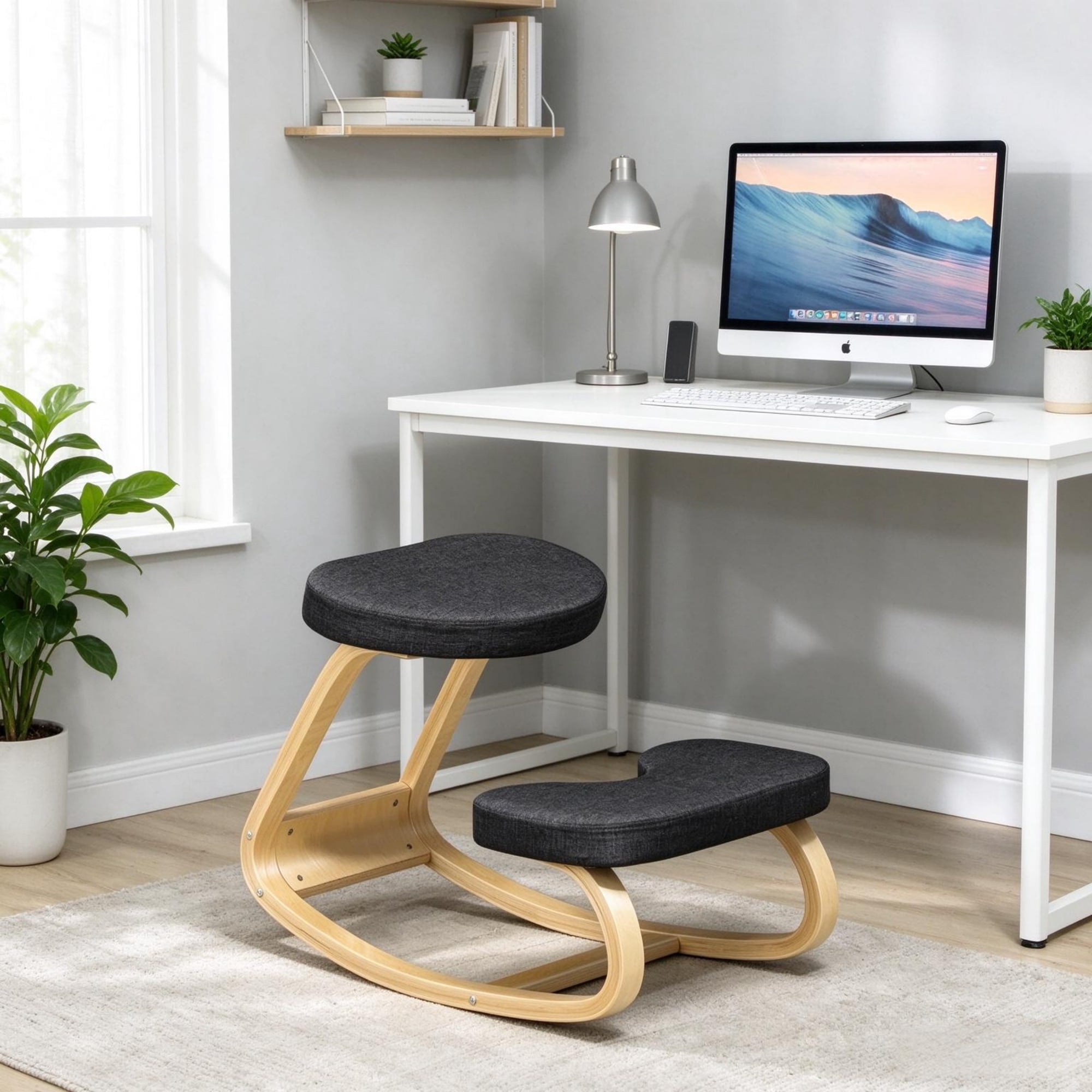
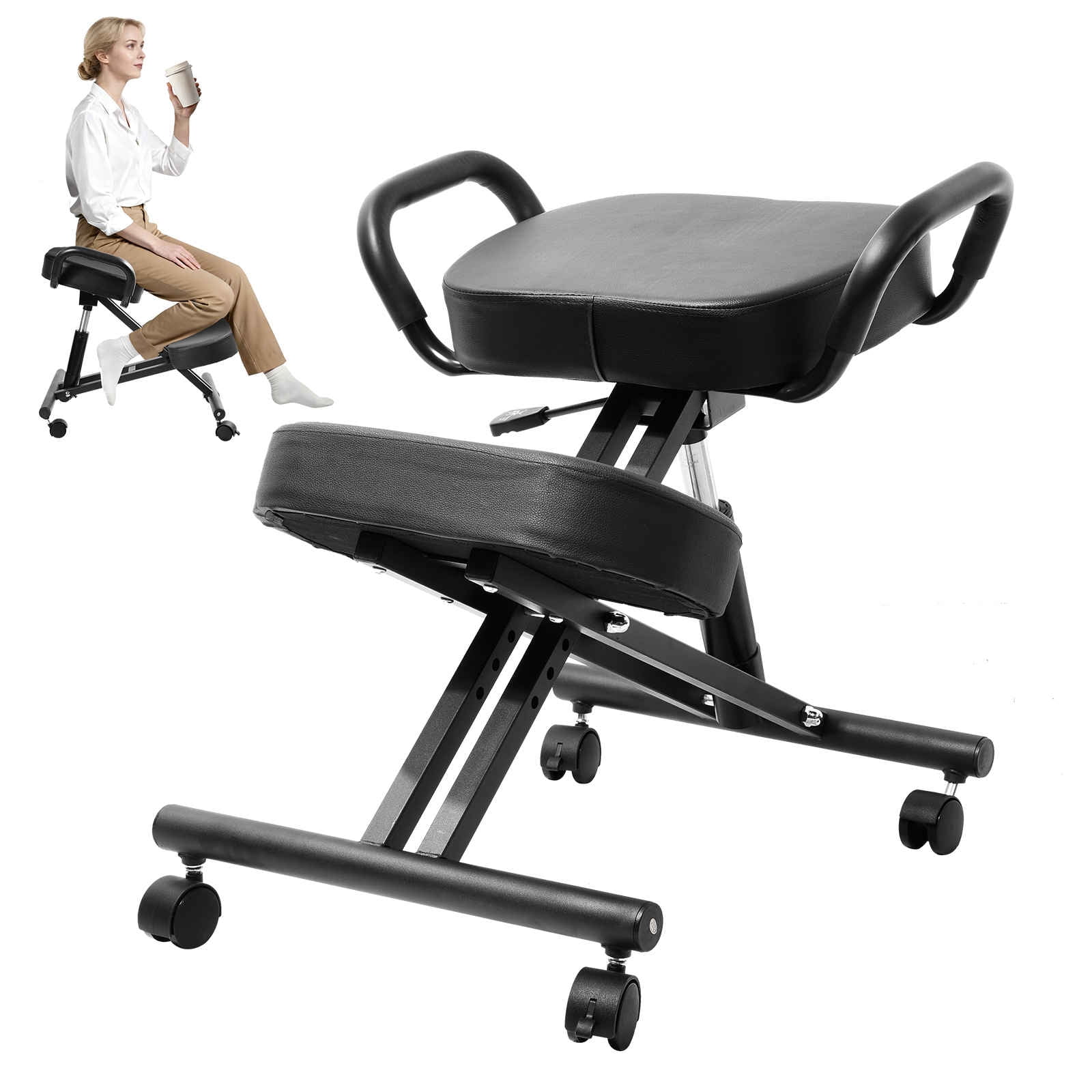
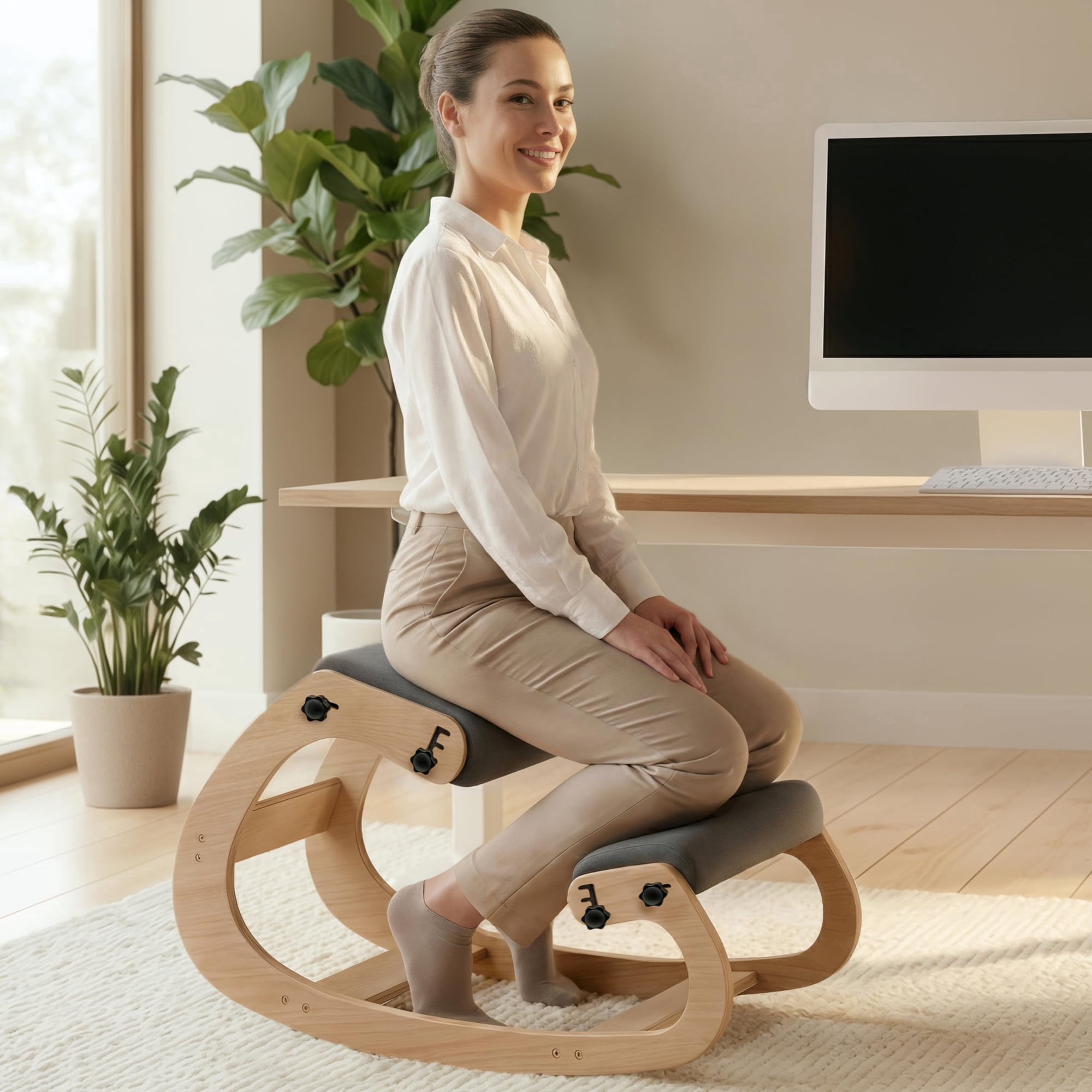
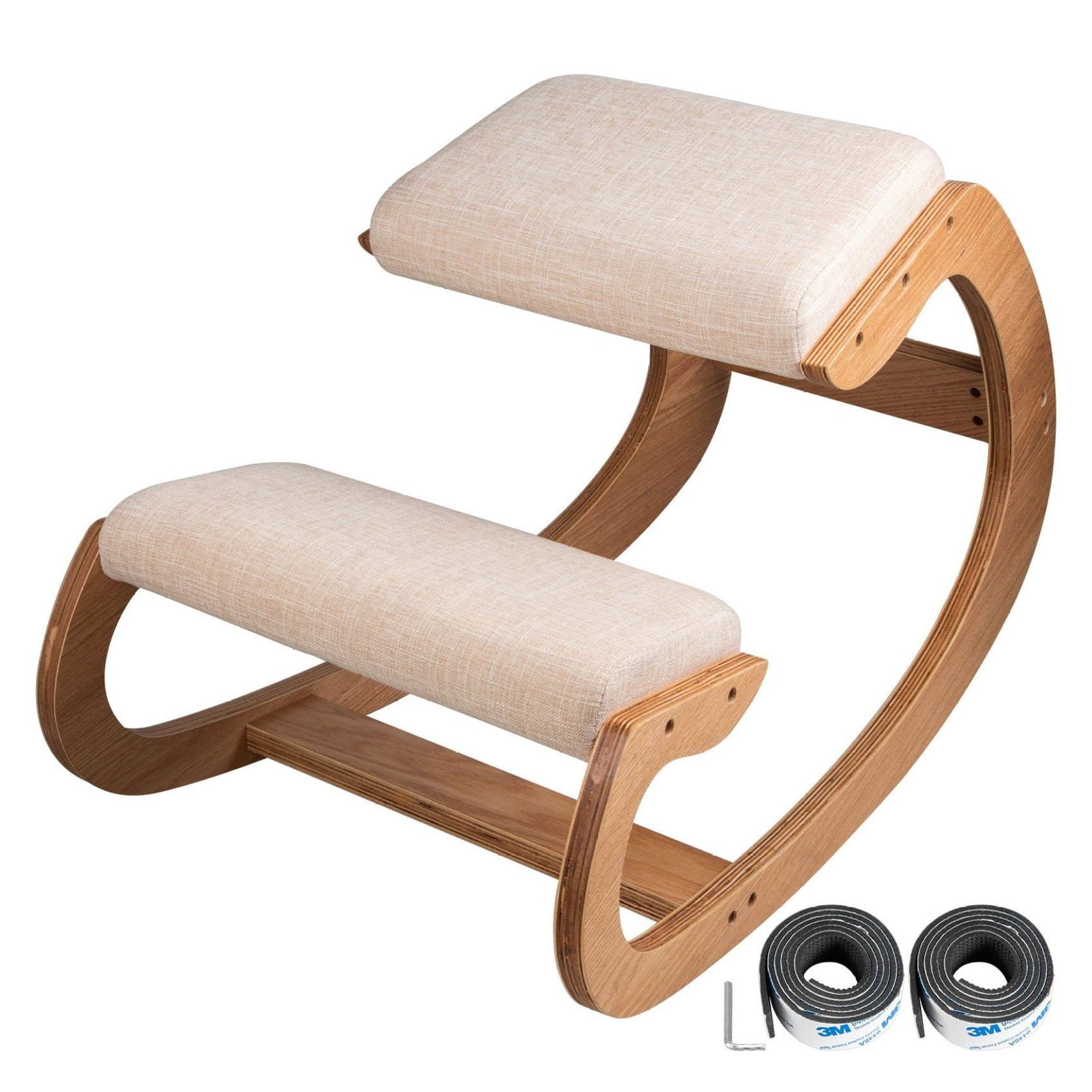
This category includes kneeling chairs, saddle chairs, and stools with a mobile base. They engage your core muscles to maintain balance, forcing micro-movements that strengthen spinal stabilizers. While they have a steeper learning curve, they promote long-term muscle memory. Best for: Designers, creative professionals, and those looking to build core strength.
3. Hybrid Chairs (The "Personal Trainer")
Modern high-end ergonomic chairs fall into this category. They combine the comfort of passive padding with a dynamic, synchronized mechanism that encourages movement while providing support. The chair moves with you, ensuring you are never stuck in a static, unhealthy position.
Quick Comparison: Posture Chair Types
| Chair Type | Core Engagement | Spinal Support | Best Use Case |
|---|---|---|---|
| High-Back Executive | Low | High (Passive) | Long meetings, desk work |
| Kneeling Chair | High | Medium | Short sprints, creative work |
| Saddle Stool | High | Medium | Lab work, drafting tables |
| Dynamic Mesh Ergo | Medium | High (Active) | 8+ hour shifts, task work |
Beyond the Chair: The 3-Point Posture Protocol
Buying a posture correcting office chair is step one. To truly fix your alignment, you need to complete the "Posture Triangle":
- The Chair (Base of Support): Ensure your hips are slightly higher than your knees (or level). This opens the hip angle and prevents posterior pelvic tilt.
- The Desk (The Workstation): Your monitor should be at arm's length, with the top bezel at or slightly below eye level. This prevents forward head posture. Your keyboard should allow your elbows to rest at a 90-degree angle.
- The Breaks (The Reset): Even the best chair cannot compensate for 10 hours of stillness. Follow the 20-20-20 rule: Every 20 minutes, stand for 20 seconds and look at something 20 feet away. This resets your visual and postural systems.
The Long-Term Health Benefits of Proper Spinal Alignment
Investing in an ergonomic chair for posture yields dividends far beyond the office. Proper alignment reduces compression on spinal discs, allowing for better nutrient flow. It opens the chest cavity, improving lung capacity by up to 30%. Furthermore, a 2023 study in the Journal of Pain Research noted that correcting seated posture can reduce the frequency of tension headaches by 50%, as it alleviates strain on the suboccipital muscles at the base of the skull.
Improved Digestion
Slouching compresses abdominal organs. An upright posture allows your digestive system to function efficiently.
Reduced Fatigue
When your skeleton supports you (neutral spine), your muscles don't have to work overtime. This saves energy for cognitive tasks.
Enhanced Confidence
Open, upright postures are linked to higher testosterone and lower cortisol, making you feel more confident and less stressed.
Joint Longevity
Proper alignment reduces uneven wear and tear on hip and knee joints, preventing early-onset arthritis.
Material Science: What to Look for in a Posture-Focused Chair
The materials used dictate how well the chair supports you over time.
- Mesh Backs: For posture correction, a high-tension mesh back is superior to padding. It conforms to the specific shape of your spine, providing customized contouring that rigid foam cannot. It also breathes, keeping you cool.
- Multi-Density Foam: In the seat, look for multi-density foam. A firmer base provides stability, while a softer top layer offers comfort. This prevents the "bottoming out" effect that disrupts pelvic alignment.
- Hardware: Pneumatic cylinders (gas lifts) should be Class 3 or 4 to ensure the seat doesn't dip unexpectedly, which would instantly ruin your posture.
Common Myths About Posture Correcting Chairs
Let's debunk some misconceptions about active sitting chairs and ergonomic seating.
- Myth: "A hard backrest is better for my back." Reality: Hard surfaces create pressure points. A flexible backrest that moves with you provides better long-term support.
- Myth: "I don't need adjustment features." Reality: One size fits none. If a chair doesn't have adjustable lumbar and seat depth, it is not a true posture-correcting chair.
- Myth: "Posture chairs are uncomfortable." Reality: Discomfort during the first week (especially with active chairs) is your muscles adapting. True discomfort is a sign of poor ergonomics; adaptation is a sign of strengthening.
Frequently Asked Questions About Posture Correcting Chairs
Conclusion: Your Spine Deserves Better Support
Choosing the right posture correcting office chair is one of the most significant health decisions you can make for your professional life. It's not about buying a "magic bullet," but rather acquiring a tool that enables your body to function as it was designed to. By focusing on adjustability, material quality, and your specific work style, you can find a chair that not only corrects your posture but enhances your overall well-being and productivity. Review the top picks above, read the reviews, and take the first step toward a pain-free workday.