
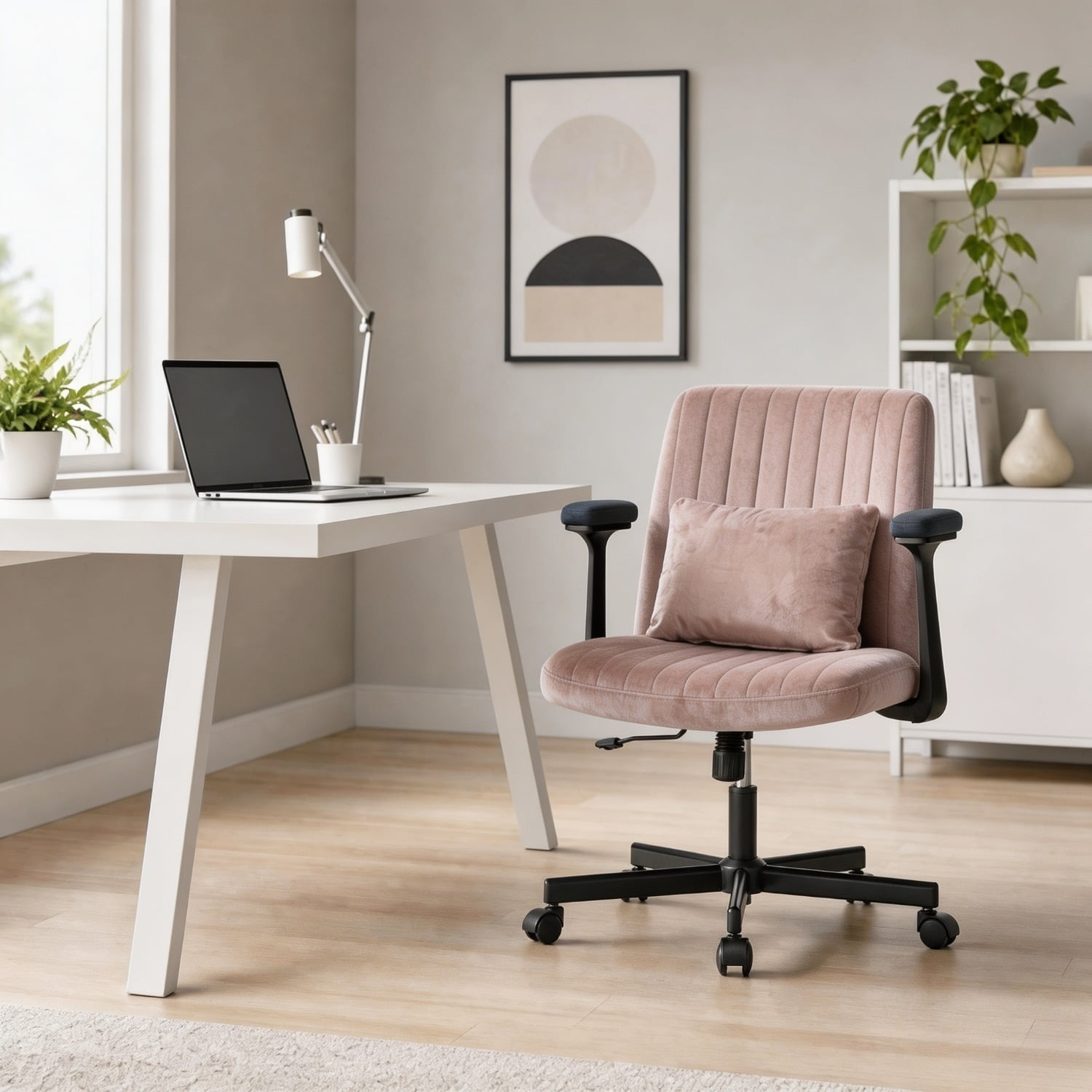
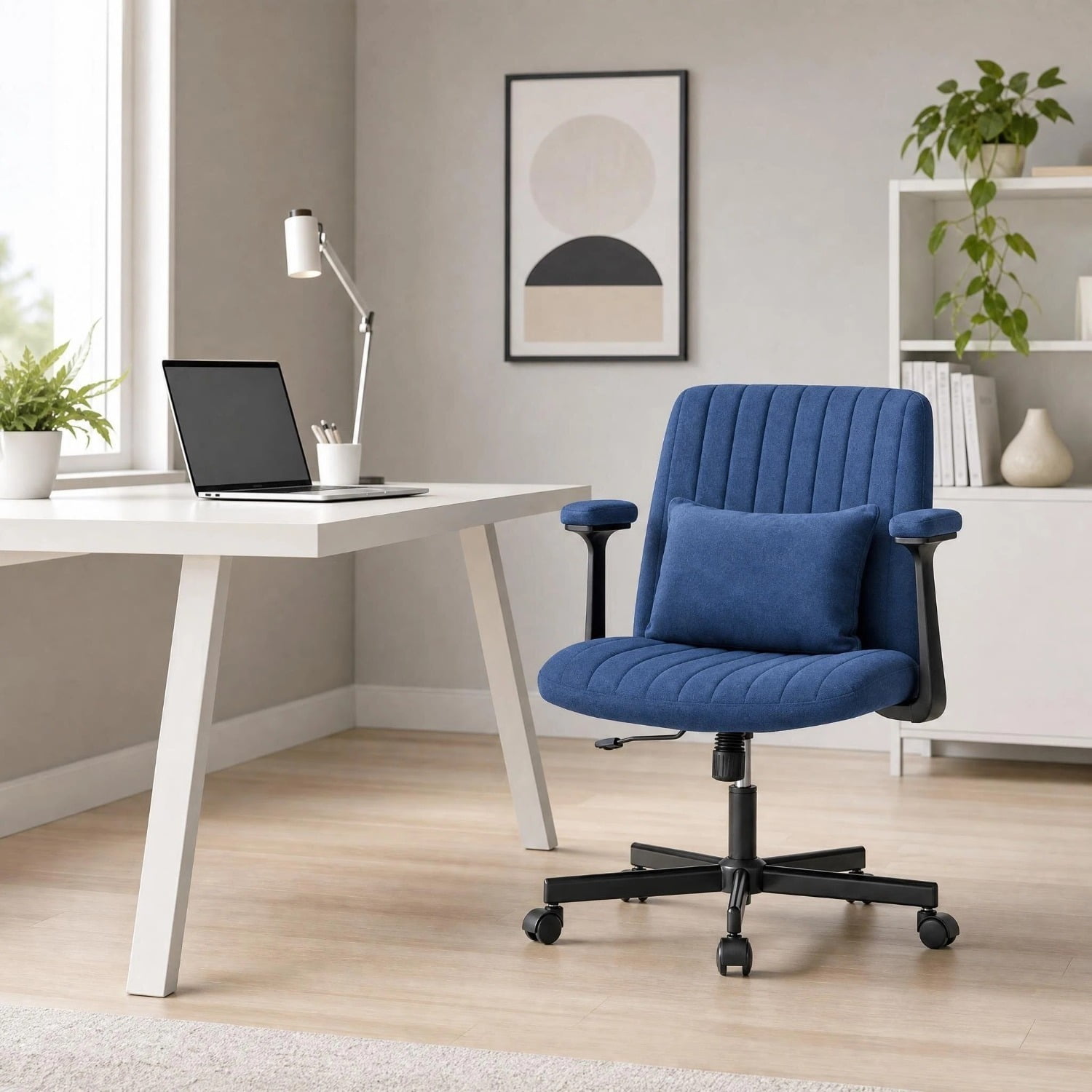

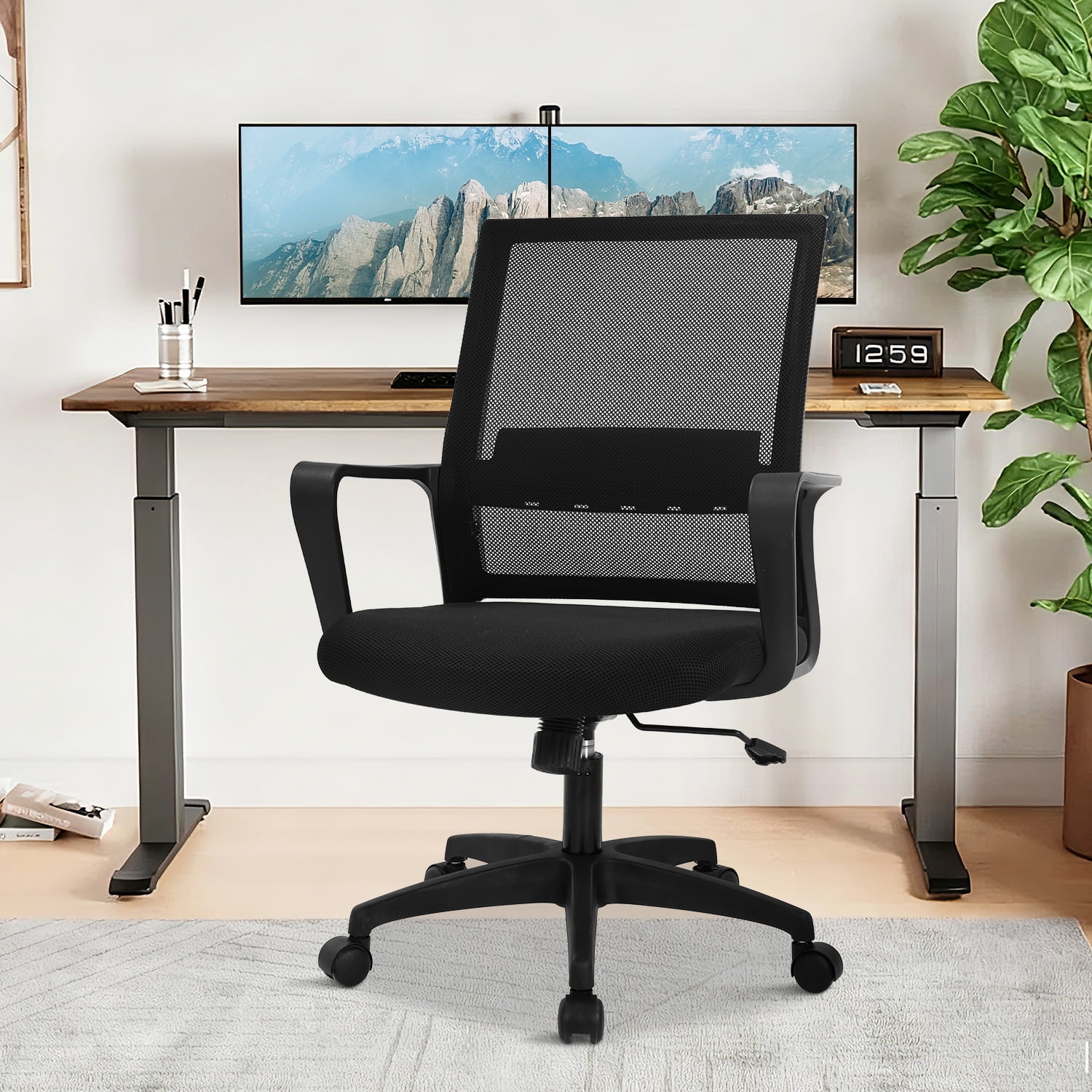
Why a Rolling Office Chair With Arms Is a Non‑Negotiable Workspace Tool
Imagine trying to work efficiently while your shoulders are perpetually hunched or your wrists ache from hovering over a keyboard. That’s the reality for millions who use armless or stationary chairs. A rolling office chair with arms isn’t just a convenience—it’s an ergonomic cornerstone. According to the Occupational Safety and Health Administration (OSHA), proper arm support can reduce shoulder fatigue by up to 30% and improve typing accuracy. Add wheels to the equation, and you gain fluid movement between desk, filing cabinet, and meeting table without twisting your spine.
This guide dives deep into everything you need to know before buying a wheeled chair with armrests. From caster types to armrest adjustability, we’ll help you invest wisely.
Anatomy of a Rolling Office Chair With Arms: Key Components Explained
Understanding the parts helps you compare models like a pro. Here’s what makes up these chairs:
- Wheels (casters): Usually five casters for stability. Materials range from hard nylon (carpet) to soft polyurethane (hard floors).
- Armrests: Fixed, height-adjustable, or 4D (fully adjustable). The best ones allow width and pivot adjustments.
- Gas lift: Pneumatic cylinder for seat height adjustment. Look for class 3 or 4 (higher durability).
- Base: Nylon, aluminum, or steel. Aluminum bases are lighter and more durable.
- Backrest and seat: Materials include mesh (breathable), fabric (comfort), or leather (premium).
Each component affects your daily comfort. For example, a chair with premium rollerblade wheels glides silently and protects hardwood, while basic casters might scratch or jam.
4 Key Benefits of Using a Rolling Chair With Armrests
Still on the fence? Consider these evidence-backed advantages:
- Posture alignment: Armrests support the natural 90° angle of elbows, keeping shoulders relaxed. A study in Applied Ergonomics found that adjustable armrests significantly reduce upper trapezius muscle activity.
- Mobility without strain: Rolling eliminates repetitive twisting and reaching. You glide—saving energy and protecting your lumbar spine.
- Versatility: Ideal for dynamic work environments: answer the phone, grab a file, or swivel to a side table effortlessly.
- Inclusive fit: Adjustable arms accommodate different body sizes, making the chair suitable for multiple users in a shared workspace.
How to Choose the Right Rolling Office Chair With Arms (Step-by-Step)
Step 1: Assess Your Floor Type
• Hardwood / tile / laminate: Choose soft rubber casters (often marked “floor-safe”). They won’t leave marks.
• Low-pile carpet: Standard hard casters work, but you might upgrade to rollerblade wheels for easier glide.
• Thick carpet: Look for larger casters (3 inches) to prevent sinking.
Step 2: Determine Armrest Needs
• Fixed arms: Budget-friendly but may not fit everyone.
• Height-adjustable: Minimum requirement. Ensure they can lower enough to slide under your desk.
• 4D arms: Best for personalized fit—height, width, depth, angle. Perfect if multiple people use the chair.
Step 3: Match Your Body Dimensions
Check seat width (usually 18–22 inches), depth, and backrest height. If you’re taller than 6’2”, look for an extended back or headrest. Weight capacity matters: standard is 250–300 lbs; heavy-duty goes up to 500 lbs.
Step 4: Test the Rolling Mechanism
If possible, try the chair in a store. It should roll smoothly and quietly. Check the swivel tension—some chairs allow you to adjust the tilt resistance.
Comparing Rolling Chair Armrests: Fixed vs Adjustable
| Armrest Type | Pros | Cons | Best For |
|---|---|---|---|
| Fixed (non-adjustable) | Lower cost, simple design | May not fit all users; can prevent chair from sliding under desk | Guest chairs, short-term use |
| Height-adjustable | Accommodates different statures; can lower to tuck away | Usually no width or pivot adjustment | Most home offices, shared desks |
| 3D / 4D adjustable | Fully customizable: height, width, depth, angle | Higher cost, more parts that could wear | Ergonomics-focused users, executives |
Wheel Materials and Floor Protection: What You Need to Know
A common mistake is buying a chair with standard casters for delicate floors. Here’s a quick reference:
- Hard nylon casters: Suitable for carpet only. Can scratch hardwood.
- Soft polyurethane casters: Safe for hardwood, tile, vinyl. Offer smooth, quiet roll.
- Rollerblade-style wheels: Universal, high-quality bearings, excellent on all surfaces. Often aftermarket upgrade.
Pro tip: If your dream chair comes with hard casters but you have wood floors, buy replacement casters (usually $20–$40) and swap them.
Weight Capacity and Durability: Don’t Overlook the Base
The five-star base and gas lift determine how much weight the chair can handle safely. A chair rated for 300 lbs will generally last longer than a 250-lb model even for lighter users, because components are beefier. Look for:
• Metal base: More durable than nylon.
• Gas lift class 3 or 4: Supports up to 330–450 lbs.
• Warranty: At least 2 years on parts, 5+ years on frame.
Ergonomics Beyond Armrests: Lumbar and Seat Depth
While arms and wheels are the focus, a truly comfortable rolling chair also needs proper back support. Adjustable lumbar (height and depth) helps maintain the spine’s natural S-curve. Seat depth adjustment ensures you have 2–3 fingers gap between the back of your knee and the seat edge. Combine these with armrests, and you’ve got an ergonomic powerhouse.
Frequently Asked Questions About Rolling Office Chairs With Arms
Conclusion: Invest in Your Mobility and Comfort
A rolling office chair with arms is more than a piece of furniture—it’s a daily tool that affects your physical well-being and productivity. By focusing on floor‑compatible wheels, adjustable armrests, and solid construction, you’ll find a chair that serves you for years. Remember to match the chair to your body, not the other way around. Use the buying steps above, check the Walmart affiliate listings for current deals, and roll into a more comfortable workday.