
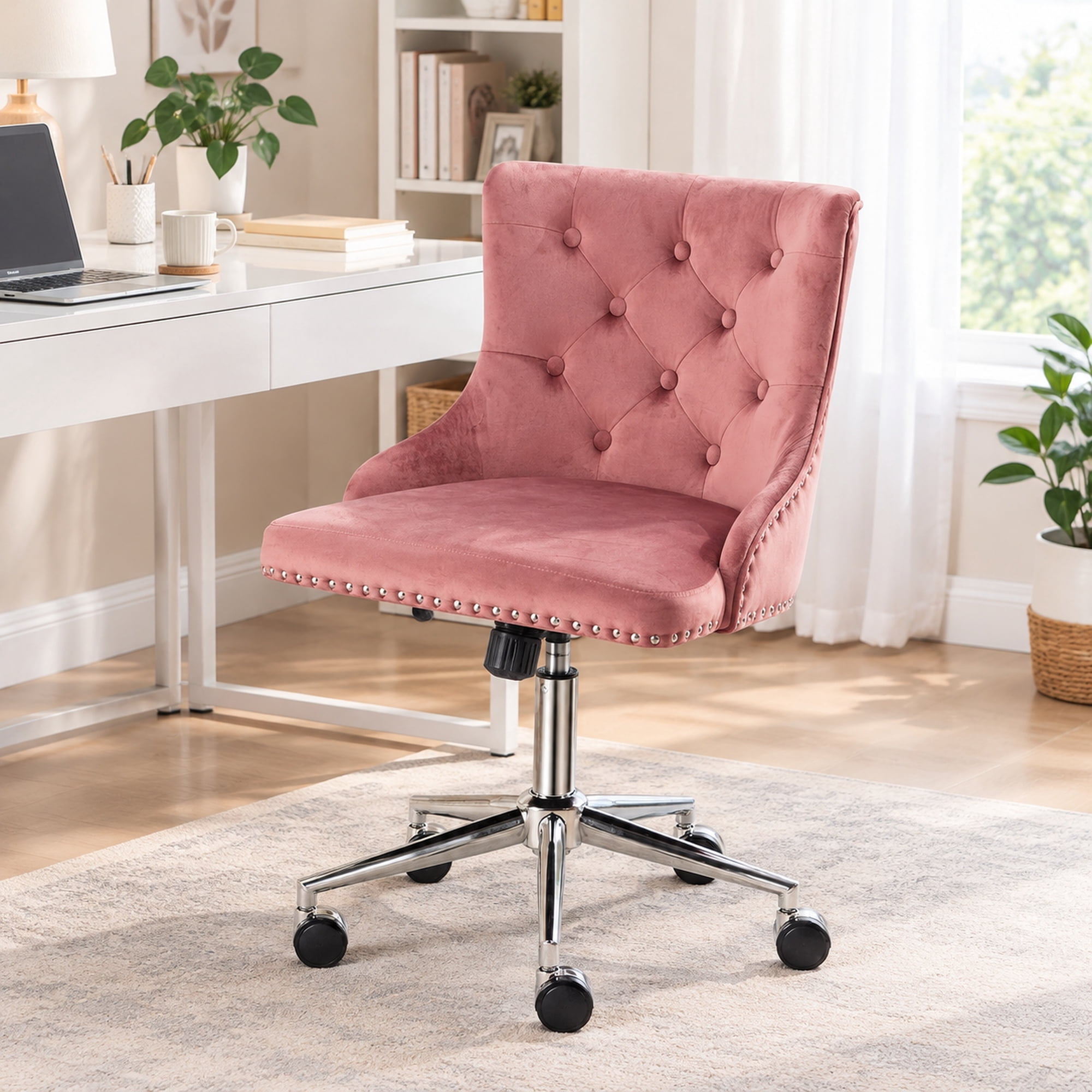
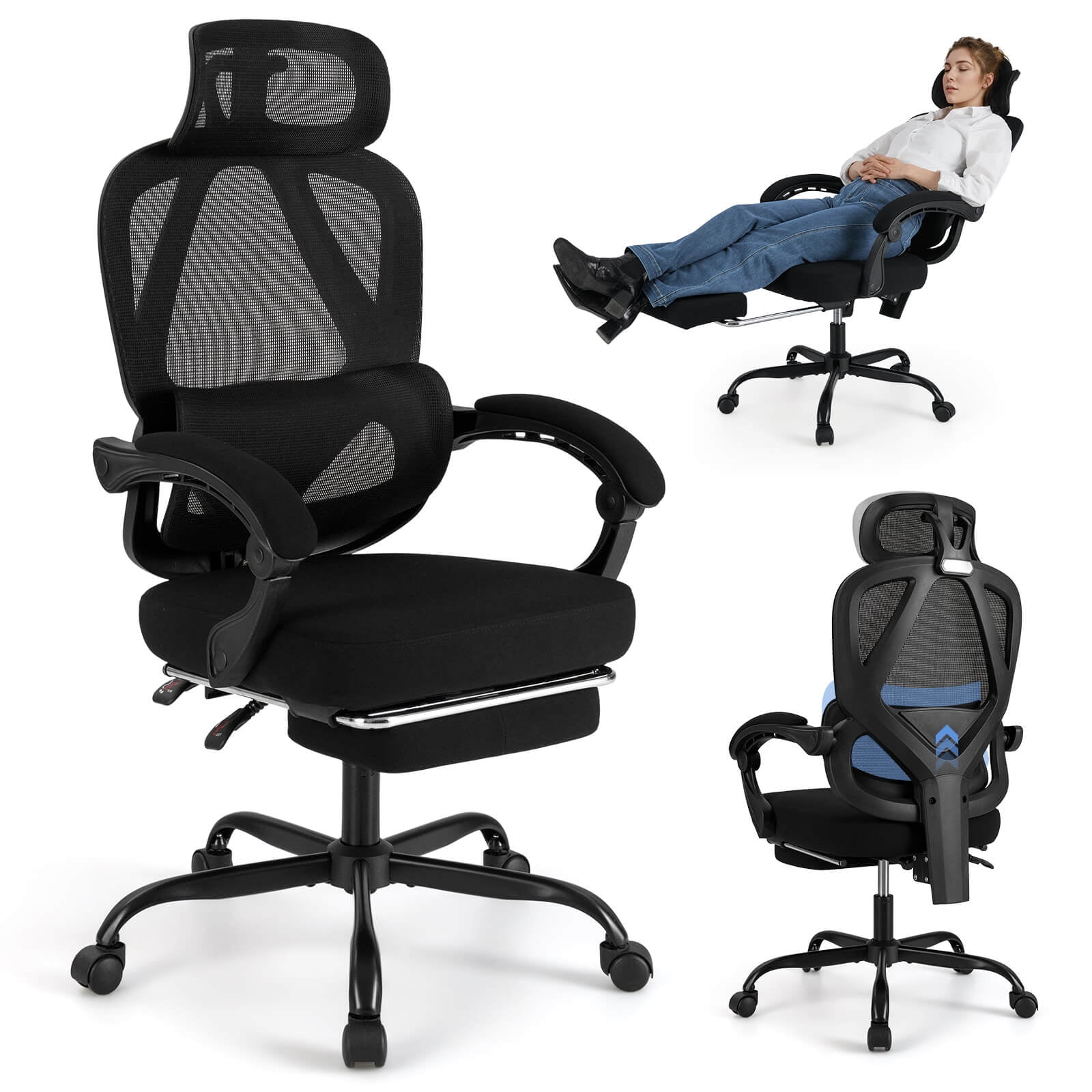
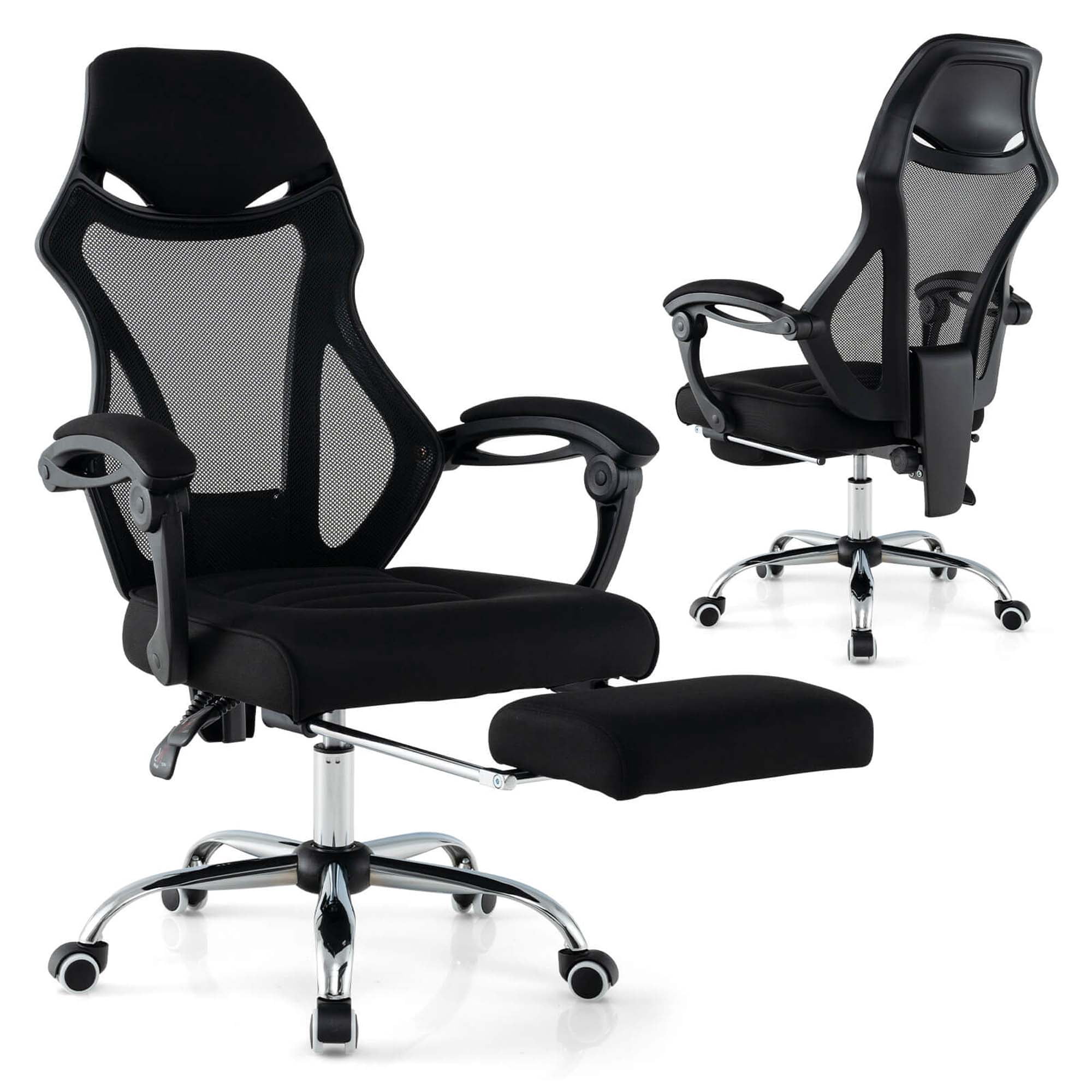
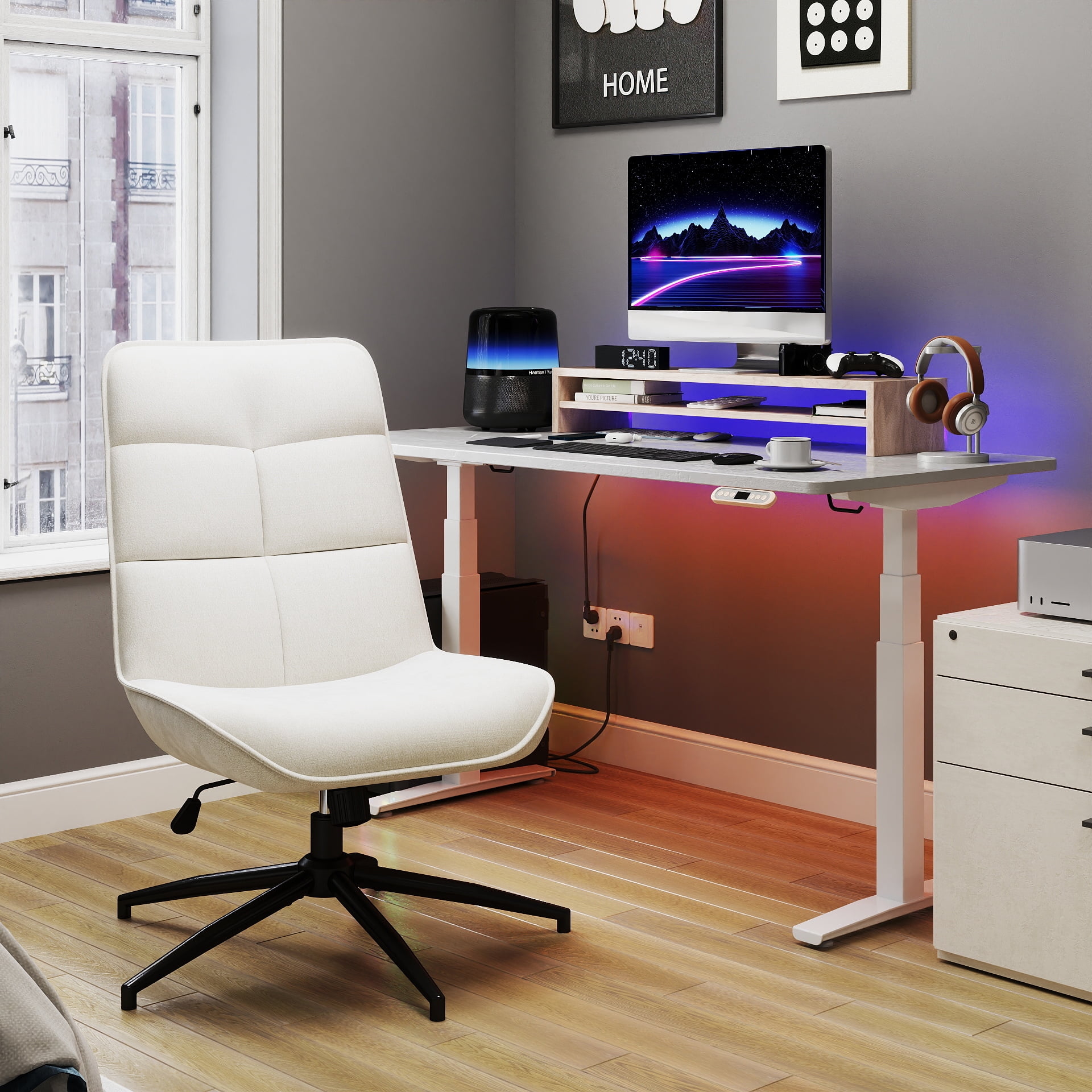
Why a Tilting Office Chair is Essential for a Dynamic Workspace
Imagine your office chair not as a static throne, but as an extension of your body—a tool that moves and adapts to every shift in your posture throughout a long workday. That's the core philosophy behind a quality tilting office chair. In the modern workplace, where static sitting is increasingly linked to health issues like lower back pain and reduced circulation, the ability to move while you work is no longer a luxury; it's a necessity for maintaining focus and physical well-being.
A tilting office chair is fundamentally different from a standard task chair. It's engineered with a sophisticated mechanism, often a synchro-tilt or knee-tilt, that allows the seat and backrest to move in a coordinated, fluid motion. This isn't just about leaning back for a rest; it's about engaging your body's natural support systems. As you shift your weight, the chair responds, encouraging micro-movements that keep your muscles active, your blood flowing, and your spine in a healthy, neutral position. According to research from the National Institutes of Health, dynamic sitting can reduce perceived discomfort by up to 40% compared to static postures.
Ergonomic Insight: The human body is designed for movement. A tilting office chair acts as a catalyst for this, transforming your seat from a passive platform into an active component of your workflow. This constant, subtle motion is key to preventing the 'sitting disease' and maintaining peak cognitive function throughout the day.
Decoding Tilt Mechanisms: Synchro-Tilt, Knee-Tilt, and Forward-Tilt Explained
The heart of any tilting office chair is its mechanism. Understanding the nuances between the different types is the first step in choosing a chair that will genuinely support your work habits. Think of these mechanisms as the chair's "suspension system"—each designed for a specific type of ride and support.
1. Synchro-Tilt: The Gold Standard for Balanced Movement
The synchro-tilt mechanism is the most popular choice for executive and high-end ergonomic chairs. It operates on a simple yet brilliant principle: as you lean back, the backrest and seat pan move in a synchronized ratio, typically 2:1 or 3:1. This means for every two or three degrees the backrest reclines, the seat pan tilts up by one degree.
Why it matters: This synchronized movement prevents a common problem with cheaper chairs—the "shirt pulling" effect where your back moves but your seat doesn't, causing your shirt to be tugged and your thighs to lose contact with the seat. With synchro-tilt, your body remains properly aligned, and your feet stay flat on the floor, providing a stable base even in a full recline. It’s ideal for executives who transition between intense desk work and relaxed thinking sessions.
2. Knee-Tilt: Promoting Circulation and Active Sitting
A knee-tilt mechanism shifts the pivot point from the center of the chair to the front, near your knees. When you lean back, the entire chair tilts from this front point, causing the front edge of the seat to rise slightly. This action gently lifts your legs, which can significantly improve blood circulation in your lower limbs.
Why it matters: This design encourages a more open angle between your torso and legs (the hip angle), which can reduce pressure on the lower spine. It’s a favorite for people who experience leg fatigue or swelling from long periods of sitting. The knee-tilt mechanism promotes a more active, rocking motion, making it excellent for creative professionals who are naturally more fidgety.
3. Forward-Tilt: The "Task Mode" Advantage
Often found as an additional feature on advanced chairs, the forward-tilt function locks the chair in a slight forward angle. This is the opposite of reclining. By tilting the seat pan down a few degrees, it opens up your hip angle and naturally shifts your weight forward.
Why it matters: This is your dedicated "deep work" mode. When you're drafting a document, sketching, or working on a detailed spreadsheet where you tend to lean towards your desk, a forward tilt provides crucial lumbar support in that forward-leaning posture. It prevents you from hunching over, keeping your spine aligned even when you're in the zone. According to a study in Applied Ergonomics, a forward-tilted seat can reduce spinal disc pressure by up to 15% compared to a flat seat.
Key Components of a High-Quality Tilting Chair
- Adjustable Tilt Tension: A knob or dial that lets you control how much force is needed to recline. This must be adjustable to match your body weight for the mechanism to work effectively.
- Multi-Lockable Positions: The ability to lock the chair at various recline angles, not just upright and fully reclined, offers greater versatility for different tasks.
- Seat Depth Adjustment (Slide): Crucial for ensuring that when the chair tilts, the edge of the seat supports your thighs properly without cutting off circulation.
- Sturdy Base and Casters: A heavy-duty five-star base (often aluminum or reinforced nylon) and smooth-rolling casters are non-negotiable for safety and fluid movement.
How to Adjust Your Tilting Office Chair for Optimal Comfort (A 4-Step Guide)
- Set the Seat Height: Adjust so your feet are flat on the floor and your knees are at a 90-degree angle. This is your foundation.
- Adjust Tilt Tension: Sit back and lean. If it's too hard to recline, loosen the tension. If you fall back too easily, tighten it. You want a smooth, supportive resistance throughout the entire recline range.
- Find Your Recline Range: If your chair has a tilt limiter, set the maximum recline angle you're comfortable with. For multi-function tilts, experiment with locking the chair at a slight recline for general work.
- Engage Forward Tilt (If Available): When performing detailed tasks, engage the forward tilt. You should feel your hips open and your posture naturally straighten. Adjust the angle if possible.
Investing in a chair with a superior tilt mechanism is an investment in your long-term health and daily productivity. It's about creating a workspace that acknowledges you are a dynamic, living being, not a static object.
Frequently Asked Questions About Tilting Office Chairs
• Knee-tilt: The pivot point is near the front of the seat, tilting the entire chair from the knees. This lifts your legs slightly as you recline, which can improve circulation.
• Multi-function tilt: Offers separate adjustments for seat tilt, backrest angle, and tilt tension, giving you maximum control to lock the chair in multiple positions.
Conclusion: Embrace Movement for a Healthier Workday
Choosing the right tilting office chair is a pivotal decision for anyone who spends significant hours at a desk. It’s about moving beyond the concept of a simple seat to embracing a dynamic tool that supports your body's natural need for motion. Whether you opt for the balanced fluidity of a synchro-tilt, the circulation-boosting action of a knee-tilt, or the focused engagement of a forward-tilt, you are investing in a more active, comfortable, and productive way of working.
Remember to prioritize quality in the mechanism, seek out robust adjustability, and always consider how the chair's movement aligns with your daily tasks. A chair that truly moves with you isn't just a purchase; it's a long-term investment in your professional performance and personal well-being. Explore the top-rated models below and feel the difference that dynamic seating can make.