
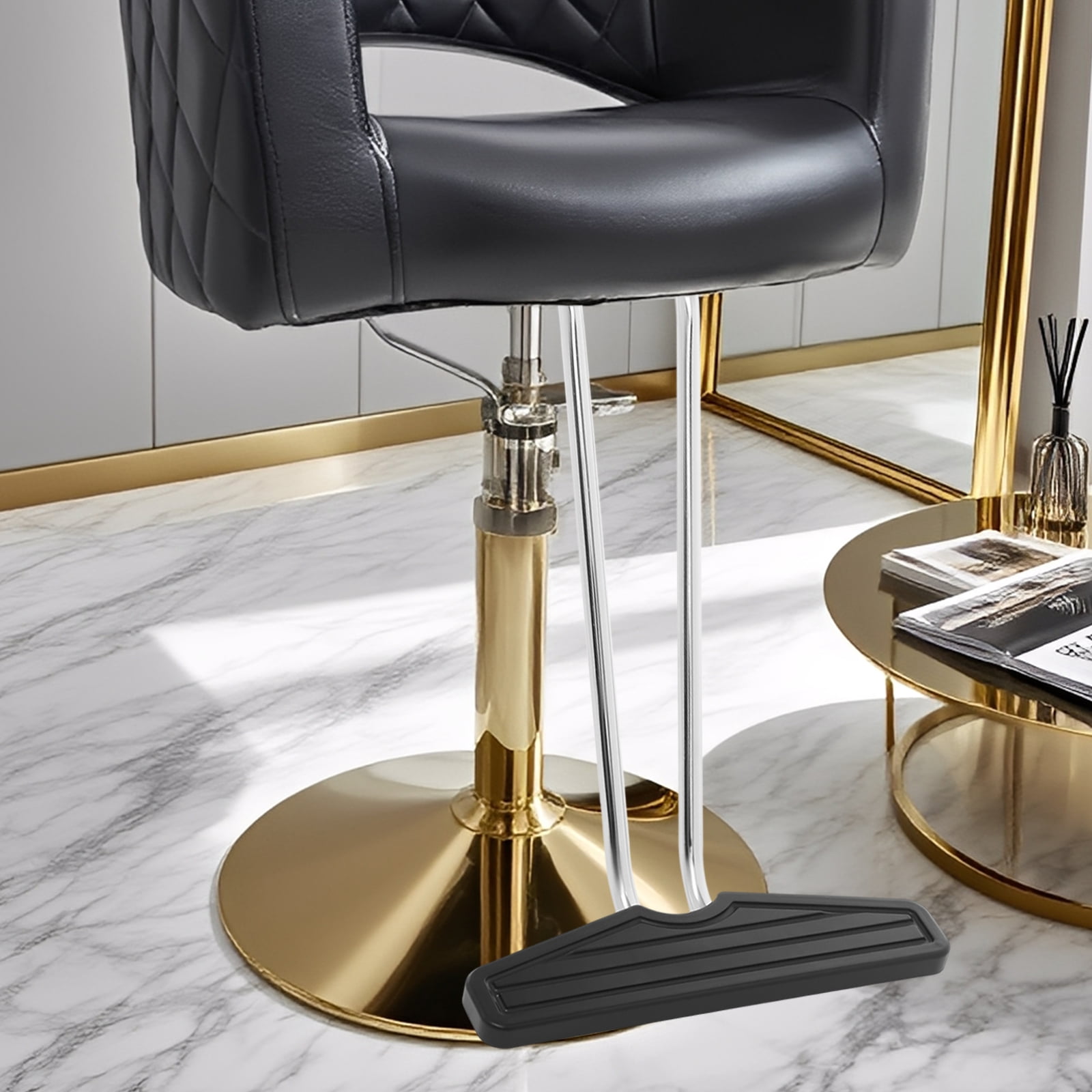
Why a Foot Rest for Office Chair Is a Game-Changer
Imagine sitting in your office chair for eight hours. If your feet don't rest flat on the floor, your thighs bear extra pressure, your lower back curves, and circulation slows. A foot rest for office chair is a simple, affordable solution that elevates your feet to the proper height, restoring the body's natural alignment. It's not just a comfort accessory—it's an ergonomic necessity for millions of workers.
Ergonomic Insight: Studies from the Human Factors and Ergonomics Society indicate that using a footrest can reduce lumbar spine pressure by up to 30% and improve lower limb blood flow, decreasing the risk of deep vein thrombosis (DVT) during prolonged sitting.
Key Benefits: More Than Just Comfort
✓ Posture Correction
Prevents slouching by keeping the pelvis neutral. Your spine thanks you.
✓ Reduced Leg Fatigue
Takes weight off the back of the thighs, reducing numbness and 'pins and needles'.
✓ Improved Circulation
Elevating feet slightly encourages venous return, reducing swelling in ankles.
✓ Enhanced Focus
Physical discomfort is a major distraction. A stable foot position helps you concentrate.
Types of Foot Rests: Find Your Perfect Match
Not all foot rests are created equal. Depending on your work style, chair, and desk height, one type may suit you better. Here’s a breakdown:
1. Fixed Angle Foot Rests
These have a stationary slope (usually 10-20 degrees). They're simple, durable, and often cheaper. Best if you know your preferred angle and don’t need adjustments.
2. Adjustable Height & Angle Foot Rests
The gold standard for ergonomics. You can modify the height (typically 3" to 6") and tilt. Perfect for shared workspaces or if you switch between shoes and barefoot. Look for non-slip bases and sturdy mechanisms.
3. Rocking or Wobble Foot Rests
Designed to promote micro-movements. A curved base lets your feet gently rock, engaging calf muscles and improving blood flow. Great for people who fidget.
4. Memory Foam Foot Rests
Plush comfort with a removable, washable cover. Often used in cooler environments. They provide cushioning but may compress over time.
5. Wooden Foot Rests
Elegant and firm, often with a textured surface to massage soles. They blend with office decor and are extremely durable, but lack cushioning.
Quick Comparison: Foot Rest Materials & Features
| Material/Type | Best For | Key Feature | Durability |
|---|---|---|---|
| Memory Foam | All-day comfort, barefoot users | Conforms to feet, washable cover | Medium (foam may flatten in 2-3 years) |
| Hard Plastic/Composite | Stability, easy cleaning | Non-slip base, often adjustable | High (5+ years) |
| Wooden (Bamboo/Oak) | Aesthetics, firm support | Eco-friendly, massaging texture | Very High |
| Metal Frame with Mesh | Breathability, modern look | Lightweight, ventilated | High |
How to Choose the Right Foot Rest for Your Office Chair
Selecting the perfect foot rest involves more than just picking the first one you see. Use this step-by-step guide:
Step 1: Measure Your Seat Height
Sit in your chair with your back against the backrest. Measure the distance from the floor to the top of your thigh (just behind the knee). Ideally, your knees should be at a 90° angle. If your feet don't touch the floor, you need a foot rest that makes up the difference. Typical required height: 3 to 6 inches.
Step 2: Consider Movement & Adjustability
Do you shift positions often? An adjustable foot rest with tilt allows you to change angle throughout the day. For static positions, a fixed-angle model works fine.
Step 3: Match Your Workspace Aesthetic
While function is king, a foot rest should complement your office. Sleek wood or black plastic blends easily, while colorful foam adds personality.
Step 4: Check Non-Slip Features
Ensure the bottom has rubber grips so it doesn't slide away when you move your feet. This is crucial for safety and comfort.
Step 5: Read User Reviews (from verified buyers)
Look for comments about stability, ease of cleaning, and whether the adjustability mechanism holds up over time.
Foot Rests vs. No Foot Rest: The Difference in Data
A study published in the International Journal of Industrial Ergonomics found that workers using a footrest reported 45% less discomfort in the lower extremities after a 4-hour sitting session. Additionally, foot rest users showed 22% less postural sway, indicating better stability and muscle relaxation.
Frequently Asked Questions About Office Chair Foot Rests
Conclusion: Small Accessory, Big Impact
Adding a foot rest for your office chair is one of the most cost-effective ergonomic upgrades you can make. Whether you’re tall, short, or somewhere in between, supporting your feet properly cascades benefits up your entire body: better spine alignment, reduced fatigue, and increased productivity. Explore the top-rated foot rests above and find the one that fits your work style.