
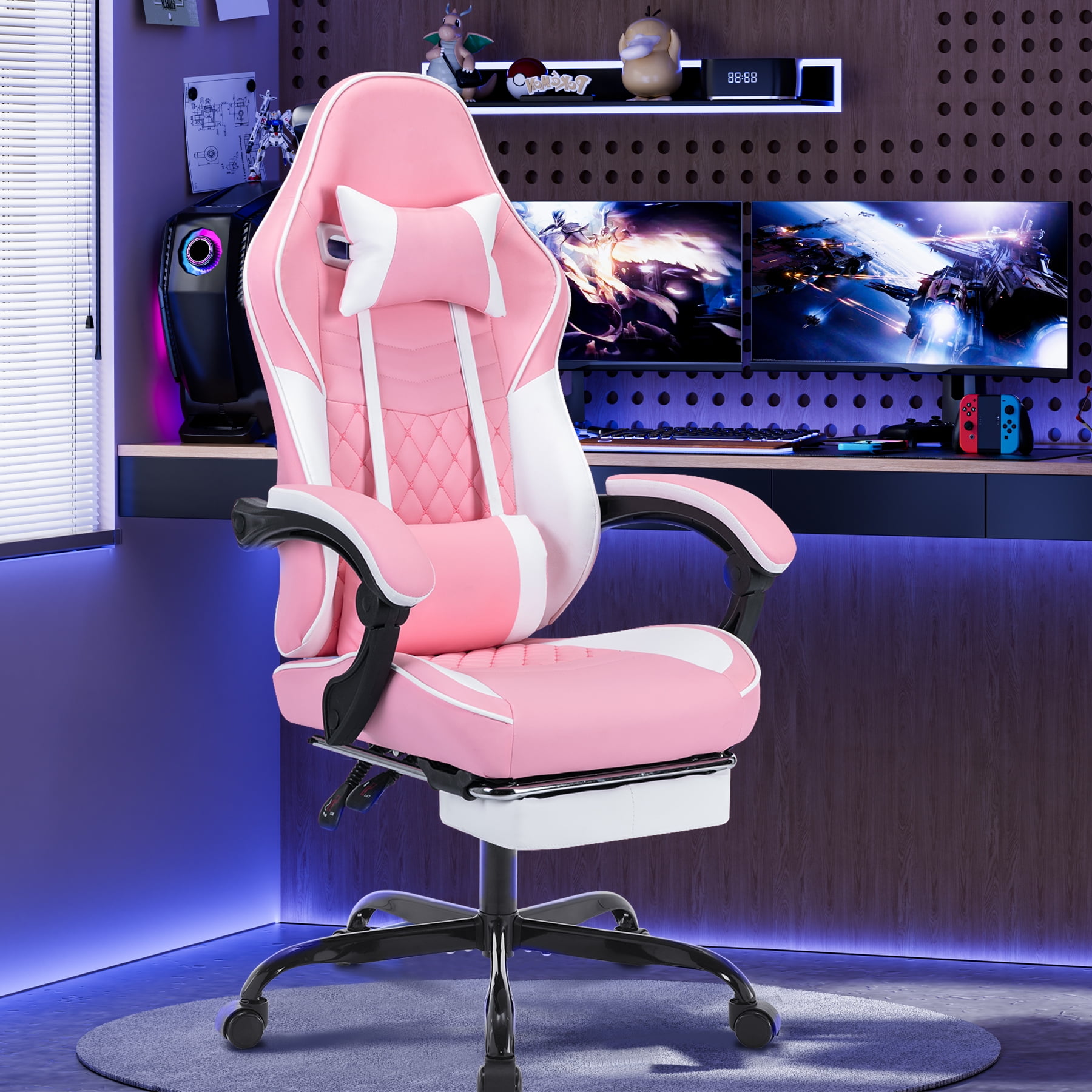
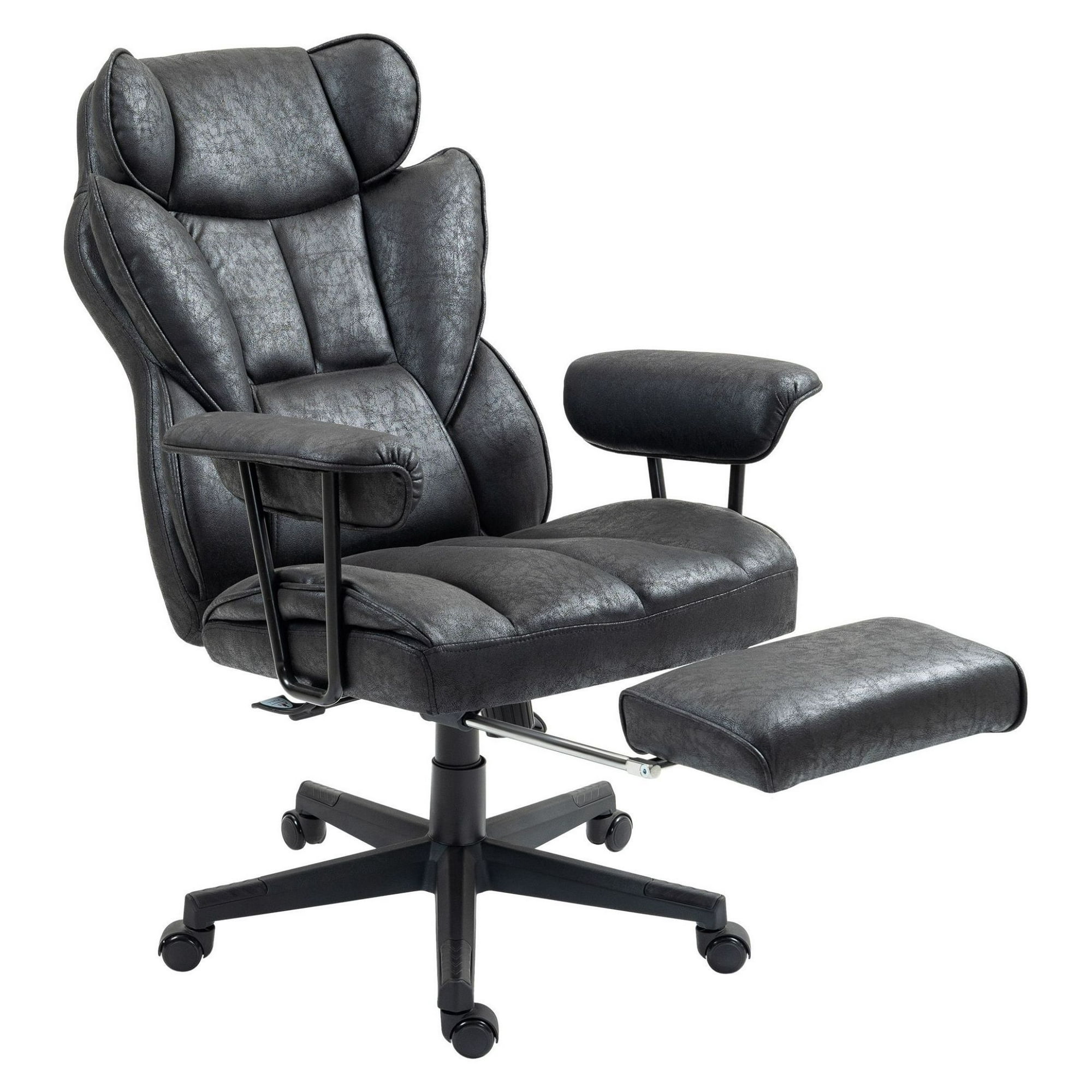
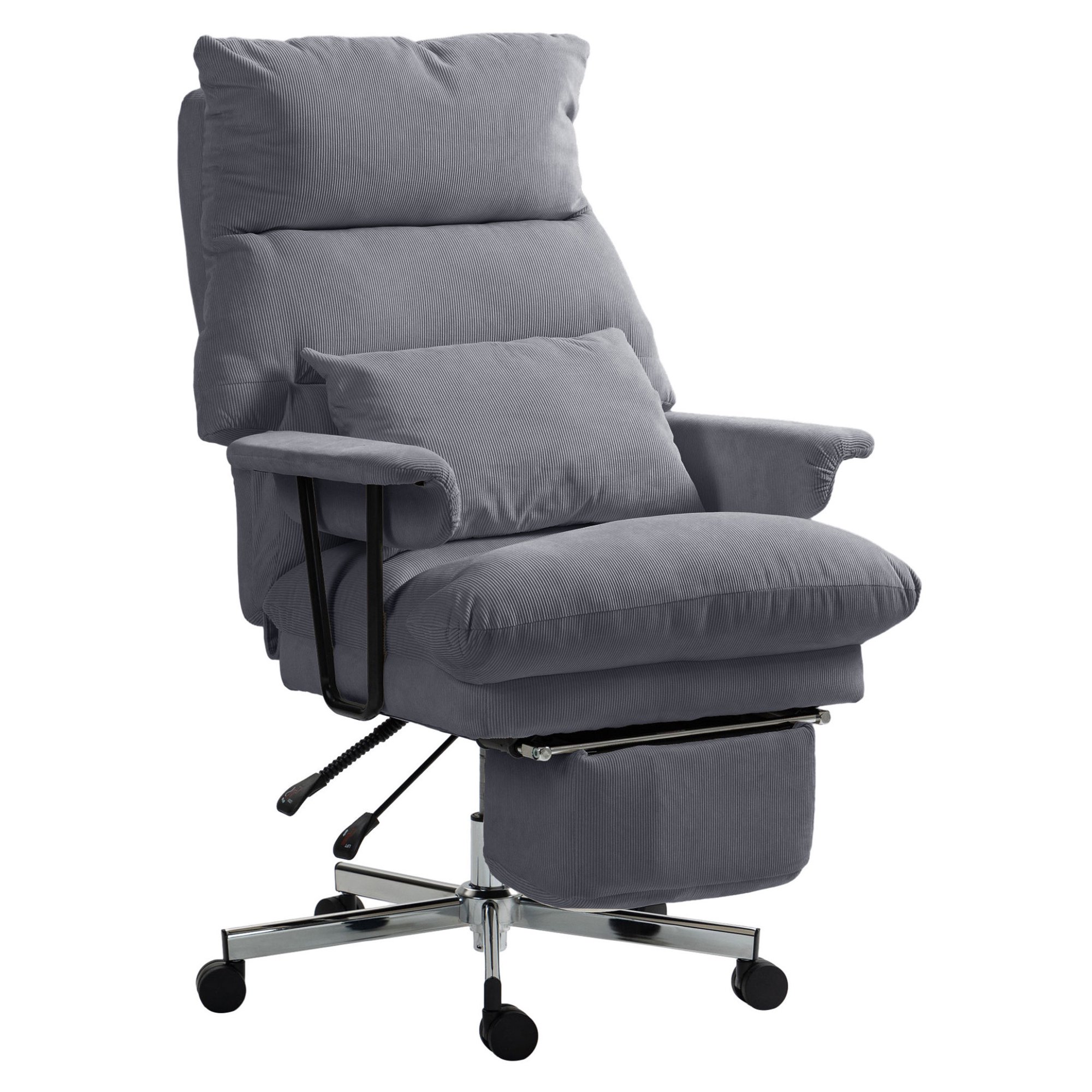
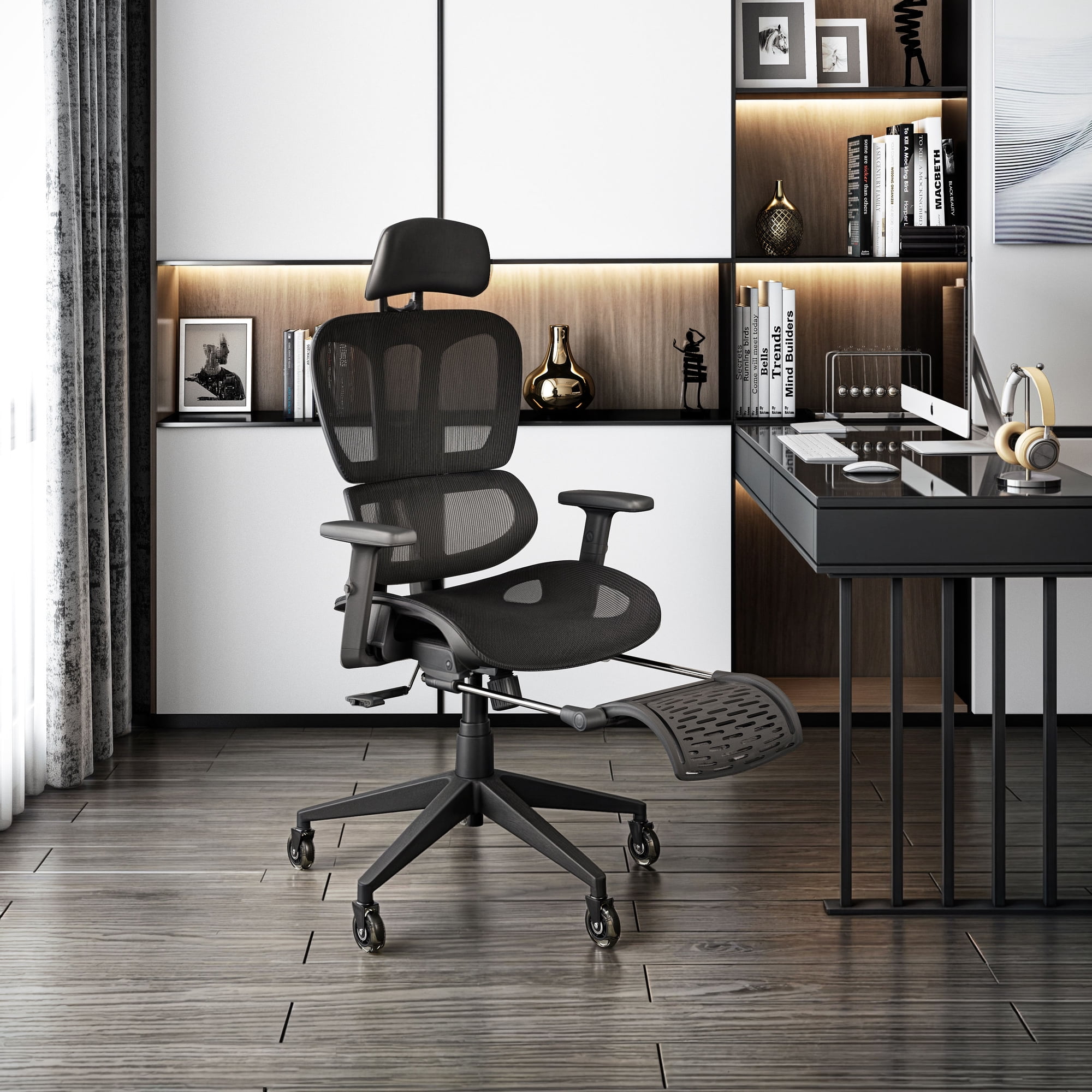
Why You Need an Office Chair with Lumbar Support and Footrest
In today's world, many of us spend upwards of eight hours a day sitting at a desk. This sedentary lifestyle can take a severe toll on our bodies, leading to chronic back pain, poor posture, and decreased circulation. An office chair with lumbar support and footrest is not just a luxury; it's an essential tool for maintaining health, comfort, and productivity. These chairs are engineered to support your spine's natural 'S' curve and promote proper leg positioning, creating a holistic seating experience that mitigates the negative effects of prolonged sitting.
Ergonomic Insight: Studies by the American Chiropractic Association show that about 80% of the population will experience a back problem at some point in their lives. Using a chair with proper lumbar support and a footrest can significantly reduce the risk of developing these issues by improving posture and reducing musculoskeletal strain.
The Science Behind Lumbar Support
The lumbar spine, located in your lower back, naturally curves inward. When you sit in a standard chair without proper support, this curve can flatten or even reverse, placing stress on the vertebrae and discs. This often leads to slouching and discomfort. A chair with effective lumbar support maintains this natural inward curve, distributing your body weight more evenly and reducing the load on your spine.
- Reduced Muscle Fatigue: By supporting your lower back, the muscles in this area don't have to work as hard to keep you upright, leading to less fatigue by the end of the day.
- Improved Spinal Alignment: Good lumbar support encourages you to sit up straight, aligning your head, shoulders, and hips in a neutral position.
- Prevention of 'Sitting Disease': Proper support helps counteract the negative health effects of prolonged sitting, such as increased risk of cardiovascular issues and metabolic syndrome.
- Adaptability: Many modern office chairs offer adjustable lumbar support, allowing you to customize the fit to your unique body shape, whether you are tall, short, or have specific back conditions.
The Role of a Footrest in Ergonomic Seating
Often overlooked, a footrest is a crucial component of an ergonomic sitting arrangement. When your feet aren't flat on the floor, the pressure shifts to your thighs and lower back. A footrest serves as a stable platform, promoting a more balanced and comfortable posture.
Better Blood Circulation
Elevating your feet slightly can improve blood flow back to the heart, reducing the risk of swelling and varicose veins. It also helps prevent blood from pooling in your lower extremities.
Reduced Lower Back Stress
By supporting your feet, the footrest takes the strain off your lower back and hip flexors, promoting a more relaxed and comfortable posture.
Enhanced Comfort and Focus
Knowing your feet are properly supported allows you to focus more on your work and less on adjusting your sitting position, leading to a more productive day.
Reclining Support
When you lean back, a footrest provides even more support, allowing you to change positions comfortably without compromising your posture.
Key Features to Look For
Choosing the right office chair with lumbar support and footrest can be overwhelming. To help you make an informed decision, focus on these critical features that define comfort, durability, and ergonomic excellence.
| Feature | Why It Matters | What to Look For |
|---|---|---|
| Adjustable Lumbar Support | Essential for maintaining the spine's natural curve. A one-size-fits-all support won't work for everyone. | Look for chairs with height and depth adjustable lumbar pads. Dynamic or active lumbar support that moves with you is a premium feature. |
| Integrated or Detachable Footrest | Provides support for your feet and legs, enhancing blood flow and reducing lower back strain. | An integrated footrest that folds out from under the seat is convenient. A detachable footrest can be a more cost-effective alternative. |
| Seat Depth and Height Adjustment | Ensures that your feet are flat on the floor and your knees are at a 90-degree angle, preventing pressure on the back of your legs. | Look for a seat depth that allows 2-3 fingers of space between the back of your knee and the seat edge. A pneumatic height adjustment is standard. |
| Backrest Recline Mechanism | Allows you to shift your posture and give your spine a break from static sitting. | A synchronous tilt mechanism is ideal as it allows the backrest and seat to move together. Look for adjustable tilt tension and lockable positions. |
| Armrests (4D Adjustment) | While not the primary focus, proper armrests take pressure off your shoulders and neck. | 4D armrests (adjustable for height, width, depth, and pivot) are the gold standard, allowing you to position your arms perfectly for your workstation. |
Choosing the Right Chair for Your Needs
With a variety of options available, selecting the ideal office chair with lumbar support and footrest requires assessing your individual needs. Here’s a simple step-by-step guide to help you navigate your choices.
Step 1: Assess Your Build
- Height: Consider your torso and leg length. Taller individuals need a higher backrest and a chair with a taller gas lift.
- Weight: Ensure the chair's weight capacity comfortably supports you to avoid premature wear and tear.
- Body Shape: Some chairs offer a wider or narrower seat to accommodate different hip sizes.
Step 2: Define Your Work Style
- Long Hours: If you sit for extended periods, invest in a chair with high-density foam cushioning and multi-point lumbar support.
- Task Variety: If you frequently move around your desk, a chair with a swivel base and smooth-rolling casters is key.
- Reclining Preference: Some people need a chair that can fully recline for deep concentration or brief relaxation breaks.
Step 3: Set a Budget
Investing in your health is crucial, but budgets vary. Here’s a breakdown of what you can expect:
Entry-Level
Basic lumbar support with a simple footrest. Good for light, occasional use.
Mid-Range
Adjustable lumbar support, comfortable padding, and a more durable footrest mechanism.
Premium
Advanced ergonomic features, premium materials (like genuine leather), and robust 4D adjustability.
Luxury
Customizable high-end chairs from top brands like Herman Miller or Steelcase, offering unparalleled build quality and design.