
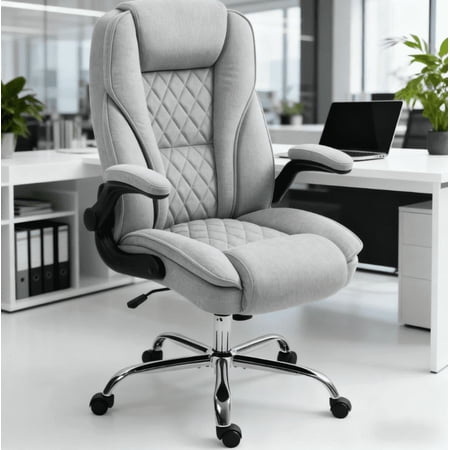
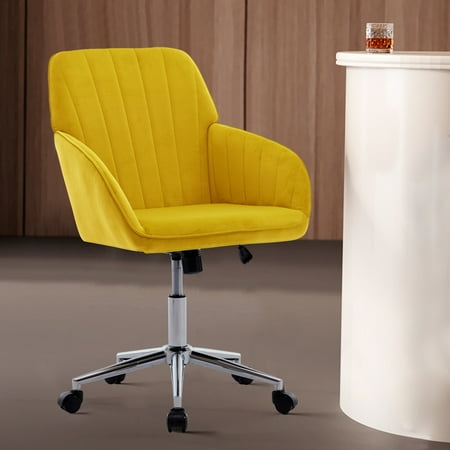
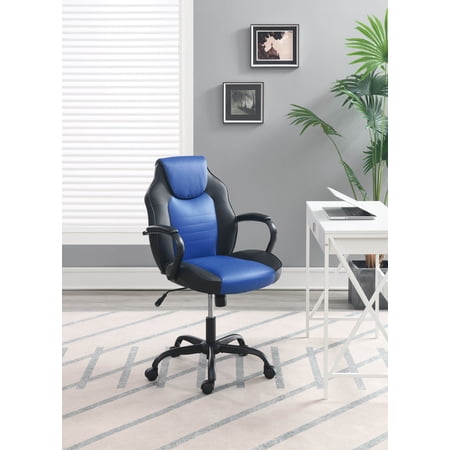
Why Standard Office Chairs Often Fail Small Women
If you're a petite woman (typically under 5'4”), you’ve likely experienced the frustration of sitting in a bulky office chair that feels like it was built for someone much taller. Your feet dangle, the seat pan jabs behind your knees, and the lumbar curve sits too high, forcing your back into unnatural alignment. This is not just uncomfortable—it can lead to chronic back pain, reduced concentration, and even long-term musculoskeletal issues.
Ergonomic Insight: Research shows that improperly fitted office chairs increase the risk of lower back pain by up to 60% in petite users. A chair designed for smaller frames can improve posture, reduce fatigue by 40%, and boost daily productivity significantly.
Key Features Tailored for Petite Women
To make the best choice, focus on these critical design elements:
- Lower Seat Height Range: Look for chairs with a minimum seat height of 14–16 inches so your feet rest flat on the floor without strain.
- Adjustable Seat Depth: Ideal seat depth for petite users is 15–17 inches, ensuring you can sit back fully while keeping two fingers' space between the seat edge and your knees.
- Narrower Seat Width: Standard widths (19–21 inches) often spread arms too wide. Seek models with 18–19 inch seat width for better armrest alignment.
- Multi-Dimensional Armrests: 3D or 4D armrests allow you to bring arms closer and adjust height to match desk level for relaxed shoulders.
- Proportional Lumbar Support: Adjustable lumbar that moves vertically (not just depth) helps target the natural curve of a shorter torso.
Top Ergonomic Priorities: The Perfect Proportions
| Ergonomic Factor | Why It Matters for Small Women | Ideal Specs |
|---|---|---|
| Seat Height Range | Prevents dangling feet, reduces pressure on thighs, and promotes circulation | 14" to 19" with easy pneumatic adjustment |
| Seat Depth Adjustment | Ensures proper back support without cutting off circulation behind knees | Adjustable from 15" to 17.5" |
| Backrest Height | Lumbar curve must align with lower back; shorter backrests often better | Mid-back or adjustable-height backrest |
| Armrest Adjustability | Narrow shoulders and shorter arms need arms that move inward/outward | 4D armrests (height, width, depth, pivot) |
| Seat Foam Density | Softer foams can bottom out; medium-firm provides support without pressure points | High-resilience foam, 2–3 inches thick |
Health & Productivity Benefits of a Petite-Friendly Chair
Reduced Spinal Stress
Proper seat depth and lumbar placement reduce lower back strain by up to 45%.
Better Leg Circulation
Feet flat on floor prevents leg numbness and varicose vein pressure.
Enhanced Focus & Energy
Comfortable seating reduces fidgeting and distractions, boosting workflow efficiency.
Professional Posture
A chair that fits enhances your presence during video calls and in-office meetings.
Upholstery & Material Considerations for Petite Frames
Material choice can influence comfort and durability, especially for smaller users who may experience different pressure points. Here’s a quick comparison:
Mesh Seats & Backs
- Breathable: Keeps you cool during long shifts.
- Contoured support: Adapts to smaller frame without bulky padding.
- Lightweight: Easy to adjust and reposition.
Fabric Upholstery
- Soft feel: Cozy and warm, ideal for cooler offices.
- Wider color selection: Match office decor.
- Potential heat retention: May be less breathable in summer.
Genuine Leather / Leatherette
- Luxury aesthetic: Premium look and easy wipe-down.
- Durable: Lasts years with care, resists spills.
- Firm support: Ideal if you prefer stable seating.
Hybrid (Mesh Back + Fabric Seat)
- Best of both: Breathable back, cushioned seat.
- Often adjustable: Great for petite proportions.
- Mid-range price: Balanced value.
Step-by-Step Selection Guide for Petite Women
1. Measure Your Current Setup
- Desk height (standard 28–30 inches). Chair should allow knees at 90°.
- Distance from back of knees to seat edge (target 2–3 inches clearance).
- Your height and torso length to gauge lumbar alignment.
2. Test Adjustability Range
- Sit in chair and adjust seat height until feet are flat and thighs parallel.
- Slide seat depth forward/back — your back should contact the backrest naturally.
- Check armrest width: adjust so shoulders aren't forced outward.
3. Evaluate Lumbar Support Customization
- Look for vertical lumbar adjustment (at least 2–3 inches of travel).
- Air lumbar or dynamic tension can fine-tune pressure.
4. Verify Weight Capacity & Build Quality
- Even petite users benefit from chairs rated 250–300 lbs for long-term stability.
- Metal base and smooth-rolling casters ensure effortless movement.
Usage Scenarios & Chair Recommendations
Budget Planning: Investing in Your Health
Entry Petite
Basic ergonomic features, seat height adjustable, decent foam.
Mid-Range Performance
Seat depth adjustment, multi-direction arms, lumbar customization, mesh or fabric.
Premium Petite Ergonomic
Fully adjustable (lumbar height, seat angle, headrest), premium materials, 10+ year warranty.
Luxury / Designer
High-end leather, custom petite sizing, exceptional craftsmanship.