
Why Most Office Chairs Struggle on Carpet — And How to Fix It
If you've ever wrestled with an office chair that refuses to roll smoothly on carpet, you're not alone. Standard chairs come with small, hard plastic casters designed for hard floors. On carpet, these wheels act like anchors, digging into the fibers and making every movement a workout. Finding an office chair good on carpet starts with understanding the mechanics of your flooring and choosing the right components.
Did you know? According to a 2023 workplace survey, over 64% of home office workers report frustration with chair mobility on carpet. Upgrading casters or using a proper chair mat can reduce physical strain and improve productivity by nearly 30%.
Key Features of a Carpet-Friendly Office Chair
Not all chairs are created equal when it comes to carpet performance. Here's what to look for to ensure your chair rolls like a dream.
- Oversized Casters (2.5" - 3"): Larger wheels bridge carpet fibers, preventing sinking and allowing smoother glides. Polyurethane or rubber casters are quieter and gentler on carpet than hard nylon.
- Dual-Wheel Design: Offers better weight distribution, reducing the pressure on individual carpet strands and making rolling easier.
- High Weight Capacity: A sturdy base and robust construction ensure the chair doesn't wobble on uneven carpet surfaces.
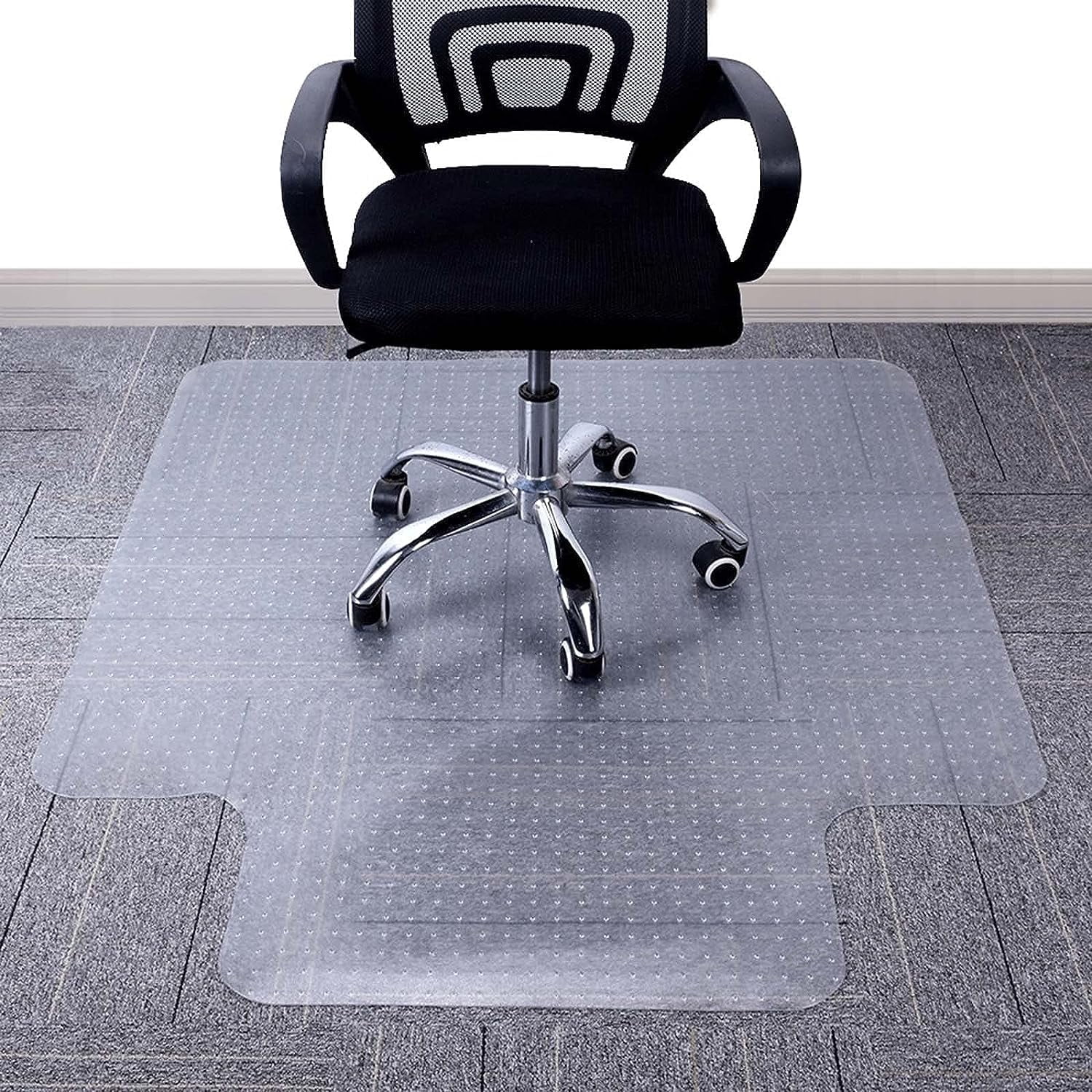
- Chair Mat Compatibility: Even the best chair benefits from a mat. Look for chairs that glide well on both carpet and mat surfaces for a versatile setup.
- Sturdy Base (5-point): A wider base provides stability, especially when leaning or reaching, preventing tipping on softer carpets.
Carpet Types and Chair Solutions: A Quick Guide
Low-Pile Carpet (Berber, Commercial)
Standard office chairs with upgraded polyurethane casters often work well. A thin chair mat is optional but recommended to protect the carpet and improve rolling.
Medium-Pile Carpet (Cut Pile)
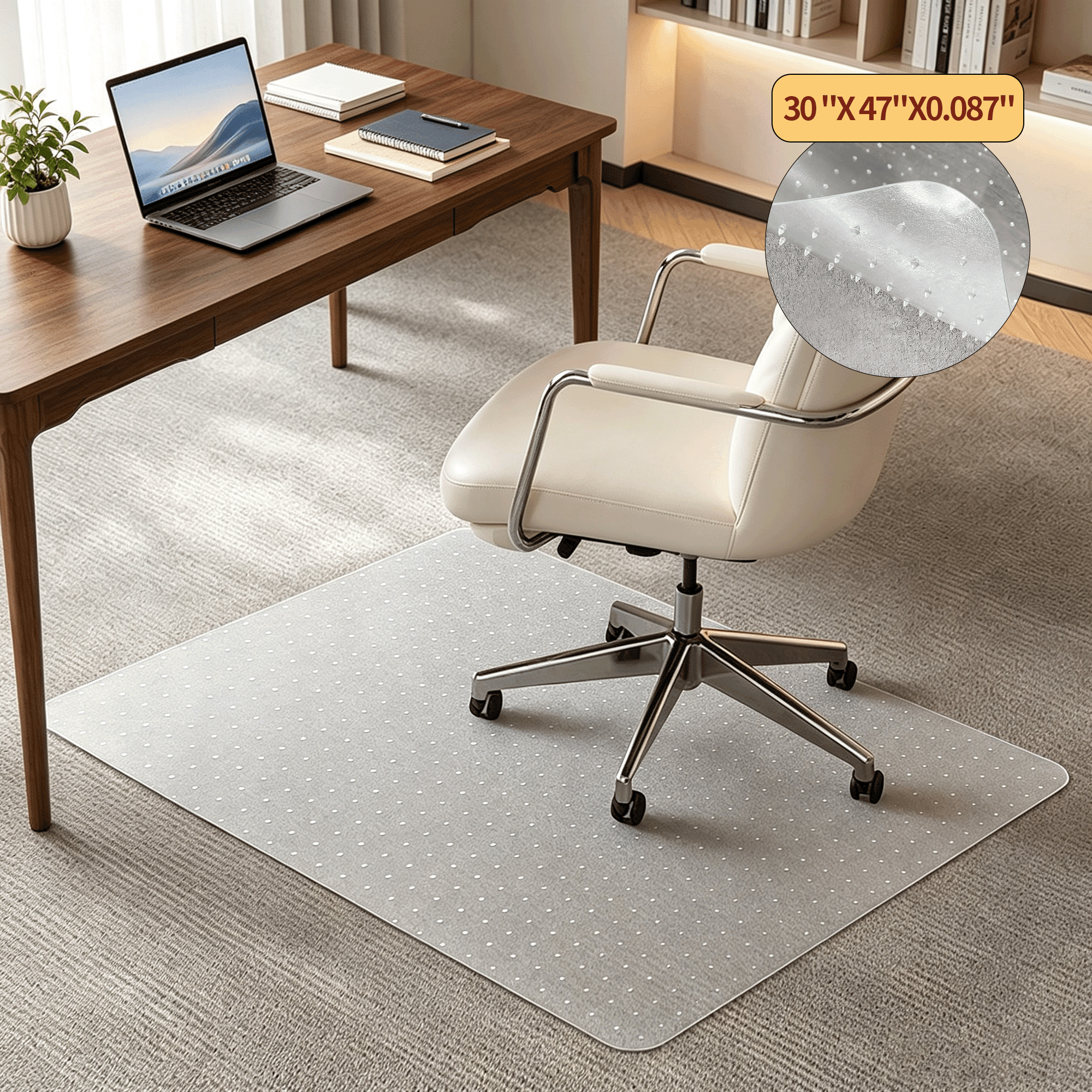
Requires oversized rollerblade wheels (2.5" min). A medium-duty chair mat with cleats is highly recommended to prevent the chair from digging in.
High-Pile / Plush Carpet (Saxony, Frieze)
This is the most challenging. You'll need extra-large casters (3"+) and a heavy-duty chair mat specifically designed for high-pile carpets. Without a mat, even the best wheels may struggle.
Thick Carpet with Thick Padding
Combine 3" polyurethane casters with a glass or rigid plastic mat with grippers. Avoid thin mats that will buckle under weight.
Chair Mats vs. Upgraded Casters: Which is Better?
This is a common dilemma. The answer depends on your budget, your carpet, and your preferences.
- Upgraded Casters (Budget: $20–$50): A fast, affordable fix. Rollerblade-style wheels can transform a chair's performance on carpet. They are easy to install and don't take up extra floor space. Best for low to medium-pile carpets where the chair doesn't sink too deep.
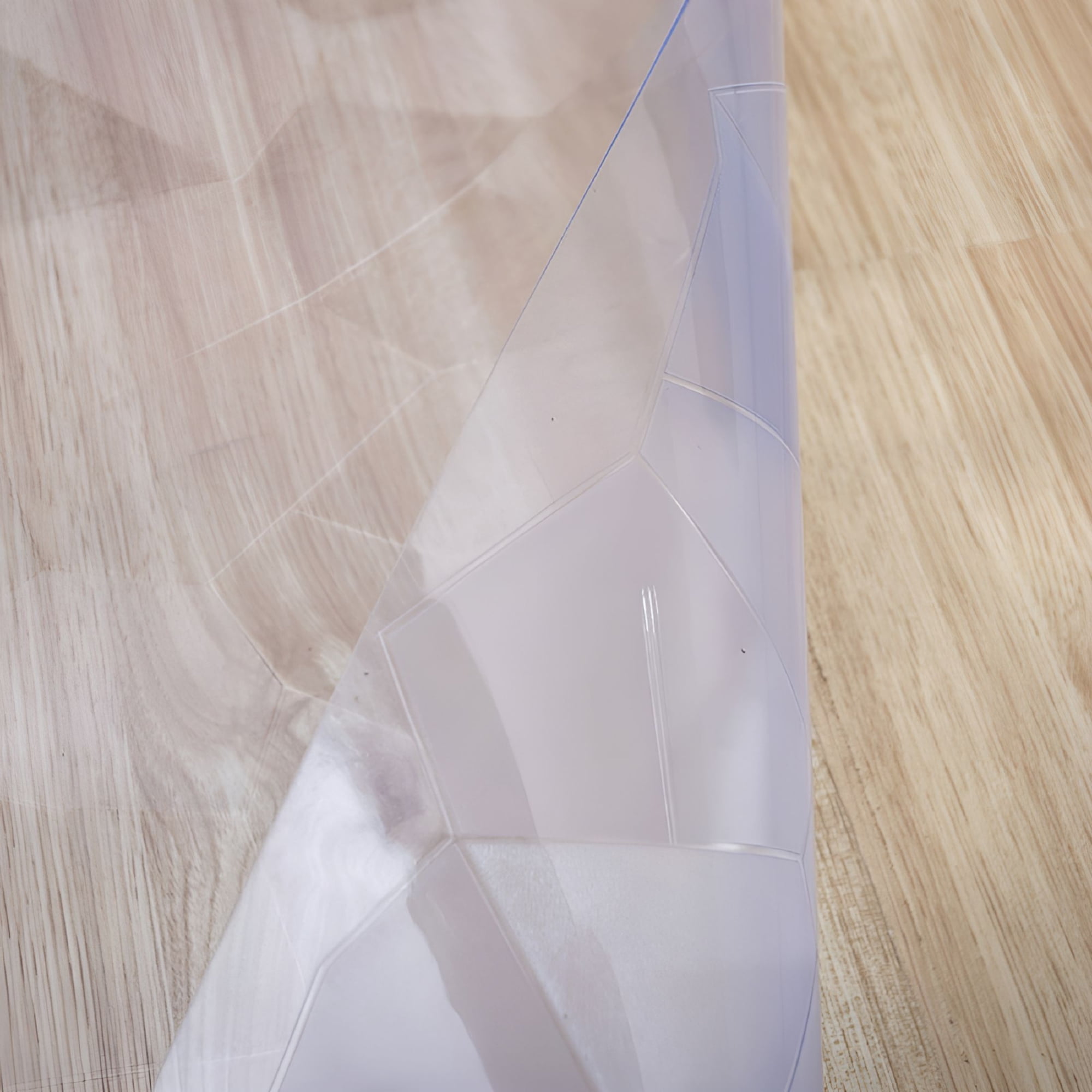
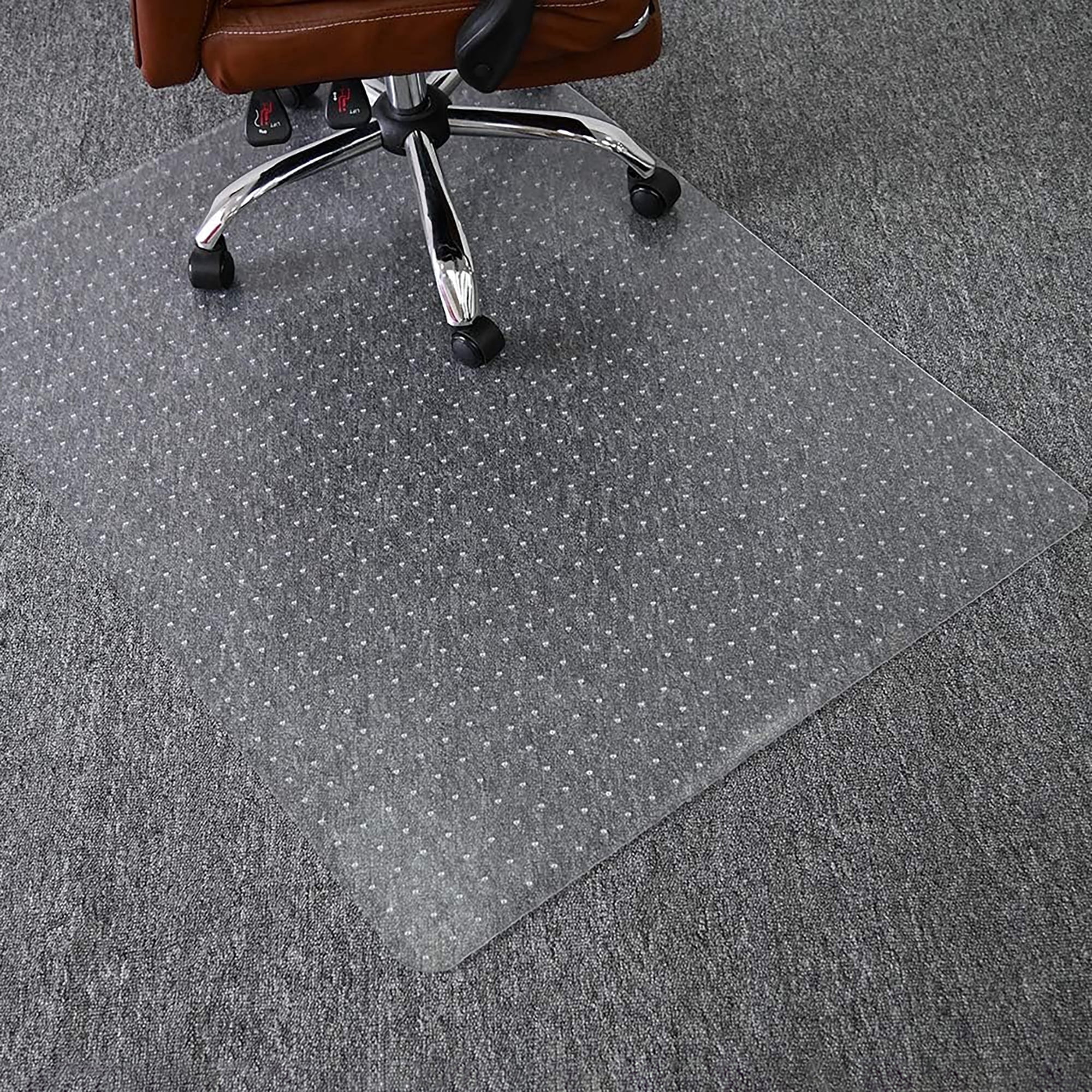
- Chair Mats (Budget: $50–$150+): Provides a smooth, hard surface, protecting the carpet from wear and tear. It makes any chair—not just yours—easier to roll. A mat is essential for high-pile or thick carpets where casters alone might not be enough.
- The Ultimate Solution: Use both — upgraded casters on a quality chair mat. This combination delivers the smoothest, most effortless glide and offers the best protection for your flooring.
Ergonomics and Carpet: Why Stability Matters
It's not just about rolling. A chair on carpet must also be stable to support healthy sitting posture. Carpet's cushioning can make a chair feel unstable, especially when you lean back. Look for chairs with:
- A wide, heavy-duty base: Prevents tipping and provides a solid foundation.
- Adjustable tilt tension: Allows you to control recline resistance, so you don't feel like you're falling backward into the carpet.
- Firm seat cushioning: Prevents you from sinking too far down, which can throw off your ergonomic alignment.
When you're sitting on a chair that's good on carpet, you should feel as stable as you would on a hard floor, with the added benefit of reduced noise and floor protection.
Maintenance Tips for Carpet and Chair Longevity
Keeping both your chair and carpet in top shape is easy with a few simple habits.
- Vacuum regularly: Carpet fibers can trap dust and debris that wear down casters. Weekly vacuuming extends the life of your wheels and carpet.
- Clean casters: Wipe wheels with a damp cloth every few weeks to remove hair and dust that can clog the bearings.
- Rotate your chair mat: If you use a mat, rotate it occasionally to avoid permanent indentations in the carpet.
- Check wheel tightness: Loose casters can wobble and damage carpet. Ensure all wheels are securely fastened.
Frequently Asked Questions (FAQ)
Conclusion: Choose the Right Chair for Your Carpet
Finding an office chair good on carpet doesn't have to be a headache. The secret lies in understanding your carpet type and pairing it with the right casters and accessories. Whether you opt for oversized rollerblade wheels, a durable chair mat, or both, your chair can glide effortlessly, protecting both your floor and your posture.
Invest in a chair that matches your workspace, and you'll enjoy a more comfortable, productive, and frustration-free workday. Explore the products above to find the perfect match for your office.