
Why Your Spine Demands a Specialized Office Chair for a Straight Back
Imagine your spine as a stack of building blocks. When you slouch, those blocks tilt and put uneven pressure on the discs and muscles, leading to fatigue, pain, and long-term damage. A standard chair is like a flat table; it doesn't help you align those blocks. An office chair designed for a straight back acts as a supportive scaffold, actively encouraging your body to maintain its natural, healthy alignment.
Ergonomic Fact: Research indicates that maintaining a neutral, straight spine while seated can reduce muscle fatigue by up to 35% and significantly decrease the risk of developing chronic back pain. The right chair is not a luxury; it's an investment in your body's most critical structural asset.
The Anatomy of a Posture-Perfect Chair
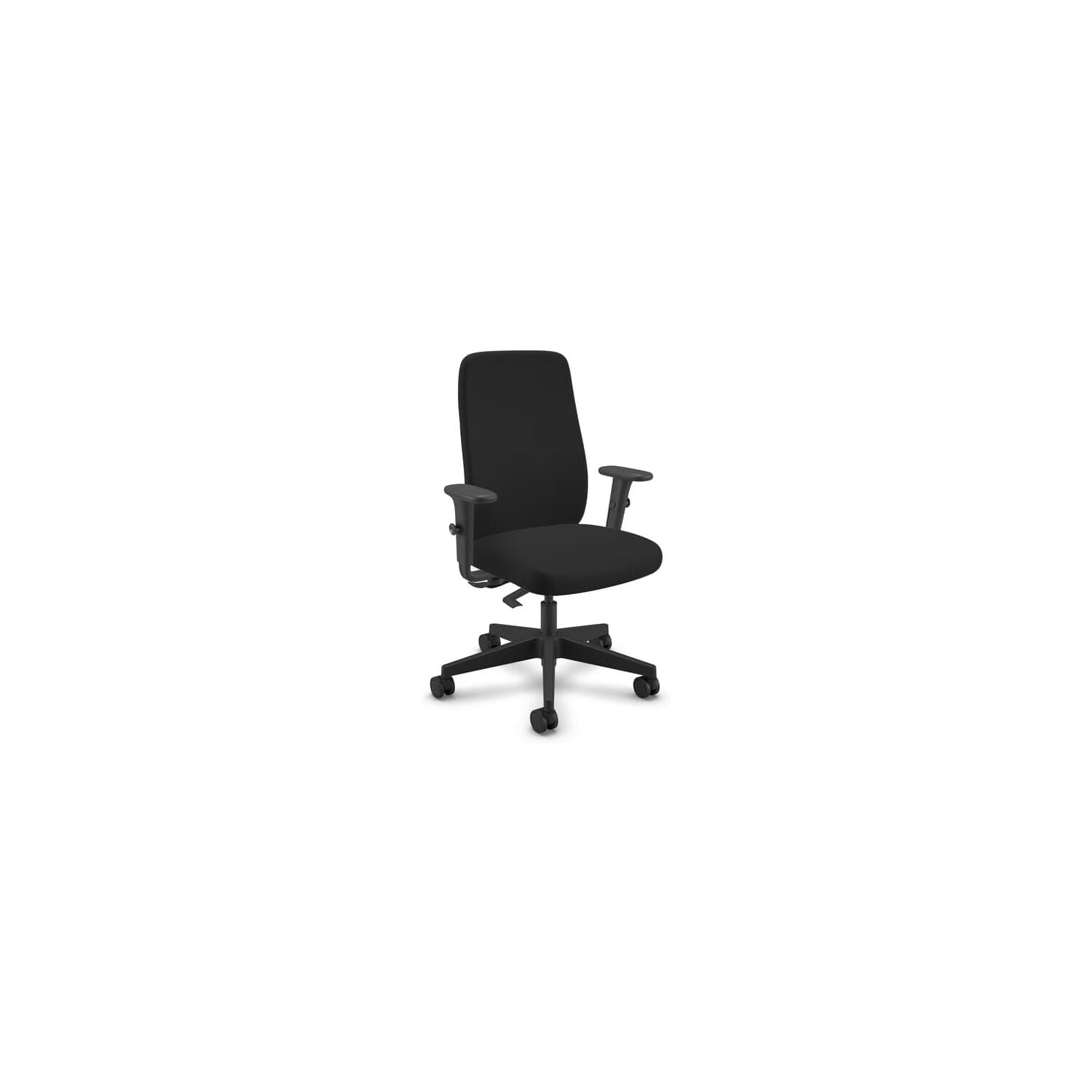
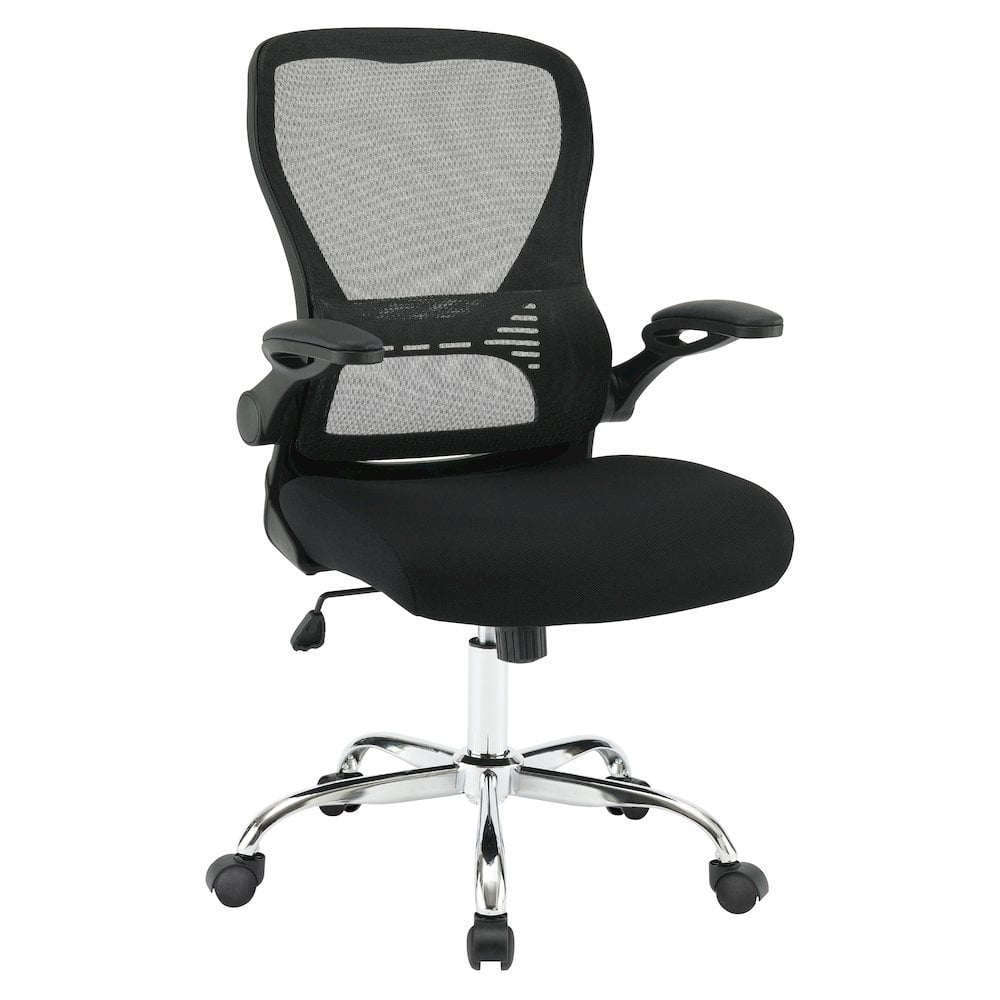
An effective office chair for straight back support is more than just a seat. It is a system of adjustable components that work in harmony to mirror the spine's natural 'S' curve. Here are the non-negotiable features:
- Active Lumbar Support: Look for a chair with adjustable lumbar support that can move both in/out and up/down. This allows you to target the exact curve of your lower back, filling the void that causes you to slump forward.
- Dynamic Backrest Tension: A backrest that tilts with your movements is crucial. It should offer adjustable tension so you can recline slightly for relief while the backrest continues to support your spine's alignment.
- Height-Adaptable Armrests: Armrests that adjust in height, width, and angle allow you to relax your shoulders. When your shoulders are free of tension, your upper back can naturally stay straighter.
- Waterfall Seat Edge: This curved front edge on the seat pan reduces pressure on the back of your thighs, promoting better circulation and preventing the discomfort that often leads to fidgeting and poor posture.
- Solid 5-Point Base: A stable base with high-quality casters ensures the chair stays firmly in place, providing a secure foundation that allows you to focus on your posture, not on balancing.
The 90-90-90 Rule for a Straight Back
To maximize the benefits of your office chair, follow the 90-90-90 rule:
- Your feet should be flat on the floor, with knees bent at a 90-degree angle.
- Your hips should be bent at a 90-degree angle, with thighs parallel to the floor.
- Your elbows should be bent at a 90-degree angle, resting comfortably on the armrests or desk.
This position creates a stable base for your spine, allowing your office chair to provide the most effective support for a straight back.
Ergonomic Checklist: Key Features for Straight Back Support
When shopping for your ideal chair, use this checklist as a guide to evaluate options. A chair that passes these checks is far more likely to keep your back straight and pain-free.
1. Lumbar Adjustability
Must-Have: Height and depth adjustment. This is the cornerstone of a chair for a straight back.
2. Backrest Height
Ideal: High-back models that support the shoulders, preventing the upper back from rounding forward.
3. Seat Depth
Must-Have: Adjustable seat slider to ensure proper distance from the backrest.
4. Armrest Adjustability
Ideal: 4D (up/down, in/out, pivot, width) to keep shoulders relaxed and down.
How to Set Up Your Office Chair for a Perfectly Straight Back
Owning a great chair is the first step; setting it up correctly is what unlocks its potential. Follow these steps to transform your chair into a posture-correcting tool:
Beyond the Chair: Habits for a Lifetime of Straight Back Sitting
Even the best office chair for a straight back can't do all the work. Your habits play a crucial role. Integrate these practices into your daily routine for maximum benefit:
- The 30-Minute Rule: Set a timer to stand up, stretch, or walk for 2-3 minutes every 30 minutes. Movement resets your posture and invigorates your muscles.
- Chin Tucks: While sitting straight, gently pull your chin straight back, creating a "double chin." This strengthens neck muscles and counteracts "text neck."
- Core Engagement: Think of gently drawing your belly button towards your spine. A lightly engaged core is the body's natural corset that supports your lower back.
- Shoulder Blade Squeezes: Roll your shoulders back and down, then squeeze your shoulder blades together. Hold for 5 seconds. This opens up your chest and encourages a straight upper back.