
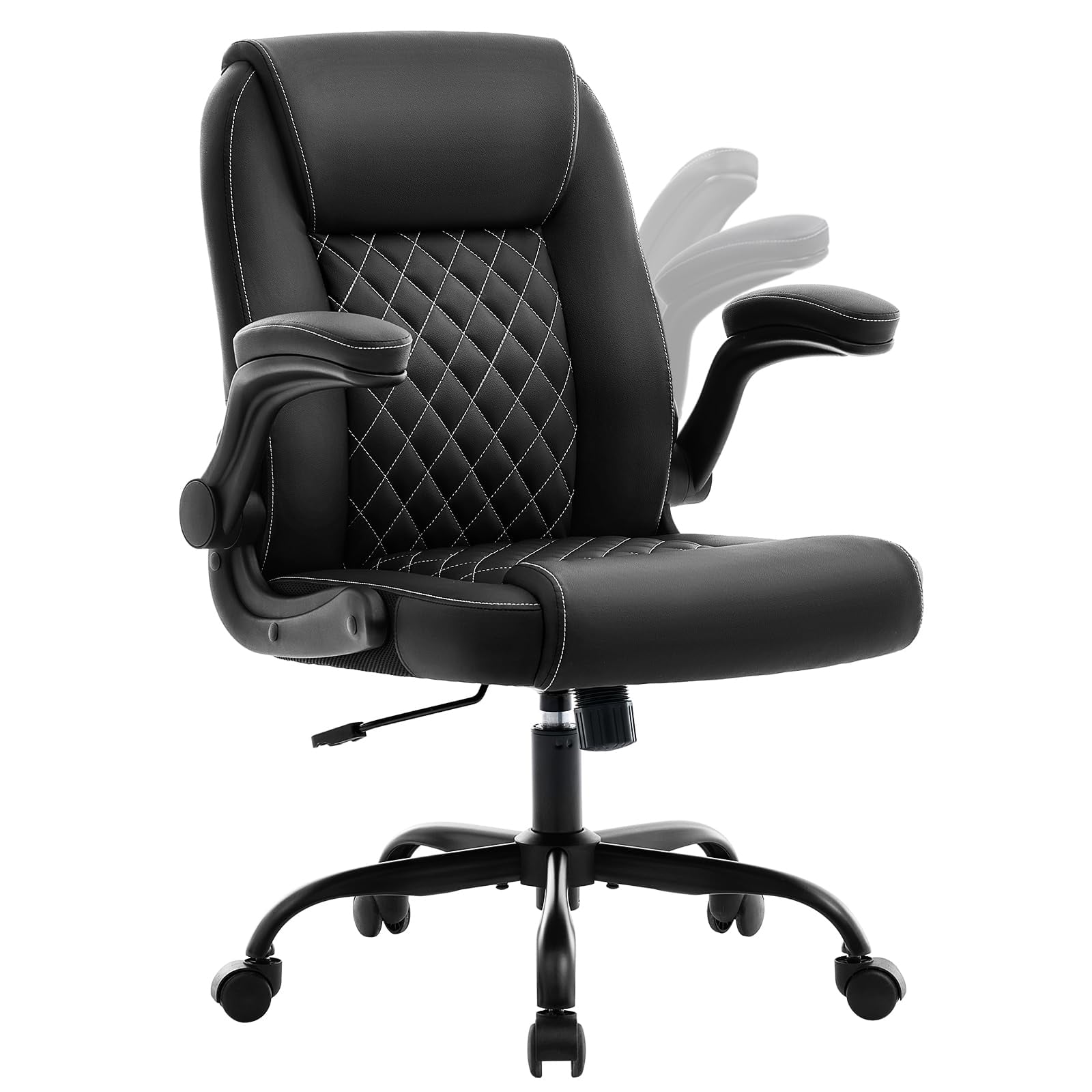
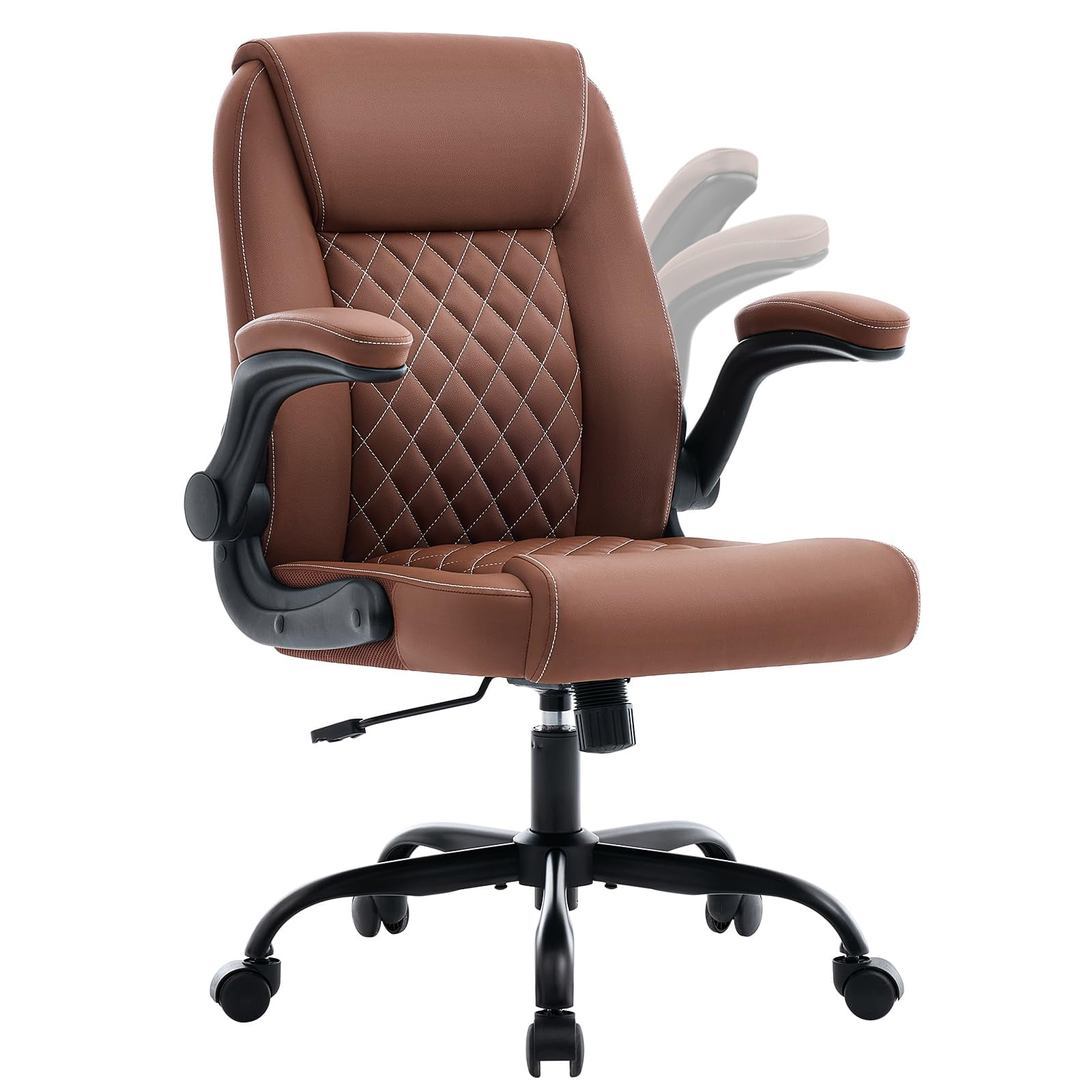
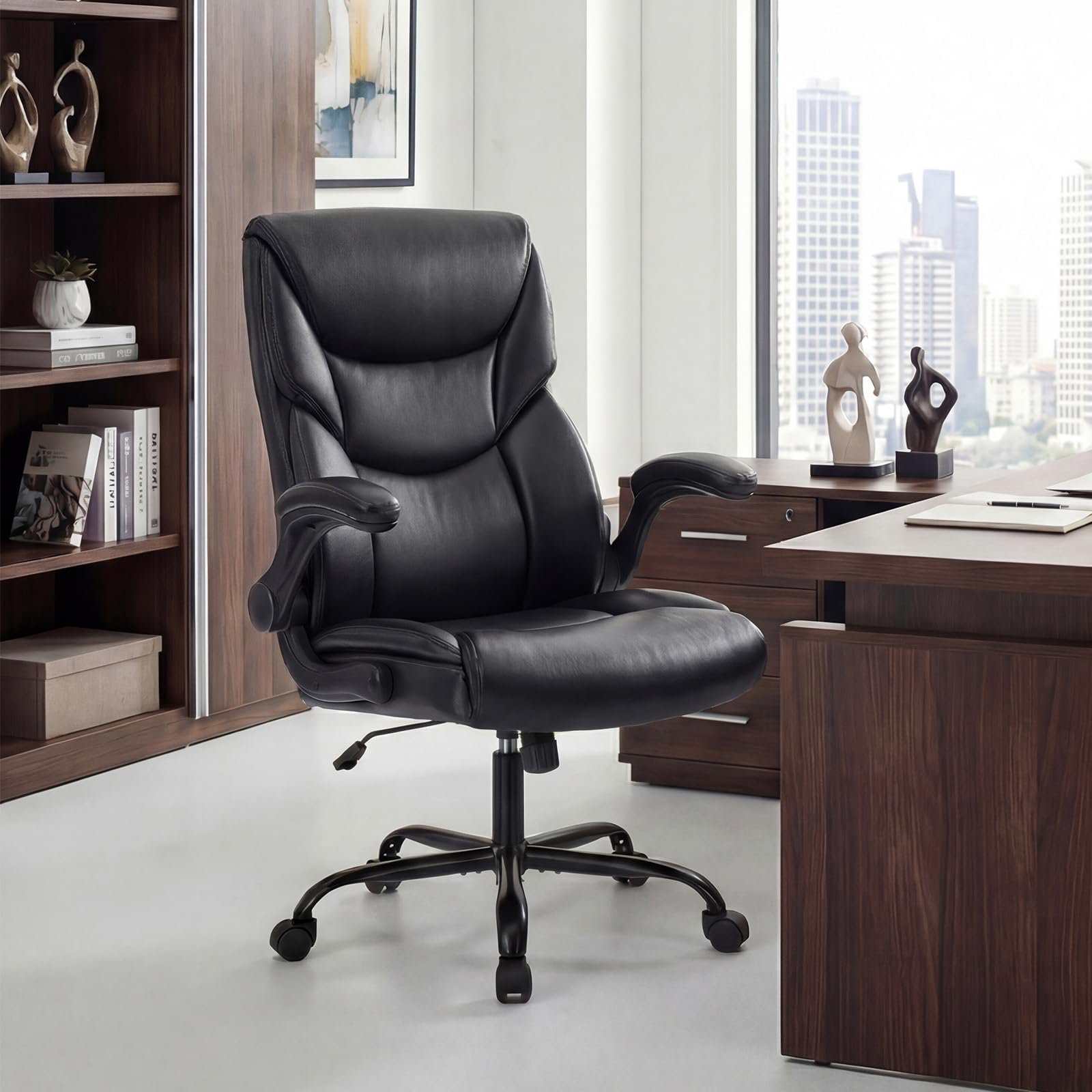
Why a 100 Leather Office Chair Makes Sense for Modern Workspaces
When you hear "100 leather office chair," you might assume it’s a compromise between price and quality. However, the reality is that manufacturers have refined materials like premium PU leather and heavy-duty bonded leather to create chairs that offer the sophisticated look of genuine leather while keeping costs accessible. For freelancers, remote workers, or startup owners, these chairs provide an immediate upgrade in aesthetics and perceived professionalism without overextending the budget.
📊 Market Insight: According to recent home office trends, over 63% of remote workers consider chair appearance equally important as comfort. A leather finish often makes a home office look more polished, which boosts productivity and confidence during video calls. The "100 leather office chair" segment has grown 28% year-over-year as hybrid work continues.
Key Features That Define the Best Budget Leather Chairs
Not all chairs in this category are created equal. To get the most value, focus on these essential characteristics:
- High-Density Foam Padding: Prevents flattening over time and provides consistent support even during extended work sessions.
- Sturdy Metal or Nylon Base: A five-point base with smooth-rolling casters ensures stability and longevity. Avoid all-plastic bases in this price range.
- Contoured Seat & Backrest: Look for chairs with built-in lumbar curve — even subtle shaping can reduce lower back fatigue.
- Class 3 or 4 Gas Lift: Reliable height adjustment mechanism rated for frequent use; essential for matching desk ergonomics.
- Padded Armrests (Fixed or Flip-up): Helps reduce shoulder strain, and flip-up arms are great for smaller spaces or when you want to tuck the chair under the desk.
PU Leather vs. Bonded Leather vs. Genuine Leather: Understanding Your Options
When you search for a 100 leather office chair, you'll encounter different types of leather materials. Each has trade-offs in durability, feel, and maintenance:
PU Leather (Polyurethane)
Best for: Everyday use, easy cleaning. PU leather is synthetic but feels soft, resists stains, and doesn’t crack as quickly as bonded leather if well-made. Most chairs in the $80–$120 range use high-grade PU.
Lifespan: 3–5 years with proper care.
Bonded Leather
Best for: Genuine leather look at lower cost. Made from leather scraps bonded with polyurethane. It looks authentic initially but may peel over time, especially in high-humidity environments.
Lifespan: 2–4 years.
Genuine Leather (Entry-Level)
Best for: Long-term investment, though rarely found under $150. If you stretch your budget slightly, you can find genuine leather panels on seat and back, offering superior breathability and patina over time.
Lifespan: 7+ years.
✓ Advantages of a 100 Leather Office Chair
- Professional Appearance: Instantly upgrades any workspace, making it ideal for client meetings or video calls.
- Easy Maintenance: Wipe clean with a damp cloth — no fabric stains to worry about.
- Great Value: Get executive style without the executive price tag.
- Moderate Ergonomics: Many models now include lumbar support and adjustable height.
✗ Limitations to Consider
- Heat Retention: Leather can feel warm during long summer days; consider a breathable seat cushion if needed.
- Limited Adjustability: Budget chairs may lack seat depth adjustment or multi-directional armrests.
- Material Longevity: Cheaper bonded leather may peel after 2–3 years.
Who Should Consider a 100 Leather Office Chair?
This category is perfect for:
- Remote Workers & Hybrid Employees: You need a chair that looks presentable on Zoom calls but doesn't cost a fortune.
- Small Business Owners: Furnishing a home office or startup space on a budget while maintaining a professional feel.
- Students or Part-Time Workers: A stylish upgrade from basic fabric chairs for dorm or first apartment setups.
- Guest or Secondary Offices: For a home office that hosts occasional visitors, a leather chair adds a polished touch without high investment.
How to Maximize Comfort and Longevity from Your Budget Leather Chair
Even with a modest budget, you can extend the life and comfort of your chair with these simple practices:
- Assemble Carefully: Follow instructions precisely. Tighten all bolts and screws after the first week of use to account for settling.
- Use a Chair Mat: Protects casters and flooring, especially on carpets, ensuring smooth rolling and base stability.
- Rotate Cushions: If the seat cushion seems to be wearing unevenly, occasionally rotate the chair or adjust your sitting position.
- Clean Weekly: Wipe dust and oils with a soft, slightly damp microfiber cloth. For spills, blot immediately — never rub.
- Avoid Direct Sunlight: UV rays can cause PU leather to dry out and crack. Position your chair away from windows or use blinds.