
Why Your Choice of Chair Defines Your Workday
For millions of professionals, desk work is synonymous with prolonged sitting. However, not all chairs are created equal. An office chair for long sitting hours is a critical tool that bridges the gap between comfort and biomechanical health. When you select a chair tailored for endurance, you invest in sustained energy, sharper focus, and long-term musculoskeletal wellness.
Ergonomic Insight: According to the Occupational Safety and Health Administration (OSHA), employees who use properly adjusted ergonomic chairs report a 54% decrease in work-related discomfort. The right chair actively supports micro-movements, preventing the static loading that leads to fatigue and chronic pain.
Core Ergonomics: Anatomy of an All-Day Chair
An effective chair for extended sitting hours goes beyond basic padding. It incorporates dynamic support elements that adapt to your body's natural movements. Here are the non-negotiable features:
- Dynamic Lumbar Mechanism: Active lumbar support that adjusts to your spine's curvature as you shift positions, reducing disc pressure by up to 35%.
- Seat Depth Adjustment: Allows the seat pan to slide forward/backward, ensuring optimal thigh support without restricting circulation.
- Breathable Material Construction: Premium 3D mesh or perforated leather prevents heat buildup during marathon work sessions.
- Multi-Directional Armrests: 4D armrests (height, width, angle, depth) relieve shoulder tension and support relaxed elbow positioning.
- Synchronized Tilt Mechanism: Enables the seat and backrest to move in a natural ratio, encouraging posture changes without losing support.
The Science of Sustained Sitting
Human bodies are designed for movement. The ideal chair for long sitting hours acts as a "movement enabler" rather than a static prison. Features like a tension-adjustable recline and seat glide allow you to alter your posture regularly — from upright focus to relaxed thinking — all while maintaining ergonomic alignment. Research from the Human Factors and Ergonomics Society highlights that users with active seating features experience 28% less lower back fatigue after an 8-hour workday.
Health Matrix: How a Quality Chair Protects Your Body
🔹 Spinal Alignment
Preserves natural lumbar curve, preventing forward head posture and chronic back strain. Chairs with adjustable backrest height and depth cater to different torso lengths.
🔹 Hip & Thigh Comfort
Waterfall seat edge design minimizes pressure on the underside of thighs, promoting healthy blood flow and reducing numbness.
🔹 Shoulder & Neck Relief
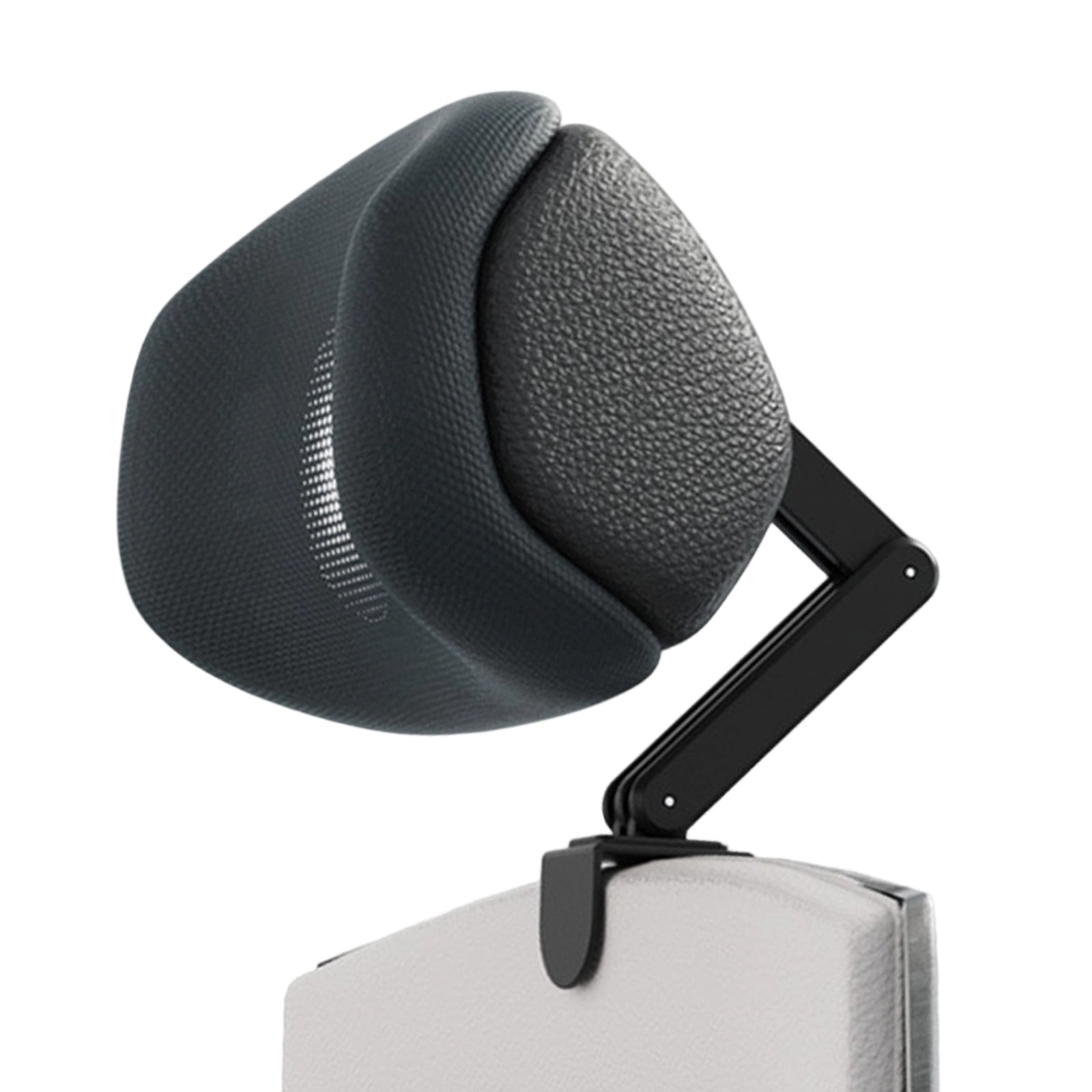
Proper armrest positioning reduces trapezius muscle load. Pair with an optional adjustable headrest to support cervical spine during recline breaks.
🔹 Energy & Focus
Comfortable seating decreases distraction caused by pain points. Users report up to 22% higher productivity when using task-specific ergonomic chairs.
Material Deep-Dive: What Works for Endurance Sitting?
When you're seated for 6+ hours, material choice directly influences comfort and durability. Below is a quick comparison based on real-world endurance:
| Material Type | Breathability | Long-Session Comfort | Durability | Best For |
|---|---|---|---|---|
| Premium 3D Mesh | Excellent (airflow active) | High — temperature neutral | Very good (7-10 years) | Warm environments, tech executives, prolonged daily use |
| Top-Grain Leather | Moderate (perforated versions help) | High — molds to body | Excellent (10-15 years) | Traditional offices, cooler climates, luxury feel |
| High-Density Fabric | Moderate | Medium-High (soft touch) | Good (5-8 years) | Budget-focused, home offices, aesthetic variety |
| Hybrid (Mesh back + fabric/leather seat) | Good (back breathability) | High — combines support with comfort | Very good (8-12 years) | Versatile, best of both worlds for all-day sitters |
📊 Ergonomic Fact: 87% of office workers report that a dedicated ergonomic chair for long sitting hours reduces daily fatigue and improves their ability to concentrate on complex tasks. The key is adjustability — one size never fits all when it comes to prolonged seating.
Step-by-Step Selection Guide: Find Your Perfect Long-Hours Companion
Follow these sequential steps to ensure you pick a chair that aligns with your body type, work style, and health needs:
Step 1: Map Your Daily Sitting Pattern
- Do you sit continuously for 4+ hours without breaks? → Prioritize dynamic lumbar and breathable mesh.
- Do you frequently switch between typing and meeting mode? → Look for synchronized tilt and swivel flexibility.
- Are you over 6'2" or 250 lbs? → Choose chairs with extended seat depth and reinforced Class 4 gas lift.
Step 2: Test Adjustability Range
- Seat height: ensure pneumatic range matches your desk height (usually 18-22 inches from floor).
- Armrests: 4D capability is ideal for varied desk tasks.
- Recline tension: should allow easy movement but hold position when you stop.
Step 3: Assess Warranty & Build Quality
- For chairs used 40+ hours weekly, select at least a 10-year frame warranty and 3-year component coverage.
- Metal base construction outlasts plastic under heavy use.
Step 4: Simulate Your Work
- If possible, sit in the chair for 15-20 minutes mimicking your actual work: typing, leaning back, reaching for files. Note any pressure points or restricted movement.
Long-Hours Seating Myths vs. Facts
- Myth: “More cushion means better for long sitting.” Fact: Excessive softness can destabilize posture. High-resilience foam with contouring provides balanced support.
- Myth: “Any high-back chair is ergonomic.” Fact: Lumbar positioning matters more than back height. The curve must align with your lumbar spine.
- Myth: “You don’t need armrests for typing.” Fact: Properly adjusted armrests reduce shoulder load and prevent neck strain, essential for all-day comfort.
Smart Habits That Amplify Your Chair's Benefits
Even the best office chair for long sitting hours works best when paired with healthy habits:
Frequently Asked Questions About Long-Hours Seating
Conclusion: Elevate Your Workday With The Right Chair
Choosing an office chair for long sitting hours is not merely about comfort—it's a strategic decision for your health, focus, and long-term career vitality. A well-designed ergonomic chair reduces physical stress, enabling you to dedicate mental energy to what matters most. By focusing on adjustability, material suitability, and ergonomic certifications, you transform your workspace into a hub of sustained productivity. Evaluate your specific needs, test key features, and invest in a chair that becomes a seamless extension of your work rhythm. Your body will thank you for years to come.
Final Pro Tip: Pair your chair with a sit-stand desk converter and a monitor arm to complete an ergonomic ecosystem that combats the negative effects of sedentary work.