
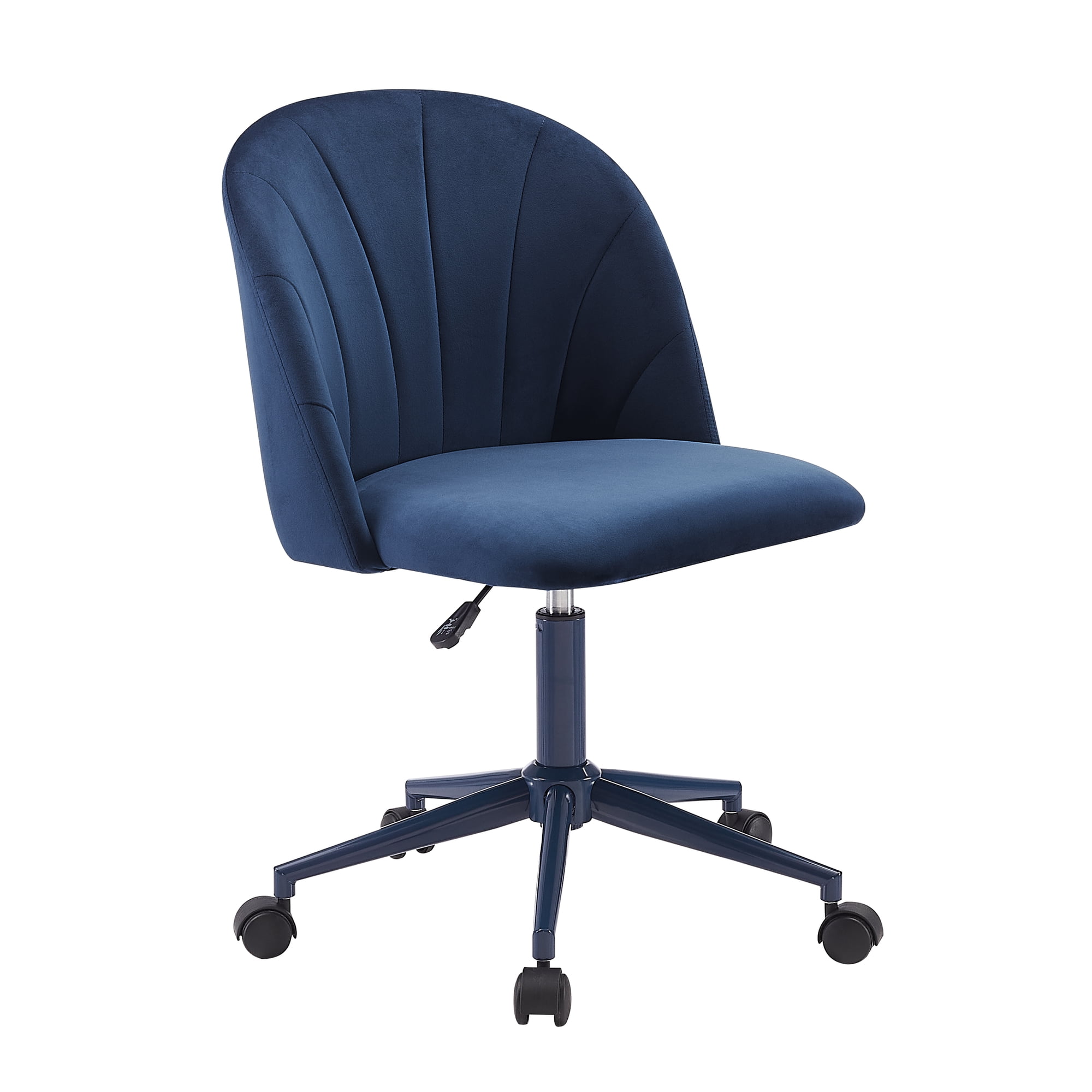
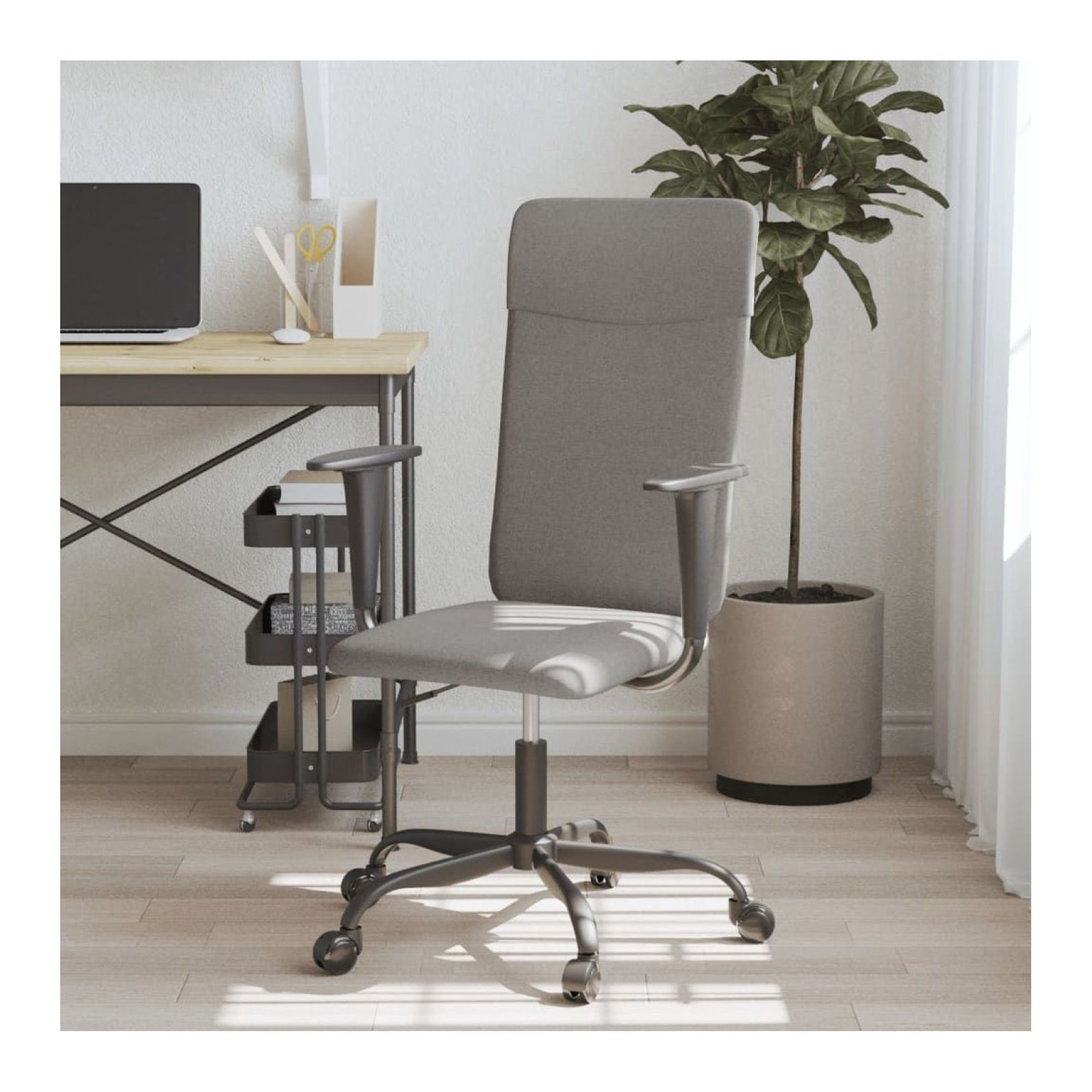
Why Choose an Office Chair with Rubber Castors?
When outfitting your workspace, the office chair with rubber castors is a game-changer. These chairs are equipped with soft polyurethane (PU) or rubber wheels that provide superior mobility, near-silent operation, and most importantly, protect your flooring from unsightly scratches and scuffs. Whether you're a home-based professional, a corporate executive, or someone who values a quiet and clean office environment, rubber castors are a smart investment.
Did You Know? According to a study by the Flooring Protection Council, over 60% of office floor damage is caused by hard plastic castors. Switching to rubber or polyurethane wheels can reduce floor maintenance costs by up to 45% annually.
Key Benefits of Rubber Castors on Office Chairs
- Floor Protection: Rubber castors are non-marking and soft, ensuring your hardwood, tile, or laminate floors remain scratch-free.
- Quiet Operation: Say goodbye to the noisy clatter of plastic wheels. Rubber castors glide silently, creating a more focused and professional atmosphere.
- Smooth Gliding: The material's natural grip and flexibility allow for seamless movement across various surfaces, including transitions from carpet to hard floors.
- Durability: High-quality rubber castors are resistant to wear and tear, offering a longer lifespan compared to standard plastic wheels.
- Versatility: Ideal for all floor types, from delicate hardwood to office carpets, making them a universal choice for any workspace.
Rubber Castors vs. Standard Plastic Castors
| Feature | Rubber Castors | Plastic Castors |
|---|---|---|
| Floor Protection | Excellent – non-marking, scratch-resistant | Poor – often cause scratches and scuffs |
| Noise Level | Quiet, smooth rolling | Loud, clattering on hard surfaces |
| Mobility | Effortless gliding, even on transitions | Can stick or jerk, especially on carpet |
| Durability | High – resistant to wear and cracking | Medium – prone to cracking and flat spots |
| Cost | Premium (but cost-effective long-term) | Lower initial cost |
How to Select the Perfect Rubber Castor Office Chair
Choosing the right office chair with rubber castors involves more than just the wheels. Consider these factors to ensure you get a chair that meets all your ergonomic and mobility needs:
Step 1: Assess Your Flooring
- Hardwood/Tile: Opt for soft rubber or polyurethane castors with a smooth tread pattern for maximum protection.
- Carpet: Choose larger diameter castors (2.5-3 inches) with a wider tread for better weight distribution and easier rolling.
- Mixed Surfaces: Look for castors designed for multi-surface use, offering a balance of grip and glide.
Step 2: Consider Weight Capacity
- Ensure the rubber castors are rated for your weight plus the chair's weight. Most quality castors support 250-300 lbs.
- For heavy-duty use, choose chairs with castors that have a higher load capacity, often indicated in the product specs.
Step 3: Evaluate Ergonomic Features
- Lumbar Support: Critical for long hours. Adjustable lumbar support helps maintain the natural curve of your spine.
- Seat Depth and Height: Ensure the chair can be adjusted to fit your leg length and desk height perfectly.
- Armrests: 4D adjustable armrests provide optimal support for your arms and shoulders, reducing strain.
- Recline Tilt: A good recline mechanism with tension control allows you to lean back comfortably and change postures.
Step 4: Material and Build Quality
- Upholstery: Choose from premium leather, breathable mesh, or high-quality fabric based on your comfort and aesthetic preferences.
- Base and Frame: A sturdy metal base (aluminum or steel) ensures stability and durability, especially when combined with a weight-rated gas cylinder.
Health Benefits of a Properly Equipped Executive Chair
An office chair with rubber castors isn't just about mobility; it's also a key component of a healthy workspace. The combination of ergonomic support and smooth movement can dramatically improve your workday:
Reduced Physical Strain
Effortless gliding allows you to move naturally without awkward reaching, reducing strain on your back and shoulders.
Improved Circulation
Moving around your workspace more frequently encourages blood flow, preventing stiffness and fatigue.
Enhanced Focus
Silent movement minimizes distractions, allowing you to stay in the zone and maintain productivity for longer.
Posture Support
With the right ergonomic chair, you can maintain a neutral spine position, reducing the risk of chronic back pain.
Maintenance Tips for Rubber Castors
To get the most out of your office chair's rubber castors, follow these simple maintenance practices:
- Regular Cleaning: Wipe the castors with a damp cloth to remove dust, hair, and debris that can affect rolling.
- Avoid Moisture: Keep castors dry to prevent the rubber from degrading or becoming slippery.
- Check for Wear: Inspect the castors periodically for flat spots or cracks. Replace them if you notice any damage.
- Lubrication: If your castors start to squeak, apply a silicone-based lubricant to the axle to ensure smooth operation.
Material Considerations for Rubber Castor Office Chairs
The combination of the chair's upholstery and the castor material defines the overall experience. Here’s a deeper look at how materials work together:
Leather Upholstery + Rubber Castors
Ideal for: Executive offices and client-facing environments.
- Advantages: Professional appearance, durability (10+ years), easy to clean, and the rubber castors ensure silent, floor-safe movement.
- Best used: On hardwood, tile, or low-pile carpet where the combination of luxury and protection is paramount.
Mesh Upholstery + Rubber Castors
Ideal for: Modern, tech-forward workspaces and warm climates.
- Advantages: Breathable, lightweight, and the rubber castors provide smooth mobility without damaging floors.
- Limitations: Mesh may not offer the same plush feel as leather, but the ventilation and flexibility are unparalleled.
Quick Comparison: Chair Material Combinations
| Upholstery | Castor Type | Best Floor | Durability | Price Range |
|---|---|---|---|---|
| Full-Grain Leather | Polyurethane Rubber | Hardwood, Tile | Excellent (15+ years) | $1,200–$2,800 |
| Premium Mesh | Soft Rubber | All Surfaces | Good (7–10 years) | $700–$1,500 |
| High-Quality Fabric | Rubber Castors | Carpet, Mixed | Good (5–8 years) | $600–$1,200 |
| Faux Leather | PU Castors | Hard Floors | Fair (3–5 years) | $400–$800 |
Ultimate Selection Guide: Rubber Castor Office Chairs
Follow this step-by-step guide to find the ideal office chair with rubber castors that fits your specific needs:
Step 1: Define Your Work Environment
- Home Office: Prioritize floor protection and noise reduction, especially if you have hardwood or tile floors.
- Corporate Setting: Look for a balance of professional aesthetics, durability, and quiet mobility for open-plan offices.
- Shared Workspace: Consider chairs with easily replaceable castors and robust construction to withstand frequent use.
Step 2: Set Your Budget
Value
Basic ergonomic features with rubber castors, ideal for occasional use.
Mid-Range
Superior support, premium materials, and high-quality rubber castors.
Premium
Luxury upholstery, advanced ergonomics, and durable, silent castors.
Step 3: Test for Comfort and Mobility
- Sit Test: Spend at least 15 minutes in the chair to check lumbar support, seat depth, and armrest position.
- Roll Test: Move around to feel the smoothness of the rubber castors. Listen for any noise and check for easy gliding.
- Adjustment Check: Ensure all adjustments (height, tilt, armrests) are easy to operate and lock securely.
Conclusion & Final Recommendations
Investing in an office chair with rubber castors is a strategic decision that enhances your workspace's functionality, aesthetics, and comfort. The right chair not only provides superior mobility and floor protection but also supports your health and productivity throughout the workday.
Summary: Choose Your Ideal Rubber Castor Chair
Prioritize floor protection and silent operation. A mid-range ergonomic chair with PU castors is perfect for hardwood or tile floors.
Leather upholstery paired with premium rubber castors delivers both luxury and functionality, ensuring a professional image and floor safety.
Durable mesh or fabric chairs with heavy-duty rubber castors offer longevity and comfort, ideal for shared or dynamic workspaces.
Top Recommendations by Use Case
| User Profile | Recommended Chair Type | Key Features | Budget Range |
|---|---|---|---|
| Home Professional | Ergonomic Mesh Chair with Rubber Castors | Breathable mesh, adjustable lumbar, 2.5" PU castors | $700–$1,200 |
| Corporate Executive | Leather Executive Chair with Soft Rubber Castors | Full-grain leather, 4D armrests, 3" silent castors | $1,200–$2,500 |
| Team/Shared Workspace | Heavy-Duty Fabric Chair with Rubber Castors | High weight capacity, durable fabric, 2.5" multi-surface castors | $800–$1,500 |
| Petite Users | Adjustable Chair with Rubber Castors | Lower seat height, easy glide castors, lumbar support | $600–$1,000 |