
Why Seniors Need a Specialized Office Chair
As we age, our bodies change. Reduced mobility, joint sensitivity, and conditions like arthritis or lower back pain make it essential to choose seating that offers not just comfort but also therapeutic support. A standard office chair may lack the features that promote easy movement and proper posture for older adults. Investing in a chair designed for seniors can significantly improve daily life, reduce fatigue, and prevent falls or strain.
Did you know? According to the Centers for Disease Control and Prevention (CDC), one in four adults aged 65+ falls each year. A stable, well-designed office chair with armrests and non-slip casters can be a simple yet powerful tool for fall prevention at home.
Key Features of a Senior-Friendly Office Chair
When shopping for an office chair for an older person, look beyond standard ergonomics. These essential elements ensure safety, ease of use, and lasting comfort:
- Higher Seat Height (18-22 inches): Allows for easier sit-to-stand transitions, reducing pressure on knees and hips.
- Sturdy, Height-Adjustable Armrests: Provide leverage for standing up and stable support for arms during work or rest.
- Waterfall Seat Edge: A gently sloping front edge reduces pressure behind the knees, improving circulation.
- Simple, Intuitive Controls: Pneumatic levers that are easy to reach and operate without straining.
- Locking Casters or Glides: Prevent unexpected rolling, especially helpful for those with balance concerns.
- Firm, High-Density Foam Cushioning: Provides necessary support and prevents sinking, which can make rising difficult.
Comparing Chair Types for Senior Users
Not all ergonomic chairs are created equal. Here’s how different styles measure up for older persons:
| Chair Type | Best For | Senior-Friendly Highlights | Potential Drawback |
|---|---|---|---|
| High-Back Executive | All-day desk work, neck support | Excellent head/neck support, plush padding, often higher seat height | May be bulkier; ensure easy mobility |
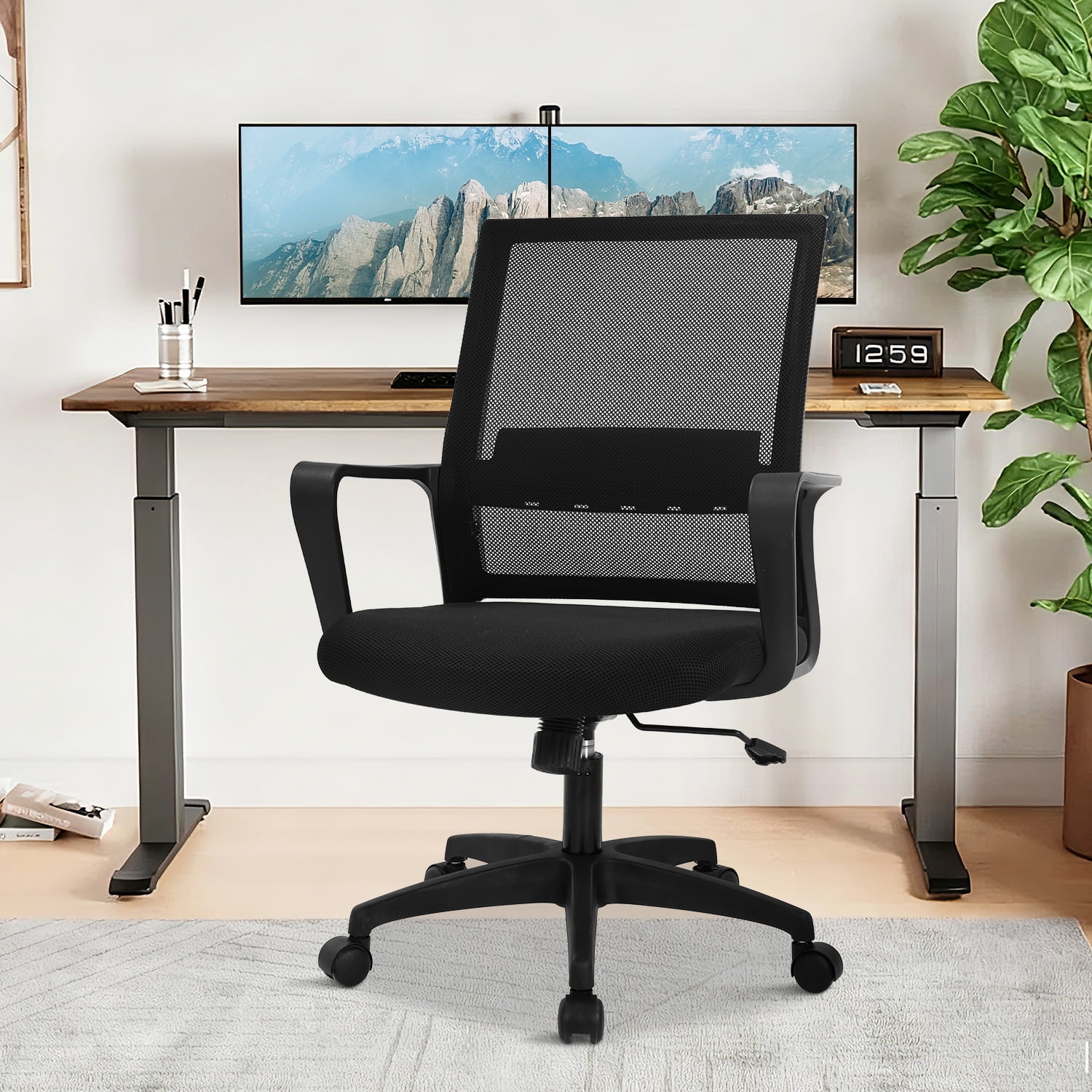
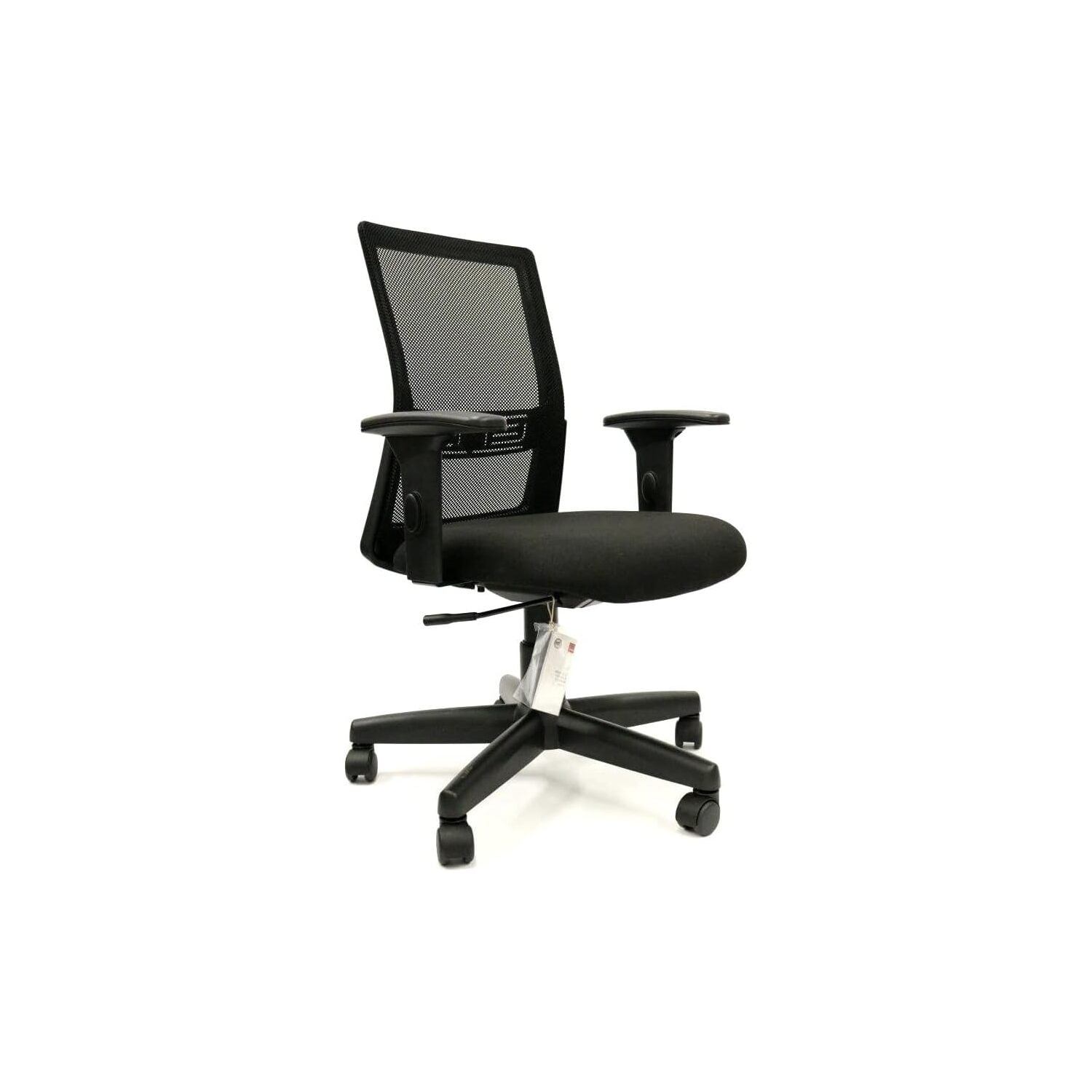
| Mid-Back Task Chair | Shorter sessions, active movement | Lightweight, easier to adjust, good arm support options | Less upper back support |
| Bariatric / Heavy-Duty | Wider seat, higher weight capacity | Extra stability, reinforced frame, often wider armrests | May be heavier to move |
| Riser / Lift Chair | Those with severe mobility issues | Power lift mechanism tilts chair forward to assist standing | Higher cost, requires power outlet |
Safety & Accessibility Considerations
Safety Checklist for an Older Person's Office Chair
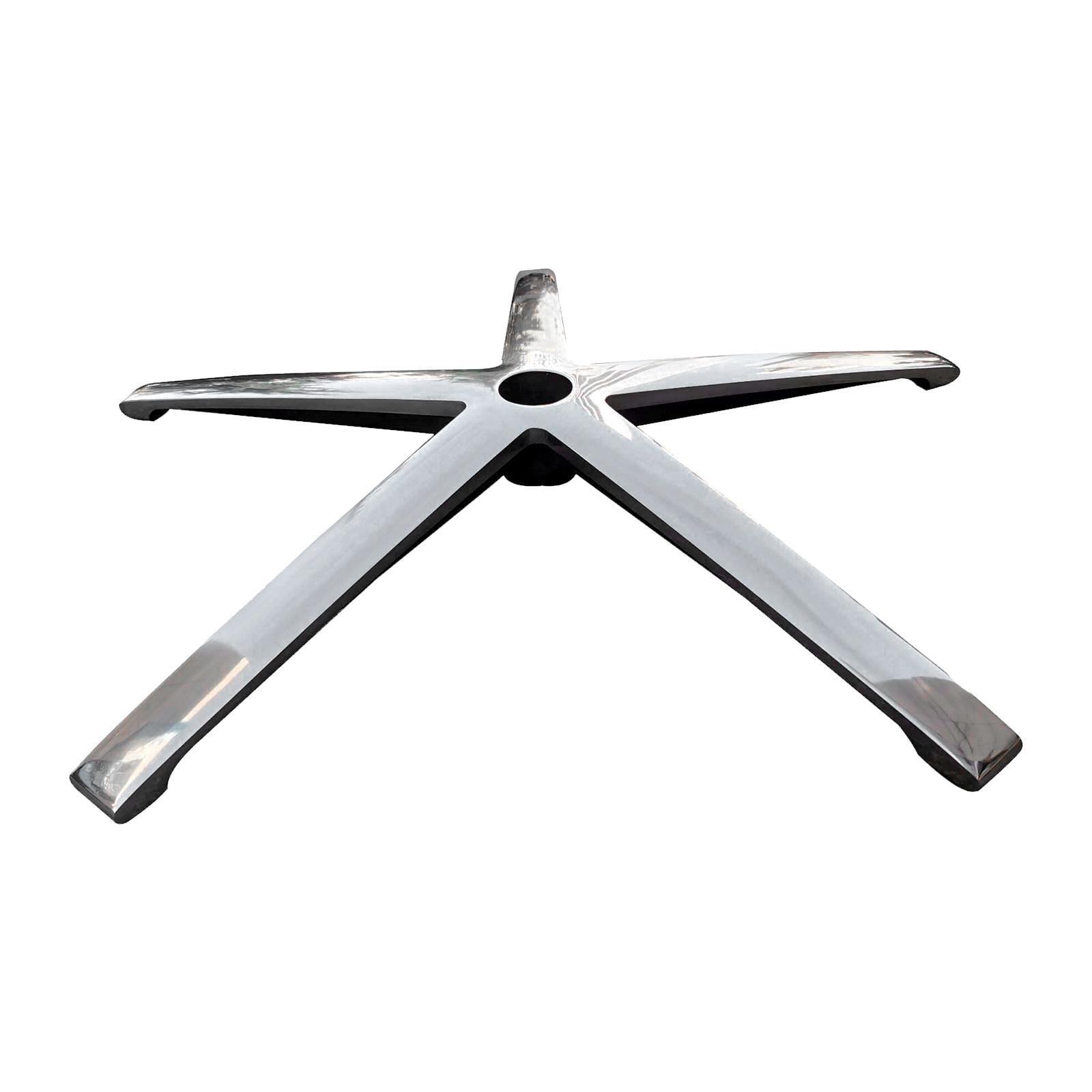
- ✅ Base Stability: Five-star base for anti-tip security.
- ✅ Armrest Strength: Test if armrests can support full body weight when standing.
- ✅ Seat Depth: Should leave 2-3 fingers width between the back of the knee and seat edge.
- ✅ Ease of Cleaning: Choose materials that are easy to wipe (e.g., leather, high-quality vinyl or stain-resistant fabric).
- ✅ No Sharp Edges: Rounded corners reduce injury risk.
Health Benefits: Why the Right Chair Matters
Joint Pain Relief
Proper lumbar support and padded armrests reduce stress on hips, knees, and spine, minimizing arthritis discomfort during prolonged sitting.
Improved Circulation
Waterfall seat design and correct seat height prevent blood pooling in the legs, reducing the risk of deep vein thrombosis (DVT).
Fall Prevention
Stable base, appropriate height, and supportive armrests provide a safe transfer in and out of the chair.
Enhanced Independence
Easy-to-use adjustments mean seniors can customize the chair without needing assistance, promoting autonomy.
Step-by-Step Selection Guide for Caregivers & Seniors
1. Assess Physical Needs & Mobility Level
- Independent with minor stiffness: Focus on adjustable lumbar and padded seat.
- Requires standing assistance: Prioritize chairs with fixed, wide armrests or consider a lift-assist model.
- Wheelchair transfer: Look for chairs with removable arms or height that aligns with wheelchair level.
2. Measure the Workspace & Chair Dimensions
- Seat width: Should accommodate hips with at least 1 inch on each side.
- Seat height range: Ensure it allows feet flat on floor while maintaining thigh support.
- Clearance under desk: Check that chair arms slide under the desk if needed.
3. Test Controls & Accessibility
- Are levers easy to reach while seated?
- Is the tilt tension adjustable without excessive force?
- Can the user rotate or move the chair without resistance?
4. Consider Long-Term Durability & Warranty
- Opt for chairs with a minimum 5-year warranty on frame and moving parts.
- Look for high-grade materials that resist wear, stains, and fading.
Expert Tip: Whenever possible, have the older person test the chair for at least 20 minutes. Pay attention to how easily they can stand up, whether the back support feels natural, and if any pressure points develop. A chair that feels comfortable in the first few minutes may not be ideal for extended use.