
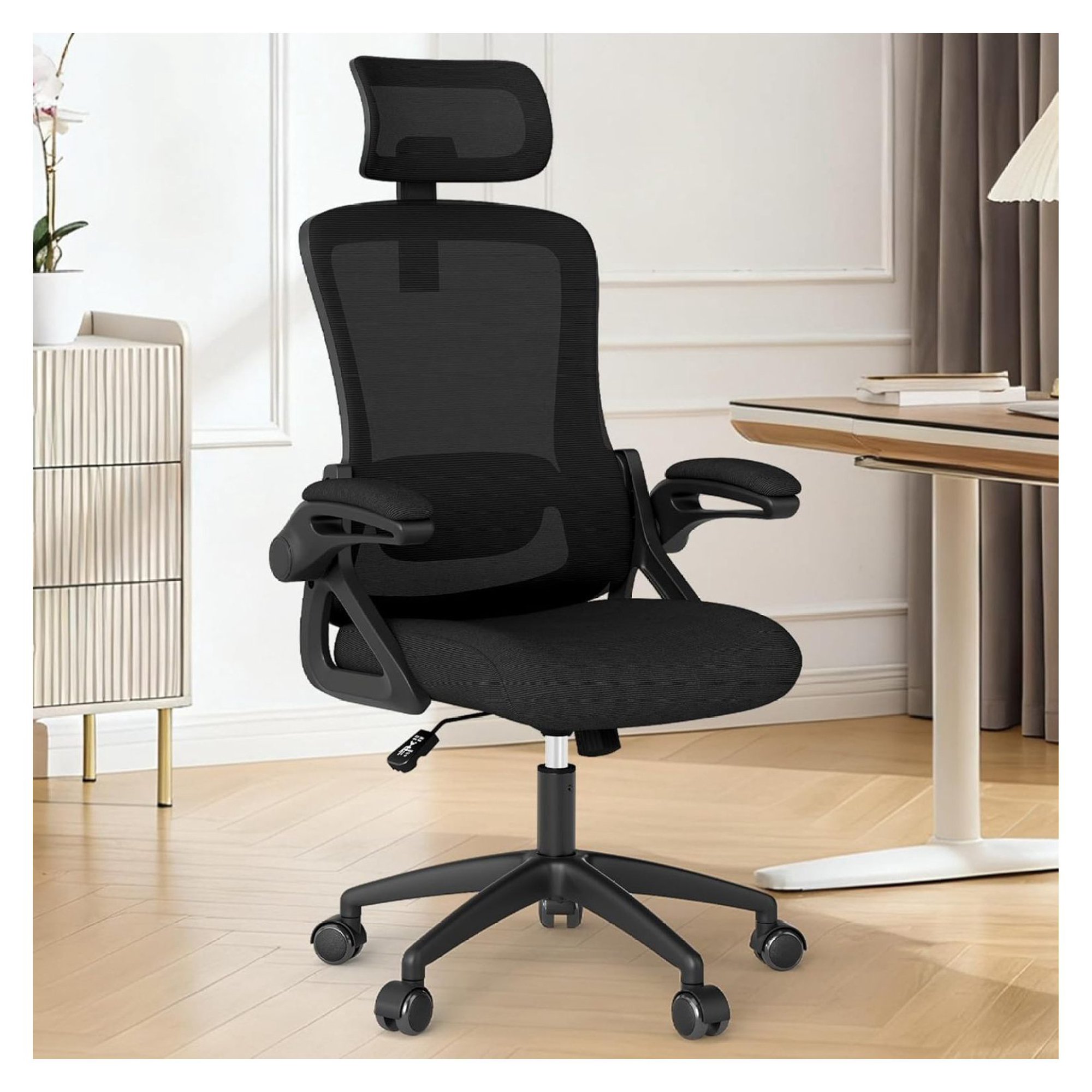
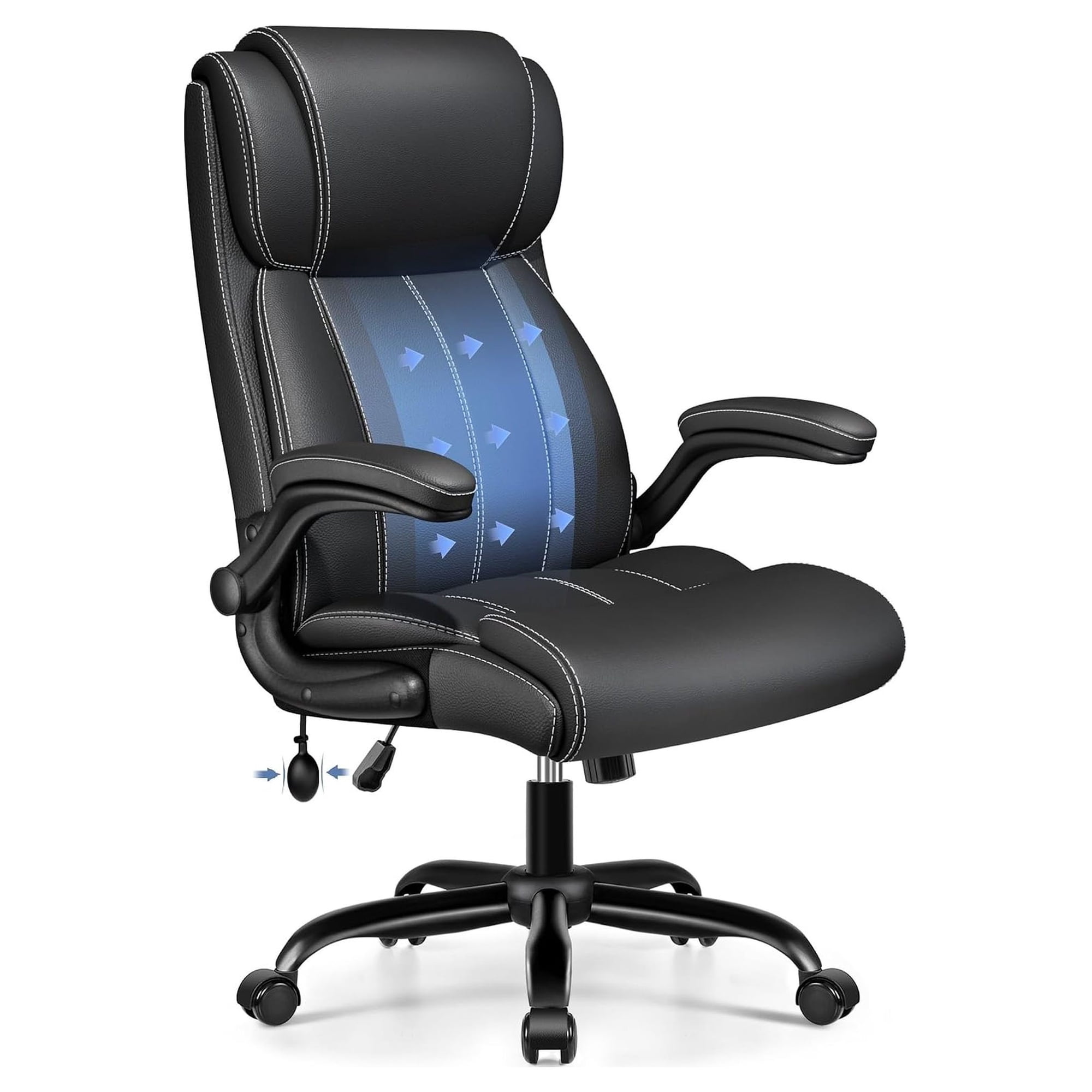
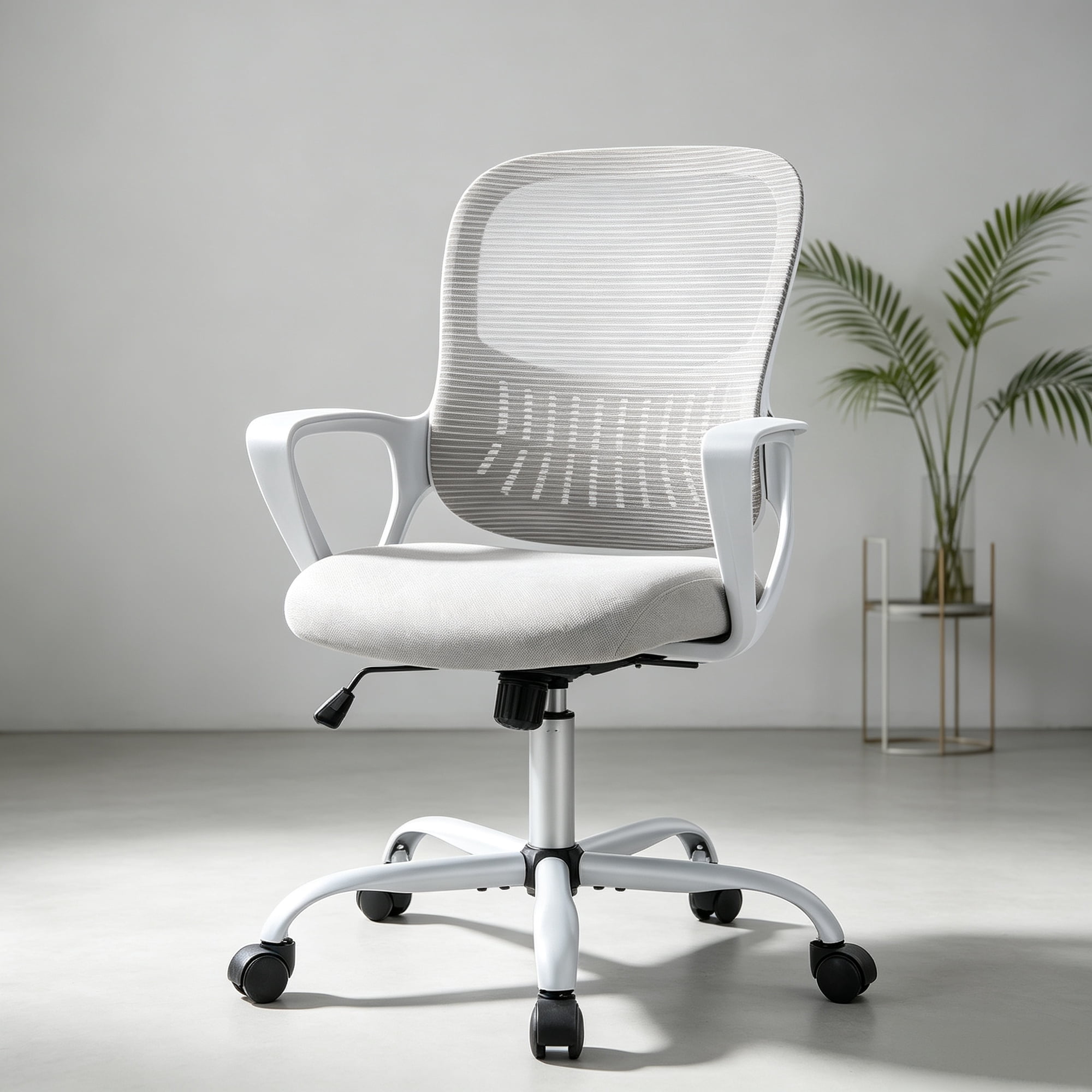
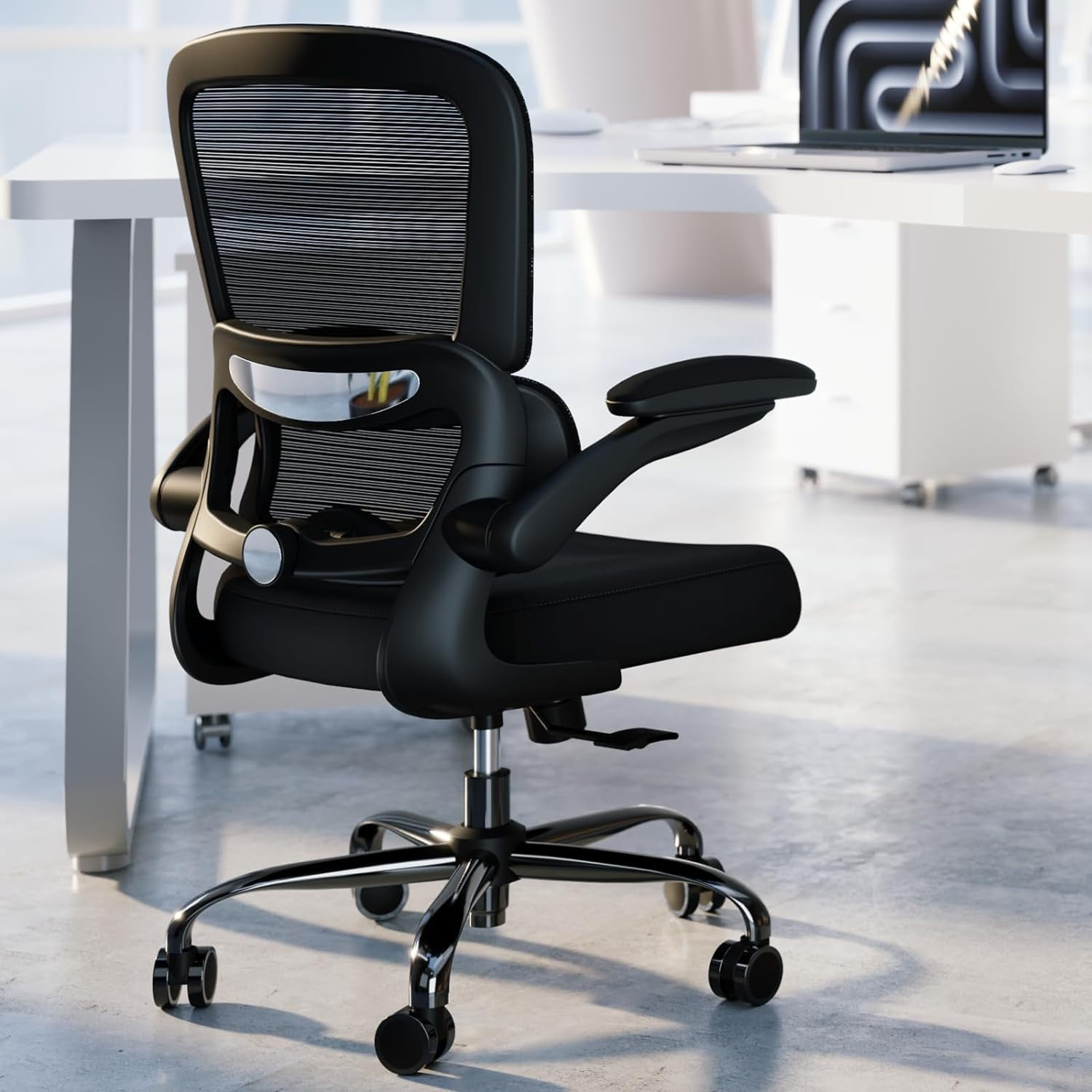
The Definitive Guide to a Good Office Chair With Lumbar Support
In the modern workplace, the line between 'sitting' and 'suffering' is often determined by the quality of your office chair. If you've ever experienced a dull ache in your lower back after a long day at your desk, you know exactly what we're talking about. This is where a good office chair with lumbar support becomes an essential tool, not just a piece of furniture.
Lumbar support is the unsung hero of ergonomic seating. It refers to the inward curve of your lower spine (the lumbar region) that needs proper support to maintain good posture. Without it, your back muscles are forced to work overtime to keep you upright, leading to fatigue, pain, and long-term spinal issues. This guide will walk you through everything you need to know to find the perfect chair that supports your back and your productivity.
The Anatomy of a Supportive Chair
Finding a good office chair with lumbar support isn't just about picking the one with the best cushion. It's about understanding the key components that work together to create a healthy sitting experience. Here are the critical elements you should evaluate:
- Adjustable Lumbar Mechanism: This is the heart of the chair. The best lumbar support isn't static; it can be adjusted both in height (to match the curve of your spine) and depth (how much it pushes into your back). Look for a chair that offers at least 2D lumbar adjustment.
- Seat Depth and Angle: A seat that is too short or too long can cause poor posture. A good chair allows you to slide the seat pan forward or backward to ensure there are 2-3 fingers of space between the edge of the seat and the back of your knees.
- Adjustable Armrests: While often overlooked for back support, armrests play a crucial role. Properly adjusted armrests take the weight off your shoulders and upper back, allowing your spine to relax into the lumbar support. Look for 3D or 4D armrests that move up/down, in/out, and pivot.
- High-Back Design: A high back supports your entire spine, but it's the lumbar region that is the most critical. A good high-back chair with an independent lumbar support mechanism offers the best of both worlds: full back support and targeted lower-back care.
Choosing the Right Material for Your Lumbar Chair
The material of your office chair doesn't just affect its aesthetic; it also influences comfort and breathability, which indirectly impact your back health by preventing you from getting too hot or uncomfortable.
Ergonomic Mesh
- Breathability: Excellent air circulation keeps you cool, preventing sweat and discomfort that can lead to fidgeting and poor posture.
- Flexible Support: Quality mesh contours to the shape of your back, providing dynamic support as you move.
- Lightweight: Easier to move around.
High-Quality Fabric or Leather
- Premium Feel: Offers a more luxurious and professional look.
- Durability: High-grade leather can last a very long time with proper care.
- Temperature: Can retain heat, which might be less ideal for long sitting periods.
Step-by-Step: How to Test a Lumbar Support Chair
Here’s a simple yet effective method to ensure the chair you're considering provides the support you need, whether you're shopping online or in a physical store.
- Check the fit: Sit with your back flat against the backrest. Ensure the lumbar support aligns naturally with the curve of your lower back.
- Adjust the lumbar: If the support is adjustable, play with the height and depth until you feel a gentle, even pressure against your lower back. It shouldn't be painful but should feel like a 'helping hand' holding you upright.
- Simulate work: Lean back in the chair. Does the lumbar support stay in contact with your back, or does it slide away? A good chair will follow your movement.
- Test the recline: Use the tilt-tension feature. The recline shouldn't feel too loose or too stiff, allowing you to lean back without straining your lower back.
Top Lumbar Support Features in an Office Chair
To help you navigate the technical specs, here is a quick reference table of the most important lumbar support features to look for in a good office chair.
| Feature | What It Does | Why It's Important |
|---|---|---|
| Height-Adjustable Lumbar | Allows the support to move up or down to align with the curve of your spine. | Ensures the support is in the exact right spot for your individual body type. |
| Depth-Adjustable Lumbar | Controls how far the support pushes into your back. | Provides a customizable level of pressure, preventing over- or under-support. |
| Dynamic Lumbar | The support mechanism adjusts automatically as you move. | Offers constant support no matter your sitting position or activity. |
| Synchro-Tilt Mechanism | Allows the seat and backrest to recline in a coordinated manner. | Maintains proper lumbar support even in a reclined position, reducing pressure on the spine. |
Conclusion & Next Steps
Investing in a good office chair with lumbar support is one of the most impactful decisions you can make for your health and productivity. By understanding the anatomy of a great chair and knowing what to look for, you can transform your workspace from a source of pain into a place of comfort and efficiency. Remember to prioritize adjustability, test the chair's feel, and consider your personal workflow.
Browse our top recommendations above and start your journey toward a more comfortable and healthier work life today.