
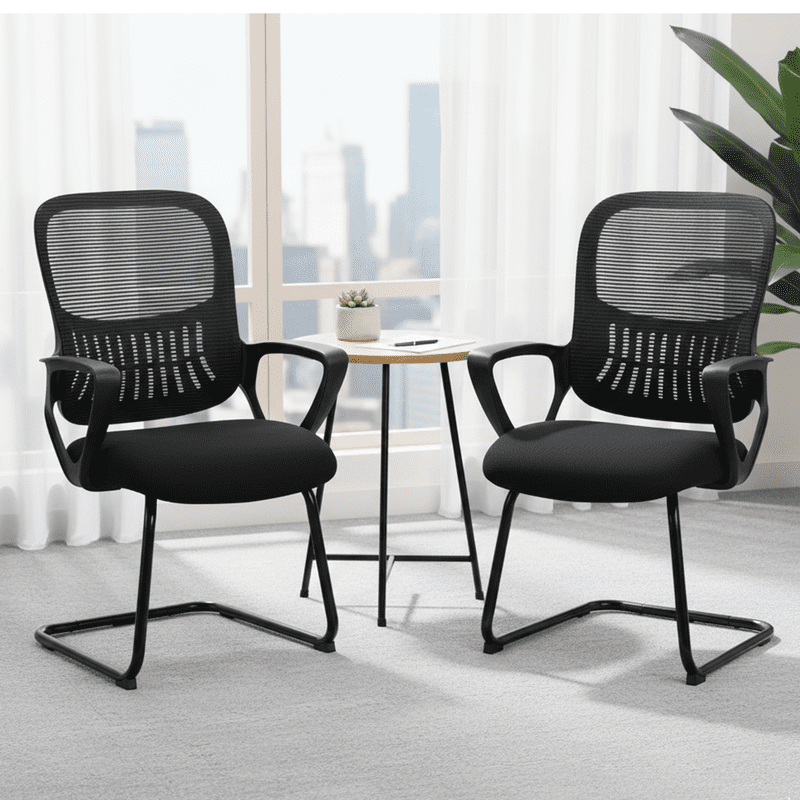
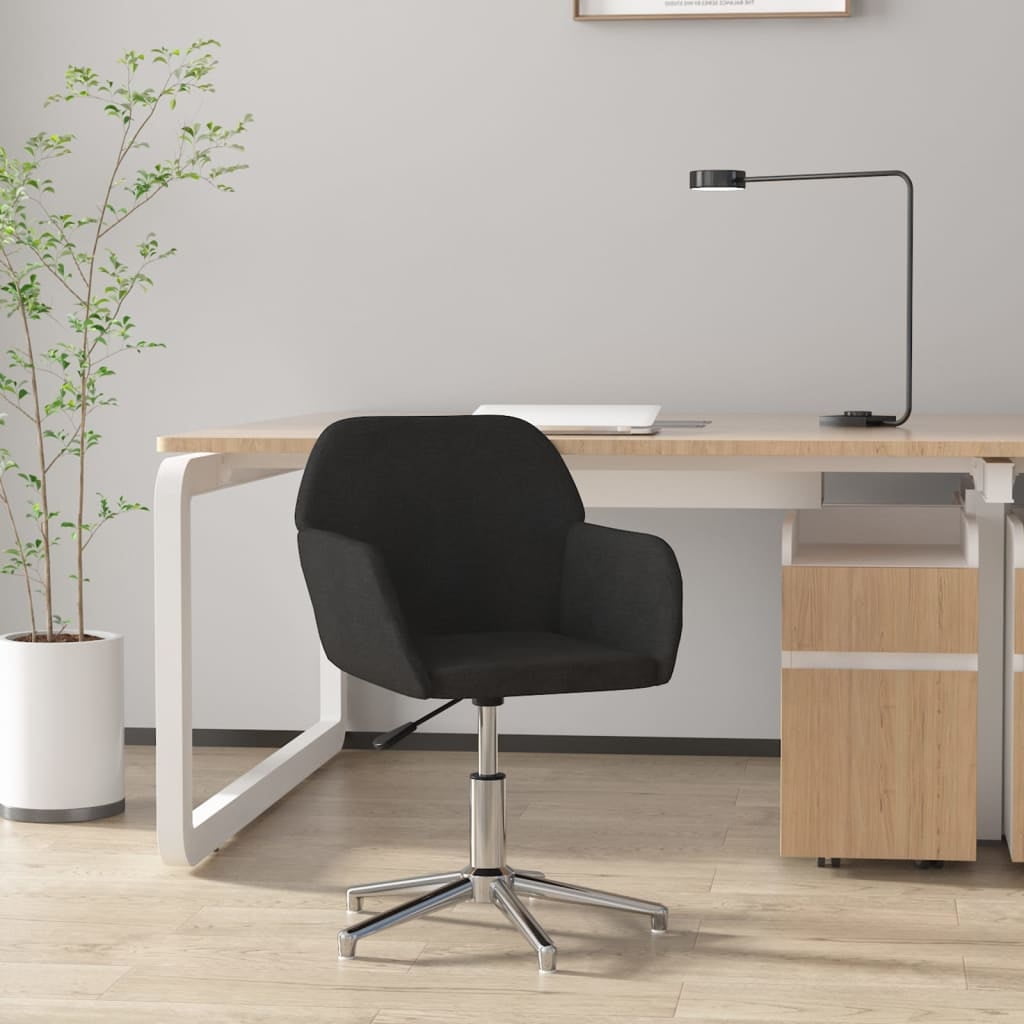
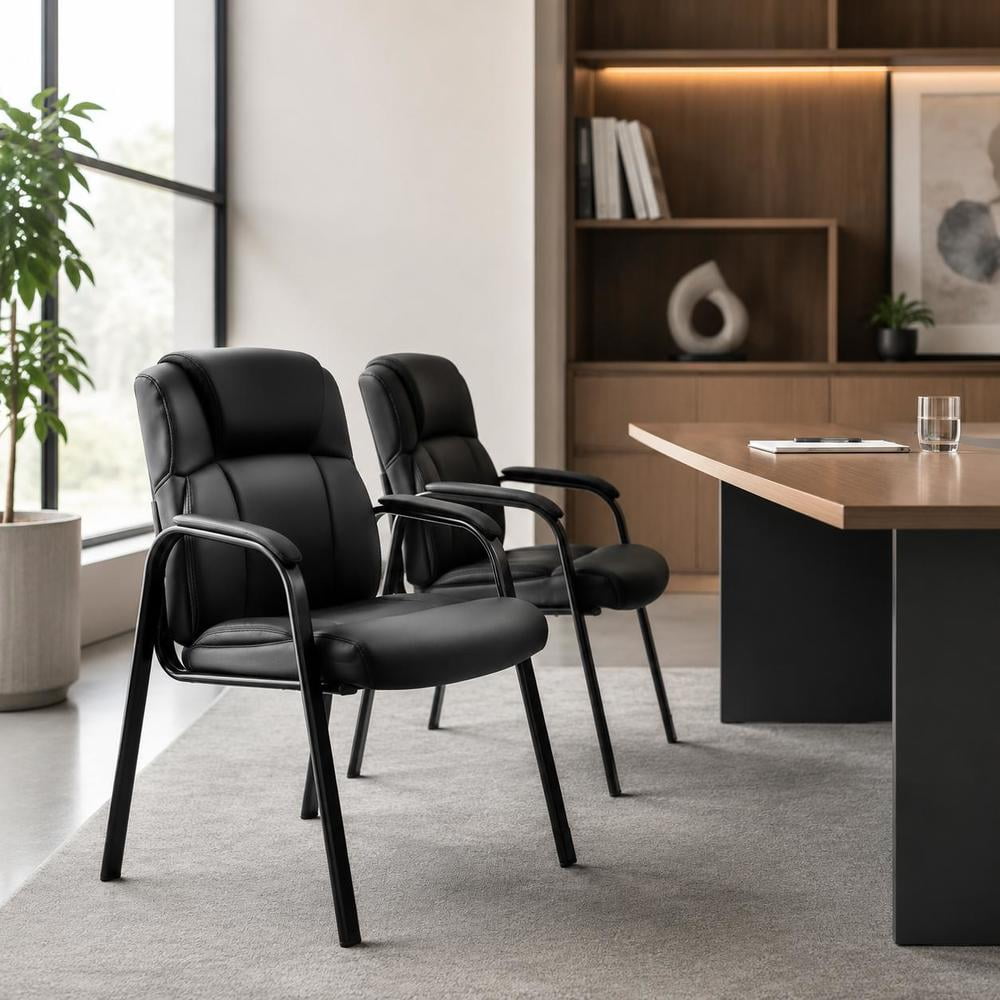
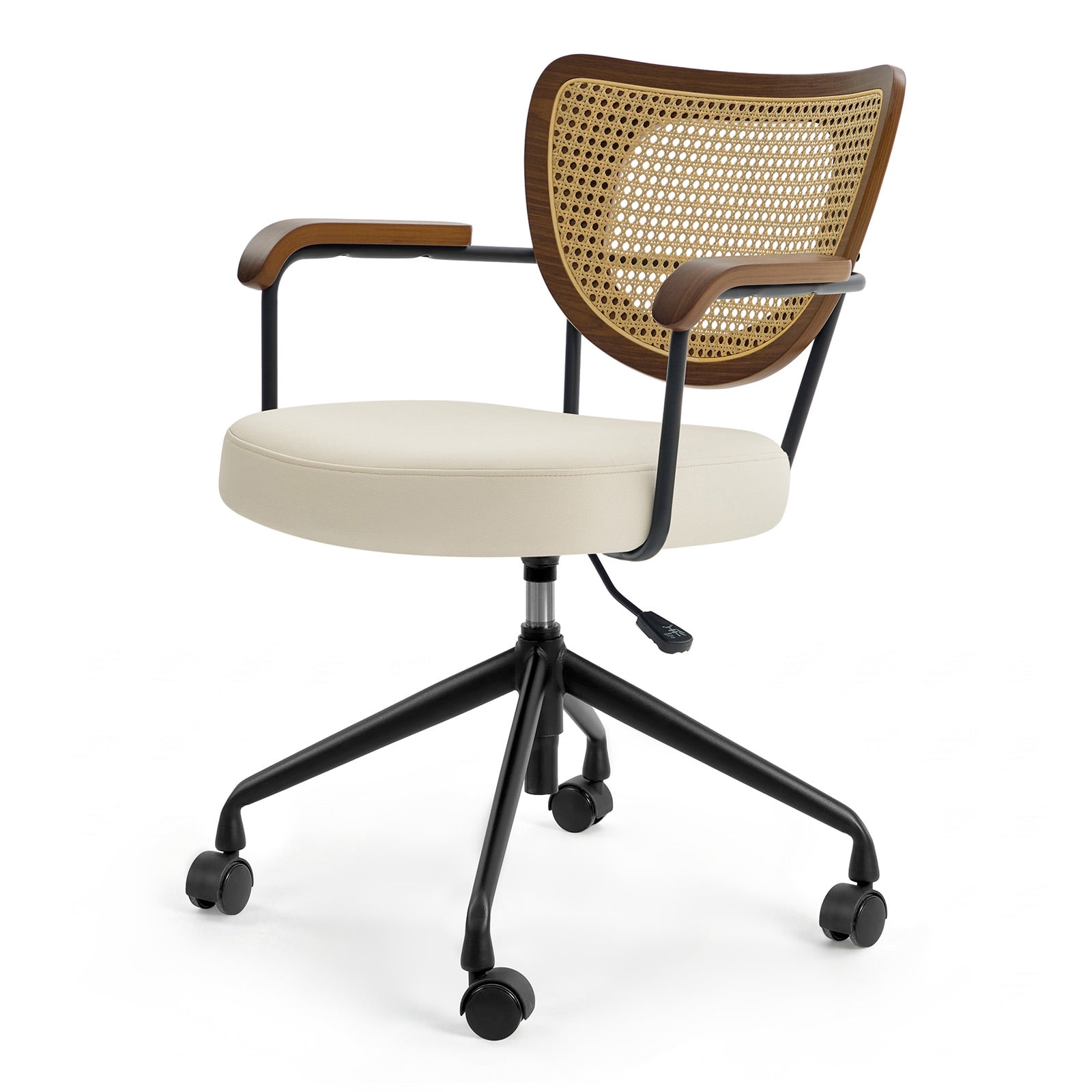
Why Switch to an Office Chair Without Wheels and Arms?
Imagine a chair that stays exactly where you place it—no drifting across the floor during intense brainstorming, no arms obstructing your guitar practice or close desk work. A office chair without wheels and arms offers exactly that: stability, freedom, and intentional ergonomics. Whether you're setting up a minimalist home office, a drafting studio, or a standing-desk environment, these chairs provide a robust foundation for productivity.
Insight: According to a 2023 workspace study, 68% of remote workers reported that rolling chairs caused distractions or required constant repositioning. Stationary seating helped them maintain focus and reduced physical fidgeting by 35%.
Key Features of Armless & Wheel-Free Office Chairs
These specialized chairs are designed for specific needs. Here's what sets them apart:
- Fixed Base (No Casters): Provides exceptional stability on hardwood, carpet, or rugs — no unexpected movement.
- Armless Design: Allows unrestricted lateral movement, perfect for musicians, artists, or using a wide desk.
- Pneumatic Height Adjustment: Even without wheels, you get full height range to align with standing desks or traditional desks.
- Ergonomic Seat Contour: High-density foam and waterfall edge reduce pressure on legs during long sitting sessions.
- 360-Degree Swivel: Most stationary models still swivel freely for easy reach across your workspace.
Choosing the Right Stationary Armless Chair
Not all chairs without wheels are created equal. Use this guide to find the perfect match:
| Feature | Why It Matters | What to Look For |
|---|---|---|
| Base Construction | Stability & durability for non-rolling use | Steel or aluminum base with non-slip glides or felt pads to protect floors |
| Seat Padding & Depth | Comfort for extended hours without wheels to reposition | At least 4 inches of high-resilience foam; seat depth adjustable 16-20 inches |
| Back Support | Prevents slouching, especially without armrests to lean on | Contoured backrest with built-in lumbar curve; mid or high-back options |
| Weight Capacity | Ensures long-term structural integrity | 300 lbs minimum; heavy-duty up to 500 lbs for commercial use |
| Swivel Mechanism | Enables easy rotation without rolling | Smooth 360° ball-bearing swivel, quiet operation |
Health & Posture Benefits of Armless Stationary Seating
Removing wheels and arms creates a unique sitting dynamic that actively engages your core and encourages micro-movements. Here are the top wellness advantages:
Core Engagement
Without armrests, you rely on your core muscles for stability, strengthening your midsection naturally throughout the day.
Improved Shoulder Mobility
Armless chairs allow full range of motion for typing, drawing, or playing instruments, reducing shoulder tension.
Better Posture
Fixed base eliminates the temptation to lean or roll sideways, promoting an upright spinal alignment.
Reduced Distractions
No casters means no sudden rolling or chasing the chair, helping you stay immersed in deep work.
Material & Design Deep Dive: Build Quality That Lasts
Because an office chair without wheels doesn't rely on casters for movement, the quality of materials and base design becomes even more critical. Let's compare the most popular material choices.
Upholstery Options for Armless Stationary Chairs
Advantages of Breathable Mesh
- Airflow: Ideal for warm environments or long sessions.
- Lightweight: Easy to reposition manually.
- Modern Look: Sleek and professional.
- Low Maintenance: Wipes clean easily.
Considerations for Fabric/Upholstery
- Comfort & Warmth: Softer feel, retains heat.
- Durability: High-density fabric can last 8-12 years.
- Stain Resistance: Opt for treated fabrics if near food/drinks.
- Noise: Silent movement, no squeaky leather.
Base & Glide Technology: Protecting Your Floors
Unlike rolling chairs, stationary models often use glides or felt pads. High-end versions feature self-leveling glides that adjust to uneven floors, ensuring no wobble. If you have hardwood or delicate flooring, look for chairs with rubberized or felt glides to prevent scratches.
Pro Tip: Some stationary chairs come with an integrated foot ring or a slight rocking mechanism to add subtle movement while keeping the base fixed—ideal for active sitters.
Who Needs an Office Chair Without Wheels and Arms?
While anyone can benefit, certain professionals and environments find these chairs indispensable:
- Musicians & Artists: Armless design allows unrestricted arm movement for playing guitar, violin, drawing, or painting.
- Home Office Minimalists: Clean, stable footprint enhances modern decor without bulky rolling mechanisms.
- Standing Desk Users: Easy to slide under desk when standing, and stays put without bumping into the desk base.
- Small Spaces: No wheels means no need for a large floor clearance; fits snugly in compact corners.
- Reception & Guest Areas: Professional and inviting, with no risk of rolling away.
Step-by-Step Selection Guide: Your Ideal Stationary Armless Chair
Step 1: Measure Your Workspace & Desk Height
Measure the distance from the floor to the underside of your desk. Your chair's height range (typically 16-22 inches) must allow your elbows to rest at 90 degrees when typing. Without armrests, proper desk alignment becomes even more critical.
Step 2: Decide on Back Support Style
• Low-back (mid-back): Offers core freedom, supports lower spine.
• High-back: Provides full back and neck support, ideal for all-day sitting.
Choose based on how much upper body support you need.
Step 3: Assess Comfort Materials
Test different seat densities. For 6+ hours of sitting, prioritize high-resilience foam (HR foam) or memory foam toppers. Mesh seats provide ventilation but may need extra padding for tailbone comfort.
Step 4: Evaluate Base & Floor Protection
Check whether the base has integrated glides. Nylon glides are durable; felt pads are gentle on hardwood. Ensure the base is wide enough (at least 23 inches) to prevent tipping.
Frequently Asked Questions About Office Chairs Without Wheels and Arms
Conclusion: Elevate Your Workspace with Intentional Seating
Choosing an office chair without wheels and arms is a decision rooted in purpose—whether for focused productivity, creative expression, or a clean aesthetic. The right model offers the stability of a fixed base with the ergonomic sophistication of modern seating. By considering materials, base design, and support levels, you can find a chair that not only complements your office but also enhances your well-being.
Final Recommendations by Use Case
Choose a high-back armless chair with breathable mesh and swivel function — allows full movement while painting, designing, or music production.
Opt for a sleek fabric or bonded leather model with a compact footprint and height-adjustable gas lift. Prioritize a waterfall seat edge.
Look for a lightweight stationary chair with easy-glide felt pads, so you can slide it under the desk without effort. Mid-back works well for quick transitions.