
Why Your Office Chair Needs Special Casters for Hardwood Floors
Hardwood floors are a timeless investment that adds warmth and elegance to any home office or executive suite. However, traditional office chair casters can turn this beautiful flooring into a scratched, dented, and noisy headache. Standard hard plastic wheels are designed for carpet, and they act like tiny chisels on delicate hardwood surfaces.
Floor Care Insight: Studies show that replacing standard casters with polyurethane or rollerblade-style wheels reduces floor abrasion by over 90% and decreases rolling noise by up to 70%. For executives and remote professionals, this means a quieter, more professional environment and preserved property value.
Understanding Hardwood Floor Casters: The Technology Behind Protection
The secret to a truly floor-friendly office chair lies in the caster material and design. Let’s break down the key technologies that make these wheels safe for your floors:
- Soft Polyurethane (PU) Treads: Unlike hard nylon or plastic, PU casters are soft and slightly elastic. They grip the floor without scratching and absorb vibrations for a quieter roll. The material is also non-marking, ensuring no black streaks on your flooring.
- Rollerblade-Style Wheels: These feature a wider, single-wheel design that distributes weight more evenly across a larger contact patch. This reduces point pressure that can cause permanent dents in hardwood. The smooth bearings also provide effortless gliding.
- Dual-Wheel vs. Single-Wheel: Dual-wheel casters are common but can trap debris. High-quality single-wheel rollerblade casters are often superior for hardwood because they are easier to clean and offer more stability.
- Stem Type & Installation: Most hardwood-safe casters use a standard "grip ring" or "stem" that fits nearly all office chairs. This allows for easy DIY upgrades without tools.
Top Benefits of Choosing the Right Chair & Caster Combination
1. Floor Preservation
Eliminate scratches, scuffs, and pressure dents that degrade the finish and value of your flooring. Soft casters ensure your floor looks pristine for years.
2. Noise Reduction
Enjoy a whisper-quiet workspace. No more clattering wheels that disturb video calls or family members. Perfect for shared home offices and open-plan executive spaces.
3. Superior Mobility
Glide effortlessly from your desk to the filing cabinet. Premium casters with sealed bearings require less force to move, reducing strain on your body when repositioning.
4. Enhanced Stability
Wider wheel profiles and soft materials provide better grip, preventing unwanted sliding while seated. You get both mobility when needed and stability when working.
How to Select the Ideal Office Chair with Hardwood Floor Casters
When shopping for a new chair or upgrading your current one, these criteria will guide you to the perfect match for your floors and your body:
| Caster Type | Floor Suitability | Best For | Key Advantage |
|---|---|---|---|
| Soft Polyurethane Dual-Wheel | Excellent for hardwood, laminate, tile | Standard office chairs, moderate weight | Cost-effective, widely available, smooth rolling |
| Rollerblade (Single-Wheel PU) | Superior for all hard surfaces, especially delicate floors | Heavy-duty chairs, executive models, high-traffic use | Maximum weight distribution, extreme durability, ultra-quiet |
| Hard Plastic / Nylon | Poor (high scratch risk) | Carpeted floors only | Avoid for hardwood; not recommended |
| Rubber-Coated | Good, but may attract dust | High-end designer chairs | Excellent grip, but requires regular cleaning |
💡 Pro Tip: If you already own a perfect ergonomic chair that you love, don't replace it! Measure your caster stem diameter (standard is 7/16" or 11mm) and purchase a set of high-quality polyurethane or rollerblade casters. This simple upgrade can save you hundreds of dollars and instantly make your chair floor-safe.
Ergonomics Meets Floor Protection: What to Look For
Beyond casters, a great office chair must support your posture during long work hours. Here’s how to balance ergonomics with floor safety:
- Seat Height & Cylinder: Ensure the chair has a Class 3 or Class 4 gas lift to accommodate your desk height. Pair this with casters that have a low rolling resistance so height adjustments feel natural.
- Lumbar Support: A chair with adjustable lumbar support reduces fatigue. When you're comfortable, you move less, which indirectly reduces the wear on your floors from constant repositioning.
- Base Material: Look for a sturdy aluminum or reinforced nylon 5-star base. A stable base combined with high-quality casters prevents tipping and ensures smooth weight distribution across all wheels, protecting the floor from concentrated pressure points.
- Weight Capacity: For hardwood floors, it’s crucial that the chair’s weight capacity matches the user. Overloading a chair can cause casters to compress unevenly, increasing the risk of floor marks. Choose chairs with a higher capacity than needed for safety and floor preservation.
Maintenance Tips for Long-Lasting Floors & Casters
📌 Routine Care Checklist:
- Weekly Cleaning: Use a soft brush or vacuum to remove dust and grit from casters. Even soft wheels can trap debris that acts like sandpaper.
- Monthly Inspection: Check for hair or thread wrapped around caster axles and remove it with scissors. Buildup can impede rolling and cause uneven friction.
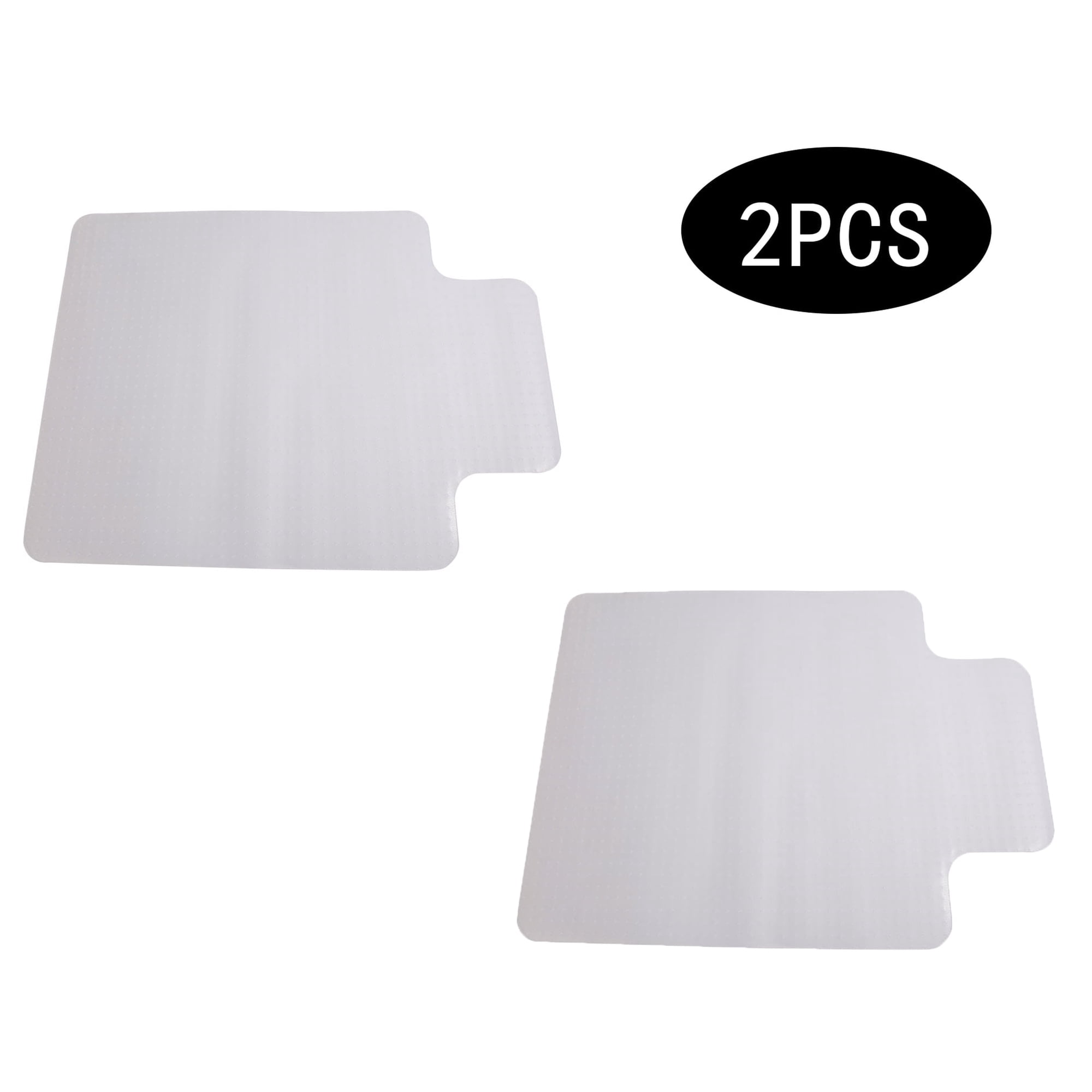
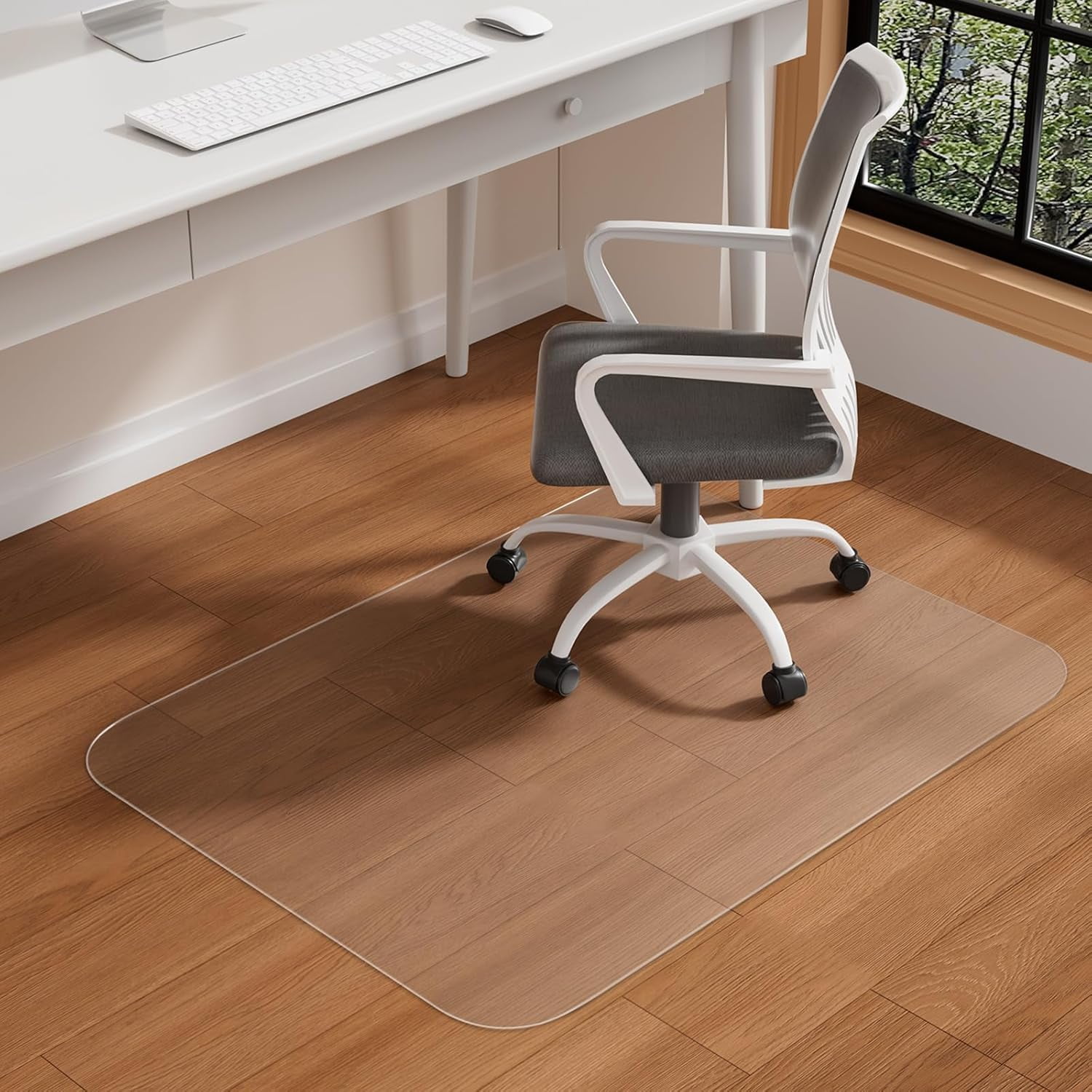
- Floor Mats: For extremely heavy chairs or if you’re particularly cautious, consider a clear polycarbonate chair mat designed for hard floors. It adds an extra layer of protection while maintaining the aesthetic.
- Wipe Casters: Occasionally wipe casters with a slightly damp microfiber cloth to remove residue that could transfer to floors.