
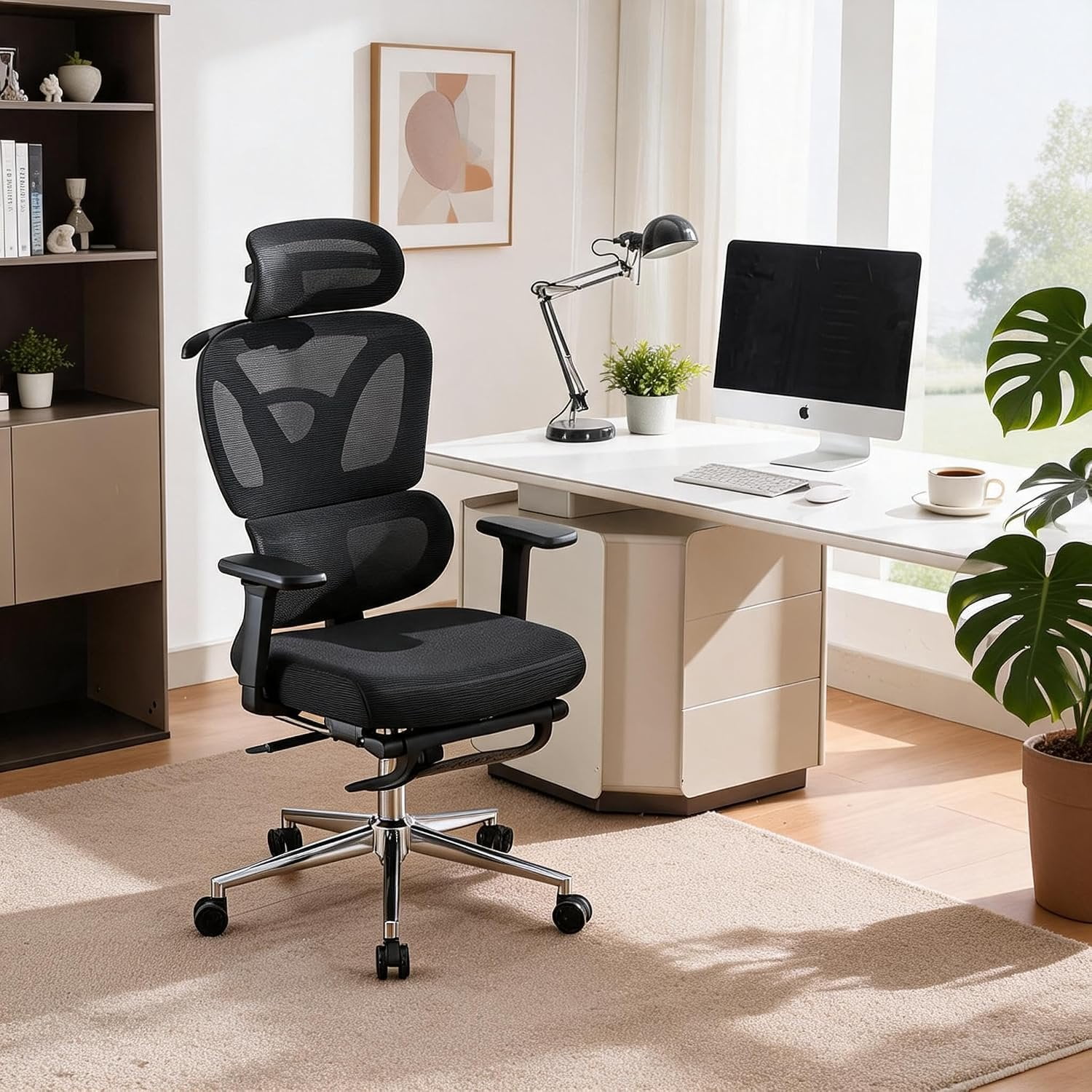
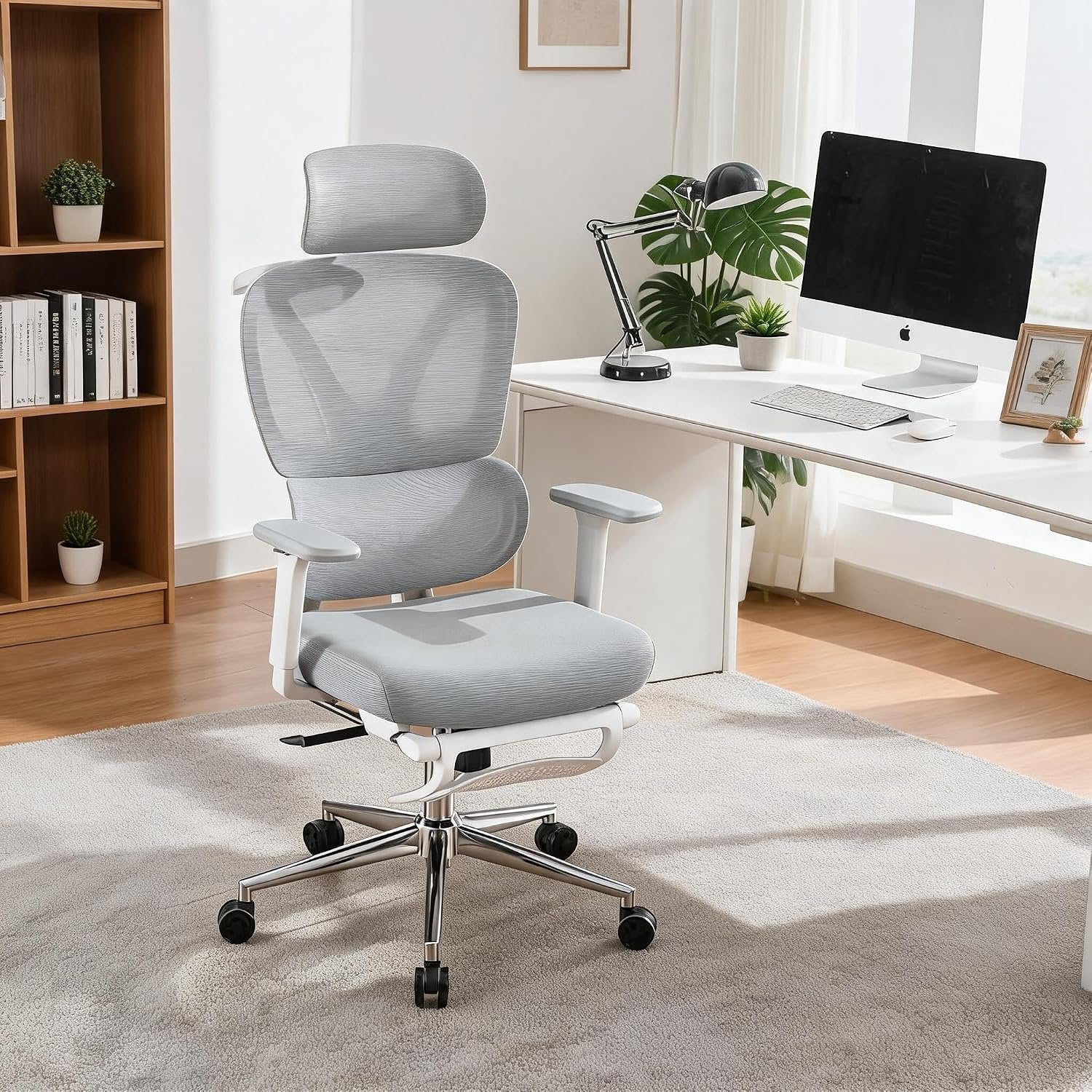
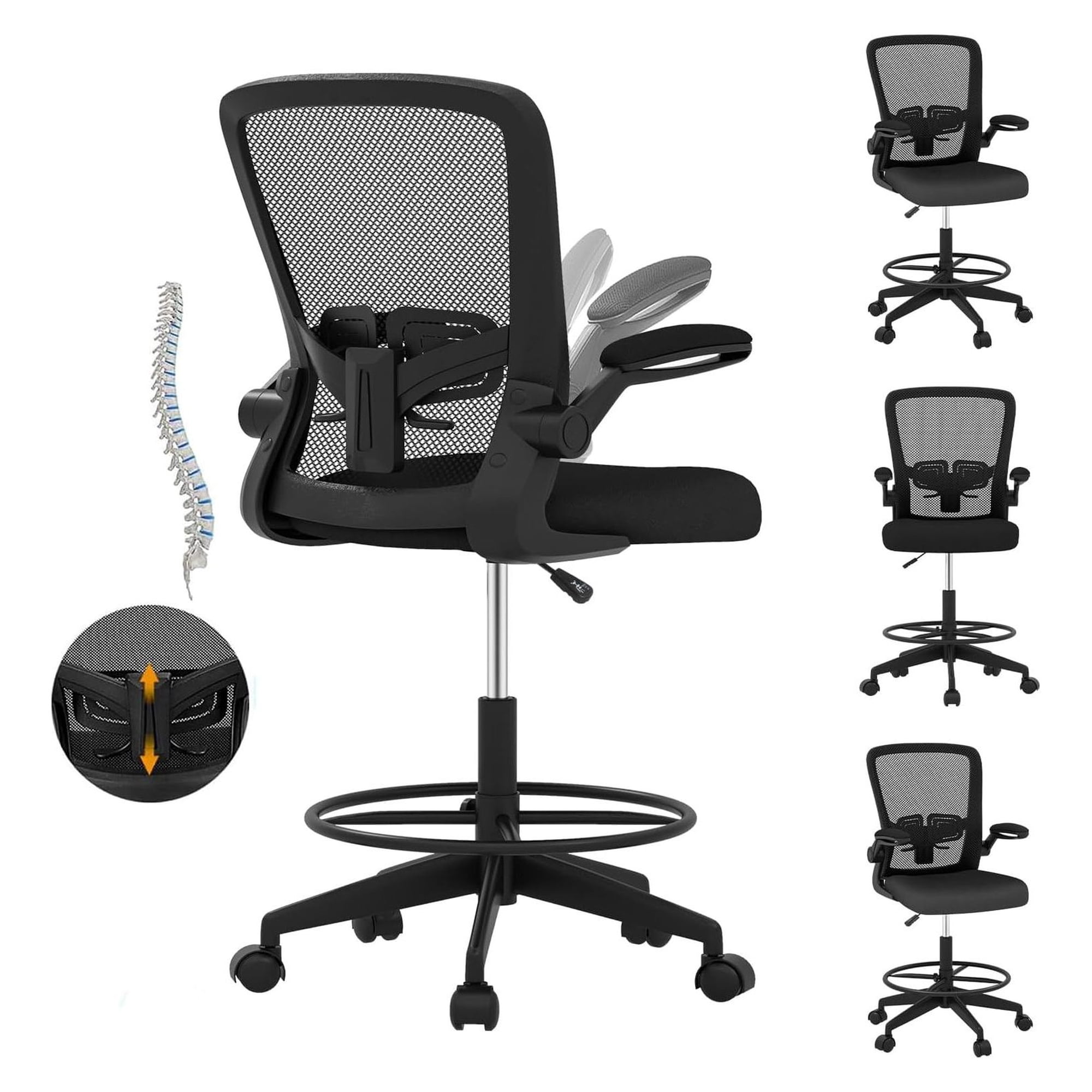
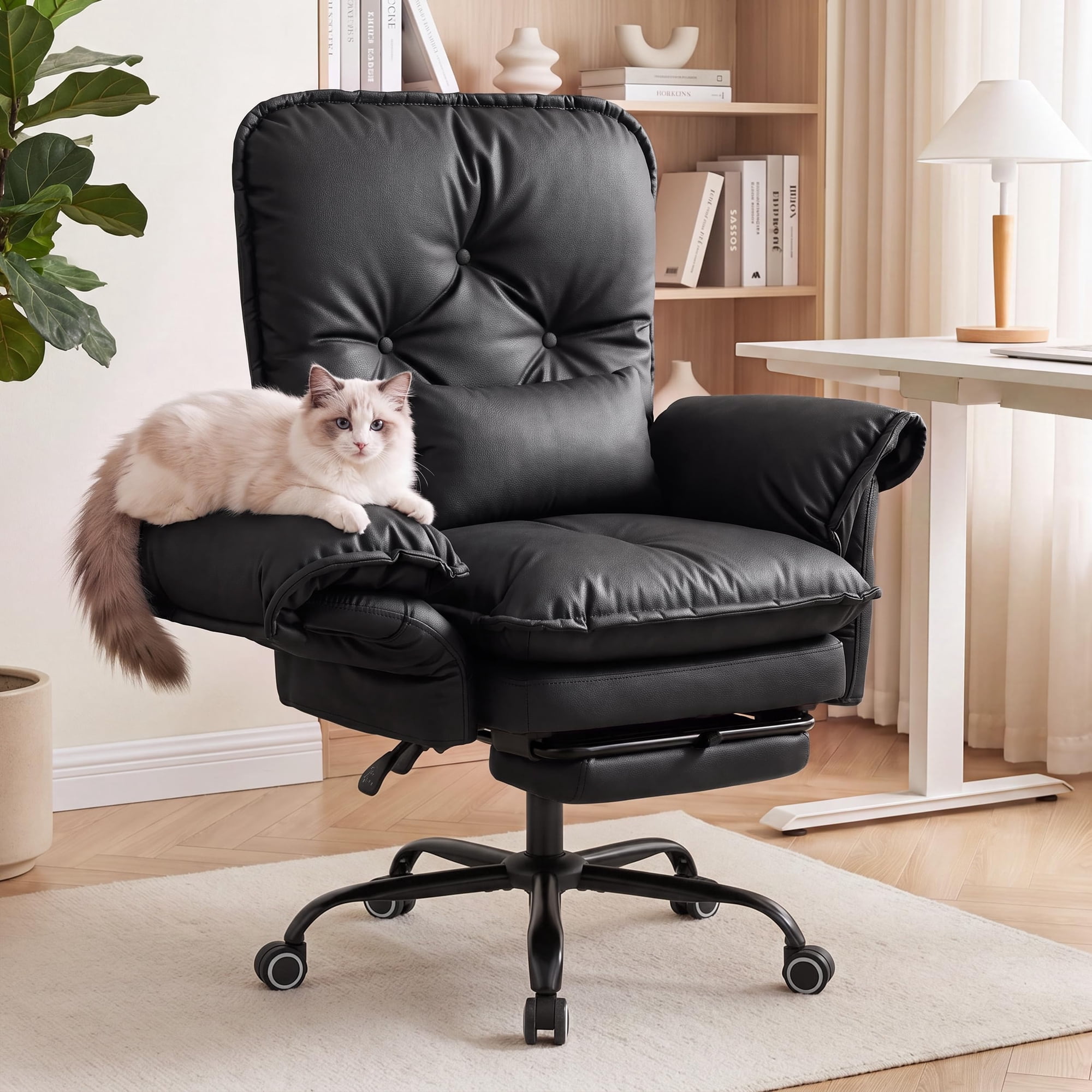
Why an Adjustable Footrest Transforms Your Sitting Experience
Imagine your ideal workday: you're focused, productive, and physically comfortable. Now, picture the missing piece—an office chair that doesn't just support your back but actively cares for your legs and circulation. That's the power of an office chair with adjustable footrest. More than a luxury, it's a functional upgrade that addresses one of the biggest challenges of sedentary work: lower body fatigue and poor circulation.
Ergonomic Insight: Studies from the Human Factors and Ergonomics Society indicate that using a supported footrest can reduce lower back muscle activity by up to 25% and increase perceived comfort by 38% during prolonged sitting. When the footrest is integrated and adjustable, users report significantly less leg swelling and fidgeting.
Key Features That Define Premium Chairs with Footrests
Not all chairs with footrests are created equal. To get the most benefit, look for these critical features that separate high-performance models from basic alternatives:
- Retractable & Multi-Angle Footrest: Allows you to deploy support only when needed, preserving a professional appearance during meetings while providing relief during focused work or breaks.
- Synchronized Tilt Mechanism: Premium chairs link the recline of the backrest with the extension of the footrest, maintaining ergonomic alignment whether you're upright or in a relaxed position.
- High-Density Foam Cushioning: The seat and footrest should have ample padding to prevent pressure points. Look for memory foam layers that adapt to your body shape.
- Robust Gas Lift & Base: Since footrest chairs often involve reclining, a Class 4 gas lift and a heavy-duty five-star base ensure stability and safety during use.
- Lumbar Support Integration: The best models combine footrest functionality with active lumbar support, ensuring that elevating your legs doesn't compromise spinal alignment.
Who Benefits Most from a Chair with Adjustable Footrest?
While any desk worker can appreciate the comfort, certain professionals and situations make this chair style a game-changer:
Remote Professionals
Long hours in a home office without the ability to stretch out can lead to stiffness. An integrated footrest allows you to change positions naturally throughout the day.
Executives & Managers
For those who attend long meetings or review documents for hours, the ability to recline with leg support enhances focus and reduces fatigue without leaving the desk.
Creative Professionals
Designers, writers, and thinkers often find their best ideas come when relaxed. A chair that transitions from task mode to relaxation mode supports creative flow.
Individuals with Circulation Issues
Those prone to leg swelling, varicose veins, or recovering from minor injuries benefit immensely from elevation, which aids venous return and reduces pressure.
✅ Advantages of Integrated Adjustable Footrests
- • Promotes better blood circulation, reducing leg fatigue and swelling.
- • Encourages dynamic sitting by allowing frequent posture changes.
- • Enhances overall comfort for long work sessions (8+ hours).
- • Provides a built-in relaxation feature without needing a separate footstool.
- • Keeps your workspace tidy and footrest always optimally positioned.
⚠️ Considerations & Potential Limitations
- • Generally heavier than standard task chairs due to additional mechanism.
- • May require more floor space behind the desk when fully reclined.
- • Typically priced higher than non-footrest ergonomic chairs.
- • The footrest mechanism can be a potential point of wear if low-quality.
Ergonomic Science: How a Footrest Supports Your Whole Body
To truly appreciate the value, let's look at the biomechanics. When you sit without foot support, gravity pulls your legs down, often leading to "perched" sitting where your thighs press against the seat edge. This restricts circulation and causes the pelvis to tilt backward, flattening the natural curve of your spine. An office chair with adjustable footrest solves this by creating a stable platform that:
- Reduces pressure on the underside of the thighs, preventing "seat edge" discomfort.
- Allows the pelvis to remain in a neutral position, maintaining the lumbar curve.
- Encourages a slightly reclined posture (115-120 degrees) which has been shown in ergonomic studies to be the most spinal-friendly position, reducing disc pressure by up to 50% compared to upright sitting.
When combined with a headrest, a footrest-equipped chair essentially becomes a personal command center that supports the body in its natural, relaxed alignment—boosting both comfort and cognitive performance.
Choosing the Right Office Chair with Adjustable Footrest: A Step-by-Step Guide
Evaluate Your Workspace Dimensions
Measure the space behind your desk. A footrest chair typically needs 12-18 inches of clearance when fully extended. Also, ensure your desk height is adjustable or compatible with the chair's seat height range so your arms remain at a proper 90-degree angle even when reclined.
Test the Footrest Mechanism
Look for smooth, quiet operation. The footrest should extend with a gentle pull and lock securely in multiple positions. Avoid chairs with footrests that feel wobbly or require excessive force. Pneumatic or ratchet-style adjustments offer the best longevity and precision.
Prioritize Seat Depth and Width
For the footrest to be effective, the seat should be deep enough (18-22 inches) to support your thighs without cutting into the back of your knees. When you sit with your back against the lumbar support, there should be 2-3 fingers of space between the back of your knees and the seat edge.
Check Weight Capacity and Warranty
Because of the added mechanical complexity, ensure the chair is rated for your weight. A minimum of 300 lbs is standard for quality models. Look for a comprehensive warranty that covers moving parts (footrest mechanism, tilt lock) for at least 3-5 years.
Reduced Leg Fatigue
Elevated feet prevent blood pooling and muscle tension.
Improved Spinal Alignment
Pelvis stabilization supports natural back curvature.
Enhanced Focus
Comfort leads to longer periods of concentrated work.
Versatility
Seamless switch between active work and relaxed thinking.
Frequently Asked Questions About Adjustable Footrest Office Chairs
Conclusion: Invest in Total Body Comfort with an Adjustable Footrest Chair
Your office chair is the foundation of your workday. Upgrading to an office chair with adjustable footrest is more than a comfort purchase—it's a strategic investment in your health, focus, and long-term productivity. By supporting your legs and promoting better posture, this style of chair helps you work smarter, not harder.
Final Recommendations for Your Selection
Remember, the best chair is one that fits your body, your work style, and your space. Use the features and selection guide above to find the perfect match, and experience the difference that true full-body ergonomic support can make.