
Why a Well-Chosen Small Office Table and Chair Matters
Working from home or managing a compact office space presents unique challenges. A mismatched desk and chair can lead to discomfort, clutter, and reduced efficiency. The right small office table and chair combination transforms a cramped corner into a productive workstation.
Did You Know? According to a 2023 survey by the International Ergonomics Association, 67% of remote workers using properly sized furniture reported a 31% increase in daily focus and significantly fewer back and neck complaints. The key is selecting pieces proportioned to your space and body.
Essential Features of Space-Saving Office Furniture
Modern small office sets are engineered with space efficiency in mind. Here’s what to look for:
- Compact Desk Dimensions: Widths under 48 inches with built-in storage like shelves or keyboard trays to reduce desktop clutter.
- Chair Footprint: Chairs with a narrow base, usually 22-26 inches wide, and armless designs or flip-up arms that slide easily under the desk.
- Multi-functionality: Desks that double as standing converters or include charging ports maximize utility in minimal space.
- Material Durability: High-pressure laminate or solid wood desktops paired with heavy-duty casters (for rolling chairs) ensure longevity.
- Visual Lightness: Open-frame desks and mesh-back chairs create an airy feel, preventing the area from feeling crowded.
📐 Pro Tip: Measure Before You Buy
Always measure your available floor area (including clearance for chair movement). For a standard small office, allow at least 30 inches of width for the chair and 24 inches depth for the desk. The ideal height for most desks is 28-30 inches, and your chair should adjust to keep elbows at a 90-degree angle.
Ergonomic Considerations for Small Spaces
Even with limited square footage, ergonomics should never be compromised. Poor posture from ill-fitting furniture can lead to chronic pain. Here’s a simple checklist to ensure your small office setup supports your health:
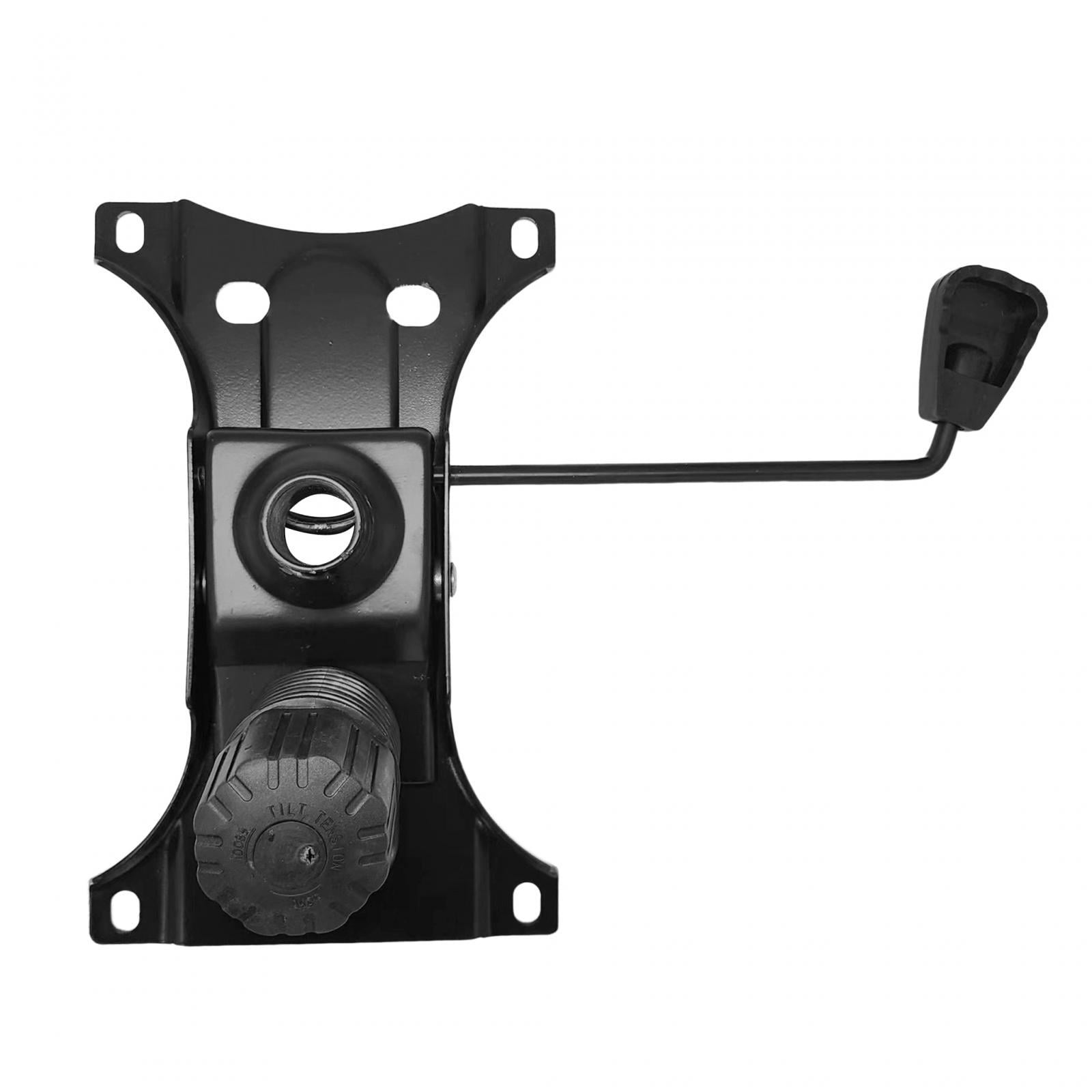
Your feet should rest flat on the floor, thighs parallel to the ground. Look for pneumatic adjustment levers with at least 4 inches of range.
With arms relaxed, your elbows should form an angle between 90-110 degrees when typing. If the desk is fixed, use an adjustable chair to achieve this.
The top of your screen should be at or slightly below eye level. For small desks, consider a monitor arm to save surface space.
Even compact chairs should offer built-in or add-on lumbar support to maintain natural spinal curve during extended sitting.
Comparing Desk Types for Compact Offices
Different desk styles impact both space usage and comfort. The table below outlines common options for small office setups:
| Desk Type | Best For | Space Efficiency | Chair Compatibility |
|---|---|---|---|
| Corner/L-Shaped Desk | Utilizing unused corners, dual monitors | High (fits into 90° angle) | Swivel chair with compact base, easy to rotate |
| Wall-Mounted/Floating Desk | Extreme space savings, minimalist aesthetics | Very High (no legs on floor) | Armless or low-profile chair that tucks completely under |
| Foldable/Wall Desk | Multi-purpose rooms, temporary setups | Maximum (folds away when not in use) | Folding or stacking chair for complete storage |
| Writing Desk with Drawer | Simple laptop work, limited storage needs | Moderate (depends on width) | Any compact office chair with adjustable height |
| Standing Desk Converter | Users who alternate sitting/standing, existing desk | High (sits on top of any small table) | Stool or adjustable ergonomic chair |
Material and Aesthetic Guide for Small Office Harmony
Choosing materials and finishes that complement your room can make a small office feel larger and more inviting. Consider these combinations:
- Light Wood + White: Reflects natural light, creating an open feel. Ideal for Scandinavian or modern interiors.
- Glass Desktop + Metal Frame: Visually light and easy to clean. Pairs well with colorful or black mesh chairs.
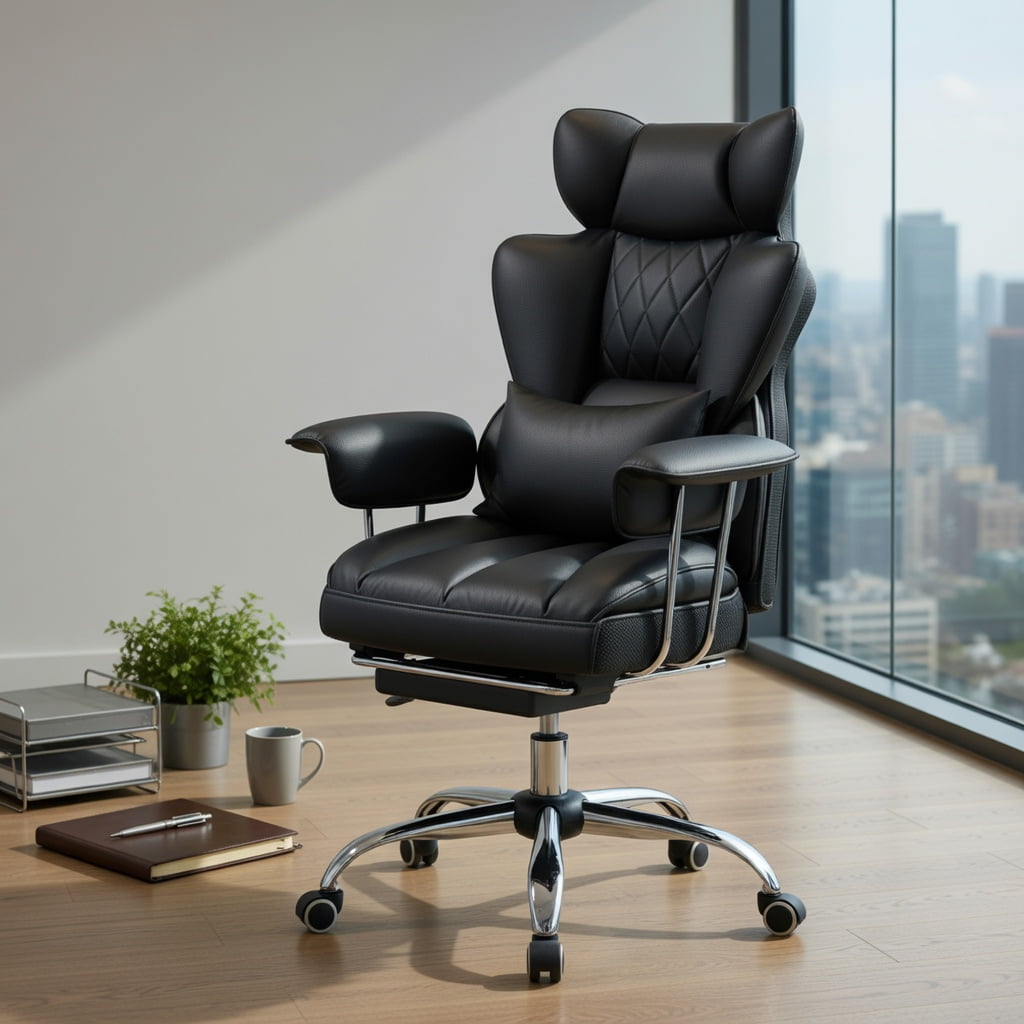
- Dark Walnut + Leather: Creates a classic, executive look even in compact spaces. Use lighter wall colors to balance.
- Industrial (Metal + Reclaimed Wood): Adds character and durability. Best with modern minimalist chairs.
Smart Storage Integration: Many small office desks now come with built-in USB ports, cable management trays, and side shelves. Pairing with a chair that has a slim profile ensures you don't sacrifice storage for comfort.
Setting Up Your Small Office for Maximum Productivity
Once you've selected your small office table and chair, the arrangement matters just as much as the products themselves. Follow these steps to create an efficient workflow:
- Position the desk near natural light: Place your desk perpendicular to a window to reduce glare on screens while enjoying daylight.
- Create a clear cable path: Use adhesive clips or a cable tray under the desk to keep cords off the floor — crucial in tight spaces.
- Set chair height first: Adjust the chair so your feet are flat, then adjust any monitor arms or desk risers accordingly.
- Maintain a 2-3 inch gap: Between the front of the desk and the chair back to allow easy sliding in and out.
- Use vertical storage: Wall shelves or pegboards above the desk reduce surface clutter, making the table feel larger.