
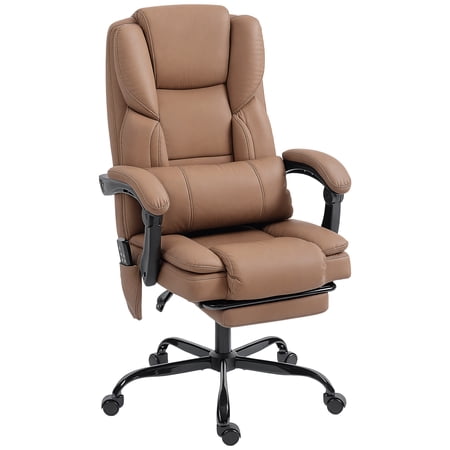
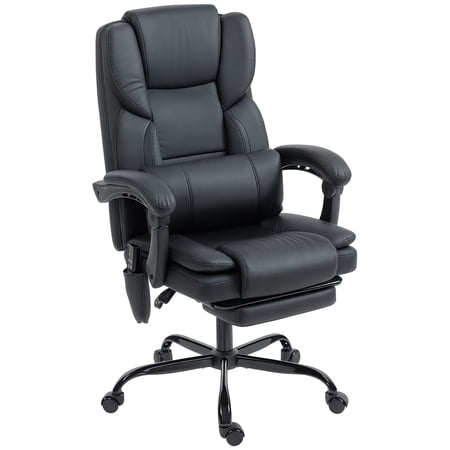
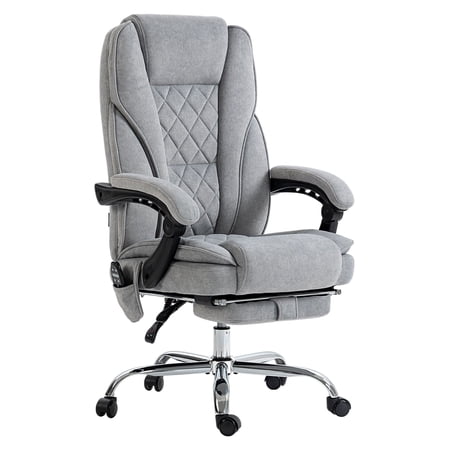
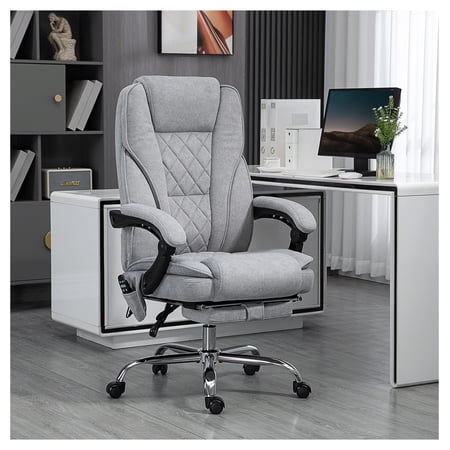
Why Choose a Reclining Office Chair with Massage?
Imagine ending your workday feeling refreshed instead of exhausted. For countless professionals, that's the reality offered by a reclining office chair with massage. It’s a powerful upgrade from a traditional task chair, transforming your workspace into a sanctuary of wellness. These chairs are designed for the modern executive who understands that peak productivity starts with physical well-being.
Wellness Insight: Studies show that prolonged static sitting contributes to muscle fatigue, reduced focus, and chronic back pain. Incorporating massage and the ability to recline can reduce muscle tension by up to 60% and improve cognitive performance by promoting better circulation and reducing stress hormones.
The Core Benefits of Massage and Recline Technology
Integrating massage and recline functions into your daily routine offers a multi-faceted approach to workplace wellness. Here’s how a quality chair makes a difference:
🎯 Targeted Muscle Relief
Built-in massage nodes specifically target the lumbar and sometimes the entire back. This helps to knead away tension that builds up from hunching over a keyboard or phone.
🔄 Improved Spinal Health
The reclining function allows you to shift your body weight, reducing the compressive load on your intervertebral discs by up to 50% compared to sitting upright.
🧘 Stress Reduction & Focus
A short, 15-minute massage session during a break can lower cortisol levels, reducing anxiety and clearing mental fog, allowing you to return to complex tasks with renewed clarity.
❤️ Enhanced Circulation
Reclining with your legs elevated (a feature in many models) combined with massage helps promote venous return, reducing leg fatigue and the risk of deep vein thrombosis from long sitting periods.
Key Features to Consider in a Massage Office Chair
Selecting the right model involves more than just checking the "massage" box. To ensure you get a chair that is both a therapeutic tool and a long-lasting piece of office furniture, pay close attention to these specifications:
| Feature | Why It Matters | What to Look For |
|---|---|---|
| Massage Motor Type & Placement | Determines the quality and area of relief. Basic models have only lumbar vibration, while advanced models have rolling nodes or full-back coverage. | Multiple vibration nodes (4+), targeted lumbar and seat massage. Look for "shiatsu" style for deeper kneading or "percussion" for surface-level relief. |
| Massage Settings & Controls | Allows you to customize the experience to your specific needs, avoiding discomfort from intensity that is too high. | Adjustable intensity levels (low, medium, high), programmable timer (auto shut-off), and spot massage options. A remote control is a must for easy access while seated. |
| Heated Massage Function | Heat amplifies the benefits of massage by loosening tight muscles and improving blood flow before the mechanical massage begins. | Separate heat function that can be used with or without massage. Look for consistent, low-level heat that doesn't become uncomfortably hot. |
| Recline Mechanism & Range | Your ability to shift postures and relieve pressure. A limited recline range negates many of the ergonomic benefits. | Look for a recline angle of at least 135 degrees. A "infinite lock" mechanism allows you to stop at any angle. "Zero gravity" positioning is a premium feature. |
| Ergonomic Foundation | When the massage is off, the chair must function as a quality ergonomic seat. Don't sacrifice core ergonomics for massage features. | Height-adjustable armrests (4D preferred), adjustable lumbar support (separate from massage nodes), seat depth adjustment, and high-density foam padding. |
How to Integrate a Massage Chair into Your Work Routine
A reclining office chair with massage isn't just a piece of furniture; it's a wellness tool. To maximize its benefits, it's important to use it strategically. Think of it as your in-office physical therapist. Here are some practical tips:
- The 20-20-20 Rule (Enhanced): Every 20 minutes, look 20 feet away for 20 seconds. Every 2-3 hours, recline your chair and engage the massage function for a 10-15 minute session. This breaks up periods of static posture.
- Morning Activation: Use the heat function for 5 minutes at the start of your day to warm up your back muscles before you begin intense work.
- Post-Lunch Recharge: Instead of the afternoon slump, take a short "power recline." The combination of a slightly reclined position and massage can combat post-meal fatigue and restore energy.
- Evening Wind-Down: If you're working late, use the massage feature to signal to your body that it's time to transition out of work mode, helping to reduce stress before you log off.
Remember, the goal is not to use the massage function constantly, but to use it as a proactive measure to prevent the build-up of tension and fatigue.
Material and Build Considerations for Massage Chairs
Because these chairs contain mechanical parts, the quality of materials is crucial for longevity. Here’s a breakdown of what to expect:
- Leather vs. Fabric: High-quality leather (or premium bonded leather) is often preferred for massage chairs as it's durable and easy to clean. However, breathable mesh is excellent for those who run hot, though the massage sensation might be slightly dampened. For a balance, look for chairs with a leather or leatherette exterior and mesh backing.
- Frame Construction: The frame must be robust to handle the reclining mechanism and the vibrations from the massage motors. A steel or reinforced metal frame is non-negotiable for durability. Avoid chairs with plastic frames for the main structure.
- Base and Casters: A heavy-duty, five-point metal base provides stability, especially when the chair is fully reclined. Look for smooth-rolling, dual-wheel casters that can move easily on your floor type, whether carpet or hardwood.
Who is a Reclining Massage Office Chair Best For?
While anyone can benefit, certain professionals find these chairs to be indispensable:
- Executives and Long-Hour Professionals: For those who spend 8+ hours at a desk, the combination of ergonomic support and therapeutic massage is a game-changer for maintaining energy and health.
- Remote Workers and Freelancers: Without the benefit of a corporate wellness program, a massage chair becomes a personal investment in home office health.
- Individuals with Chronic Back Pain: The ability to recline and receive targeted massage can provide significant, on-demand relief for conditions like sciatica, muscle spasms, and general lower back pain.
- Creative Professionals: The act of reclining and relaxing can help facilitate "incubation" periods in the creative process, allowing the mind to wander and generate new ideas.