
Why All-Mesh Ergonomic Office Chairs Are Redefining Workplace Comfort
In the modern workspace, staying comfortable during marathon work sessions is no longer a luxury—it's a necessity. Ergonomic all mesh office chairs have emerged as the gold standard for professionals who refuse to compromise between support, breathability, and style. Unlike traditional foam or leather seating, a fully mesh chair creates a suspended, dynamic surface that adapts to your movements while keeping air circulating constantly.
Research insight: Studies on thermal comfort in office environments indicate that skin temperature can rise by 2–3°F after 2 hours in non-breathable chairs. All-mesh chairs maintain thermal neutrality, directly correlating with sustained concentration and reduced fatigue. For executives and remote workers alike, this translates to higher productivity and fewer postural distractions.
The Anatomy of an Outstanding All-Mesh Chair
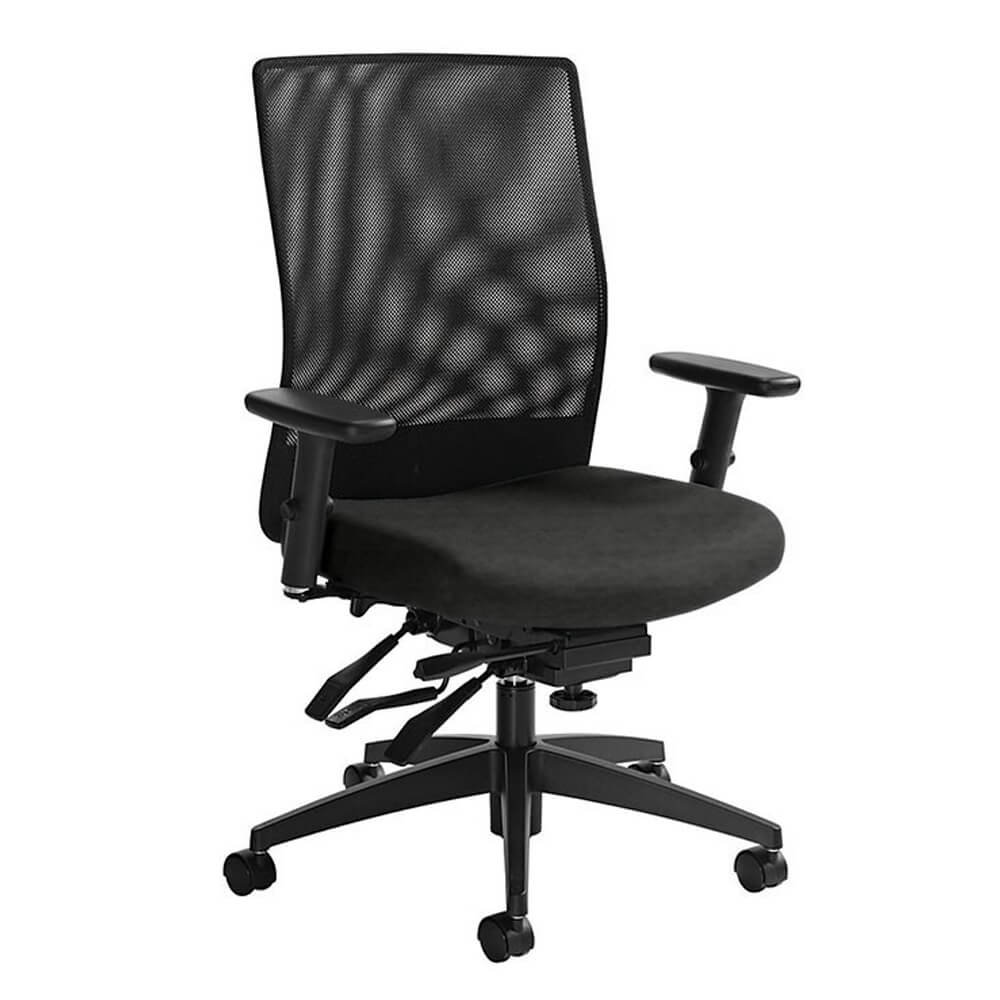
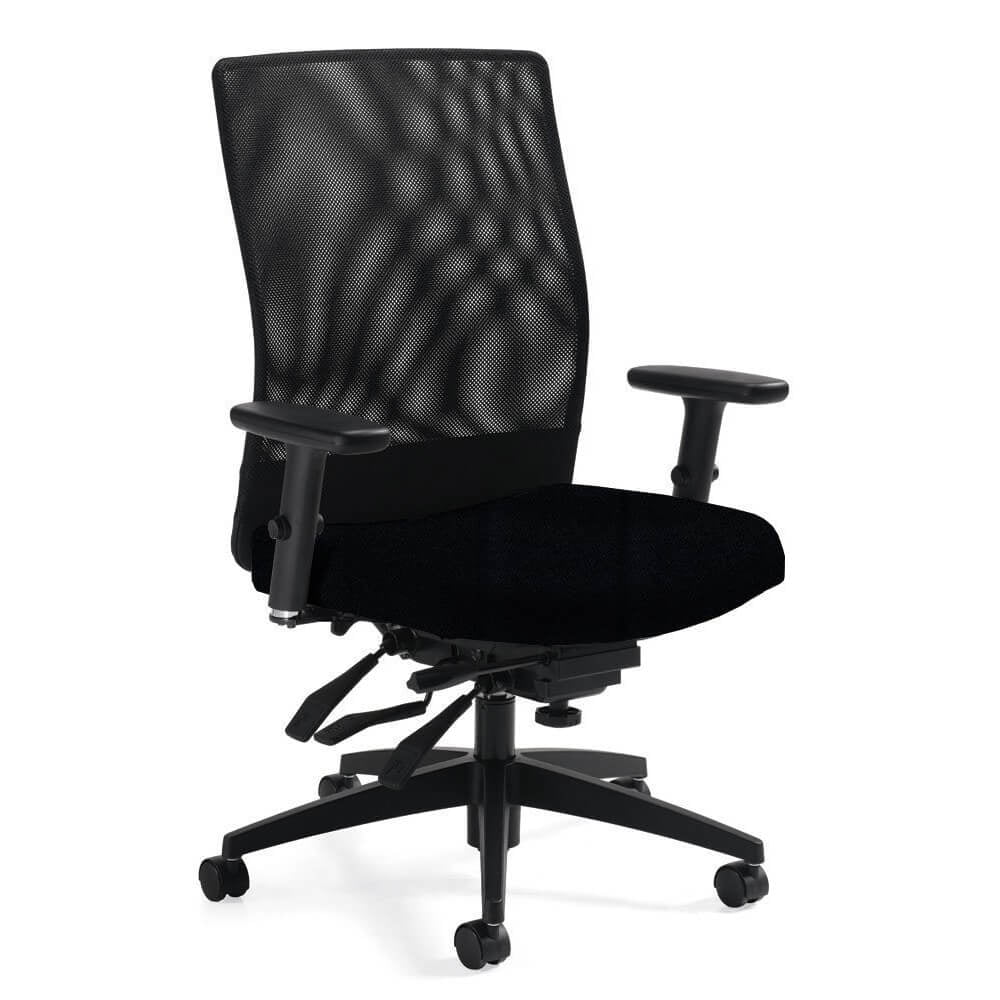
Not all mesh chairs are created equal. High-end ergonomic mesh chairs incorporate several engineering principles to deliver balanced support. Here are the critical components to evaluate:
1. High-Tension Mesh
The mesh itself should have consistent tension—firm enough to support the spine but with slight give for comfort. Premium chairs use elastomeric mesh that retains shape for years. Look for dual-layer mesh or knitted polymer mesh that resists sagging.
2. Independent Lumbar Mechanism
Many all-mesh chairs now feature dynamic lumbar support that moves with your recline angle or provides adjustable depth/height. This feature ensures the lower back never loses contact, reducing pressure on discs by up to 35%.
3. Seat Frame & Depth Adjustability
The seat pan should have a waterfall edge to promote circulation. Adjustable seat depth (sliding forward/back) is crucial to accommodate thigh length. Without it, taller users may feel pressure behind the knees.
Key Advantages of Choosing an All-Mesh Ergonomic Chair
- Unmatched Breathability: The open-weave design eliminates sweat and heat buildup, making these chairs ideal for warm offices or individuals prone to overheating.
- Adaptive Posture Support: Mesh flexes gently under weight, acting like a micro-spring system that encourages micro-movements, which reduces static loading on the spine.
- Low Maintenance & Durability: Mesh doesn’t crack or fade like leather, and it resists stains. A quality mesh chair can easily last 7–10 years with minimal upkeep.
- Modern Aesthetics: Sleek, minimalist designs fit contemporary office decor and home studios, conveying a professional, forward-thinking image.
- All-Day Comfort Without "Break-In" Period: Unlike leather or thick foam, mesh provides consistent support from day one and never compresses permanently.
Mesh vs. Other Materials: A Comparative Look
| Material | Breathability | Pressure Distribution | Durability | Best Use Case |
|---|---|---|---|---|
| All-Mesh | Excellent (airflow 360°) | Even, adaptive suspension | High (no sagging if quality mesh) | Long hours, warm climates, tech offices |
| Leather/Leather-Vinyl | Poor to Moderate | Foam dependent, can compress | High if top-grain, but requires care | Traditional executive suites, cooler environments |
| Fabric Upholstery | Moderate | Medium (depends on foam density) | Medium (stain and wear risks) | Budget-conscious, varied aesthetics |
Ergonomic Adjustments That Matter Most
A truly ergonomic all-mesh chair is not a one-size-fits-all product. To maximize benefits, your chair should offer a range of adjustments:
- Seat Height (pneumatic lift): Your feet should rest flat on the floor, thighs parallel to the ground. The standard range is 16–21 inches.
- Seat Depth Slider: Allows 2–3 inches of forward/back movement to ensure a 2–3 finger gap between the back of your knees and the seat edge.
- Lumbar Height & Depth: Lower back support should align with the curve of your lumbar spine (usually around the beltline).
- Armrest Adjustability: Look for 4D armrests (height, width, pivot, depth) to support elbows at 90-degree angles while typing.
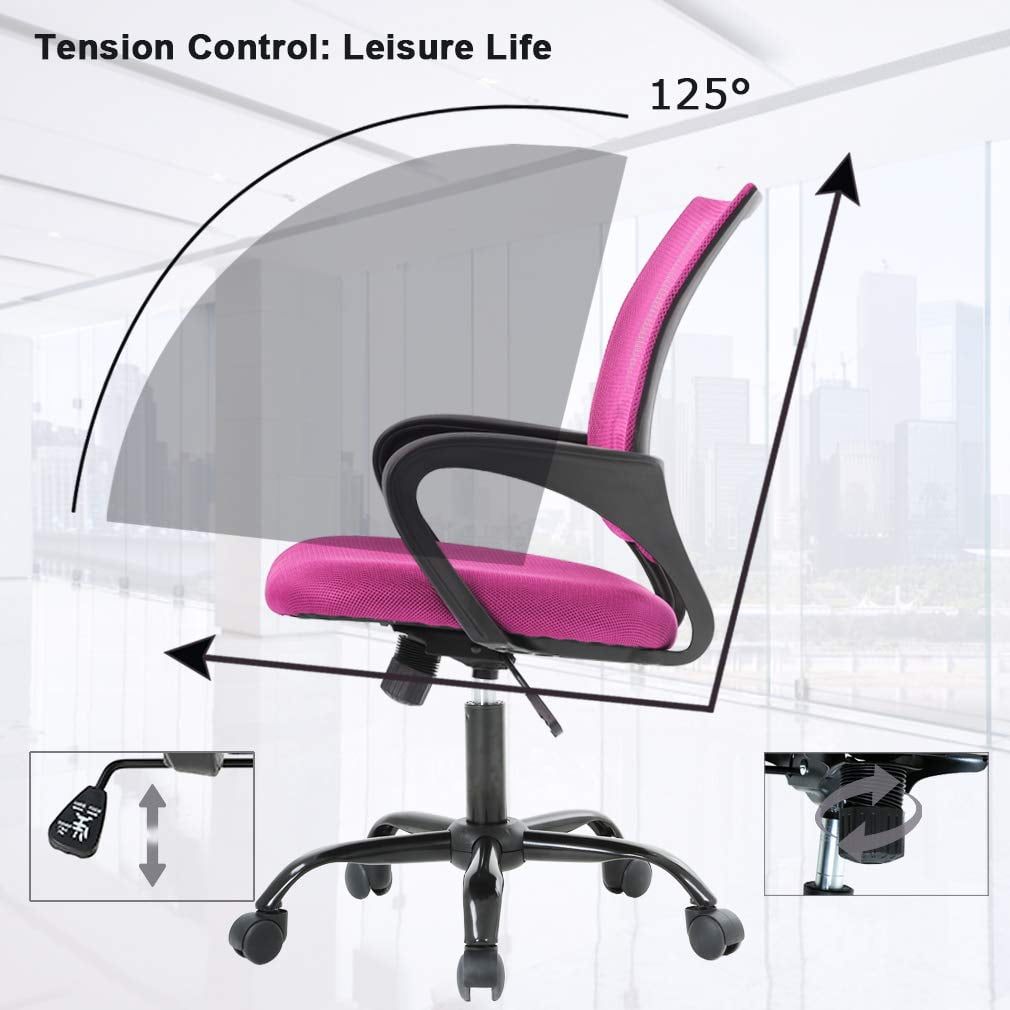
- Recline Tension & Locking: A tilt mechanism that allows you to recline smoothly and lock at preferred angles encourages movement and reduces spinal load.
Who Should Prioritize an All-Mesh Ergonomic Chair?
While almost anyone can benefit, certain groups find all-mesh chairs especially transformative:
- Remote workers & home office users: Without the climate control of large corporate buildings, home offices can get stuffy. Mesh chairs keep you cool.
- Individuals with back pain or heat sensitivity: The breathable backrest reduces moisture buildup while the dynamic support eases chronic pain.
- Tech professionals and creative directors: Long periods of intense focus require a chair that minimizes distractions — both from discomfort and temperature.
- Hot climate residents: If you live in areas with warm weather year-round, an all-mesh chair is a practical investment for daily comfort.
🏆 Industry Trend: The Rise of Sustainable Mesh
Many manufacturers now use recycled or eco-friendly polyester mesh certified by GREENGUARD. These chairs contribute to LEED credits and reduce environmental impact while maintaining high performance. Some premium brands even offer replaceable mesh components to extend product life, aligning with circular economy principles.
Common Myths About Mesh Office Chairs — Debunked
Myth 1: “Mesh chairs feel too hard and lack padding.”
Reality: Quality mesh provides “suspended comfort,” which distributes weight evenly. It eliminates pressure points that often occur with thick foam. The result is less fatigue after 8+ hours.
Myth 2: “Mesh will sag after a year.”
Reality: Advanced elastomeric mesh from reputable brands undergoes stress testing for 100,000+ cycles. With proper care (avoid sharp objects), sagging is rare in premium models.
Myth 3: “All-mesh chairs are only for minimalists or gamers.”
Reality: There is a wide spectrum of designs — from high-back executive mesh chairs with headrests to sleek task chairs. Many offer professional aesthetics suitable for boardrooms.