
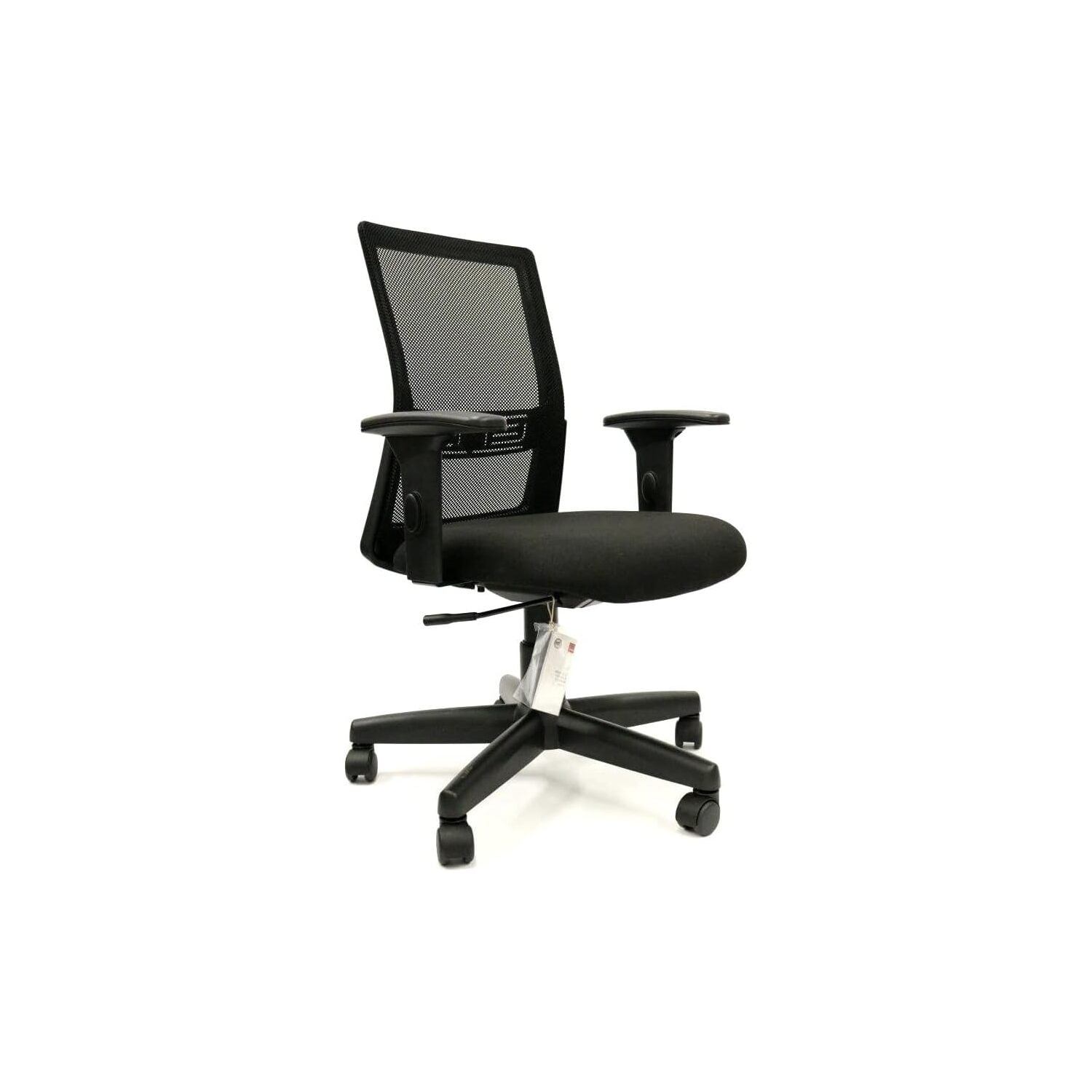

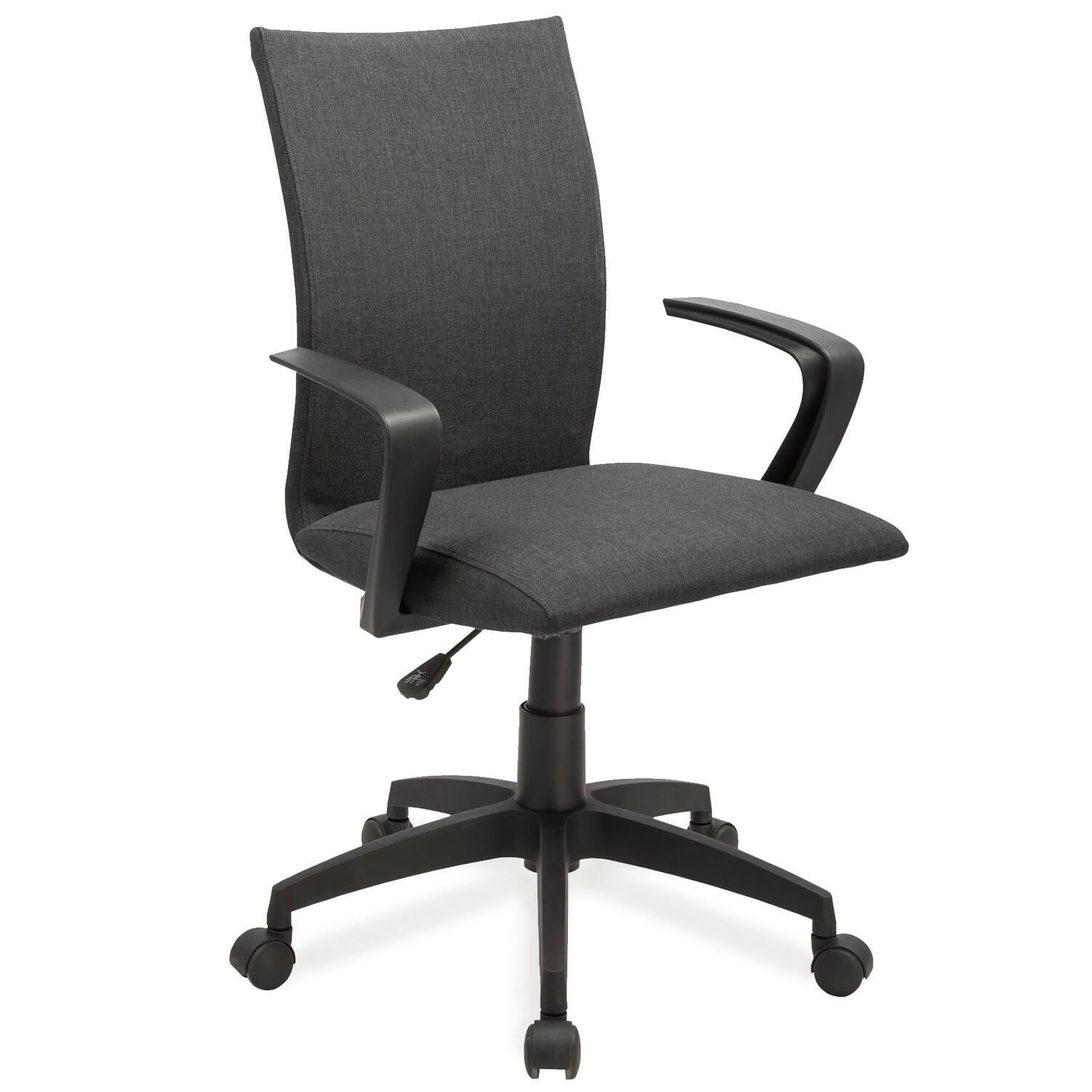
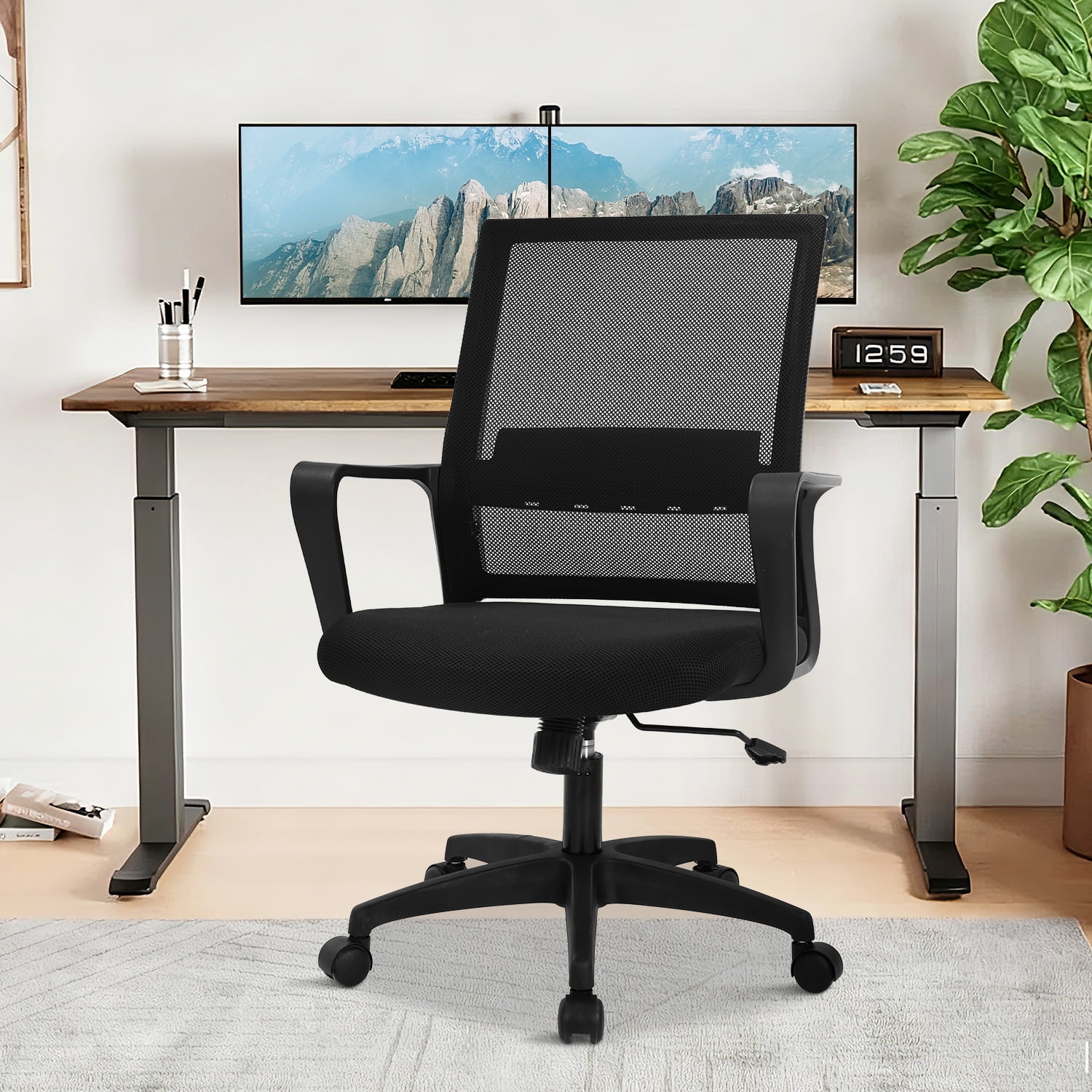
Why a Mesh Home Office Chair is a Game-Changer for Your Workspace
Working from home has redefined how we think about office furniture. The modern home office demands equipment that blends style, comfort, and functionality. Enter the mesh home office chair—a revolutionary seating solution that prioritizes airflow, ergonomic adaptability, and sleek design. Unlike traditional foam or leather chairs, mesh chairs use a breathable fabric suspended over a sturdy frame, providing dynamic support that moves with you.
💡 Did You Know? According to a 2024 workplace ergonomics study, workers using mesh-back chairs reported 34% less back fatigue and 28% lower perceived body temperature compared to foam-based chairs after 6 hours of continuous use. Mesh material actively promotes micro-air circulation, reducing moisture buildup.
Core Benefits of Mesh Home Office Chairs
🌬️ 360° Breathability
Mesh backing allows constant airflow, preventing sweat and overheating. Perfect for warm climates or intensive work sessions.
🦾 Adaptive Lumbar Support
The tensioned mesh naturally contours to your spine, offering firm yet flexible lower back support without bulky padding.
⚙️ Superior Adjustability
Most mesh chairs come with multiple adjustment points: seat height, tilt tension, armrest width/height, and seat depth.
♻️ Eco-Friendly Durability
High-quality mesh is recyclable and long-lasting—often outliving polyurethane foam chairs by 5+ years.
Key Features to Look for in a Mesh Home Office Chair
Not all mesh chairs are created equal. When selecting the perfect model for your home office, focus on these critical components:
- Seat Mesh vs. Back Mesh: Some chairs use mesh only for the backrest, while premium models feature full-mesh seats for ultimate airflow. For all-day sitting, a mesh seat prevents heat retention.
- Lumbar Adjustment Mechanism: Look for chairs with independent lumbar height and depth adjustments. This ensures personalized spinal alignment.
- Seat Depth and Height: Ensure the seat pan slides forward/backward (depth adjustment) and pneumatic lift offers a wide height range (typically 16-22 inches).
- Armrest Customization: 4D armrests (up/down, forward/back, pivot, width) are ideal for multitaskers and those who alternate between typing and phone calls.
- Weight Capacity & Base Construction: High-grade mesh chairs support 275-400 lbs with reinforced nylon or aluminum bases. A sturdy 5-star base ensures stability.
Mesh vs. Fabric vs. Leather: A Quick Comparison
If you're torn between materials, here's how mesh stacks up: Mesh chairs excel in breathability and modern aesthetics but may lack plush cushioning. Fabric chairs offer cozy warmth but can trap heat. Leather provides a luxurious feel but requires maintenance and can become sticky. For home office warriors who prioritize temperature regulation and ergonomic responsiveness, mesh is often the top choice.
Ergonomic Science: Why Mesh Supports Natural Movement
Human bodies are not static. We shift, recline, and adjust posture dozens of times per hour. A rigid foam backrest forces the spine into a fixed position, while a well-engineered mesh backrest acts like a suspension system. It distributes pressure evenly across the thoracic and lumbar regions, allowing micro-movements that maintain blood flow and reduce muscle stiffness. This "dynamic ergonomics" is why many physical therapists recommend high-quality mesh chairs for clients recovering from back injuries.
Choosing the Right Mesh Chair Based on Your Work Style
1. The Focused Worker (8+ hours coding/design)
Prioritize chairs with seat depth adjustment, a forward-tilt mechanism, and a high backrest for full spine support. Mesh chairs with a headrest reduce neck strain.
2. The Collaborative Professional (meetings + calls)
Opt for chairs with swivel flexibility, breathable mesh that looks professional on camera, and adjustable armrests for a relaxed posture during video conferences.
3. The Hybrid Worker (alternating standing/sitting)
Look for a mesh chair with a tilt-lock function and responsive recline tension, allowing easy transition when paired with a sit-stand desk.
Maintenance Tips for Long-Lasting Mesh Performance
Mesh chairs are surprisingly low-maintenance. To keep yours looking and functioning like new: vacuum the mesh weekly using a brush attachment to remove dust and debris. For stains, mix mild dish soap with water, dab gently, and air-dry away from direct sunlight. Tighten any loose screws every 6 months and apply silicone lubricant to moving parts if they become squeaky. With proper care, a premium mesh home office chair can easily serve you for a decade.
Pro Tip: If you work in a home office with pets, mesh is a great choice—pet hair doesn't stick like fabric, and it's less prone to scratching than leather. Simply wipe or vacuum to keep it pristine.
Frequently Asked Questions About Mesh Home Office Chairs
Conclusion: Elevate Your Home Office with the Perfect Mesh Chair
Selecting a mesh home office chair is more than a style choice—it's an investment in your daily comfort, productivity, and long-term musculoskeletal health. The ideal chair balances breathable mesh support, personalized ergonomic adjustments, and durable construction tailored to your home environment. Whether you're a remote executive, freelance designer, or hybrid worker, a high-quality mesh chair provides the cooling comfort and dynamic spine support needed to excel.
Remember to test key features like seat depth, lumbar adjustability, and armrest flexibility before committing. Prioritize chairs with solid warranties (minimum 5 years for components) and positive user reviews focusing on long-term durability. By choosing a well-engineered mesh chair, you're creating a workspace that actively contributes to your well-being—keeping you focused, fresh, and ready for any challenge.