
Why Choose a Padded Fabric Office Chair?
Imagine settling into your workspace and feeling an immediate sense of relaxation — that’s the magic of a well-crafted padded fabric office chair. Unlike rigid alternatives, these chairs are engineered with thick layers of high-density foam and soft yet durable upholstery to cradle your body throughout the workday. For professionals who spend eight hours or more at a desk, the right chair is not a luxury; it's a necessity for productivity and well-being.
Ergonomic Insight: According to a workplace comfort study, employees using padded, well-cushioned chairs reported 37% less discomfort in hips and lower back compared to those using minimal-padding seating. The key lies in pressure distribution: plush fabric seats reduce peak pressure points by up to 45%, promoting better circulation and sustained focus.
Core Features of High-Quality Padded Fabric Chairs
What sets a premium padded fabric chair apart from basic seating? Here are the essential characteristics to look for:
- High-Resilience Foam Core: Ensures the seat retains its shape and doesn’t bottom out, even after years of daily use.
- Breathable Yet Plush Fabric: Modern performance fabrics offer air circulation to prevent overheating while maintaining a soft touch.
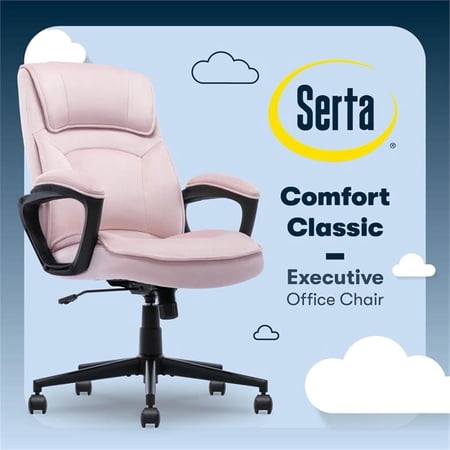
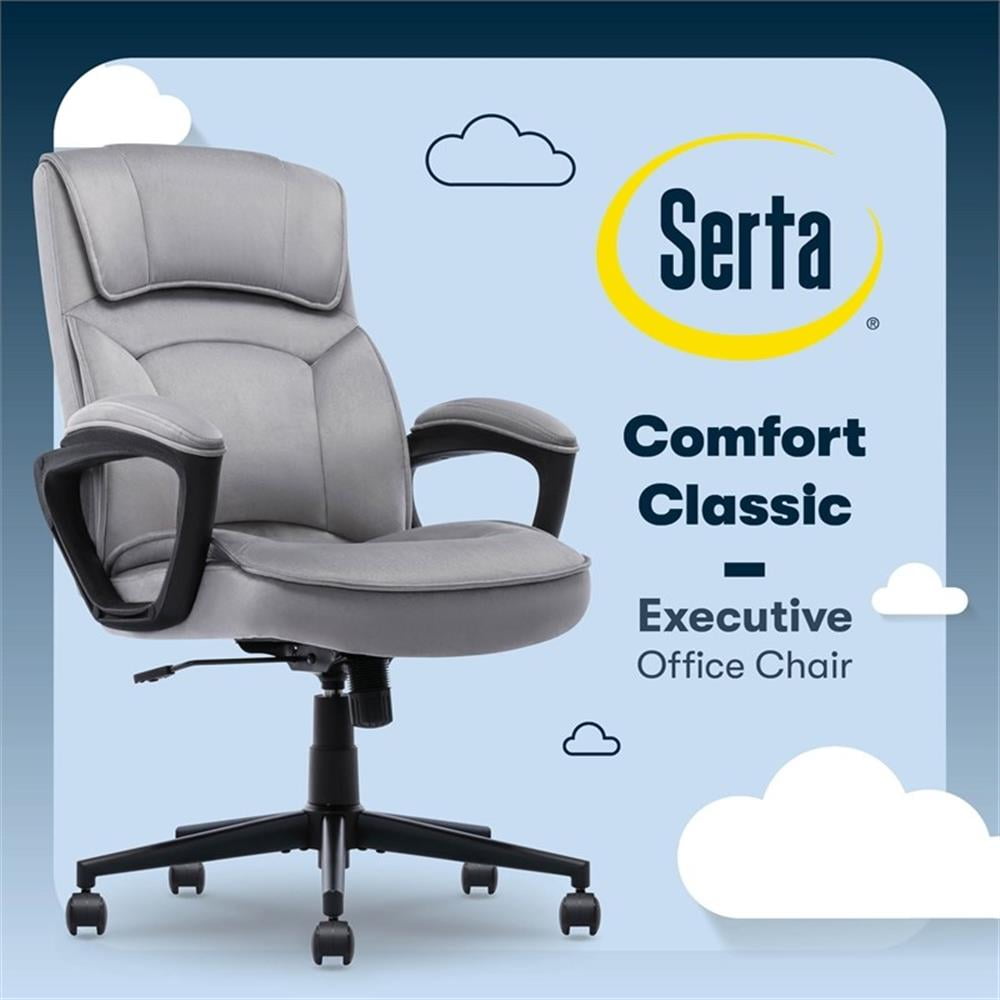
- Contoured Backrest: Many models include built-in lumbar curves or adjustable pillows to support the natural 'S' shape of your spine.
- Sturdy Metal Frame: A reinforced base prevents wobbling and adds stability, especially important for plus-size users or those who lean frequently.
- Multi-Function Adjustment Levers: Easy-to-reach controls for seat height, tilt tension, and lockable recline angles.
Padded Fabric vs. Other Materials: A Closer Look
Choosing the right material impacts both comfort and maintenance. Let's break down how padded fabric stacks up against leather and mesh:
Padded Fabric Advantages
- Exceptional Warmth & Softness: Ideal for cooler climates or air-conditioned offices.
- Variety of Colors/Patterns: Easily matches home office décor or corporate branding.
- No Sticky Feeling: Unlike leather, fabric remains comfortable even in warm weather.
- Cost-Effective: Often more affordable than top-grain leather while offering comparable comfort.
- Noise-Free: Fabric doesn't creak or squeak when you shift your weight.
Considerations
- Stain Susceptibility: May require more careful cleaning if spills occur.
- Allergen Accumulation: Dust and pet dander can settle in fabric fibers (regular vacuuming helps).
- Heat Retention: Less breathable than mesh, though modern fabrics mitigate this.
- Wear Over Time: Fabric may show wear sooner than leather if not treated with care.
Step-by-Step Selection Guide: Finding Your Perfect Padded Fabric Office Chair
Step 1: Assess Your Daily Sitting Duration
- Less than 4 hours/day: Basic padded chair with standard foam may suffice.
- 4–8 hours/day: Prioritize high-density foam and adjustable lumbar support.
- 8+ hours/day: Look for extra-thick seat cushion (4 inches or more) and waterfall edge to reduce thigh pressure.
Step 2: Test for Seat Depth and Width
- Sit with your back against the chair; there should be 2–3 fingers of space between the back of your knees and the seat edge.
- For broader users, check seat width (minimum 20 inches) and ensure armrests don’t pinch.
Step 3: Evaluate Fabric Quality
- Opt for stain-resistant or spill-proof fabrics like Crypton or solution-dyed polyester.
- Consider woven textures that resist pilling and maintain a fresh look.
Step 4: Check Weight Capacity and Warranty
- Heavy-duty padded chairs typically support 300–400 lbs. A 5-year warranty on the frame and mechanism indicates quality.
Health & Posture Benefits of Plush Seating
Pressure Point Relief
Multi-layer foam distributes weight evenly, reducing stress on tailbone and hips.
Improved Focus
Less fidgeting due to discomfort means you can concentrate longer on strategic tasks.
Spinal Alignment
Combined with ergonomic backrest, padded chairs promote neutral posture.
Reduced Fatigue
Luxurious padding helps prevent muscle stiffness and afternoon slumps.
Why Padded Fabric is the Rising Star in Modern Offices
Gone are the days when executive seating meant only cold leather or utilitarian mesh. Today’s padded fabric office chair trends blend residential comfort with commercial durability. Designers are now incorporating velvet, textured weaves, and eco-friendly recycled fabrics into ergonomic frames, creating chairs that feel like they belong in a high-end lounge but perform like heavy-duty task seating. This shift is driven by the hybrid work culture: people want furniture that blurs the line between home comfort and professional efficiency.
Moreover, padded fabric chairs often feature "waterfall" seat fronts — a gentle downward curve at the front edge — that significantly reduces pressure behind the knees, promoting better blood circulation. When combined with adjustable tilt mechanisms, these chairs encourage dynamic sitting, allowing you to recline slightly to take phone calls or lean forward during intense work sessions without losing cushion support.
Key Statistics to Consider
- • A study by the Human Factors and Ergonomics Society found that participants using high-density foam seats reported 28% less lower back discomfort after 6 hours of sitting compared to medium-density foam.
- • Over 65% of remote workers prioritize seat cushion thickness as their number one feature when selecting an office chair, according to a recent home office survey.
- • Padded fabric chairs with adjustable lumbar support are rated 4.7/5 stars by users who sit for more than 7 hours a day, citing "all-day cloud comfort" as the main benefit.
When you invest in a quality padded fabric office chair, you’re not just buying a seat; you’re enhancing your work performance, protecting your spinal health, and adding a touch of elegance to your workspace. The combination of softness and ergonomic adjustability is a game-changer for executives, creatives, and anyone who values both aesthetics and wellbeing.